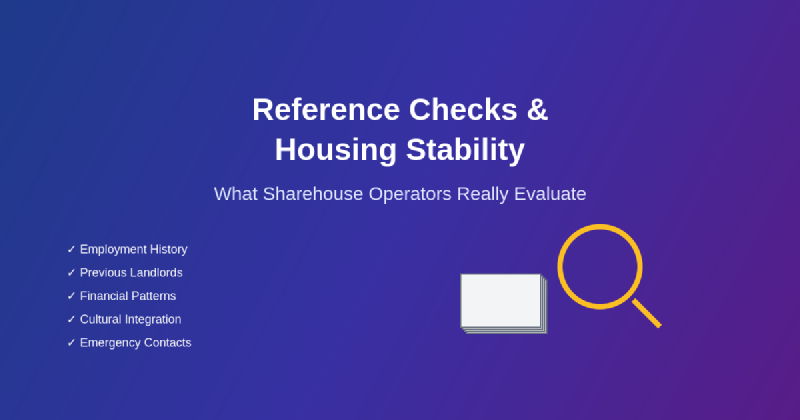
The intricate process of reference checking for Tokyo sharehouses extends far beyond simple employment verification to encompass comprehensive evaluations of housing stability that can make or break rental applications for international residents seeking accommodation in Japan’s competitive rental market. Property managers and sharehouse operators have developed sophisticated screening systems that examine applicants’ entire housing history, financial patterns, and lifestyle indicators to predict future tenancy success and minimize risks associated with resident turnover, property damage, and community disruption.
These extensive reference check procedures often surprise international applicants who expect straightforward income verification processes similar to their home countries, but discover that Japanese housing stability assessments involve detailed investigations into personal relationships, previous landlord experiences, and cultural adaptation indicators that can significantly impact approval decisions. Understanding how these evaluations work and what factors influence housing stability determinations becomes essential for international residents navigating Tokyo’s sharehouse application processes successfully.
The Comprehensive Nature of Housing Stability Assessment
Housing stability evaluation in Tokyo sharehouses encompasses multiple data points that property managers analyze to determine an applicant’s likelihood of maintaining successful long-term tenancy without creating problems for other residents or property management operations. What documents you need for Tokyo sharehouse applications provides basic documentation requirements, but the reference check process extends far beyond paperwork to include verbal confirmations and detailed background investigations.
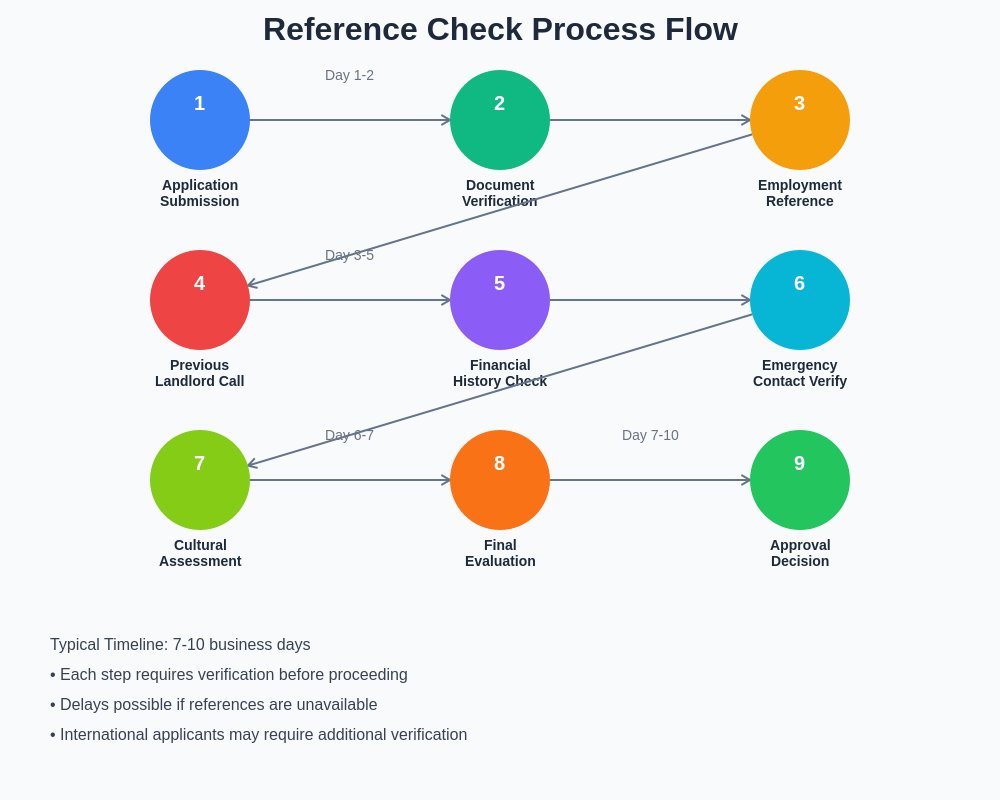
Previous landlord references serve as the primary source of housing stability information, with property managers conducting detailed phone interviews to assess not only payment history and lease compliance but also the applicant’s integration with previous communities, response to conflicts, and overall impact on property management operations. These conversations often reveal patterns of behavior that predict future performance more accurately than financial documentation alone, particularly regarding cultural adaptation and communication effectiveness in shared living environments.
Employment stability references extend beyond simple income verification to examine job tenure patterns, workplace integration success, and supervisor relationships that indicate the applicant’s ability to maintain stable income sources while adapting to Japanese professional environments. International residents with frequent job changes or workplace difficulties may face additional scrutiny even when their current income meets financial requirements, as employment instability often correlates with housing instability in property managers’ risk assessment models.
Personal character references from Japanese contacts carry particular weight in housing stability assessments because they provide cultural validation and demonstrate the applicant’s ability to build meaningful relationships within Japanese society, indicating higher likelihood of successful community integration and conflict resolution in sharehouse environments. The quality and credibility of these references often influence approval decisions more significantly than financial qualifications alone.
Financial Pattern Analysis and Payment History
Credit history evaluation in Japan differs substantially from Western credit scoring systems, focusing on banking relationship stability, consistent payment patterns, and financial responsibility indicators that demonstrate long-term reliability rather than credit utilization optimization strategies common in other countries. How living in sharehouses affects your taxes touches on financial documentation, but reference checks examine deeper patterns of financial behavior that indicate housing stability potential.
Banking relationship duration and account management patterns provide insights into financial stability that extend beyond current income levels to encompass money management skills, emergency fund maintenance, and financial planning capabilities that predict successful rent payment consistency throughout tenancy periods. Property managers often contact banks directly to verify account standing, transaction patterns, and any history of payment difficulties or overdrafts that might indicate financial instability.
Previous rental payment history receives detailed examination through landlord interviews that explore not only on-time payment consistency but also communication patterns during payment difficulties, willingness to address problems proactively, and overall financial responsibility demonstration throughout previous tenancies. Late payment patterns, even when ultimately resolved, can significantly impact housing stability assessments because they indicate potential future payment difficulties.
International money transfer patterns and currency exchange management demonstrate financial sophistication and planning capabilities that property managers consider when evaluating international residents’ ability to maintain consistent rent payments despite exchange rate fluctuations and international banking complexities. Applicants who demonstrate effective financial management across multiple currencies and banking systems receive higher housing stability ratings than those with inconsistent or poorly managed international financial arrangements.
Employment Verification and Career Trajectory Analysis
Employment reference checks for housing stability extend beyond simple income verification to examine career trajectory patterns, workplace integration success, and professional relationship quality that indicate the applicant’s likelihood of maintaining stable employment throughout their tenancy period. How career changes affect sharehouse eligibility explores employment impacts, but reference checks examine deeper patterns of professional stability and adaptation.
Workplace supervisor interviews focus on reliability indicators, communication effectiveness, cultural adaptation success, and overall professional performance that predict employment continuity and income stability throughout potential tenancy periods. Supervisors provide insights into work ethic, problem-solving capabilities, and team integration success that correlate with successful sharehouse community participation and conflict resolution abilities.
Industry stability and career progression patterns receive evaluation for their impact on long-term housing stability, with property managers preferring applicants in stable industries with clear advancement opportunities over those in volatile sectors or temporary positions that might require sudden relocation or income disruption. International residents in teaching, technology, or established corporate positions typically receive higher housing stability ratings than those in entertainment, hospitality, or gig economy roles.
Professional development indicators such as language skill improvement, certification acquisition, and career advancement demonstrate commitment to long-term residence in Japan that property managers value highly when assessing housing stability potential. Applicants who show investment in their Japanese career development receive preference over those who appear to view their residence as temporary or transitional.
Cultural Integration and Community Compatibility Assessment
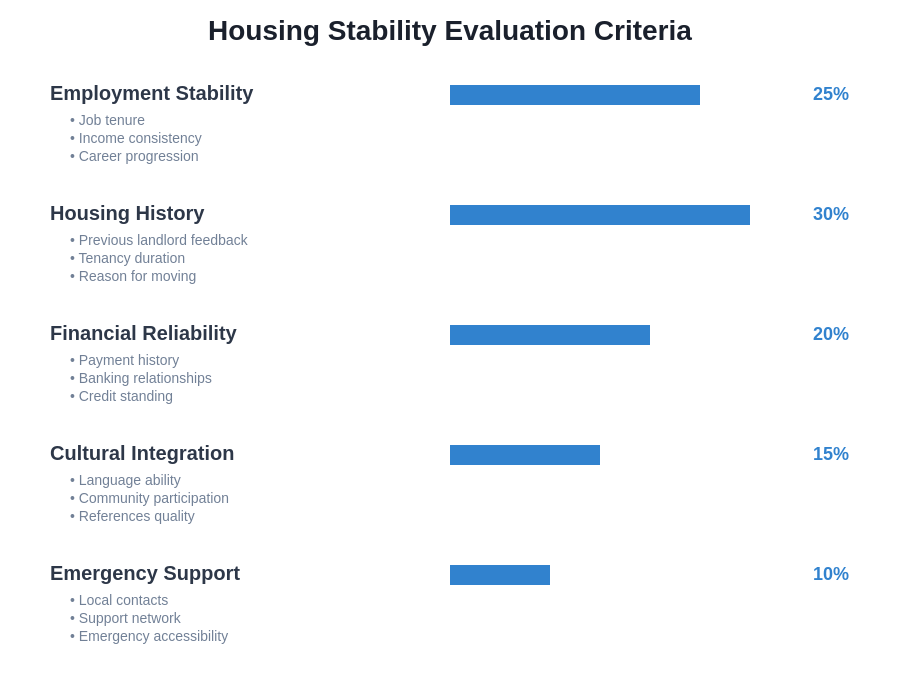
Cultural adaptation evaluation through reference checks examines the applicant’s demonstrated ability to navigate Japanese social expectations, communicate effectively across cultural boundaries, and integrate successfully into community environments that require cultural sensitivity and flexibility. Living with Japanese roommates in Tokyo sharehouses addresses cultural dynamics, but reference checks evaluate deeper patterns of cultural competency and adaptation success.
Language proficiency assessment extends beyond basic communication ability to examine the applicant’s willingness to improve language skills, effectiveness in complex discussions, and ability to understand nuanced cultural expectations that affect community harmony in shared living environments. Reference checks often include conversations in Japanese to evaluate real-world communication effectiveness rather than relying solely on standardized test scores or self-reported proficiency levels.
Previous community integration success receives detailed examination through interviews with former housemates, neighbors, and community contacts who can provide insights into the applicant’s social skills, conflict resolution approaches, and contribution to positive community atmosphere. These references often carry significant weight because they predict the applicant’s likely impact on existing sharehouse communities and overall resident satisfaction levels.
Social responsibility demonstration through volunteer activities, community participation, and civic engagement provides evidence of cultural integration success and commitment to positive social contribution that property managers value when assessing long-term housing stability potential. Applicants who demonstrate active engagement with Japanese society beyond work requirements typically receive higher stability ratings than those with limited social integration.
Visa Status and Legal Compliance Verification
Immigration status verification examines not only current visa validity but also renewal prospects, compliance history, and long-term residency potential that affect housing stability assessments for international residents whose legal status could impact their ability to maintain tenancy throughout lease periods. How visa status affects your sharehouse application covers visa impacts, but reference checks examine deeper legal compliance patterns and stability indicators.
Visa renewal history and immigration compliance demonstrate responsibility and planning capabilities that property managers consider when evaluating long-term tenancy potential, with applicants showing consistent compliance and proactive renewal management receiving higher stability ratings than those with compliance issues or renewal difficulties. Immigration lawyers or employers may be contacted to verify renewal prospects and assess potential risks of visa-related tenancy interruption.
Legal compliance verification extends beyond immigration status to examine any history of legal issues, contract disputes, or regulatory violations that might indicate potential problems with lease compliance or community rule adherence in sharehouse environments. Even minor legal issues can impact housing stability assessments if they suggest patterns of rule violation or conflict escalation.
Long-term residency planning demonstrates commitment to maintaining stable housing arrangements that property managers value highly when assessing application approval decisions, with applicants showing clear long-term residence plans receiving preference over those with uncertain or short-term residence intentions that could lead to frequent turnover and associated management costs.
Technology and Communication Capability Evaluation
Digital communication effectiveness assessment examines the applicant’s ability to use Japanese digital platforms, respond to electronic communications promptly, and navigate technology-dependent management systems that characterize modern sharehouse operations in Tokyo’s digitized rental market. Property managers often evaluate responsiveness patterns, communication clarity, and technology comfort levels through the application process itself.
Online presence evaluation may include social media review, professional networking platform assessment, and digital footprint analysis to understand the applicant’s communication patterns, cultural sensitivity demonstration, and potential compatibility with community standards and sharehouse reputation management. Inappropriate online content or cultural insensitivity indicators can negatively impact housing stability assessments.
Emergency communication capability receives evaluation through reference checks that examine the applicant’s availability, responsiveness, and effectiveness in urgent communication situations that might arise during tenancy periods. Property managers prefer applicants who demonstrate reliable communication patterns and accessibility during emergencies or important management communications.
Digital payment capability and technology adoption demonstrate financial management sophistication and convenience for property management operations, with applicants showing comfort with digital payment systems and online management platforms receiving preference over those requiring traditional paper-based or cash-only transaction methods that create additional administrative burdens.
Emergency Contact Network and Support System Analysis
Emergency contact quality assessment examines the reliability, accessibility, and local presence of emergency contacts who can provide support during crisis situations or serve as communication intermediaries when direct contact with tenants becomes difficult. Emergency contact requirements are strict explains contact importance, but reference checks evaluate the actual quality and effectiveness of proposed emergency contact networks.
Local support network evaluation examines the depth and quality of relationships with local contacts who can provide assistance during emergencies, cultural guidance during conflicts, or communication support during complex situations that require cultural navigation. International residents with strong local support networks receive higher housing stability ratings than those who appear isolated or dependent solely on distant contacts.
Professional relationship quality with doctors, lawyers, employers, and service providers demonstrates integration depth and access to professional support during difficulties that might threaten housing stability. Property managers value applicants who have established professional relationships that can provide support during health emergencies, legal issues, or employment difficulties.
Community connection assessment through reference checks with local organizations, clubs, religious institutions, or community groups demonstrates social integration and support network development that contributes to housing stability through crisis support and cultural guidance availability during challenging periods.
Risk Mitigation and Stability Prediction Factors
Previous housing stability patterns provide the strongest predictive indicators for future tenancy success, with property managers examining not only the duration of previous tenancies but also the reasons for moves, landlord relationships, and community integration success that indicate the applicant’s likelihood of maintaining long-term stable residence. Frequent moves or negative landlord relationships create red flags that can override positive financial qualifications.
Lifestyle stability indicators such as consistent routines, long-term relationship maintenance, hobby engagement, and community involvement demonstrate personal stability that correlates with housing stability in property managers’ assessment models. Applicants who show evidence of stable personal lives typically receive higher approval ratings than those with chaotic or rapidly changing lifestyle patterns.
Conflict resolution capability assessment through reference checks examines how applicants have handled previous disputes, misunderstandings, or community conflicts to predict their likely approach to similar situations in sharehouse environments where conflict resolution skills directly impact community harmony and management effectiveness. Poor conflict resolution patterns can disqualify otherwise qualified applicants.
Future planning demonstration through career goals, financial planning, and personal development objectives shows commitment to stability and long-term residence that property managers value when making approval decisions. Applicants who demonstrate clear future planning and goal-oriented thinking receive preference over those with unclear or frequently changing plans that suggest potential instability.
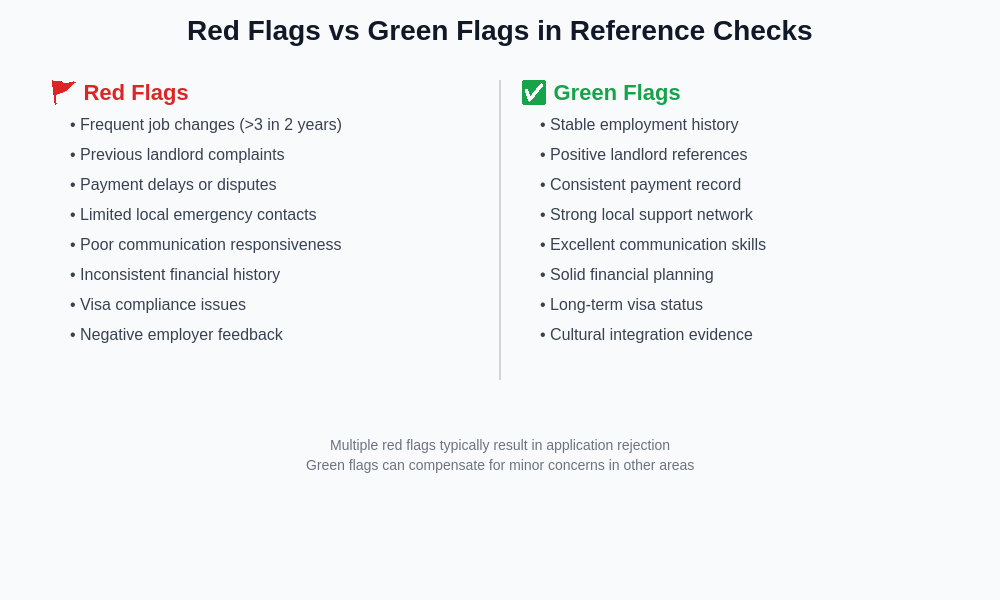
The comprehensive nature of reference checks for housing stability in Tokyo sharehouses reflects the high stakes involved in rental decisions for both property managers and prospective residents, with detailed evaluation processes designed to minimize risks while identifying applicants most likely to contribute positively to sharehouse communities and maintain successful long-term tenancies in Japan’s complex rental environment.
Disclaimer
This article is for informational purposes only and does not constitute professional legal or rental advice. Reference check procedures and evaluation criteria vary significantly between different sharehouse operators and may change based on market conditions and legal requirements. Readers should verify specific requirements with individual properties and consult with qualified professionals regarding their particular circumstances and application strategies.