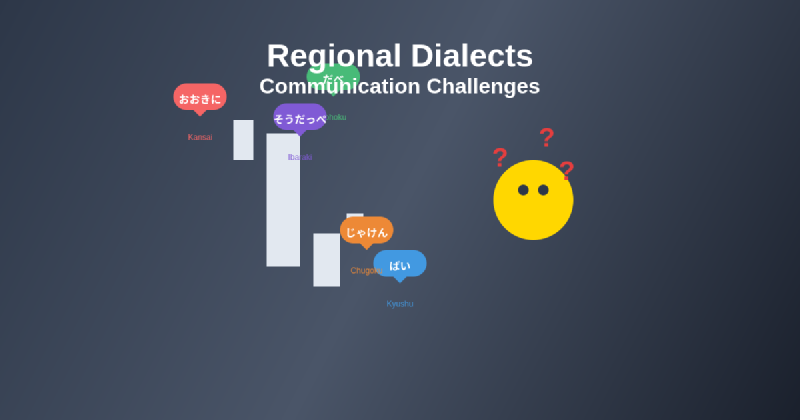
Living in a Tokyo sharehouse exposes international residents to a fascinating yet often bewildering aspect of Japanese culture that textbooks rarely prepare them for - the rich tapestry of regional dialects that fellow residents bring from their hometowns across Japan. These linguistic variations, known as “hogen” in Japanese, create unexpected communication barriers that can transform simple daily interactions into complex puzzles requiring patience, creativity, and cultural sensitivity to navigate successfully.
The challenge becomes particularly pronounced in Tokyo sharehouses where residents from Kansai, Kyushu, Tohoku, and other regions gather, each bringing their distinctive speech patterns, vocabulary, and cultural expressions that can leave even intermediate Japanese speakers feeling like complete beginners again. Understanding these dialectical differences represents a crucial aspect of successful sharehouse living that extends far beyond basic language comprehension into the realm of cultural appreciation and interpersonal relationship building.
The Hidden Complexity of Japanese Regional Variations
Japan’s geographical isolation and historical development created distinct regional linguistic identities that persist despite decades of standardization efforts through education and media. Each region maintains unique vocabulary, pronunciation patterns, grammatical structures, and cultural expressions that reflect local history, climate, and social customs in ways that profoundly impact daily communication dynamics within diverse sharehouse communities.
The Kansai dialect, spoken by residents from Osaka, Kyoto, and surrounding areas, represents perhaps the most recognizable regional variation for international residents due to its frequent appearance in popular media and entertainment. Living with Japanese roommates in Tokyo sharehouses often involves encounters with Kansai speakers whose animated expressions and distinctive intonation patterns can initially seem overwhelming to newcomers accustomed to standard Tokyo Japanese.
Kyushu dialects bring their own set of challenges with vocabulary items and sentence endings that can completely alter the meaning of seemingly familiar conversations. Residents from Fukuoka, Kumamoto, or Kagoshima may use words and expressions that sound like entirely different languages to those trained in standard Japanese, creating moments of genuine confusion that require diplomatic navigation to avoid misunderstandings or embarrassment.
Northern dialects from Tohoku regions introduce additional complexity through pronunciation variations that can make even common words unrecognizable to untrained ears. The historical influence of different cultural and linguistic developments in these regions created speech patterns that persist among younger generations despite educational standardization efforts.
Daily Communication Challenges in Mixed Dialect Environments
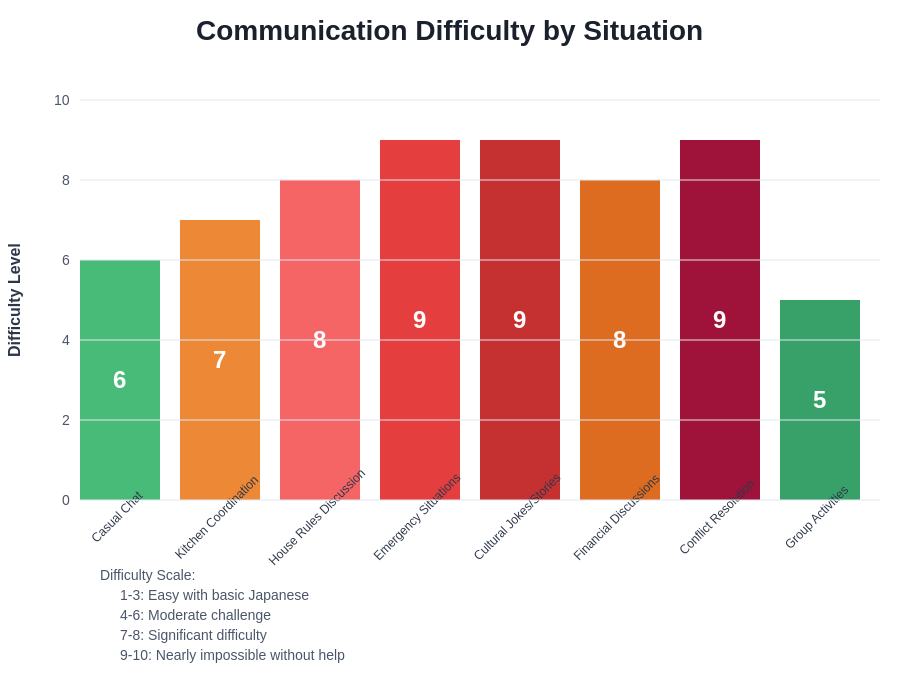
The practical implications of regional dialect variations become apparent in everyday sharehouse interactions where miscommunication can escalate from amusing misunderstandings to genuine interpersonal tension if not addressed with patience and cultural awareness. Simple requests for household supplies, discussions about cleaning schedules, or casual conversations about weekend plans can become complicated negotiations requiring clarification and repetition.
Kitchen interactions represent particularly challenging environments where regional cooking terminology, ingredient names, and preparation methods described in local dialects can leave international residents completely lost during group cooking sessions. Japanese sharehouse rules every foreigner should know become even more complex when explained using regional expressions that deviate significantly from textbook Japanese.
Emergency situations highlight the critical nature of dialect comprehension challenges when rapid communication becomes essential for safety or urgent problem resolution. Fire alarms, medical emergencies, or building maintenance issues require immediate understanding that cannot accommodate lengthy clarification processes or cultural sensitivity considerations that normally smooth over dialectical confusion.
Social gatherings and house meetings present ongoing challenges where multiple regional dialects intersect with varying levels of formality, cultural references, and communication styles that reflect diverse hometown backgrounds. Making friends through Tokyo sharehouse communities requires navigating these linguistic differences while building meaningful relationships that transcend communication barriers.
The Kansai Dialect Phenomenon in Tokyo Sharehouses
Kansai dialect speakers often represent the largest regional minority in Tokyo sharehouses, bringing distinctive linguistic characteristics that can dominate social dynamics through their expressive communication style and cultural confidence. The musical intonation patterns, unique vocabulary items, and grammatical structures of Kansai-ben create an immersive linguistic environment that can be both educational and overwhelming for international residents.
The cultural pride associated with Kansai identity means that speakers often maintain their regional speech patterns even after years of Tokyo residence, viewing their dialect as an essential aspect of personal and regional identity that connects them to hometown communities and cultural traditions. This linguistic loyalty creates consistent exposure to regional variations that international residents must learn to navigate rather than expecting gradual adaptation to standard Tokyo Japanese.
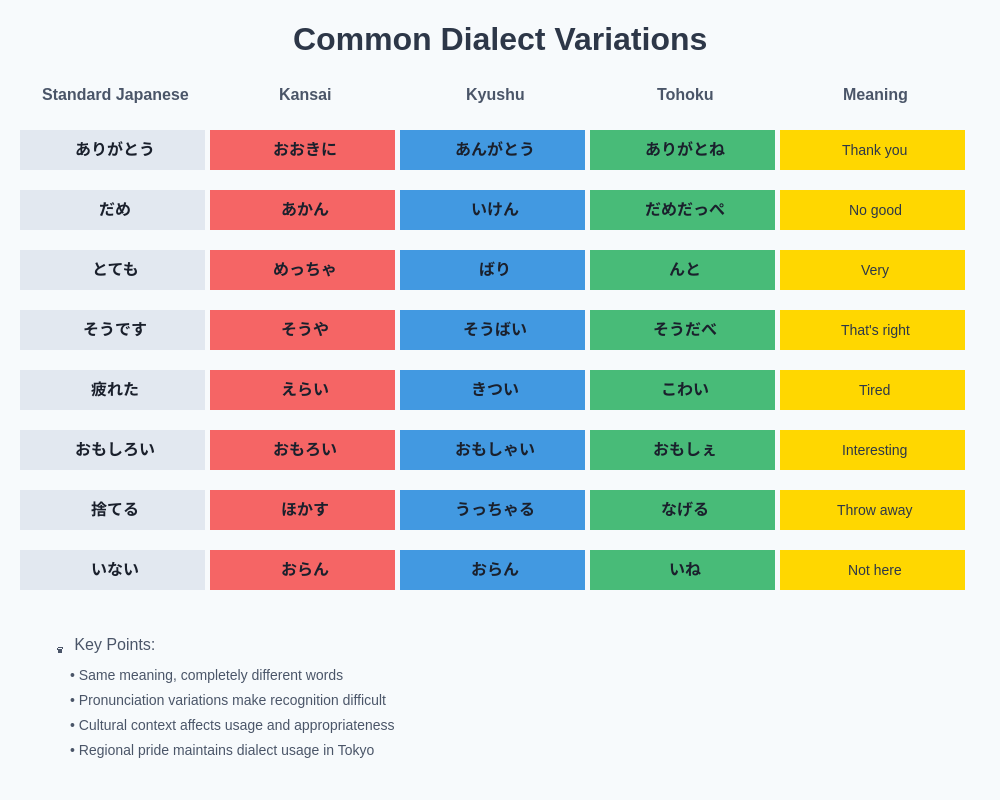
Common Kansai expressions such as “ookini” instead of “arigato,” “akan” instead of “dame,” and distinctive sentence endings like “ya” and “nen” create vocabulary substitutions that can completely change the apparent meaning of conversations for those unfamiliar with regional variations. How to handle roommate conflicts without moving out becomes more complex when conflicts arise from linguistic misunderstandings rather than genuine disagreements.
The humor and cultural references embedded in Kansai dialect often rely on regional knowledge, historical context, and cultural understanding that international residents lack, creating social situations where jokes, stories, and casual conversations become inaccessible despite adequate general Japanese language skills.
Navigating Kyushu and Regional Variations
Kyushu dialects present unique challenges through vocabulary items and grammatical structures that can seem like entirely different languages to those trained in standard Japanese or even other regional variations. The historical isolation of various Kyushu regions created distinct linguistic developments that persist among younger generations who bring these speech patterns to Tokyo sharehouses.
The honorific and humble speech patterns common in Kyushu regions often differ significantly from standard Tokyo usage, creating formal communication situations where international residents must navigate unfamiliar politeness levels and social protocols that reflect regional cultural values. Understanding these variations becomes essential for maintaining appropriate social relationships and avoiding inadvertent rudeness or cultural insensitivity.
Pronunciation variations in Kyushu dialects can make even common words unrecognizable, particularly when combined with rapid speech patterns and cultural references that assume shared regional knowledge. Real stories from Tokyo sharehouse residents frequently include tales of dialect-related misunderstandings that required weeks or months to resolve through patient communication and cultural learning.
Food-related vocabulary represents a particularly challenging area where Kyushu dialect speakers describe regional dishes, cooking methods, and ingredients using terms that may be completely unfamiliar to other residents. Group cooking activities and meal planning discussions can become complicated negotiations requiring extensive explanation and cultural exchange to achieve mutual understanding.
Impact on Social Dynamics and Relationship Building
Regional dialect differences create natural social groupings within sharehouses where speakers of similar dialects gravitate toward each other for easier communication and shared cultural understanding. These linguistic comfort zones can inadvertently exclude international residents and speakers of other regional varieties, creating social hierarchies based on communication accessibility rather than personality compatibility or shared interests.
The confidence levels of international residents can fluctuate dramatically based on their ability to understand and participate in conversations dominated by regional dialects, leading to periods of social withdrawal or communication avoidance that impact overall house harmony and personal language development goals. Dating while living in Tokyo sharehouses becomes more complex when romantic interests speak regional dialects that create additional communication barriers.
House meetings and group decision-making processes can become dominated by confident regional dialect speakers while international residents and those less familiar with specific variations find themselves marginalized from important discussions about living arrangements, house rules, and community activities. How to budget realistically for sharehouse living discussions become more challenging when financial terminology and cultural concepts are explained using regional expressions.
The development of inside jokes, cultural references, and shared experiences often occurs in regional dialects, creating layers of community bonding that can be difficult for international residents to access or appreciate fully. These linguistic barriers can persist for months or years, affecting long-term relationship building and cultural integration goals.
Strategies for Overcoming Dialect Barriers
Successful navigation of regional dialect challenges requires proactive learning strategies that go beyond standard Japanese education to embrace the cultural richness and linguistic diversity that regional variations represent. Approaching dialect differences with curiosity rather than frustration transforms communication challenges into opportunities for deeper cultural understanding and more meaningful relationships with fellow residents.
Creating informal language exchange opportunities within the sharehouse environment allows international residents to practice dialect comprehension while helping regional speakers improve their standard Japanese or English skills. These mutual learning arrangements build bridges across linguistic differences while fostering deeper cultural appreciation and friendship development that benefits entire house communities.
Technology resources including dialect dictionaries, regional phrase apps, and online learning materials can supplement direct exposure with structured learning opportunities that help international residents develop systematic understanding of common regional variations. Student sharehouses near top Tokyo universities often provide additional academic resources and language support that can be adapted for dialect learning purposes.
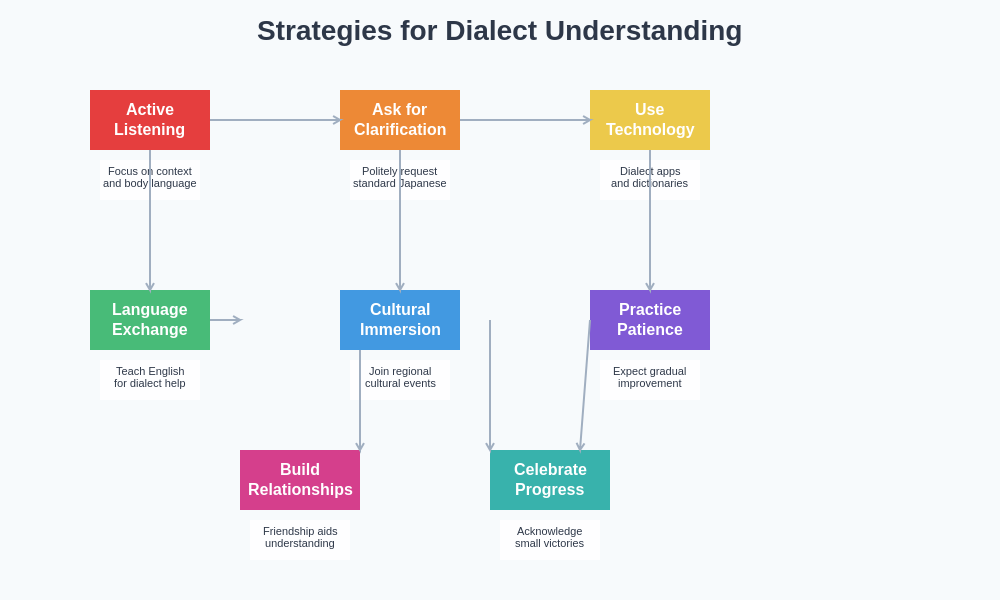
Participating in regional cultural activities, festivals, and social events provides immersive exposure to dialect usage in natural contexts while building cultural knowledge that enhances comprehension of regional expressions and cultural references. These experiences create shared memories and cultural understanding that strengthen relationships beyond language barriers.
Long-term Benefits of Dialect Exposure
The initial challenges of navigating regional dialects in sharehouse environments ultimately provide valuable linguistic and cultural education that enhances overall Japanese language skills and cultural competency in ways that traditional classroom learning cannot replicate. Exposure to multiple regional variations develops listening flexibility and cultural sensitivity that proves invaluable for future professional and personal interactions throughout Japan.
Understanding regional dialects opens doors to deeper cultural appreciation and authentic relationships with Japanese people from diverse backgrounds, creating networking opportunities and cultural insights that extend far beyond the sharehouse experience. How to find perfect sharehouse tokyo selection should consider the educational value of linguistic diversity as a positive aspect of community living.
The confidence gained through successfully navigating dialect differences translates into improved overall communication skills and cultural adaptability that serves international residents well in various professional and social contexts throughout their Japanese experience. These skills become particularly valuable for those planning long-term residence or career development in Japan where regional business relationships and cultural sensitivity can impact professional success.
Regional dialect comprehension demonstrates advanced cultural integration and linguistic sophistication that Japanese people appreciate and respect, often leading to deeper friendships and more authentic cultural experiences that enrich the overall living abroad experience in ways that standard language education cannot provide.
Building Cultural Bridges Through Language Diversity
The presence of multiple regional dialects within sharehouse communities creates unique opportunities for cultural education and appreciation that benefit both international residents and Japanese speakers from different regions. These linguistic encounters facilitate cultural exchange that goes beyond language learning to encompass regional customs, food traditions, historical knowledge, and social practices that enrich everyone’s understanding of Japan’s cultural diversity.
International residents often serve as neutral facilitators in regional dialect interactions, helping speakers from different regions understand each other while learning from both sides of dialectical differences. This mediating role creates valuable social positions within house communities while developing advanced cultural and linguistic skills that prove beneficial for long-term Japanese residence and professional development.
The shared experience of navigating dialect differences often becomes a bonding element within sharehouse communities, creating common challenges and learning opportunities that bring residents together despite initial communication barriers. Understanding utility bills in japanese sharehouses and other practical matters become collaborative learning experiences that strengthen community relationships.
Group activities designed around regional culture sharing, such as cooking traditional dishes, teaching regional songs, or explaining local festivals, transform dialect differences from obstacles into celebration opportunities that enhance house harmony and cultural appreciation. These activities create positive associations with linguistic diversity while building practical comprehension skills in relaxed, supportive environments.
The journey of mastering regional dialect comprehension in Tokyo sharehouses represents a unique cultural immersion experience that provides linguistic skills, cultural knowledge, and personal growth opportunities unavailable through traditional language education or standard accommodation arrangements. Embracing these challenges with patience, curiosity, and cultural sensitivity transforms initial frustrations into valuable life skills and meaningful relationships that enrich the entire Japanese living experience.
Understanding regional dialects requires time, patience, and cultural sensitivity, but the rewards include deeper cultural integration, stronger friendships, and enhanced communication skills that serve international residents well throughout their Japanese journey. The complexity of regional variations reflects the rich cultural heritage of Japan and offers international residents unique insights into the diversity and depth of Japanese society beyond the standardized image often presented to foreign visitors.
Disclaimer
This article is for informational purposes only and reflects general observations about regional dialect challenges in sharehouse environments. Individual experiences may vary significantly based on personal language skills, cultural background, and specific house demographics. The effectiveness of suggested strategies depends on individual circumstances, motivation levels, and community dynamics. Readers should approach dialect learning with patience and cultural sensitivity while recognizing that linguistic diversity represents an enriching aspect of Japanese cultural experience.