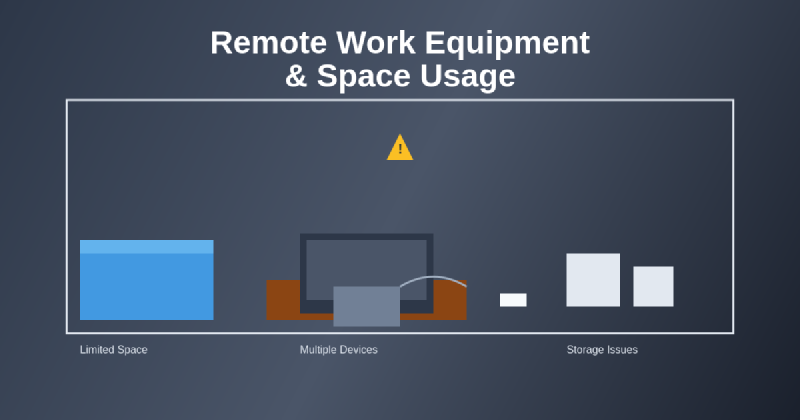
The proliferation of remote work has fundamentally transformed how residents utilize space within Tokyo sharehouses, creating unprecedented challenges and opportunities for optimizing living environments that must simultaneously serve as bedrooms, offices, and social spaces. The integration of professional equipment into traditionally compact Japanese living quarters requires careful consideration of spatial dynamics, storage solutions, and the delicate balance between personal productivity needs and community harmony that defines successful sharehouse experiences.
Understanding how remote work equipment impacts space usage becomes crucial for both current residents seeking to optimize their working conditions and prospective sharehousse seekers evaluating whether particular properties can accommodate their professional requirements. The spatial demands of modern remote work extend far beyond simply finding room for a laptop, encompassing complex considerations including ergonomic furniture, multiple monitors, professional lighting, audio equipment, and the infrastructure necessary to support reliable connectivity and productivity throughout extended working sessions.
The Evolution of Space Requirements in Remote Work
Remote work equipment has evolved dramatically from the simple laptop-and-phone combinations of early telecommuting to sophisticated multi-monitor setups, professional cameras, lighting systems, and specialized furniture that rival traditional office environments in both functionality and spatial requirements. Understanding how remote work isnt always possible from sharehouses highlights the fundamental challenges that arise when professional equipment needs collide with the spatial limitations inherent in shared living arrangements.
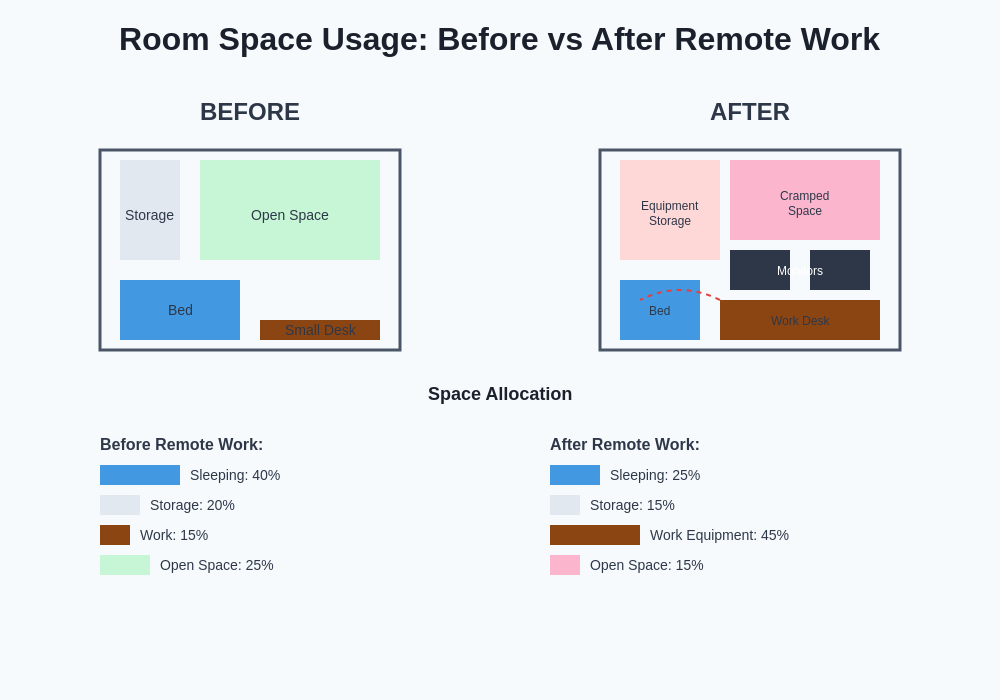
The physical footprint of contemporary remote work equipment often exceeds the available space in standard sharehouse rooms, forcing residents to make difficult choices between professional effectiveness and living comfort. A typical professional setup might include a standing desk, ergonomic chair, dual monitor configuration, external keyboard and mouse, webcam, microphone, ring light, document camera, printer, and various cables and accessories that collectively require significantly more space than most sharehouse rooms were designed to accommodate.
The temporal aspects of space usage further complicate equipment management, as residents must transition their rooms between working and living configurations multiple times daily. This constant reconfiguration creates wear on both equipment and living spaces while introducing stress and inefficiency into daily routines that can significantly impact both work performance and quality of life in shared living environments.
Storage Challenges and Equipment Management
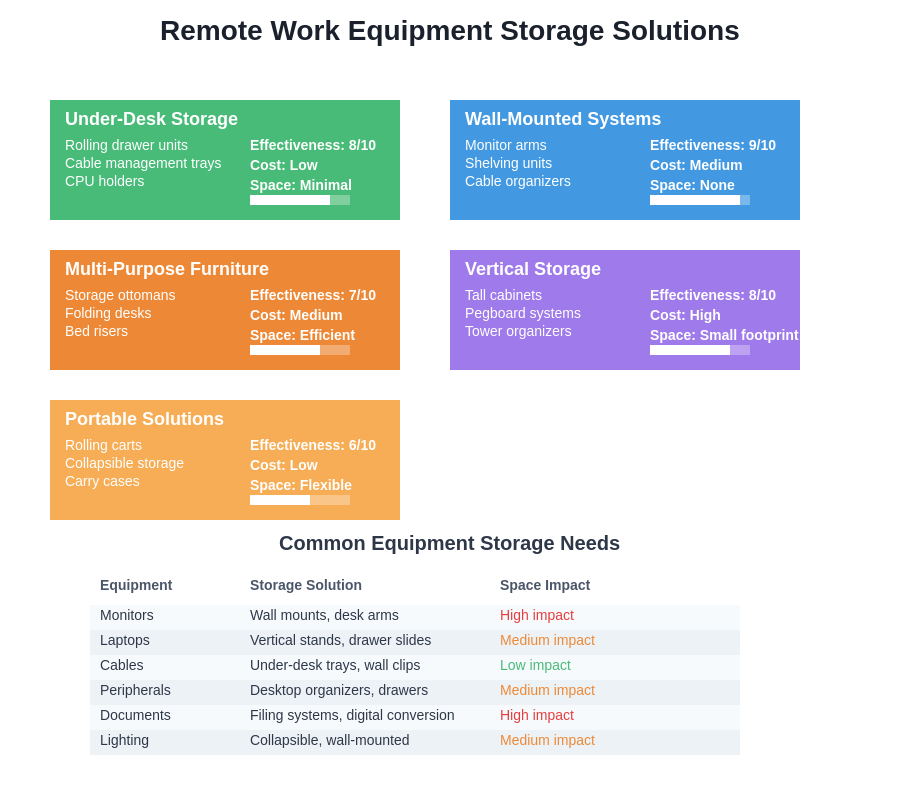
The storage requirements for remote work equipment present ongoing challenges that extend beyond simple spatial considerations to encompass security, accessibility, organization, and preservation concerns that affect both individual productivity and household dynamics. Professional equipment often requires climate-controlled storage conditions, secure access controls, and organized systems that prevent damage while ensuring rapid deployment when needed for work activities.
Shared storage solutions in common areas create additional complications around equipment security, access scheduling, and community agreements regarding space allocation that can strain relationships and create ongoing friction within sharehouse communities. How limited storage forces you to live minimally explores how space constraints affect lifestyle choices and equipment ownership decisions that remote workers must navigate carefully.
The diversity of equipment types and sizes across different professions creates particular challenges in sharehouses with residents from various industries, as software developers might require multiple large monitors while graphic designers need specialized tablets and styluses, content creators require camera and lighting equipment, and consultants need portable presentation systems that each demand different storage and setup approaches.
Seasonal equipment rotation adds another layer of complexity, as items like portable heaters, fans, humidifiers, and air purifiers that support comfortable working conditions must be stored when not in use while remaining accessible for deployment during appropriate weather conditions that can change rapidly in Tokyo’s varied climate patterns.
Impact on Common Area Dynamics
Remote work equipment usage significantly affects common area dynamics within sharehouses, as residents increasingly utilize shared spaces for work activities that require more room than their private quarters can accommodate. Kitchen tables become makeshift conference rooms, living areas transform into presentation spaces, and balconies serve as quiet zones for phone calls, creating scheduling conflicts and usage competition that requires careful coordination and community agreements.
The acoustic implications of remote work equipment usage in common areas create particular challenges, as video calls, keyboard typing, fan noise from equipment, and printer operations can disrupt other residents’ activities and create tension around noise levels and appropriate usage times. How video calling affects shared bandwidth examines how increased internet usage during work hours impacts overall connectivity for all residents.
Professional meetings conducted in common areas raise privacy and confidentiality concerns that can conflict with the open, social nature of sharehouse communities, requiring residents to navigate professional obligations while maintaining appropriate boundaries and respect for shared spaces that serve multiple purposes throughout the day.
The presence of valuable equipment in common areas creates security considerations that extend beyond simple theft prevention to include accidental damage, inappropriate usage by other residents, and liability questions that can complicate insurance coverage and replacement responsibilities when equipment problems occur during shared usage scenarios.
Electrical Infrastructure and Power Management
The electrical demands of modern remote work equipment often exceed the capacity of older sharehouse buildings, creating infrastructure challenges that affect both individual productivity and building safety through overloaded circuits, inadequate grounding, and insufficient outlet availability that force residents to rely on extension cords and power strips that may violate building regulations or create fire hazards.
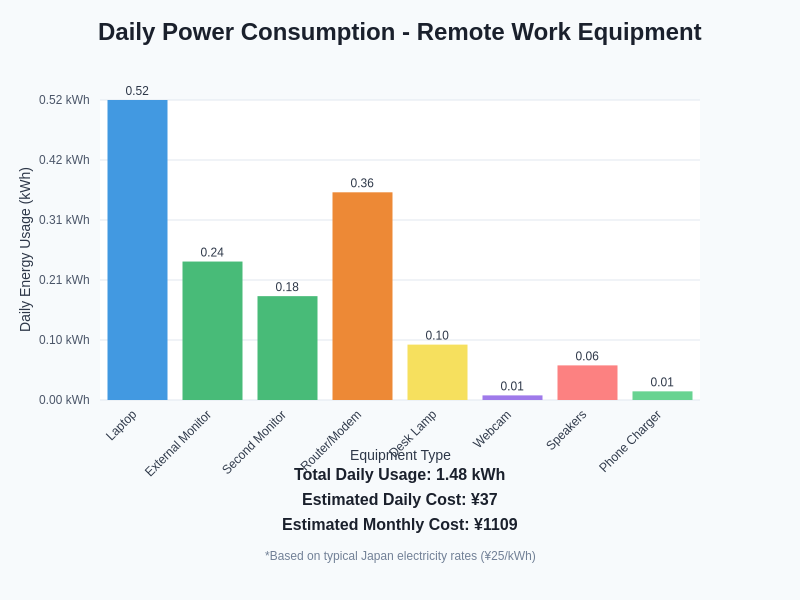
Power consumption from multiple high-performance laptops, monitors, lighting systems, and climate control equipment can significantly increase utility costs that may not be adequately reflected in standard rent structures, creating potential disputes over fair cost allocation and usage monitoring that require careful negotiation and transparent accounting systems to maintain community harmony.
The timing of peak power usage often coincides across multiple residents during standard business hours, creating load balancing challenges that can result in circuit breakers tripping, voltage fluctuations that damage sensitive equipment, and overall electrical system stress that may require professional intervention and building upgrades to support modern remote work requirements effectively.
Backup power solutions for critical work equipment add additional spatial and cost considerations, as uninterruptible power supplies, portable batteries, and emergency charging systems require storage space and regular maintenance while providing essential protection for professional activities that cannot afford interruption during power outages or electrical system failures.
Internet Connectivity and Network Equipment
Professional remote work demands often require network equipment upgrades that extend beyond basic internet service to include dedicated routers, network switches, Wi-Fi extenders, and ethernet connections that consume physical space while requiring technical configuration and ongoing maintenance that may exceed the technical comfort levels of typical sharehouse residents.
How device limits cause internet connection issues highlights how multiple residents with professional equipment needs can overwhelm shared internet infrastructure, requiring careful bandwidth management and potentially expensive service upgrades that affect overall housing costs and usage policies.
The placement of network equipment for optimal coverage and performance often conflicts with aesthetic preferences and space usage requirements in common areas, creating visual clutter and potential interference with other activities while requiring cable management systems that may not align with existing décor or furniture arrangements.
Security considerations for professional network access require additional equipment such as VPN routers, firewalls, and network monitoring systems that add complexity and space requirements while potentially creating conflicts with other residents’ connectivity needs and preferences for simplified, plug-and-play internet solutions.
Ergonomic Furniture and Workspace Design
Professional ergonomic requirements often conflict with the compact, multipurpose furniture typical in sharehouse environments, forcing residents to choose between health and comfort considerations and spatial efficiency that can lead to both immediate discomfort and long-term health consequences from prolonged poor posture and inadequate workspace design.
Height-adjustable desks, ergonomic chairs, monitor arms, and footrests that support healthy working postures require significantly more space than traditional furniture while often conflicting with room layouts optimized for sleeping and storage rather than extended work sessions that demand proper ergonomic support for productivity and health maintenance.
The aesthetic integration of professional furniture with existing room décor creates visual and spatial challenges, as ergonomic equipment often features industrial designs and color schemes that clash with residential environments while requiring floor space and clearance areas that may compromise other room functions.
Multi-functional furniture solutions that serve both work and living purposes require careful selection and often command premium prices while providing compromised functionality in both roles, forcing residents to balance cost, space efficiency, and performance across multiple usage scenarios that may not align perfectly with available options.
Technology Integration and Cable Management
The complexity of modern remote work setups creates extensive cable management challenges in compact living spaces, as power cables, data connections, video cables, and audio connections create tangled messes that compromise both functionality and safety while contributing to visual clutter that affects overall living environment quality.
How smart home features change daily routines explores how technology integration affects living patterns, but the addition of professional equipment creates additional complexity that requires systematic organization and management approaches to maintain both efficiency and safety in constrained spaces.
The integration of multiple devices requiring different connection types, power requirements, and configuration settings creates technical complexity that can overwhelm residents without strong technical backgrounds while requiring ongoing maintenance and troubleshooting that may interfere with both work productivity and living comfort.
Wireless technology adoption helps reduce cable requirements but introduces new challenges around signal interference, battery management, device pairing, and connectivity reliability that can create different but equally frustrating technical problems that affect professional performance and daily convenience.
Professional Lighting and Audio Equipment
Professional video conferencing and content creation requirements often demand specialized lighting equipment that consumes significant space while requiring precise positioning and power connections that may not align with existing room layouts or electrical infrastructure, creating ongoing setup and storage challenges that affect both work quality and living space functionality.
Audio equipment for professional calls, recording, and music production adds spatial requirements and acoustic considerations that can conflict with shared living arrangements, as soundproofing, microphone positioning, and speaker placement often require room modifications that may not be permitted or practical in rental situations with other residents nearby.
The timing of professional lighting and audio usage can create conflicts with other residents’ schedules and activities, as bright lights during evening video calls or audio equipment usage during early morning meetings may disturb neighbors and require careful coordination and consideration that balances professional needs with community harmony.
Storage and transport requirements for professional lighting and audio equipment add complexity to daily routines and travel planning, as valuable and fragile equipment requires secure storage and careful handling while maintaining accessibility for regular professional use that may change daily based on meeting schedules and project requirements.
Climate Control and Environmental Factors
Professional equipment generates significant heat that can overwhelm existing climate control systems in compact sharehouse rooms, requiring additional cooling solutions that consume space and energy while potentially creating noise and airflow issues that affect both work comfort and sleeping quality throughout different seasons and usage patterns.
How climate control preferences create conflicts examines how different temperature and humidity preferences can create household tensions, but professional equipment adds additional variables that require careful management to maintain both equipment performance and human comfort across varying weather conditions.
Air quality considerations become more critical with extended indoor work sessions and heat-generating equipment, requiring air purification systems, humidity control, and ventilation management that consume additional space and energy while requiring ongoing maintenance and filter replacement that adds to monthly living costs.
Seasonal variations in climate control needs create storage challenges for equipment like portable heaters, fans, dehumidifiers, and air purifiers that may be essential during certain months but require secure storage during off-seasons while remaining accessible for deployment when weather conditions change rapidly.
Future Adaptations and Spatial Solutions
The continuing evolution of remote work technology and practices requires sharehouse communities to develop adaptive solutions that balance individual professional needs with collective living harmony through innovative space usage, equipment sharing, and community agreements that accommodate changing work patterns and technology requirements.
How to find perfect sharehouse tokyo provides guidance for selecting properties that can accommodate remote work needs, but existing residents must develop creative solutions for optimizing their current spaces through furniture selection, storage organization, and usage scheduling that maximizes both professional effectiveness and living quality.
Emerging technologies such as foldable monitors, wireless charging, cloud computing, and miniaturized equipment offer potential solutions for space constraints, but adoption requires careful evaluation of performance trade-offs, cost considerations, and compatibility with existing systems that may not justify immediate replacement of functional equipment.
Community-based solutions including shared equipment pools, rotating workspace usage, common area scheduling systems, and cooperative purchasing arrangements can help distribute costs and space requirements while building stronger relationships and more efficient resource utilization across sharehouse communities that face similar challenges and opportunities.
The ongoing transformation of work patterns, technology capabilities, and living preferences will continue to reshape how remote work equipment affects space usage in sharehouses, requiring ongoing adaptation and innovation from both residents and property managers to create sustainable solutions that support both professional success and quality living experiences in Japan’s dynamic urban environment.
Disclaimer
This article is for informational purposes only and does not constitute professional advice regarding workplace ergonomics, electrical safety, or lease agreements. Remote work equipment requirements vary significantly by profession and individual needs. Readers should consult with property managers, electrical professionals, and ergonomic specialists when making significant changes to their living and working spaces. Equipment safety and building code compliance remain the responsibility of individual residents.