The reality of academic life in Tokyo sharehouses presents unique challenges when graduate students and researchers require specialized equipment that exceeds the storage capacity of their private rooms. This situation creates complex dynamics between personal academic needs and shared living spaces, forcing residents to navigate delicate negotiations about space usage, equipment security, and community harmony while pursuing their educational and research goals.
Research equipment storage in shared living environments represents more than a simple space management issue; it reflects the broader challenges faced by international students and academics who must balance their professional requirements with respectful community living. Understanding these dynamics helps both researchers and their housemates develop workable solutions that support academic success while maintaining positive relationships and shared space functionality.
The Scale and Scope of Academic Equipment Needs
Graduate students and researchers often underestimate the physical space requirements of their academic work until they attempt to establish functional study and research areas within sharehouse limitations. Laboratory equipment, reference libraries, computer hardware, measurement instruments, and specialized tools can quickly overwhelm private room capacity, pushing essential academic materials into common areas where they create ongoing tensions with other residents.
The diversity of research fields represented in Tokyo sharehouses means equipment needs vary dramatically, from psychology students requiring interview recording setups to engineering researchers needing circuit testing equipment. Student sharehouses near top Tokyo universities often experience higher concentrations of such equipment conflicts due to the academic focus of their resident populations.
Seasonal fluctuations in research activity create additional complications, as thesis writing periods, conference preparation phases, and data collection cycles can temporarily multiply equipment requirements beyond normal storage capabilities. International students may also import specialized equipment unavailable in Japan, creating additional storage and usage challenges that domestic students might not face.
The financial investment in research equipment often makes secure storage a critical concern, as damaged or stolen instruments can represent thousands of dollars in replacement costs that exceed most student budgets. This economic pressure intensifies conflicts over common area usage, as researchers prioritize equipment protection while other residents seek unobstructed access to shared spaces.
Common Area Transformation and Usage Patterns
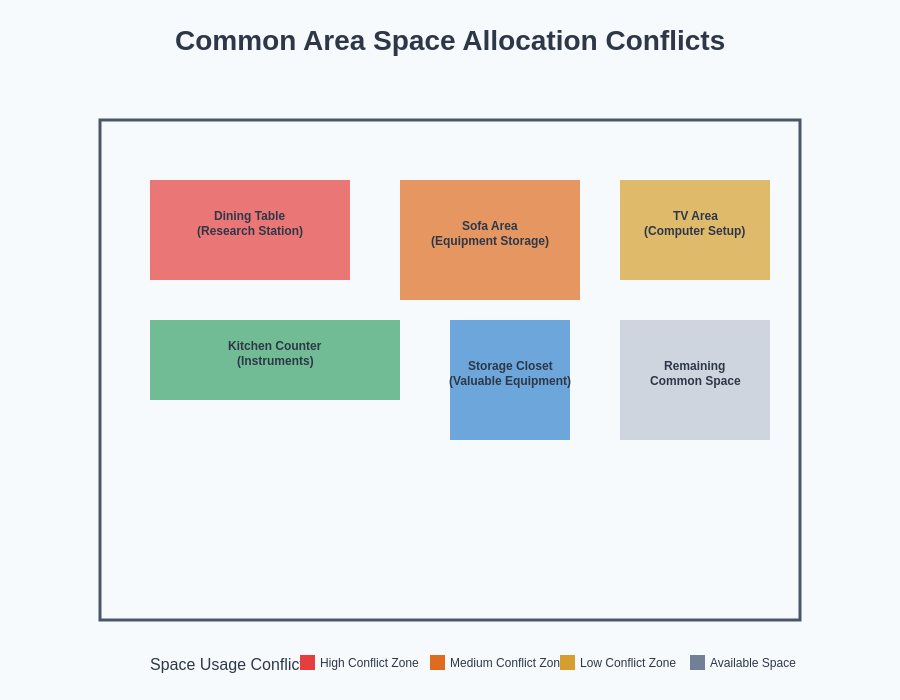
Dining rooms frequently become de facto research laboratories when kitchen tables provide the only surfaces large enough for equipment setup and data analysis work. How to find the perfect sharehouse in Tokyo becomes particularly challenging for academics who need to assess common area suitability for their equipment requirements during the selection process.
Living rooms transform into temporary libraries and computer labs as researchers spread reference materials, multiple monitors, and processing equipment across available surfaces. The gradual encroachment of academic materials often occurs unconsciously, with small equipment additions eventually creating significant space restrictions that affect other residents’ daily activities and relaxation opportunities.
Storage closets and utility areas become contested territories as researchers seek secure locations for valuable instruments while other residents require access for household supplies and personal belongings. Japanese sharehouse rules every foreigner should know rarely address research equipment specifically, leaving residents to negotiate informal agreements about space allocation and usage priorities.
The temporal aspects of research work create additional complications, as late-night data collection, early morning equipment calibration, and irregular work schedules can conflict with other residents’ sleep and relaxation patterns. Equipment that generates noise, heat, or requires dedicated electrical circuits further restricts placement options and increases potential for interpersonal conflicts.
Impact on Household Dynamics and Relationships
Equipment proliferation in common areas fundamentally alters social dynamics within sharehouses, as casual gathering spaces become associated with academic work rather than communal relaxation and interaction. Making friends through Tokyo sharehouse communities becomes more challenging when research equipment dominates shared spaces and creates barriers to spontaneous social interactions.
Non-academic residents often develop resentment toward researchers whose equipment restricts their access to common areas, particularly when expensive instruments require careful handling or create “do not touch” zones that limit normal household activities. The gradual transformation of shared spaces into quasi-private research areas can generate feelings of exclusion and unfairness among residents who lack similar space requirements.
Cultural differences in personal space boundaries and shared resource usage can exacerbate equipment-related tensions, as international residents may have varying expectations about common area usage rights and responsibilities. Living with Japanese roommates in Tokyo sharehouses requires particular sensitivity to space usage norms and collective decision-making processes.
Research deadlines and academic pressures can intensify conflicts over space usage, as stressed students become less flexible about equipment access and storage arrangements. The temporary nature of many research projects creates ongoing uncertainty about space allocation, making long-term solutions difficult to establish and maintain effectively.
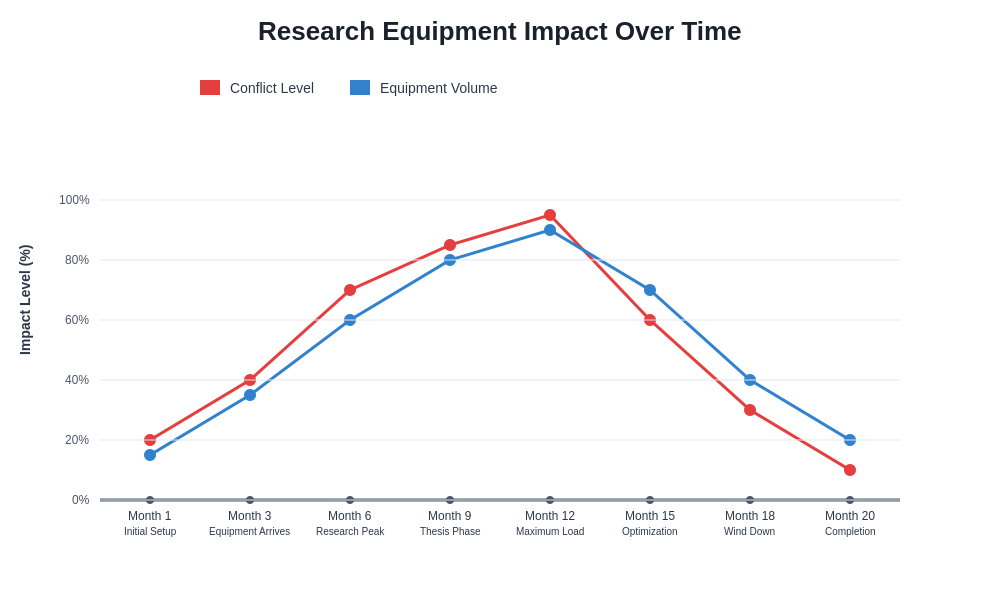
This timeline demonstrates how equipment conflicts escalate throughout academic programs, typically peaking during thesis phases when space requirements reach maximum levels while stress and time pressures intensify interpersonal tensions.
Security and Liability Concerns
Valuable research equipment in common areas creates security vulnerabilities that extend beyond simple theft concerns to include accidental damage, unauthorized usage, and liability questions when equipment malfunctions or causes injuries. Why security deposits dont cover theft losses becomes particularly relevant when expensive academic instruments exceed standard coverage limits.
Insurance complications arise when personal research equipment stored in common areas suffers damage or causes property damage, as standard renter’s insurance policies may not cover academic instruments or their usage in shared spaces. Researchers often discover these coverage gaps only after equipment damage occurs, creating significant financial and academic setbacks.
Access control becomes problematic when multiple residents require passage through areas containing sensitive equipment, as researchers cannot monitor their instruments continuously while other residents need normal access to shared facilities. The installation of security cameras or locks in common areas often violates sharehouse policies and creates additional interpersonal tensions.
Equipment calibration and maintenance requirements may necessitate professional service visits that disrupt household routines and potentially compromise other residents’ privacy and security. How to handle roommate conflicts without moving out becomes essential knowledge when equipment-related issues threaten community harmony and individual academic progress.
Space Optimization and Storage Solutions
Creative storage solutions often emerge from necessity as researchers and their housemates collaborate to maximize space efficiency while accommodating equipment requirements. Vertical storage systems, modular shelving units, and multi-purpose furniture can help contain research materials while preserving common area functionality for other residents.
Rotation schedules for equipment usage can allow multiple researchers to share limited space while ensuring all residents maintain reasonable access to common areas. Time-based agreements often work better than permanent space allocation, as research needs fluctuate with academic calendars and project requirements.
Designated research zones within common areas can provide compromise solutions that acknowledge academic needs while preserving social spaces for general household use. Best Tokyo neighborhoods for sharehouse living often feature properties with dedicated study areas that can better accommodate equipment requirements.
Investment in professional storage solutions, shared between multiple researchers, can provide secure and organized equipment storage that minimizes common area disruption while protecting valuable instruments. Collaborative purchasing of storage furniture and security systems often proves more cost-effective than individual solutions.
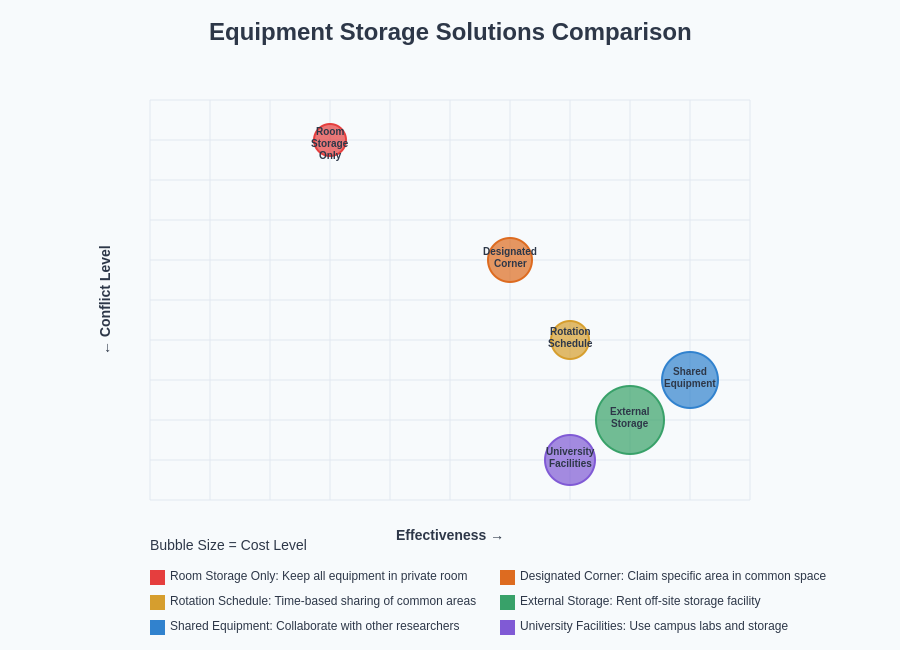
This comparison illustrates the trade-offs between different storage approaches, balancing cost considerations with effectiveness and conflict reduction potential. External storage and shared equipment arrangements typically offer the best outcomes despite higher initial investments.
Communication and Negotiation Strategies
Proactive communication about equipment needs during the initial move-in period can prevent conflicts and establish clear expectations about space usage and storage arrangements. Real stories from Tokyo sharehouse residents often highlight successful negotiation strategies that balance individual needs with community harmony.
Regular household meetings specifically addressing space usage and equipment storage can provide ongoing forums for discussing changing research needs and adjusting agreements as residents’ academic requirements evolve. Formal agreements about equipment placement, usage times, and maintenance responsibilities help prevent misunderstandings and provide reference points for resolving disputes.
Compensation arrangements, where researchers contribute additional funds toward household improvements or utility costs in exchange for equipment storage privileges, can create win-win solutions that benefit all residents while addressing space usage inequities.
Education about research equipment purposes and safety requirements can help non-academic residents develop appreciation for equipment needs while ensuring proper handling and safety protocols when sharing spaces with specialized instruments.
Alternative Solutions and External Resources
University facilities often provide equipment storage and usage spaces that can reduce sharehouse storage requirements, though access limitations and transportation challenges may restrict their practical utility for daily research needs. How to calculate your true living costs should include potential external storage fees and transportation costs for equipment management.
Commercial storage facilities specializing in sensitive equipment can provide climate-controlled, secure storage options for valuable instruments that require professional-grade protection but are used infrequently. The monthly costs of external storage often prove more economical than the interpersonal costs of common area conflicts.
Collaborative research spaces and maker spaces throughout Tokyo offer equipment access and storage options that can reduce individual storage requirements while providing access to additional tools and resources. English-speaking sharehouses in Tokyo for foreigners may have residents who can share information about local research facility access.
Equipment sharing networks among academic residents can reduce individual storage requirements while building collaborative relationships that enhance research capabilities. Digital platforms for coordinating equipment sharing and storage arrangements can facilitate these collaborative approaches effectively.
Long-term Planning and Academic Transitions
Research equipment needs evolve throughout academic programs, requiring flexible storage solutions that can accommodate changing requirements as students progress through coursework, thesis research, and dissertation phases. Why career advancement may require moving out often applies to researchers whose equipment needs exceed sharehouse capacity limitations.
Graduation and program completion create equipment disposal and transfer challenges that require advance planning to avoid last-minute storage crises and potential conflicts with incoming residents. International students face particular challenges when deciding whether to ship equipment home or sell it locally.
The development of portable and compact research solutions throughout academic programs can reduce storage requirements while maintaining research capabilities, as students learn to optimize their equipment selections for shared living environments.
Building relationships with senior students and recent graduates can provide valuable insights into equipment management strategies and access to used equipment markets that make sharehouse living more compatible with research requirements.
Building Community Around Academic Pursuits
Research equipment presence in common areas can become catalysts for intellectual exchange and collaborative learning when approached positively by all residents. How academic networking happens in sharehouses often develops around shared equipment and research discussions that emerge from common area interactions.
Educational demonstrations and informal presentations about research equipment can build community interest and understanding while ensuring proper equipment handling by all residents. These educational approaches often transform potential conflicts into opportunities for intellectual engagement and mutual learning.
Collaborative research projects utilizing shared equipment can create positive dynamics that benefit multiple residents while maximizing equipment utility and justifying common area usage. International collaboration opportunities often emerge from diverse academic backgrounds within sharehouse communities.
The establishment of academic support networks within sharehouses can create environments where equipment sharing and space negotiation become part of broader educational collaboration rather than sources of conflict and tension.
Research equipment in sharehouse common areas represents a complex intersection of personal academic needs, community living requirements, and practical space management challenges that require ongoing negotiation, creative solutions, and mutual understanding among all residents. Success in managing these challenges often determines both academic progress and residential satisfaction for students pursuing advanced degrees in Tokyo’s competitive academic environment.
Disclaimer
This article is for informational purposes only and does not constitute professional advice regarding equipment storage, insurance coverage, or residential agreements. Research equipment storage requirements vary significantly by field and institution, and residents should consult their universities and sharehouse operators about specific policies and requirements. Individual circumstances may require different approaches to space management and community living arrangements.