The pursuit of academic excellence through research projects demands an environment conducive to deep concentration, analytical thinking, and sustained intellectual effort. For researchers living in Tokyo sharehouses, the challenge of securing adequate quiet spaces becomes a daily struggle that can significantly impact productivity, mental well-being, and ultimately the quality of their scholarly work. Understanding how noise pollution, social dynamics, and spatial limitations affect research output is essential for anyone considering sharehouse living while engaged in serious academic pursuits.
The complexity of modern research projects extends far beyond simple reading and writing tasks, encompassing data analysis, video conferences with international collaborators, detailed note-taking sessions, and creative thinking processes that require uninterrupted mental flow states. Living with Japanese roommates in Tokyo sharehouses presents unique cultural considerations for academic residents who must balance research demands with community living expectations and social harmony within their shared accommodation.
Understanding the Academic Workspace Requirements
Research projects across disciplines share fundamental requirements for environmental conditions that support sustained cognitive performance and creative intellectual work. The human brain’s capacity for complex analytical thinking diminishes significantly in environments characterized by unpredictable noise fluctuations, social interruptions, and spatial constraints that prevent proper organization of research materials and equipment.
Academic work involves multiple phases that each demand different types of environmental support, from intensive reading sessions requiring absolute silence to collaborative video conferences needing acoustic isolation from housemates. How to find the perfect sharehouse in Tokyo becomes particularly crucial for researchers who must evaluate potential living situations based on their specific academic workspace needs rather than general comfort preferences.
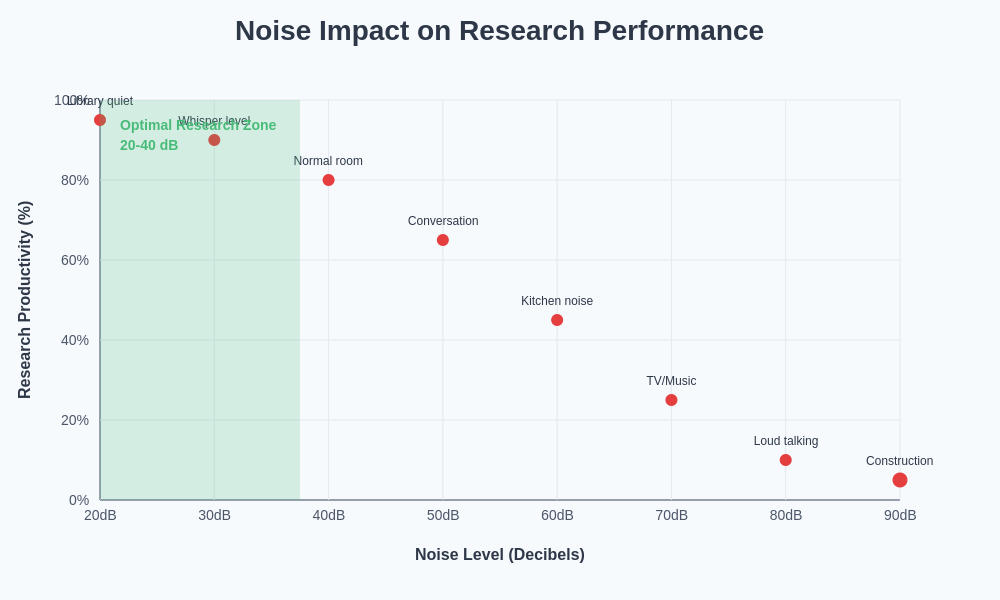
The cognitive load associated with filtering out ambient noise while attempting to process complex information creates mental fatigue that accumulates throughout the day, reducing overall research productivity and increasing the time required to complete projects. Research has demonstrated that consistent exposure to noise pollution above certain decibel levels can impair memory consolidation, creative problem-solving abilities, and the capacity for sustained attention that forms the foundation of quality academic work.
Professional researchers and graduate students require access to specialized equipment, multiple monitors, reference materials, and storage systems that must be accommodated within their living spaces. The spatial requirements for serious academic work often exceed what typical sharehouse rooms can provide, forcing residents to make compromises that affect their research efficiency and professional development opportunities.
Noise Pollution Impact on Research Performance
The relationship between ambient noise levels and cognitive performance has been extensively studied across multiple academic disciplines, consistently demonstrating that research productivity decreases dramatically when noise exceeds optimal thresholds. Tokyo sharehouses present particularly challenging acoustic environments due to thin walls, shared common areas, and the diverse daily schedules of international residents from different cultural backgrounds with varying noise tolerance levels.
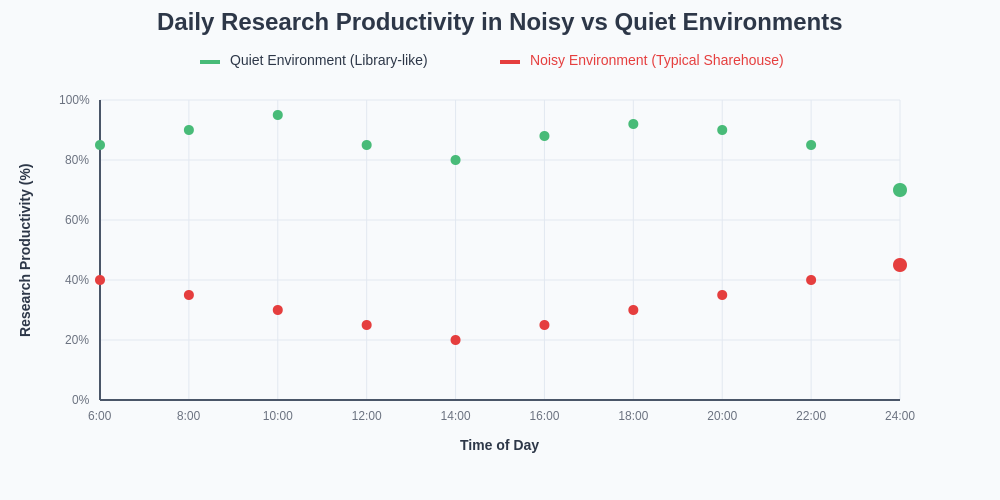
Intermittent noise sources prove especially disruptive to research activities because they require constant attention switching between the academic task and environmental monitoring for potential interruptions. Kitchen politics actually work in Japanese sharehouses often generate unpredictable noise patterns during meal preparation times that can completely derail focused research sessions spanning several hours.
The psychological stress associated with anticipating noise interruptions can be as detrimental to research productivity as actual noise events, creating a state of heightened vigilance that prevents the deep mental engagement necessary for complex analytical thinking. Researchers living in sharehouses frequently report difficulty achieving flow states essential for creative problem-solving and innovative thinking processes.
Different types of research activities demonstrate varying sensitivity to noise disruption, with tasks requiring extensive reading and writing showing the highest vulnerability to acoustic interference. How academic deadlines affect house mood illustrates how research pressure periods can compound noise-related stress and create tensions between academic residents and their more socially-oriented housemates.
Spatial Limitations and Research Organization
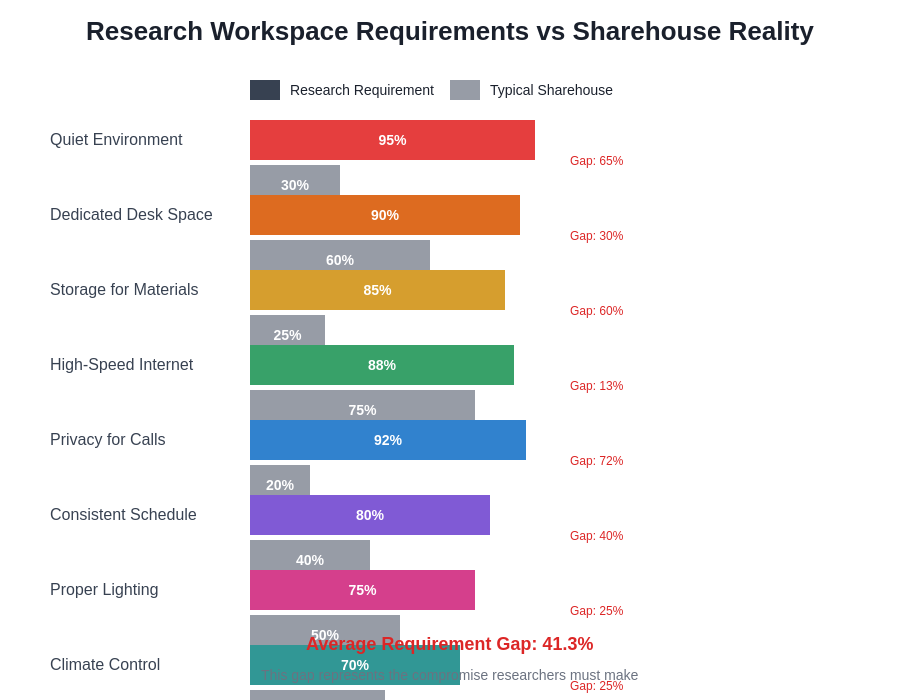
Effective research organization requires adequate space for physical materials, digital equipment, and the mental organization systems that support complex project management over extended time periods. Most Tokyo sharehouse rooms lack sufficient surface area, storage capacity, and lighting quality necessary for serious academic work, forcing researchers to develop creative solutions that often compromise their productivity and professional standards.
The need for multiple monitor setups, specialized software, high-speed internet connections, and proper ergonomic furniture creates additional challenges in small living spaces shared with individuals who may not understand or accommodate these professional requirements. How remote work equipment affects space usage becomes particularly relevant for researchers who must balance personal living needs with professional workspace demands within severely limited square footage.
Research materials accumulation presents ongoing storage challenges that affect both personal organization and community relationships within sharehouses where common areas must be kept clear and private spaces remain minimal. Books, documents, laboratory equipment, and specialized tools required for various research disciplines quickly overwhelm small rooms, creating cluttered environments that further impede cognitive performance and professional efficiency.
The temporal aspects of research work often conflict with sharehouse social rhythms and space usage patterns, as academic projects frequently require access to common areas during hours when other residents expect quiet time or social activities. Negotiating these competing needs requires ongoing communication and compromise that can distract from research focus and create interpersonal tensions.
Time Management and Schedule Conflicts
Research projects operate on timelines that rarely align with the social rhythms and daily patterns typical of sharehouse communities, creating ongoing conflicts between academic productivity requirements and community living expectations. How academic pressure varies by nationality influences how different residents understand and accommodate the irregular hours and intensive work periods common in serious research pursuits.
Peak productivity hours for many researchers occur during early morning or late evening periods when household noise levels are typically lowest, but these schedules often conflict with community expectations for quiet time and social interaction patterns. The need for extended uninterrupted work sessions spanning multiple hours challenges the social dynamics of shared living environments where community engagement is generally expected and valued.
International research collaboration frequently requires participation in video conferences during inconvenient hours due to time zone differences, creating additional noise concerns for housemates and spatial conflicts over quiet space usage. How business travel affects long-term community building presents similar challenges for researchers attending academic conferences and field research trips that disrupt established household routines.
The unpredictable nature of research breakthroughs and deadline pressures can necessitate sudden schedule changes and intensive work periods that may not accommodate advance planning or consideration for housemate needs. These academic demands often strain community relationships and can lead to social isolation within the sharehouse environment.
Technology and Infrastructure Challenges
Modern research projects increasingly depend on robust technological infrastructure including high-speed internet connections, cloud storage access, specialized software platforms, and reliable power supplies that may exceed the capacity of typical sharehouse facilities. How internet data limits affect your monthly usage becomes critical for researchers conducting data-intensive projects or maintaining multiple online collaborations simultaneously.
The need for backup power solutions, surge protection, and climate control for sensitive equipment creates additional challenges in shared living environments where individual residents cannot make infrastructure modifications without affecting other community members. Research equipment often requires specific environmental conditions that conflict with general comfort preferences or energy conservation goals within the household.
Video conferencing quality for academic presentations and research collaborations depends on factors including lighting conditions, background noise control, and visual privacy that are difficult to achieve in typical sharehouse settings. How video call backgrounds affect professional image highlights the professional challenges researchers face when conducting academic meetings from shared living spaces.
Data security requirements for research projects may necessitate network isolation, encrypted storage solutions, and controlled access protocols that conflict with the open, community-oriented technology sharing common in sharehouse environments. Protecting sensitive research data while maintaining positive community relationships requires careful balance and ongoing communication with housemates.
Mental Health and Academic Performance Correlation
The relationship between living environment quality and academic performance extends beyond simple productivity measures to encompass broader mental health considerations that significantly impact research capabilities over extended periods. How mental health support varies in sharehouses becomes particularly relevant for researchers facing the additional stress of academic deadlines combined with challenging living conditions.
Chronic noise exposure and spatial constraints contribute to elevated stress hormone levels that impair memory formation, creative thinking abilities, and the sustained attention spans essential for quality research work. The cumulative effects of suboptimal living conditions can create a downward spiral where academic performance declines lead to increased stress, which further compromises the ability to cope with environmental challenges.
Social isolation within sharehouse communities can result from the intensive time commitments required for serious research projects, leading to reduced emotional support networks precisely when academic stress levels are highest. Making friends through Tokyo sharehouse communities becomes more challenging for researchers whose social availability is limited by academic obligations and workspace requirements.
The pressure to maintain positive community relationships while protecting research productivity needs creates ongoing psychological tension that can affect both academic performance and interpersonal well-being. Finding balance between community integration and professional requirements demands emotional intelligence and communication skills that may not be well-developed among younger researchers or those new to international living situations.
Alternative Solutions and Workspace Strategies
Researchers living in challenging sharehouse environments must develop creative strategies for securing adequate workspace while maintaining positive community relationships and managing their academic responsibilities effectively. How to handle roommate conflicts without moving out provides frameworks for addressing workspace conflicts before they escalate to levels that compromise research productivity or community harmony.
External workspace options including university libraries, co-working spaces, and dedicated research facilities offer alternatives that may provide better environmental conditions for intensive academic work while allowing researchers to maintain affordable sharehouse accommodation. The cost-benefit analysis of external workspace rental must consider both financial implications and the time lost to commuting between living and working locations.
Time-sharing arrangements within sharehouses can help distribute quiet space access among multiple residents with similar needs, though these systems require ongoing coordination and may not accommodate urgent research deadlines or irregular work schedules. How conflict resolution styles differ by culture influences the effectiveness of formal space-sharing agreements and informal negotiation processes.
Noise-canceling technology, strategic room modifications within allowable limits, and schedule coordination with housemates can partially mitigate environmental challenges without requiring relocation or major lifestyle changes. However, these solutions often address symptoms rather than fundamental incompatibilities between research requirements and sharehouse living conditions.
Long-term Academic and Professional Implications
The impact of suboptimal research environments extends beyond immediate productivity concerns to affect long-term academic development, professional opportunities, and career trajectory in ways that may not become apparent until significant time has been lost. How to find perfect sharehouse Tokyo requires consideration of academic timeline pressures and career development needs that extend beyond basic comfort and affordability criteria.
Research quality and innovation potential suffer when environmental constraints force researchers to compromise their methodological standards, limit project scope, or rush through analysis phases due to workspace limitations. The cumulative effect of these compromises can significantly impact publication opportunities, conference presentations, and professional recognition within academic fields.
Graduate program completion timelines may be extended when living conditions impede research progress, resulting in additional tuition costs, delayed career entry, and missed professional opportunities. Student sharehouses near top Tokyo universities often prioritize social atmosphere over academic functionality, potentially creating long-term financial and professional consequences for serious researchers.
The development of research skills, time management abilities, and professional work habits occurs within the context of daily living environments, making workspace quality a critical factor in academic and professional development rather than simply a comfort consideration. Poor environmental conditions during formative research periods can establish suboptimal work patterns that persist throughout academic careers.
Community Education and Expectation Management
Successfully managing research needs within sharehouse communities requires ongoing education and communication to help non-academic residents understand the professional requirements and constraints that govern serious academic work. Japanese sharehouse rules every foreigner should know often lack specific provisions for academic work needs, requiring residents to negotiate informal agreements that may not be well-understood or consistently respected.
Cultural differences in attitudes toward work-life balance, noise tolerance, and space usage can create misunderstandings that affect both research productivity and community harmony. International residents may have varying familiarity with academic work demands and different expectations for community engagement that must be addressed through patient education and compromise.
The establishment of house rules and informal agreements regarding quiet hours, space usage, and technology sharing requires input from all residents and ongoing adjustment as community composition changes over time. Real stories from Tokyo sharehouse residents illustrate both successful and problematic approaches to managing academic needs within diverse international communities.
Creating awareness of research timeline pressures, deadline periods, and the cumulative effects of environmental disruptions helps community members understand why certain accommodations are necessary for academic success rather than personal preference or antisocial behavior.
The challenge of conducting serious research projects within Tokyo sharehouse environments represents a complex intersection of academic demands, cultural adaptation, financial constraints, and community living dynamics that requires careful consideration and ongoing management. While sharehouses offer valuable opportunities for cultural exchange and affordable accommodation, researchers must honestly assess whether these benefits outweigh the potential costs to their academic productivity and professional development. Understanding these challenges enables informed decision-making about living arrangements that support rather than compromise academic goals and research excellence.
Disclaimer
This article is for informational purposes only and does not constitute professional academic or housing advice. Research productivity and living environment needs vary significantly among individuals and academic disciplines. Readers should evaluate their specific circumstances, academic requirements, and personal priorities when making housing decisions. The strategies mentioned may not be suitable for all research types or living situations.