The seemingly simple act of making group purchases in Japanese sharehouses becomes exponentially more complex when return policies enter the equation, creating a labyrinth of bureaucratic procedures, cultural expectations, and financial responsibilities that can strain even the most harmonious living arrangements. The intersection of Japan’s notoriously strict return policies with the communal nature of sharehouse living generates unique challenges that international residents rarely anticipate until they find themselves navigating the treacherous waters of attempted returns, warranty claims, and financial accountability among housemates.
Understanding how return policies function in the context of group purchases requires deep knowledge of Japanese consumer protection laws, retail practices, and the unspoken social contracts that govern shared financial responsibilities within communal living environments. The complications extend far beyond simple language barriers to encompass fundamental differences in how accountability, ownership, and financial responsibility are conceptualized and managed across different cultural frameworks.
The Foundation of Japanese Return Policy Culture
Japanese retail culture operates on fundamentally different principles compared to Western shopping environments, with return policies that prioritize merchant protection and customer responsibility over the liberal return policies that many international residents expect from their home countries. Understanding how Japanese sharehouse rules every foreigner should know provides essential context for navigating these cultural differences in retail expectations and consumer behavior.
The concept of “once sold, rarely returned” permeates Japanese retail philosophy, creating an environment where returns are treated as exceptional circumstances requiring substantial justification rather than routine consumer rights. This cultural foundation becomes particularly problematic when multiple individuals share financial responsibility for purchases, as the burden of proof and justification becomes distributed across multiple parties who may have different understanding of the original purchase terms and conditions.
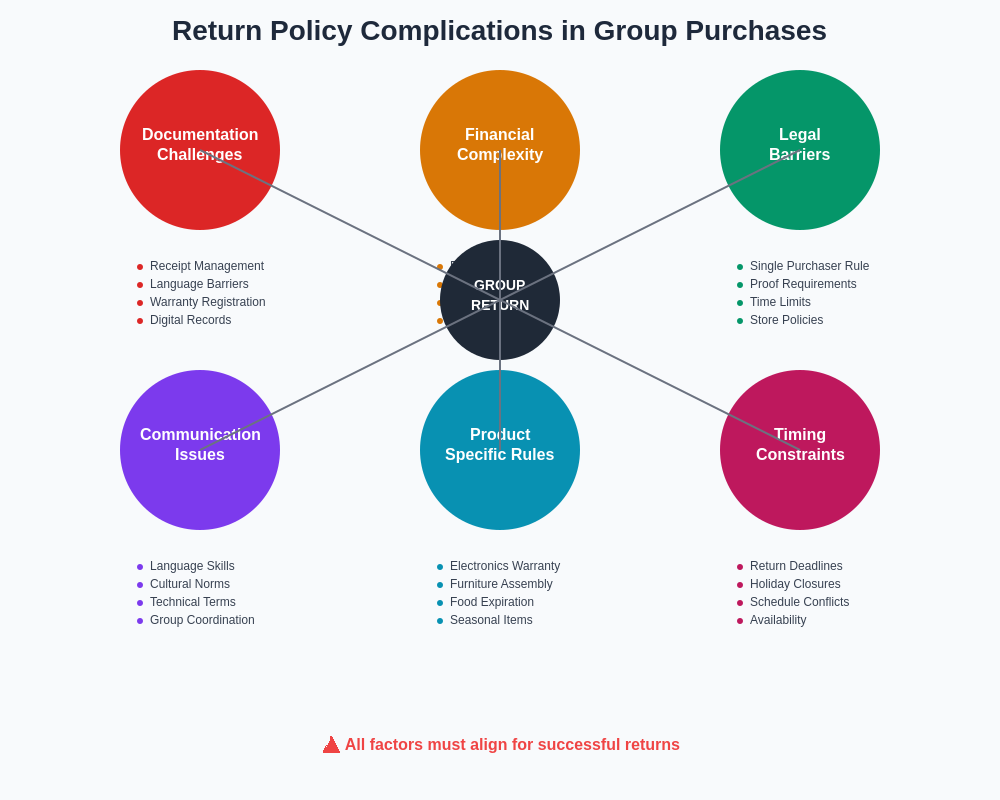
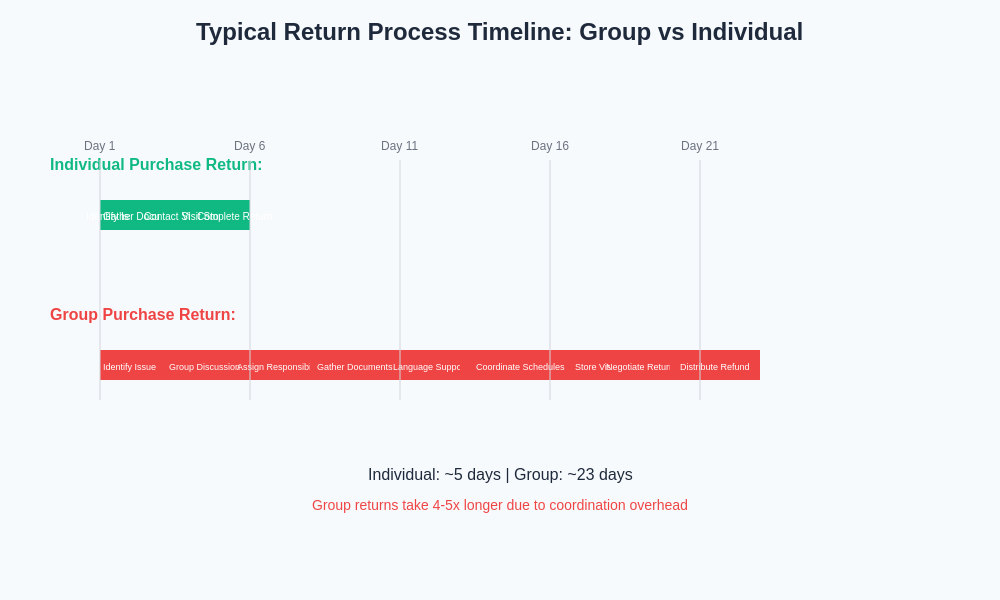
Japanese retailers typically require original packaging, proof of purchase, and detailed explanations for return requests, with many stores implementing strict time limits that can be as short as seven days for certain product categories. The bureaucratic requirements multiply when dealing with group purchases, as retailers often require all parties involved in the original transaction to be present during return attempts, creating logistical nightmares for sharehouse residents with conflicting schedules and commitments.
The language barrier compounds these challenges significantly, as return policy explanations often involve technical terminology and legal concepts that can be difficult to understand even for fluent Japanese speakers. When group purchases go wrong, the responsibility for communication with retailers often falls to the most linguistically capable house member, creating unequal distribution of effort and stress in resolving return issues.
Receipt Management and Documentation Challenges
The cornerstone of any successful return in Japan revolves around proper receipt management and documentation, a responsibility that becomes exponentially more complex when shared among multiple sharehouse residents with varying levels of organizational skills and cultural understanding of Japanese documentation requirements. Living costs in Tokyo sharehouses explained highlights how shared expenses create additional layers of financial tracking complexity.
Japanese receipts contain critical information including purchase dates, store locations, product codes, and warranty details that must be preserved in pristine condition for any future return attempts. The challenge in sharehouse environments lies in determining who bears responsibility for safeguarding these crucial documents, particularly when purchases involve multiple contributors who may have different expectations about documentation management and storage protocols.
The physical degradation of receipts represents a constant threat to return eligibility, as Japanese thermal paper receipts are notorious for fading over time, especially when exposed to heat, humidity, or direct sunlight. In sharehouse environments where personal storage space is limited and environmental controls may be inadequate, maintaining receipt integrity becomes an ongoing challenge that requires dedicated storage solutions and proactive preservation strategies.
Digital receipt management systems, while increasingly available, create their own complications in group purchase scenarios, as access credentials and account management responsibilities must be clearly defined and communicated among all participating parties. The integration of digital receipts with traditional paper-based return processes often creates additional confusion and potential points of failure in the return process.
Financial Liability and Responsibility Distribution
The distribution of financial liability in group purchases creates complex webs of responsibility that become particularly problematic when return policies come into play, as the original purchaser often bears disproportionate legal and financial responsibility regardless of the actual ownership structure established among sharehouse residents. How group buying power reduces individual costs explores the economic benefits that must be weighed against these potential complications.
Japanese law typically recognizes only the named purchaser on receipts and warranties as having legitimate claim to returns and refunds, creating situations where group members who contributed financially to purchases may have no legal standing to initiate return processes independently. This legal framework can leave contributing parties financially vulnerable when primary purchasers become unavailable, uncooperative, or absent from the sharehouse community.
The timing of financial settlements among group members becomes critical when return policies are involved, as delays in cost-sharing arrangements can complicate refund distribution and create disputes about who receives returned funds when successful returns are achieved. Clear agreements about refund allocation must be established before purchases are made, yet many sharehouse groups fail to consider these scenarios during the initial excitement of group buying opportunities.
Credit card and payment method complications add additional layers of complexity to group purchase returns, as Japanese retailers often require returns to be processed using the original payment method, which may belong to a single group member while financial contributions came from multiple parties. The reconciliation of refunds with original payment sources requires careful tracking and clear communication protocols that many sharehouse groups lack.
Product Category-Specific Return Challenges
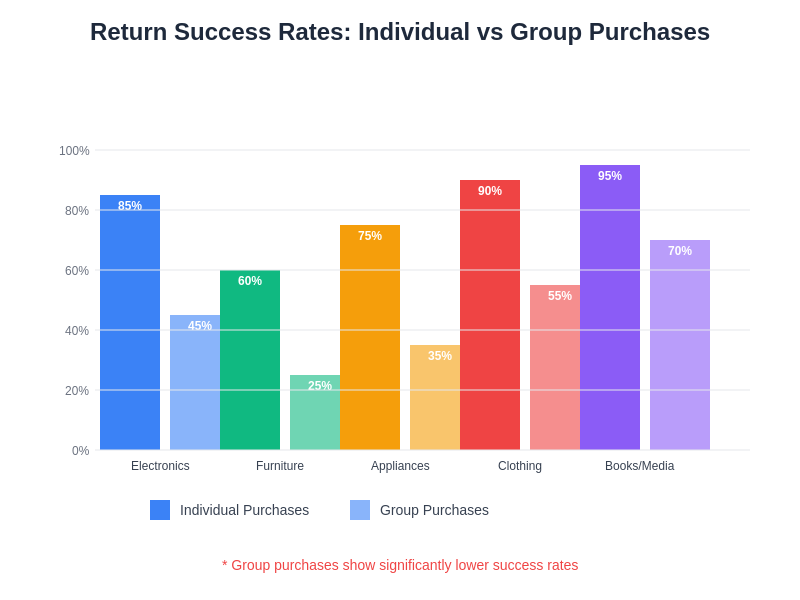
Different product categories in Japan operate under vastly different return policy frameworks, creating specialized challenges for group purchases that vary dramatically depending on the types of items being acquired collectively. Electronics, appliances, furniture, and consumable goods each present unique return policy landscapes that require specific knowledge and preparation strategies.
Electronics purchases represent particularly complex return scenarios due to warranty registration requirements, software licensing considerations, and the rapid depreciation that characterizes technology products in Japanese retail markets. How consumer electronics sharing works provides insights into the complexities of shared electronics ownership that extend into return policy considerations.
Furniture and home goods purchases for sharehouses often involve assembly requirements and delivery services that complicate return processes significantly, as retailers may require professional disassembly and return transportation arrangements that can exceed the original purchase cost. The depreciation of assembled furniture and the difficulty of returning items to original packaging conditions create additional barriers to successful returns.
Food and consumable products purchased in bulk for sharehouse consumption present unique challenges when quality issues arise, as partial consumption or spoilage may void return eligibility entirely. The distributed consumption patterns typical in sharehouse environments make it difficult to identify quality issues quickly enough to meet retailer return deadlines, often resulting in total financial losses for the purchasing group.
Language Barriers and Communication Breakdowns
The linguistic complexity of return policy negotiations creates substantial barriers for international sharehouse residents, as the specialized vocabulary and cultural nuances involved in return discussions often exceed the Japanese language capabilities of many foreign residents. Language barriers complicate legal documents explores how communication challenges affect various aspects of living in Japan.
Return policy explanations often involve technical terminology related to warranty coverage, defect classifications, and liability limitations that require advanced Japanese comprehension skills to understand fully. The cultural concept of “reading the air” becomes particularly important in return negotiations, as direct confrontation or aggressive advocacy may result in immediate rejection of return requests regardless of their legal validity.
The role of translation and interpretation in group return attempts creates additional logistical challenges, as the most linguistically capable house member often becomes responsible for representing the interests of all group participants, potentially creating conflicts of interest or communication breakdowns when individual interests diverge from group consensus.
Customer service interactions in Japanese retail environments often rely heavily on implicit understanding of social hierarchies and communication protocols that can be difficult for international residents to navigate effectively. The failure to observe proper etiquette during return attempts can result in immediate rejection of otherwise valid return requests, creating frustration and financial losses for sharehouse groups.
Warranty Claims and Long-Term Complications
Warranty claims represent an extended form of return policy complexity that can persist for months or years after initial group purchases, creating ongoing administrative burdens and potential conflicts among sharehouse residents as living arrangements and group compositions change over time. How to handle roommate conflicts without moving out provides strategies for managing these long-term disputes.
The registration requirements for warranties in Japan often mandate that a single individual serve as the primary contact for all warranty communications and claims, creating situations where group members become dependent on specific individuals for access to warranty services throughout the product lifecycle. When primary warranty holders leave sharehouses or become unavailable, remaining residents may lose access to warranty protections despite having contributed financially to original purchases.
Extended warranty options and service plans add additional complexity to group purchases, as the decision to purchase extended coverage must be made collectively while the administrative responsibilities often fall to individual group members. The cost-benefit analysis of extended warranties becomes more complex when multiple parties share ownership and usage responsibilities for purchased items.
Warranty transfer procedures, when available, often require extensive documentation and may involve fees that group members must negotiate and distribute among themselves. The bureaucratic complexity of warranty transfers can exceed the value of remaining warranty coverage, leading to abandoned warranty protections and increased financial risk for sharehouse groups.
Seasonal and Timing Considerations
The seasonal nature of Japanese retail cycles creates additional complications for group purchase return policies, as return deadlines may conflict with holiday periods, academic schedules, and the high mobility periods that characterize sharehouse living environments. Seasonal demand affects sharehouse prices illustrates how timing affects various aspects of sharehouse economics.
Year-end and New Year holiday periods often involve extended store closures and modified return policy procedures that can effectively shorten return windows for purchases made in late December or early January. The concentration of sharehouse resident turnover during these periods creates additional challenges for managing returns that span the holiday season.
Academic calendar considerations become particularly relevant for student-heavy sharehouses, as semester breaks and examination periods may prevent timely attention to return requirements when group members are traveling or focused on academic obligations. The coordination of return attempts across multiple academic and work schedules requires advance planning that many sharehouse groups fail to implement effectively.
Seasonal product categories such as heating equipment, air conditioning units, and seasonal clothing may have modified return policies that reflect their limited usage periods and storage requirements. The timing of group purchases relative to seasonal demand cycles can significantly impact return eligibility and refund values.
Technology and Digital Complications
The increasing digitization of Japanese retail operations introduces new categories of complications for group purchase returns, as online purchase records, digital receipts, and electronic warranty registrations create additional layers of access control and account management requirements. How digital contracts are still uncommon explains the broader context of digital adoption challenges in Japan.
Online purchase returns often require access to original purchasing accounts and associated email addresses, creating dependency relationships that can become problematic when account holders leave sharehouses or become uncooperative. The integration of online and offline return processes may require coordination across multiple platforms and communication channels that exceed the technical capabilities of some sharehouse residents.
Mobile app-based purchase tracking and return initiation systems may require specific smartphones or operating systems that not all group members possess, creating barriers to participation in return processes for technically disadvantaged residents. The rapid evolution of digital retail platforms means that return procedures may change frequently, requiring ongoing learning and adaptation that can be challenging for diverse sharehouse populations.
QR code-based receipts and digital payment confirmations create new categories of documentation that must be preserved and shared among group members, often requiring cloud storage solutions and access management protocols that many sharehouse groups lack the technical infrastructure to implement effectively.
Cross-Cultural Expectation Management
The fundamental differences between Japanese and international approaches to consumer rights and return policies create ongoing sources of friction and disappointment for foreign sharehouse residents who may have unrealistic expectations based on their home country experiences. Cultural differences affect friendship building provides broader context for managing cross-cultural expectations in shared living environments.
Western retail cultures that emphasize customer satisfaction and liberal return policies create expectations that are rarely met in Japanese retail environments, leading to frustration and conflict when group purchases encounter return difficulties. The education process required to align international residents with Japanese retail realities often occurs only after costly mistakes have been made.
The concept of “buyer beware” carries different weight in Japanese consumer culture, with greater emphasis placed on careful pre-purchase evaluation and acceptance of purchase decisions rather than post-purchase remedies. This philosophical difference affects how return policies are structured and administered, often leaving international residents feeling unsupported by the retail system.
Communication style differences become particularly apparent during return negotiations, as the indirect communication patterns preferred in Japanese business contexts may be interpreted as evasiveness or uncooperativeness by international residents accustomed to more direct customer service interactions.
Prevention Strategies and Best Practices
Successful navigation of return policy complications in group purchases requires proactive planning, clear communication protocols, and realistic expectation setting among all participating sharehouse residents. How to budget realistically for sharehouse living includes considerations for planning group purchases that minimize return policy risks.
Pre-purchase research should include detailed investigation of return policies, warranty terms, and dispute resolution procedures for all contemplated purchases, with particular attention to time limits, documentation requirements, and liability distribution among multiple purchasers. The establishment of group purchasing agreements that clearly define roles, responsibilities, and procedures for handling returns can prevent many common disputes and complications.
Documentation management protocols should be established before group purchases are made, including designation of responsible parties for receipt storage, warranty registration, and communication with retailers regarding any issues that arise. Digital backup systems and shared access arrangements can provide redundancy and ensure that critical documentation remains accessible throughout the product lifecycle.
Budget allocation for potential return complications should be considered during group purchase planning, as return shipping costs, restocking fees, and depreciation charges can significantly impact the final cost of returns when they become necessary. The establishment of contingency funds or clear agreements about how return costs will be shared can prevent financial disputes when problems arise.
The complexity of return policies in Japanese retail environments, combined with the communal nature of sharehouse living, creates a challenging landscape that requires careful navigation, clear communication, and realistic expectation management to avoid costly disputes and financial losses. Understanding these challenges before engaging in group purchases can help sharehouse residents make informed decisions about when the benefits of collective buying outweigh the potential complications of shared ownership and return policy management.
Disclaimer
This article is for informational purposes only and does not constitute legal or financial advice. Return policies and consumer protection laws in Japan may vary by retailer and product category. Readers should verify specific return policies with individual retailers and consider consulting relevant professionals when making significant group purchases. The effectiveness of strategies mentioned may vary depending on specific circumstances and retailer policies.