The arrival of sakura season in Tokyo transforms the city into a breathtaking wonderland of pink and white blossoms, but for sharehouse residents who call this metropolis home, the period brings a complex mix of beauty and significant daily disruptions that can dramatically alter their living experience. The influx of millions of domestic and international tourists during the brief cherry blossom period creates unprecedented challenges for locals navigating transportation systems, accessing familiar amenities, and maintaining their regular routines in a city suddenly overwhelmed by visitors seeking the perfect hanami experience.
Understanding how sakura season affects daily life becomes essential for sharehouse residents who must adapt their schedules, routes, and expectations during this peak tourism period that typically spans just two to three weeks but leaves lasting impacts on urban infrastructure and community dynamics. The phenomenon extends far beyond simple crowd management, influencing everything from grocery shopping patterns to workplace commutes and social activities throughout Tokyo’s extensive metropolitan area.
The Scale of Tourist Invasion During Cherry Blossom Season
Tokyo’s sakura season attracts an estimated 30 million visitors annually, with the majority concentrated during the peak blooming period that varies each year but typically occurs between late March and early May. This massive influx represents roughly four times the city’s normal tourist volume compressed into a fraction of the calendar year, creating unprecedented strain on transportation networks, accommodation facilities, and public spaces throughout the metropolitan area.
The demographic composition of sakura tourists differs significantly from typical Tokyo visitors, with a higher percentage of first-time international travelers who lack familiarity with local customs, transportation etiquette, and urban navigation skills. Living with Japanese roommates in Tokyo sharehouses becomes particularly challenging during this period as cultural tensions can arise from the contrast between respectful local behavior and sometimes inconsiderate tourist actions.
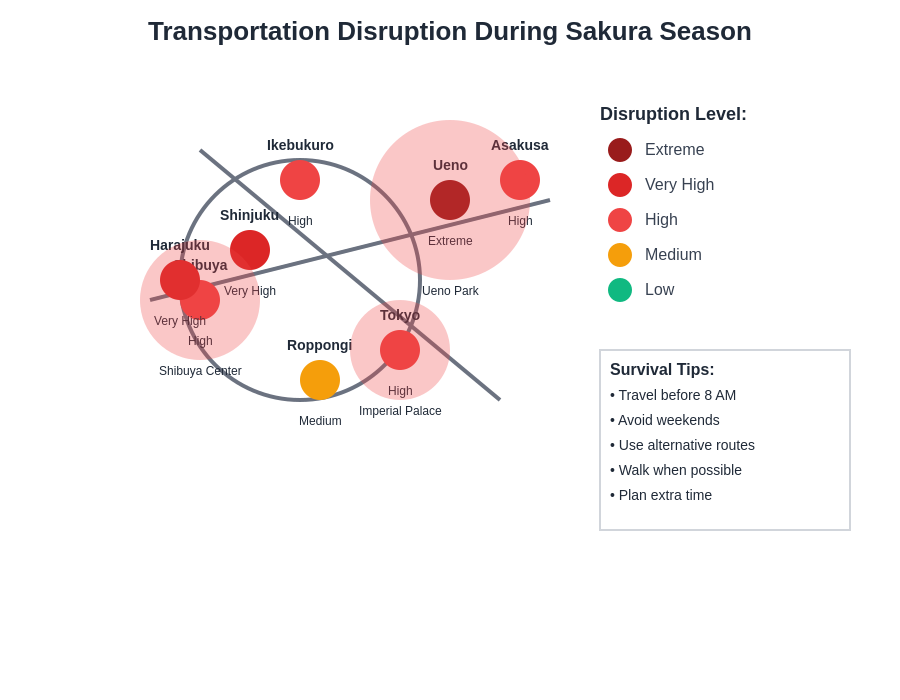
Popular hanami locations such as Ueno Park, Shinjuku Gyoen, and the areas surrounding the Imperial Palace become virtually inaccessible to residents during peak viewing times, with visitor numbers reaching capacity levels that require crowd control measures and lengthy waiting periods for entry. Best Tokyo neighborhoods for sharehouse living takes on new significance as proximity to major sakura viewing sites can either enhance the experience or create daily obstacles depending on your perspective and lifestyle needs.
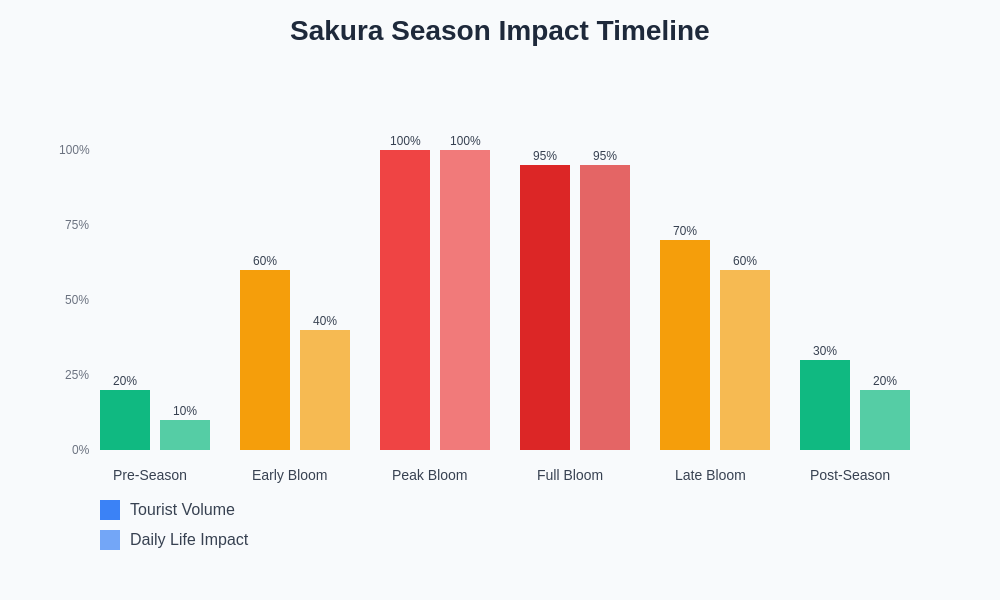
The economic impact extends beyond tourism revenue to affect local businesses, with restaurants, convenience stores, and service providers experiencing dramatic demand spikes that often exceed their capacity to serve both tourists and regular customers effectively. This creates ripple effects that influence everything from food availability to service quality in neighborhoods surrounding popular viewing areas.
Transportation System Overload and Commute Disruptions
The Tokyo metropolitan transportation system, despite its reputation for efficiency and punctuality, faces severe strain during sakura season as millions of additional passengers attempt to navigate train lines, subway systems, and bus routes that were designed for regular commuter volumes. How commute times impact your quality of life becomes even more critical during this period as standard travel times can double or triple due to overcrowding and delays.
Major train stations serving popular hanami destinations experience persistent overcrowding that affects not only direct routes to cherry blossom viewing areas but also connecting lines throughout the broader network. Rush hour conditions extend well beyond traditional peak periods, with crowding levels comparable to morning commutes occurring throughout weekends and even weekday afternoons as tourists follow different schedule patterns than regular commuters.
Platform safety becomes a significant concern as inexperienced tourists navigate complex station layouts while carrying photography equipment, picnic supplies, and luggage, creating bottlenecks and safety hazards that require additional staff deployment and crowd management measures. The combination of tourist unfamiliarity with train etiquette and extreme overcrowding can create frustrating and sometimes dangerous conditions for daily commuters trying to reach work or return home.
Alternative transportation options such as buses, taxis, and ride-sharing services experience similar overload conditions, with wait times increasing dramatically and prices often surging due to demand algorithms that respond to peak usage periods. How transportation costs impact entertainment budgets becomes particularly relevant as residents may need to budget for premium transportation options or significantly longer travel times during the sakura period.
Neighborhood Accessibility and Daily Services Impact
Residential neighborhoods adjacent to major sakura viewing locations experience dramatic changes in accessibility and service quality as local infrastructure struggles to accommodate the massive increase in foot traffic and commercial demand. Cheaper sharehouse options in Tokyo suburbs can provide some insulation from these disruptions, though even suburban areas connected to popular hanami sites may experience overflow effects.
Local convenience stores, supermarkets, and restaurants face unprecedented demand that often exceeds their inventory and staffing capacity, leading to empty shelves, longer wait times, and reduced service quality for regular customers who depend on these establishments for daily needs. The phenomenon affects everything from basic groceries to prepared foods, with popular items frequently selling out during peak tourist periods.
Parking availability becomes virtually non-existent in areas near cherry blossom viewing sites, affecting residents who rely on personal vehicles for transportation or business purposes. How bicycle ownership affects daily routines takes on increased importance as alternative transportation methods become necessary for maintaining mobility during the most congested periods.
Emergency services and municipal utilities face additional strain as the increased population density in certain areas requires enhanced police presence, medical support, and waste management services that must be coordinated and funded to maintain public safety and sanitation standards throughout the peak tourism period.
Accommodation Market Pressures and Housing Dynamics
The sakura season creates intense pressure on Tokyo’s accommodation market that extends beyond traditional hotels to affect sharehouse availability, pricing, and community dynamics in ways that can significantly impact current residents and prospective applicants. How seasonal demand affects sharehouse prices becomes particularly evident during cherry blossom season when short-term accommodation demand reaches annual peaks.
Many sharehouse operators respond to the lucrative tourism market by converting regular residential spaces into short-term tourist accommodations, reducing available inventory for long-term residents and potentially displacing current tenants who may face pressure to relocate temporarily or permanently. This practice affects community stability and can disrupt the social dynamics that make sharehouse living attractive for international residents.
Tourist presence in residential areas increases noise levels, reduces privacy, and can create cultural conflicts as visitors may not understand or respect local living customs and community guidelines that govern shared living spaces. Japanese sharehouse rules every foreigner should know becomes even more important during periods when tourist behavior may influence overall neighborhood atmosphere and tolerance levels.
Property management companies may implement temporary restrictions or policy changes during sakura season to address security concerns, noise complaints, and facility overuse that can result from increased foot traffic and visitor presence in residential areas. These measures can affect resident freedom and convenience even when they don’t directly participate in tourist activities.
Economic Impacts on Daily Living Costs
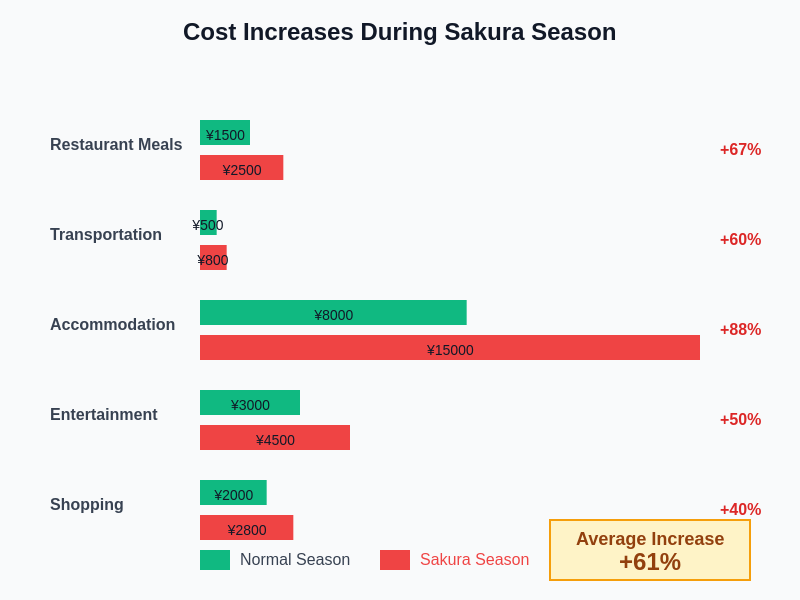
The economic disruptions of sakura season extend far beyond tourism revenue to create significant cost pressures for Tokyo residents who must navigate price increases, service surcharges, and availability limitations across multiple categories of daily expenses. Living costs in Tokyo sharehouses explained takes on new dimensions during peak tourism periods when normal cost structures become temporarily distorted.
Restaurant prices often increase during sakura season through special seasonal menus, tourist pricing strategies, and simple supply-and-demand economics that reflect the massive increase in customer demand during a limited time period. Local establishments that typically cater to neighborhood residents may shift their focus and pricing to capture tourist spending, potentially alienating regular customers who can no longer afford their usual dining options.
Transportation costs can escalate significantly as surge pricing algorithms respond to peak demand periods, affecting ride-sharing services, taxi fares, and even some private transportation options that adjust rates based on market conditions. How much Tokyo sharehouses really cost per month must account for these seasonal variations that can add substantial unexpected expenses to monthly budgets.
Entertainment and leisure activities experience similar price pressures as venues capitalize on tourist demand by implementing special event pricing, reservation fees, and premium service charges that may price out local residents who typically participate in these activities during other times of the year.
Social and Cultural Dynamics Changes
The massive tourist presence during sakura season fundamentally alters the social fabric and cultural atmosphere of Tokyo neighborhoods, creating both opportunities for cultural exchange and sources of frustration for residents trying to maintain their normal social routines and community connections. Making friends through Tokyo sharehouse communities becomes more challenging when popular social venues are overwhelmed with tourists and normal gathering spaces become inaccessible.
Public spaces that typically serve as community gathering areas for local residents become dominated by tourist activities, with hanami parties, photography sessions, and tour groups occupying parks, plazas, and recreational facilities that locals rely on for exercise, relaxation, and social interaction. This displacement can force residents to travel farther from their neighborhoods to find suitable spaces for their regular activities.
Cultural misunderstandings become more frequent as tourists unfamiliar with Japanese social customs may inadvertently violate behavioral norms around noise levels, personal space, queuing etiquette, and respectful observation practices that are fundamental to harmonious community life in Tokyo. These incidents can create tension and require additional patience and cultural mediation from local residents.
Language barriers intensify during peak tourist periods as service workers, transportation staff, and community members must navigate increased demands for English-language assistance while maintaining their regular responsibilities, creating stress and potential communication breakdowns that affect service quality for everyone.
Work and Professional Life Disruptions
Professional life in Tokyo experiences significant disruptions during sakura season as the tourist influx affects workplace accessibility, client meetings, business operations, and professional networking activities that depend on predictable transportation and venue availability. How business travel affects long-term community building becomes particularly relevant as even local business activities can become complicated by tourism-related congestion.
Many companies adjust their operational schedules during peak sakura periods to accommodate employee transportation challenges, modified customer service demands, and venue availability limitations that affect both internal operations and client-facing activities. These adjustments can include flexible work hours, remote work options, and modified meeting schedules that help employees navigate the transportation chaos.
Client meetings and business entertaining become significantly more expensive and logistically complex as restaurants require reservations far in advance, venues implement tourist pricing, and transportation unpredictability makes scheduling challenging. How client meetings become impossible at home takes on literal meaning when residential areas become tourist destinations with associated noise and congestion.
Networking events and professional gatherings may be cancelled, postponed, or relocated during peak sakura periods as venues prioritize tourist bookings and transportation logistics make attendance difficult for participants coming from across the metropolitan area.
Coping Strategies and Adaptation Techniques
Successful navigation of sakura season disruptions requires proactive planning, flexible scheduling, and strategic adaptation of daily routines that minimize exposure to peak congestion while still allowing residents to enjoy the seasonal beauty that makes this period special despite its challenges. How to handle roommate conflicts without moving out includes stress management techniques that become valuable during high-pressure periods like sakura season.
Transportation strategy modifications can include altered commute timing, alternative route planning, and increased reliance on walking or cycling for short-distance travel that avoids the most congested train lines and subway routes. Early morning and late evening travel often provides better conditions than mid-day periods when tourist activity peaks.
Shopping and service activities require strategic timing and location adjustments, with many residents shifting to off-peak hours, alternative neighborhoods, or online ordering systems that bypass the crowded retail environments near tourist destinations. Bulk shopping before peak periods can reduce the need for frequent store visits during the most congested times.
Social activity planning benefits from advanced reservation making, venue diversification, and consideration of less tourist-popular locations that still offer cherry blossom viewing opportunities without the massive crowds that overwhelm the most famous hanami sites.
Long-term Implications and Community Resilience
The annual cycle of sakura season disruptions has shaped Tokyo’s urban development patterns, community planning approaches, and resident adaptation strategies in ways that demonstrate both the challenges and resilience of metropolitan life during peak tourism periods. Real stories from Tokyo sharehouse residents often include accounts of how residents develop personal strategies for managing these seasonal challenges.
Infrastructure improvements and crowd management innovations continue to evolve as city planners and transportation authorities develop better systems for handling peak tourist loads while maintaining service quality for regular residents who depend on these systems year-round. These improvements include enhanced digital information systems, crowd flow management technologies, and capacity expansion projects targeted at known bottleneck locations.
Community adaptation has led to the development of informal networks and information sharing systems among residents who coordinate to share resources, transportation strategies, and local knowledge that helps everyone navigate the challenging period more effectively. These networks often strengthen overall community bonds and demonstrate the positive social outcomes that can emerge from shared challenges.
The experience of managing sakura season disruptions provides valuable preparation for other peak tourism periods throughout the year and demonstrates the importance of community resilience, individual adaptability, and infrastructure robustness in maintaining quality of life in a major international destination city that balances tourism promotion with resident needs.
Understanding and preparing for the multifaceted impacts of sakura season enables Tokyo sharehouse residents to better appreciate both the beauty and challenges of living in one of the world’s most sought-after seasonal destinations while developing the skills and strategies necessary for thriving in a dynamic urban environment that regularly experiences dramatic temporary transformations.
Disclaimer
This article is for informational purposes only and reflects general observations about seasonal tourism impacts in Tokyo. Specific conditions and disruptions may vary by year, location, and individual circumstances. Readers should consult current local information and plan accordingly for their specific situations. The severity of impacts may change based on weather patterns, tourism trends, and infrastructure developments.