The relationship between seasonal allergies and crowded living environments presents a complex challenge that affects millions of people living in shared accommodations worldwide, with Tokyo sharehouses representing a particularly problematic scenario due to the city’s unique combination of high population density, limited ventilation systems, and seasonal pollen patterns that create perfect conditions for amplified allergic reactions.
Living in crowded spaces fundamentally alters how allergens circulate, concentrate, and persist within indoor environments, creating microclimate conditions that can transform manageable seasonal allergies into debilitating daily struggles that affect sleep quality, work performance, and overall quality of life for residents who might otherwise experience only mild discomfort in less populated living situations.
Understanding Allergen Concentration in Shared Living Spaces
The physics of allergen distribution within crowded indoor environments follows predictable patterns that create concentrated pockets of irritants far exceeding what individuals would encounter in private accommodation or outdoor settings. Tokyo sharehouses with poor air quality problems often experience significant amplification of seasonal allergen levels due to multiple residents simultaneously tracking outdoor pollens, dust, and other irritants into shared spaces throughout the day.
Multiple occupants create continuous circulation of outdoor allergens through clothing, shoes, bags, and personal items that carry pollen, mold spores, and dust particles from various external environments into the confined indoor space where these irritants become trapped and concentrated. The cumulative effect results in allergen loads that can be ten to twenty times higher than what exists in single-occupancy accommodations of similar size and ventilation capacity.
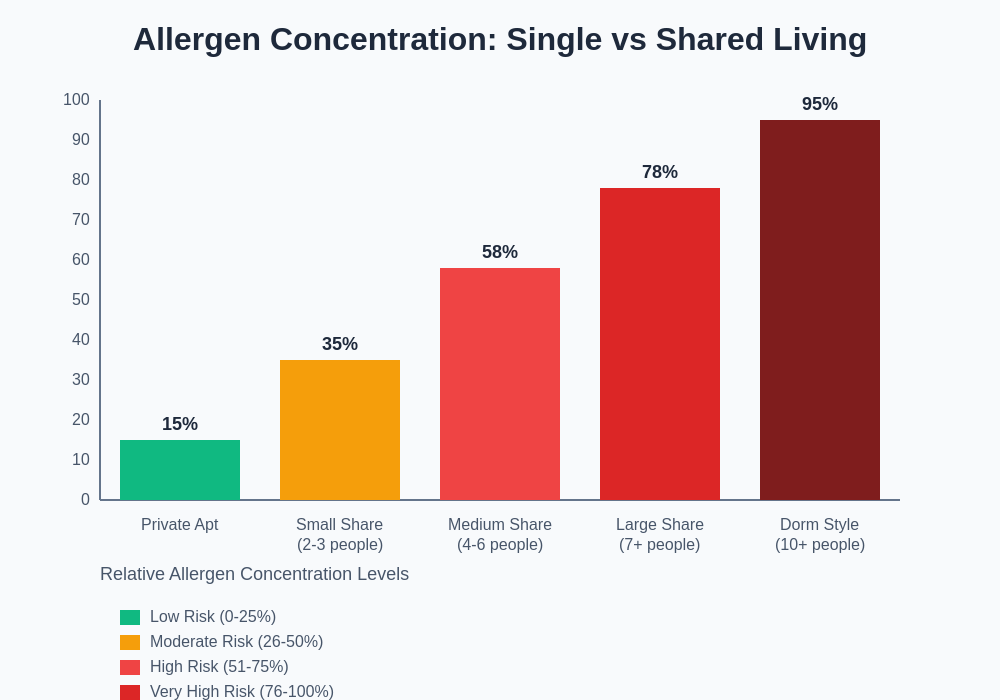
Inadequate ventilation systems in many older Tokyo buildings compound this problem by failing to provide sufficient air exchange rates necessary for diluting and removing accumulated allergens. Understanding how air quality concerns affect daily decisions becomes crucial for residents who must navigate the competing priorities of social interaction and respiratory health in these challenging environments.
The temporal patterns of allergen accumulation follow resident activity cycles, with peak concentrations typically occurring during evening hours when multiple occupants return from outdoor activities, followed by overnight buildup in poorly ventilated sleeping areas where individuals spend six to eight hours breathing concentrated irritants in close proximity to other allergy sufferers.
The Amplifying Effect of Human Activity and Traffic Patterns
High-traffic areas within sharehouses become focal points for allergen concentration as residents repeatedly disturb settled particles through walking, sitting, and general movement that creates continuous resuspension of dust, pollen, and other irritants into the breathing zone where they remain airborne for extended periods due to limited air circulation and filtration capabilities.
Kitchen areas present particularly challenging environments where cooking activities, steam production, and food preparation create turbulent air patterns that lift and redistribute allergens while simultaneously introducing new irritants such as cooking odors, smoke particles, and moisture that can promote mold growth and dust mite proliferation in surrounding areas.
Common room activities such as television watching, gaming, and social gatherings generate significant air disturbance through movement, conversation, and the presence of multiple individuals whose respiratory activities create localized humidity increases that can activate dormant allergens and promote the growth of biological irritants that thrive in warm, moist environments.
Managing seasonal allergies in crowded living spaces requires understanding these activity-based amplification patterns to develop effective timing strategies for high-sensitivity individuals who need to coordinate their use of shared spaces around peak allergen periods.
Ventilation Challenges in Tokyo Sharehouse Architecture
The architectural limitations of many Tokyo sharehouses reflect building designs that predate modern understanding of indoor air quality requirements, resulting in ventilation systems that prove inadequate for supporting the respiratory health of multiple occupants during high pollen seasons when external allergen loads combine with internal concentration effects.
Natural ventilation strategies that rely on opening windows become counterproductive during peak pollen seasons, creating a paradoxical situation where residents must choose between introducing fresh outdoor allergens or maintaining stagnant indoor air that allows existing irritants to reach increasingly problematic concentrations over time.
Mechanical ventilation systems in older buildings often lack proper filtration capabilities or maintenance schedules necessary for effective allergen removal, with many systems actually contributing to problem amplification by circulating unfiltered air that spreads allergens throughout the building rather than removing them from the indoor environment.
How building ventilation affects respiratory health becomes a critical consideration for allergy sufferers who must evaluate potential sharehouses based on air circulation capabilities rather than focusing solely on location, price, and social factors that traditionally influence housing decisions.
Seasonal Patterns and Tokyo’s Unique Allergen Calendar
Tokyo’s complex allergen calendar creates multiple overlapping seasons of respiratory challenges that affect sharehouse residents differently depending on their specific sensitivities, previous exposure history, and the timing of their arrival in Japan relative to the various pollen seasons that can extend from February through November with varying intensity levels.
The famous sakura season represents only one component of Tokyo’s extensive pollen calendar, with cedar pollen creating the most significant challenges from February through April, followed by cypress, birch, and various grass pollens that maintain elevated allergen levels throughout spring and early summer months when many sharehouses experience peak occupancy from new international residents.
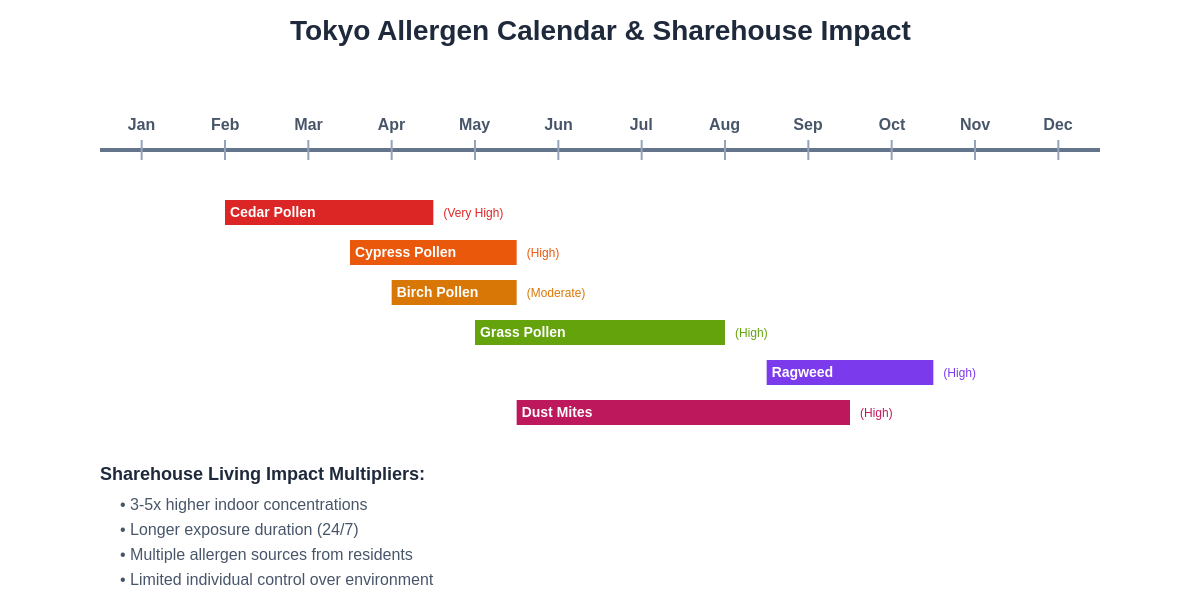
Summer humidity combines with continued pollen production to create ideal conditions for dust mite proliferation and mold growth within crowded living spaces, while autumn brings additional tree pollens and ragweed that can trigger severe reactions in individuals who may have successfully managed spring allergens through adaptation or treatment strategies.
Seasonal health challenges in shared living extend beyond allergies to include the psychological stress of chronic discomfort that can affect interpersonal relationships and overall community dynamics within sharehouses where multiple residents simultaneously struggle with respiratory issues.
The Role of Shared Items and Cross-Contamination
Communal furnishings, textiles, and frequently touched surfaces within sharehouses serve as reservoirs for allergen accumulation that create persistent sources of exposure long after peak outdoor pollen periods have subsided, requiring comprehensive cleaning strategies that go far beyond individual room maintenance to address shared responsibility areas.
Fabric-covered furniture, carpets, curtains, and decorative items absorb and retain pollen, dust mites, and other allergens that can remain active for months after initial introduction, creating year-round exposure risks that affect sensitive individuals even during traditionally low-allergen periods when outdoor concentrations have diminished significantly.
Kitchen textiles, cleaning supplies, and shared personal care items can harbor allergens and create cross-contamination pathways between residents who may have different sensitivity levels and cleaning standards, resulting in unexpected exposure incidents that can trigger severe reactions in highly sensitive individuals who maintain strict allergen avoidance protocols in their private spaces.
How shared living affects personal hygiene routines becomes particularly relevant for allergy management strategies that require consistent cleaning protocols and allergen avoidance measures that may conflict with the preferences or awareness levels of other residents who do not experience similar sensitivity issues.
Psychological and Sleep Quality Impacts
The chronic nature of amplified allergic reactions in crowded living environments creates cascading effects on sleep quality, cognitive function, and emotional well-being that extend far beyond the immediate physical discomfort of respiratory symptoms, affecting academic performance, work productivity, and social relationships within the sharehouse community.
Sleep disruption from nighttime congestion, coughing, and respiratory distress becomes particularly problematic in shared living situations where individual comfort measures may conflict with the needs and preferences of nearby residents who are not experiencing similar symptoms, creating potential sources of interpersonal tension and community discord.
The psychological stress of dealing with chronic discomfort while maintaining social obligations and community responsibilities within the sharehouse environment can amplify both allergic reactions and emotional responses, creating feedback loops that worsen overall health outcomes and reduce the effectiveness of treatment strategies.
Mental health considerations in crowded living include the impact of visible allergy symptoms on self-confidence and social interactions, particularly for international residents who may already feel self-conscious about cultural differences or language barriers that can be exacerbated by chronic respiratory issues.
Practical Management Strategies for Shared Environments
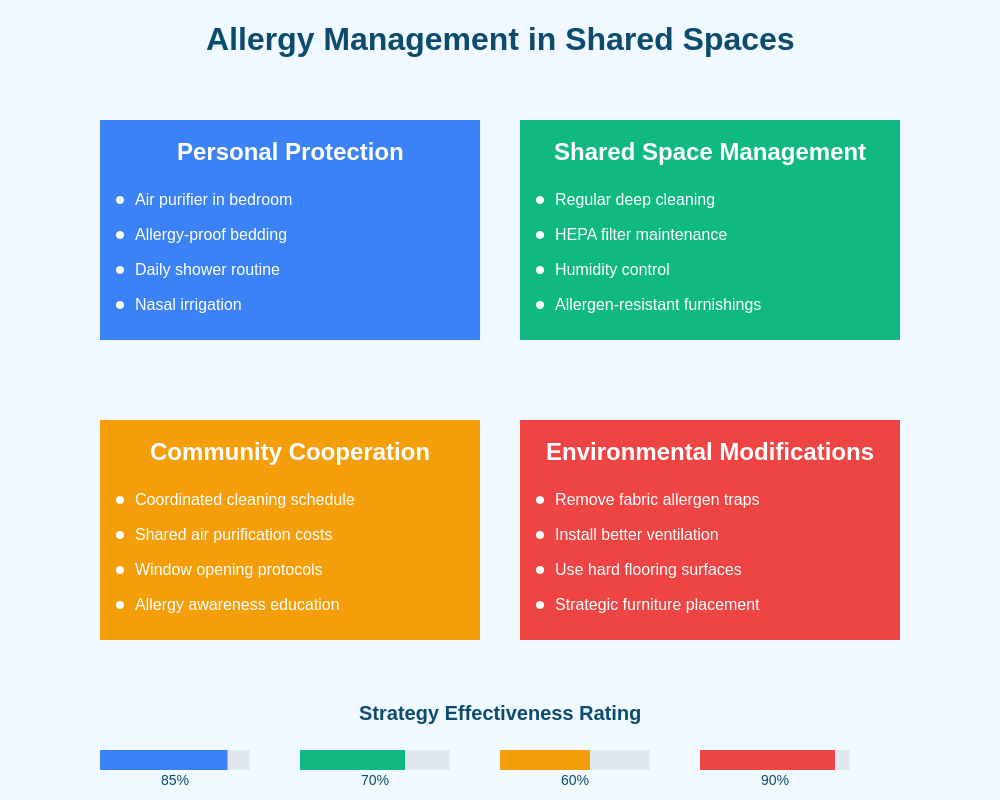
Individual protection strategies must be adapted to work within the constraints and social expectations of shared living environments, requiring creative solutions that provide effective allergen reduction without creating conflicts or imposing unreasonable restrictions on other residents who may not share the same sensitivities or concerns about indoor air quality.
Personal air filtration devices offer one of the most effective solutions for creating localized clean air zones within private sleeping areas, though their effectiveness depends on proper sizing, placement, and maintenance protocols that must account for the higher allergen loads present in crowded environments compared to single-occupancy spaces.
Timing-based avoidance strategies involve coordinating the use of high-traffic shared areas around the daily activity patterns of other residents to minimize exposure during peak allergen circulation periods, though this approach requires careful observation of house dynamics and may limit social participation in community activities.
Collaborative cleaning initiatives can significantly reduce overall allergen loads when multiple residents participate in enhanced cleaning protocols that address shared spaces, communal items, and high-traffic areas using appropriate techniques and products designed specifically for allergen removal rather than general cleanliness maintenance.
Communication and Community Approaches
Educating fellow residents about allergen sources, circulation patterns, and the impact of individual actions on communal air quality creates opportunities for voluntary behavior modifications that can significantly improve conditions for sensitive individuals without requiring formal rule changes or management intervention.
Establishing shared cleaning schedules and protocols specifically designed for allergen management requires diplomatic communication that emphasizes mutual benefit rather than individual accommodation, highlighting how improved air quality benefits everyone while addressing specific needs of highly sensitive residents.
Building positive relationships with housemates becomes particularly important when requesting cooperation for allergen management strategies that may require changes to established routines or additional effort from residents who do not directly experience the benefits of these modifications.
Negotiating compromises around window opening schedules, cleaning product choices, and ventilation system usage requires ongoing communication that balances individual health needs with community preferences and practical limitations of the shared living environment.
Environmental Modifications and Equipment Solutions
Strategic placement of air purification equipment in common areas can provide community-wide benefits while addressing the specific needs of allergy sufferers, though equipment selection must consider noise levels, energy consumption, and maintenance requirements that affect all residents rather than focusing solely on allergen removal effectiveness.
Humidity control measures become particularly important in crowded environments where multiple residents contribute to increased indoor moisture levels through cooking, bathing, and respiratory activities that can promote mold growth and dust mite proliferation if not properly managed through mechanical or behavioral interventions.
Furniture and textile choices for common areas should prioritize materials that do not trap or harbor allergens, though these decisions often require group consensus and may conflict with aesthetic preferences or budget constraints that influence sharehouse furnishing decisions made by management companies or resident committees.
Making environmental improvements in shared living spaces often requires coordination with property management and may involve additional costs that must be distributed among residents who may have varying levels of commitment to allergen reduction initiatives.
Seasonal Preparation and Planning Strategies
Advance preparation for known high-allergen periods allows sensitive residents to implement protective measures before symptoms become severe, though planning must account for the unpredictable nature of allergen loads in crowded environments where external factors such as resident turnover and activity patterns can significantly impact indoor air quality.
Medication timing and dosage adjustments may require consultation with healthcare providers who understand the unique challenges of managing allergies in crowded living environments where standard treatment protocols may prove inadequate due to higher and more persistent allergen exposure levels than typically encountered in private accommodations.
Emergency response planning becomes important for residents who experience severe allergic reactions, requiring coordination with housemates and property management to ensure appropriate assistance and medical intervention access during crisis situations that may develop rapidly in high-allergen environments.
Preparing for seasonal health challenges includes understanding how allergen seasons may affect housing availability and pricing, as some sensitive individuals may need to relocate temporarily during peak problem periods if management strategies prove insufficient.
Long-term Health Considerations and Adaptation
Chronic exposure to elevated allergen levels in crowded living environments may lead to sensitization or worsening of existing allergic conditions over time, requiring ongoing medical monitoring and potential treatment adjustments that account for the persistent nature of exposure that cannot be completely eliminated through individual management strategies.
The development of multiple chemical sensitivities or cross-reactive allergies can occur in individuals who experience prolonged exposure to diverse allergen sources common in international sharehouse communities where residents bring different environmental exposures and personal care products that create complex mixtures of potential irritants.
Career and lifestyle planning considerations may need to account for the long-term impact of living in high-allergen environments, particularly for individuals whose symptoms significantly affect academic performance, work productivity, or social relationships that could influence future opportunities and life trajectory decisions.
Long-term health impacts of sharehouse living extend beyond allergies to include the increased risk of respiratory infections and other health issues that can be exacerbated by compromised immune function resulting from chronic allergic inflammation and stress responses.
The experience of managing seasonal allergies in crowded sharehouse environments ultimately represents a complex challenge that requires multifaceted approaches combining individual protection strategies, community cooperation, environmental modifications, and realistic expectations about the limitations of shared living situations during high-allergen periods that may significantly impact quality of life despite best management efforts.
Disclaimer
This article is for informational purposes only and does not constitute professional medical advice. Individuals experiencing severe allergic reactions or respiratory symptoms should consult with qualified healthcare providers for proper diagnosis and treatment recommendations. The effectiveness of suggested strategies may vary based on individual sensitivities, building characteristics, and local environmental conditions. Always consult with medical professionals before making significant changes to allergy management protocols.