Japan’s dramatic seasonal transitions create profound disruptions to transportation systems that fundamentally reshape the daily routines of millions of residents, particularly those living in sharehouses who rely heavily on public transportation for their mobility needs. The cyclical nature of these changes means that sharehouse residents must continuously adapt their schedules, budgets, and lifestyle patterns throughout the year, creating a complex dance between weather conditions, transportation reliability, and personal productivity that defines the rhythm of life in Japan.
The interconnected relationship between seasonal weather patterns and transportation efficiency affects everything from morning departure times and route selection to social activities and shopping patterns, forcing residents to develop sophisticated contingency planning and flexible scheduling approaches that accommodate the unpredictable nature of weather-related transportation disruptions throughout Japan’s distinct seasonal calendar.
Spring Transportation Challenges and Routine Adaptations
Spring in Japan brings the celebrated cherry blossom season alongside significant transportation disruptions that affect daily commuting patterns and social activities throughout the sharehouse community. The massive influx of tourists during sakura season creates unprecedented crowding on trains and buses, particularly on routes connecting popular viewing locations with residential areas where many sharehouses are located.
Understanding how weather affects transportation choices becomes crucial during spring months when sudden temperature fluctuations and unexpected rain showers can dramatically alter commute times and route reliability. Sharehouse residents often discover that their carefully planned morning routines must accommodate additional travel time and alternative route options during peak cherry blossom periods.
The spring pollen season compounds transportation challenges by affecting personal comfort levels and health considerations that influence travel decisions. Many residents find themselves adjusting departure times to avoid peak pollen hours or selecting enclosed transportation options over walking and cycling routes that expose them to higher allergen concentrations during their daily commutes.
Spring weather volatility requires constant wardrobe adjustments that affect departure preparation time and baggage considerations for daily transportation needs. The unpredictable nature of spring temperatures means residents must carry additional clothing layers, umbrellas, and seasonal protection items that influence their choice of transportation methods and personal mobility throughout the day.
Summer Heat and Humidity Transportation Impacts
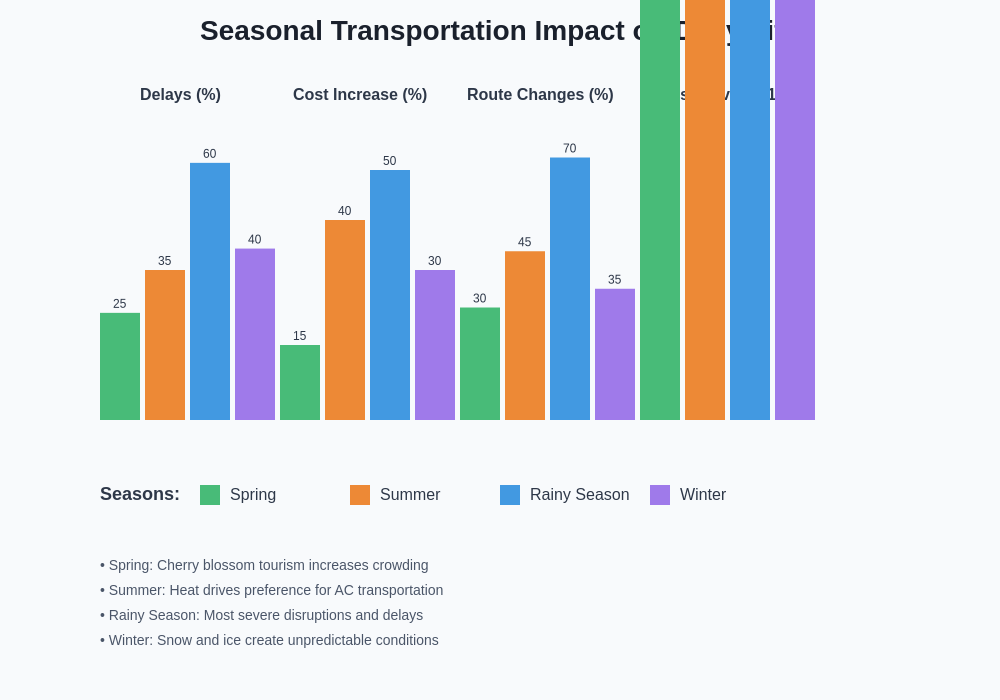
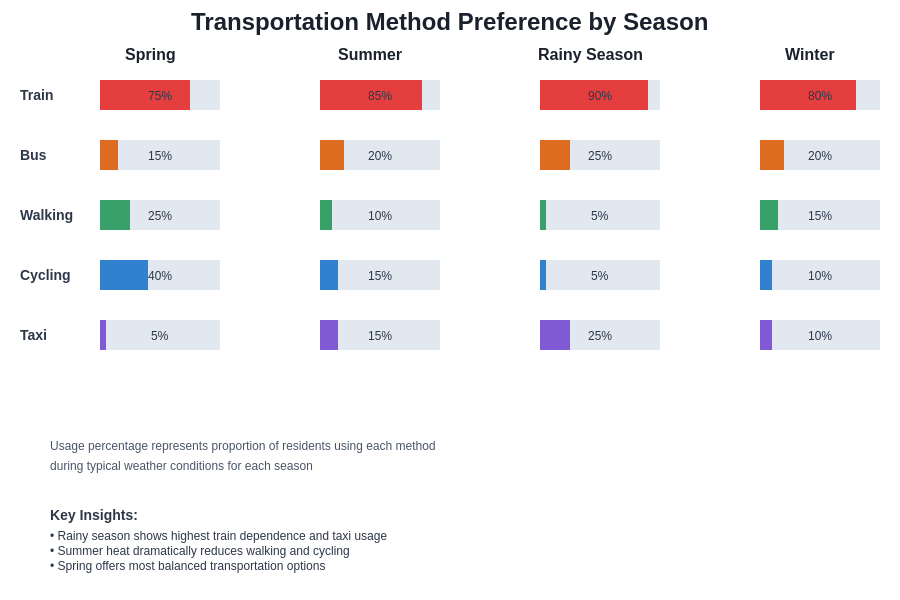
Japan’s intense summer heat and humidity create severe transportation challenges that force dramatic adaptations to daily routines and activity scheduling for sharehouse residents. The overwhelming heat makes walking and cycling extremely uncomfortable and potentially dangerous, pushing more residents toward air-conditioned train systems that become overcrowded as people avoid outdoor transportation methods.
Managing how air conditioning bills spike in summer connects directly to transportation decisions as residents balance the comfort of climate-controlled travel options against budget constraints and schedule efficiency. The increased reliance on air-conditioned transportation often results in higher monthly transportation costs during summer months.
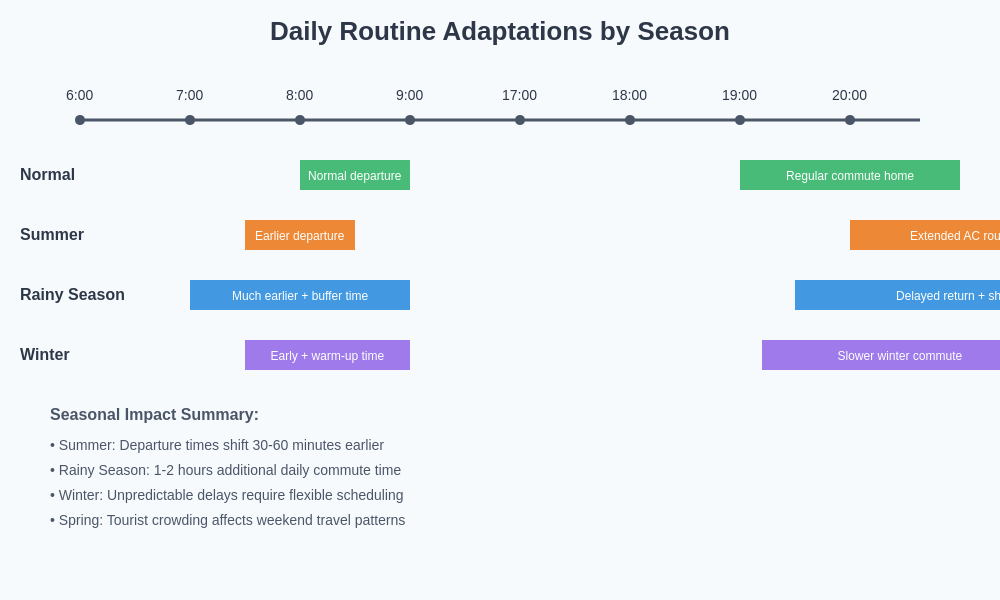
Morning departure times shift dramatically earlier as residents attempt to avoid peak heat hours that make outdoor portions of commutes unbearable. Many sharehouse residents restructure their entire daily schedules around transportation cooling strategies, including longer underground shopping center routes and extended stays in climate-controlled environments between transportation connections.
The summer rainy season brings additional complications that combine intense humidity with sudden downpours that can flood transportation routes and create dangerous travel conditions. Residents must develop sophisticated weather monitoring routines that integrate real-time precipitation forecasts with transportation schedule adjustments and route modification strategies.
Rainy Season Transportation Disruptions and Adaptations
Japan’s rainy season represents one of the most challenging periods for transportation reliability and routine maintenance throughout the sharehouse community. The prolonged periods of heavy rainfall create frequent train delays, service suspensions, and flooding conditions that make alternative transportation methods difficult or impossible to navigate safely.
Learning how to handle emergency transportation situations becomes essential during rainy season when normal transportation routes become unreliable and residents must quickly adapt to changing conditions that affect work schedules, social plans, and essential daily activities.
Umbrella management becomes a critical transportation skill that affects departure preparation, storage planning, and social coordination among sharehouse residents. The logistics of carrying, storing, and maintaining umbrellas throughout extended rainy periods creates additional complexity in daily routine planning and personal item management during transportation.
Indoor route planning gains paramount importance during rainy season as residents develop extensive knowledge of underground shopping centers, covered walkways, and building connections that minimize exposure to weather while maintaining transportation connectivity. These alternative routing strategies often require significantly more travel time and advance planning to navigate effectively.
Typhoon Season Emergency Transportation Planning
Typhoon season brings the most severe transportation disruptions of the year, requiring sharehouse residents to develop comprehensive emergency planning strategies that account for complete transportation system shutdowns and extended isolation periods. The unpredictable nature of typhoon timing and intensity makes advance planning extremely difficult while creating urgent need for flexible response capabilities.
Understanding emergency evacuation procedures becomes critical when typhoons threaten to shut down all transportation systems and trap residents in their sharehouses for extended periods. Residents must coordinate emergency supply purchasing, communication plans, and work arrangement modifications in advance of predicted storms.
Transportation app monitoring becomes a constant activity during typhoon season as residents track real-time service updates, suspension announcements, and restoration timelines that determine when normal routine activities can resume. The dependency on accurate information sources creates additional stress and planning complexity during already challenging weather conditions.
Social coordination within sharehouses intensifies during typhoon preparation as residents share transportation resources, coordinate emergency supply trips, and develop mutual support systems for dealing with extended transportation isolation. These collaborative planning efforts often strengthen community bonds while creating new routine patterns that persist beyond individual storm events.
Winter Weather and Transportation Reliability Issues
Japan’s winter weather creates unique transportation challenges that affect both urban and suburban sharehouse residents through snow accumulation, ice formation, and extreme temperature conditions that disrupt normal service reliability. The relative infrequency of severe winter weather in many areas means that transportation systems often struggle to cope effectively with snow and ice conditions when they occur.
Planning for seasonal employment changes becomes relevant when winter weather disruptions affect work schedules and income stability for residents whose employment depends on reliable transportation access. The economic impact of weather-related transportation failures can compound the stress of routine disruption.
Clothing and equipment considerations become more complex during winter months as residents must balance warmth and weather protection against the convenience and mobility requirements of their transportation methods. The bulky nature of winter clothing affects train crowding, storage needs, and personal comfort during extended commutes.
Early morning departure planning becomes critical during winter months when snow and ice conditions are most severe during traditional commuting hours. Many residents discover they must significantly adjust their sleep schedules and morning preparation routines to accommodate unpredictable weather conditions and longer travel times.
Transportation Cost Fluctuations Throughout Seasons
Seasonal transportation patterns create significant variations in monthly travel expenses that affect sharehouse residents’ budgeting strategies and lifestyle choices throughout the year. Understanding living costs that fluctuate seasonally helps residents plan for the increased transportation expenses during challenging weather periods.
Alternative transportation method costs become more significant during seasons when primary commuting routes face frequent disruptions. Taxi usage, car rentals, and premium transportation services see increased demand and pricing during challenging weather periods, creating budget pressures for residents accustomed to consistent public transportation costs.
Seasonal pass and ticket purchasing strategies require careful consideration of weather pattern predictions and transportation usage forecasting. Many residents find that seasonal transportation passes may not provide expected value during months with frequent service disruptions and alternative route requirements.
Emergency transportation fund planning becomes essential as residents learn to budget for unexpected expenses related to weather-related transportation failures. These costs can include emergency accommodation, alternative transportation methods, and premium service options during peak disruption periods.
Social Activity and Routine Coordination Challenges
Seasonal transportation reliability directly affects social planning and community activities within sharehouse environments as residents must constantly adjust group activities, meeting schedules, and shared responsibilities based on weather-related transportation availability. Coordination of social activities becomes more complex when transportation reliability varies dramatically throughout the year.
Group transportation planning requires sophisticated coordination among sharehouse residents during challenging weather periods when individual transportation strategies may prove inadequate. Residents often develop carpooling arrangements, shared taxi services, and group departure strategies that provide backup options during transportation disruptions.
Event attendance patterns shift dramatically based on seasonal transportation reliability as residents become more selective about commitments that require travel during potentially disruptive weather periods. This selectivity affects community engagement, professional networking, and personal relationship maintenance throughout different seasons.
Weekend activity planning must account for seasonal transportation limitations that may restrict access to recreational areas, shopping districts, and social venues that define sharehouse residents’ leisure activities. The seasonal nature of these limitations requires flexible planning approaches and alternative activity development.
Long-term Adaptation Strategies and Skill Development
Successful long-term residence in Japanese sharehouses requires developing sophisticated transportation adaptation skills that enable residents to maintain routine stability despite seasonal disruptions. Building resilience for routine changes provides foundational approaches that apply to transportation challenge management.
Weather prediction and transportation monitoring become essential daily skills as residents learn to integrate multiple information sources into proactive planning strategies that minimize disruption impact. These skills often transfer to other areas of life planning and stress management in unpredictable environments.
Backup routine development enables residents to maintain productivity and personal satisfaction even when primary transportation and scheduling plans face disruption. The ability to quickly pivot between different routine structures becomes a valuable life skill that extends beyond transportation planning.
Community resource sharing develops naturally as sharehouse residents learn to coordinate transportation solutions, share weather information, and provide mutual support during challenging seasonal periods. These collaborative approaches often create lasting friendships and support networks that enhance overall sharehouse living experiences.
The continuous cycle of seasonal transportation challenges creates opportunities for personal growth, community building, and adaptive skill development that define the unique character of sharehouse living in Japan. Understanding and embracing these seasonal rhythms enables residents to transform potential disruptions into opportunities for increased flexibility, stronger community bonds, and deeper appreciation for the natural cycles that shape daily life in this remarkable country.
Disclaimer
This article is for informational purposes only and does not constitute professional advice regarding transportation planning or weather preparedness. Seasonal patterns and transportation reliability can vary significantly based on specific locations, weather conditions, and infrastructure changes. Readers should consult current transportation information sources and local weather services when making travel plans during challenging seasonal periods. Individual experiences may vary based on specific sharehouse locations and personal circumstances.