Living in a Tokyo sharehouse presents unique circumstances that inevitably transform residents into more self-reliant individuals through the constant necessity of navigating unfamiliar challenges, cultural differences, and practical obstacles that cannot be avoided or delegated to others. This transformative process occurs not through deliberate choice but through the unavoidable reality of daily life in an environment where traditional support systems are absent and residents must develop new capabilities simply to maintain basic functionality and comfort.
The development of self-reliance through necessity represents a fundamental aspect of the sharehouse experience that extends far beyond simple accommodation arrangements. When individuals find themselves in environments where familiar resources, language support, and cultural understanding are limited, they must rapidly acquire new skills and develop problem-solving capabilities that might never have emerged under more comfortable circumstances. This process creates lasting personal growth that benefits residents long after their sharehouse experience ends.
The Catalyst of Unfamiliar Environment
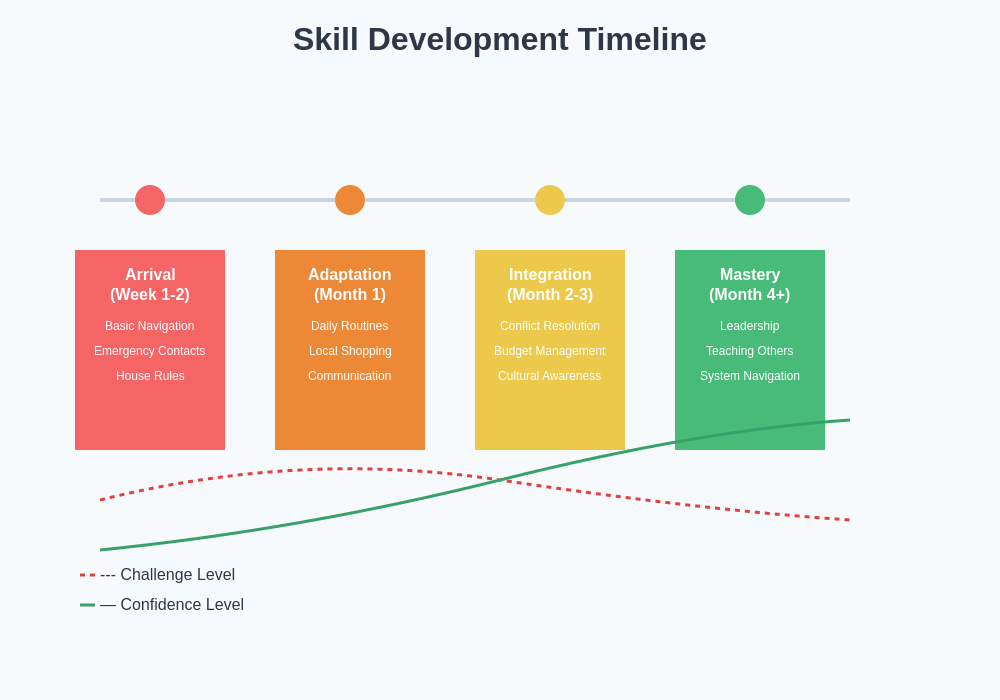
Tokyo’s complex urban environment presents international residents with daily situations that demand immediate solutions without the luxury of extensive research or external guidance. Living with Japanese roommates in Tokyo sharehouses creates scenarios where residents must navigate cultural expectations and communication styles that differ significantly from their home countries, forcing rapid adaptation and skill development.
The absence of familiar support networks means that tasks previously handled by family members, local friends, or familiar service providers suddenly become personal responsibilities that must be mastered quickly. Simple activities like grocery shopping, utility management, and transportation navigation transform into learning experiences that require residents to develop research skills, problem-solving abilities, and confidence in unfamiliar situations.
Language barriers compound these challenges by eliminating the possibility of seeking detailed explanations or nuanced guidance from local sources. Residents must develop alternative communication strategies, visual learning techniques, and the ability to understand complex systems through observation and experimentation rather than verbal instruction. This necessity-driven learning process builds confidence and resourcefulness that extends far beyond language acquisition.
The geographic isolation from home country support systems creates immediate pressure to develop local networks and resource identification skills. Making friends through Tokyo sharehouse communities becomes not just a social activity but a survival strategy for accessing information, assistance, and emotional support that enables continued growth and adaptation.
Financial Management Under Pressure
The financial realities of sharehouse living in Tokyo force residents to develop sophisticated budgeting and resource management skills that many had never needed to master in their home environments. Living costs in Tokyo sharehouses explained reveals the complexity of managing multiple expense categories while dealing with currency fluctuations, unfamiliar payment systems, and limited income sources.
Monthly budget management becomes a critical survival skill when residents must balance rent, utilities, food, transportation, and emergency expenses within strict financial constraints. The inability to rely on family financial support or familiar banking systems forces residents to develop detailed tracking systems, expense optimization strategies, and emergency planning capabilities that create long-term financial literacy and responsibility.
Currency exchange considerations and international money transfer logistics add complexity to financial planning that requires residents to understand global financial systems, timing strategies, and cost optimization techniques. These skills develop through necessity as residents face real consequences for poor financial decisions and must learn to navigate complex systems without extensive guidance.
The shared expense dynamics of sharehouse living teach residents to manage group financial responsibilities, negotiate fair cost distributions, and handle financial conflicts diplomatically. How shared expense apps create new problems illustrates how technology solutions still require human judgment and communication skills that residents must develop through practical experience.
Emergency financial planning becomes essential when residents face unexpected expenses, income disruptions, or emergency travel needs without access to immediate family support. This necessity drives the development of risk assessment skills, savings discipline, and creative problem-solving for financial challenges that builds lasting financial resilience.
Practical Life Skills Acceleration
The shared living environment of Tokyo sharehouses creates situations where residents must rapidly acquire practical skills that many adults in their home countries might never need to develop independently. Kitchen management, equipment maintenance, cleaning coordination, and space organization become daily requirements rather than optional life skills.
Cooking abilities develop quickly when residents face limited food budgets, dietary restrictions, and shared kitchen resources that make restaurant dining impractical for regular meals. How dietary restrictions complicate meal planning demonstrates how residents must learn ingredient substitution, meal planning, and cooking techniques through experimentation and necessity rather than formal instruction.
Equipment repair and maintenance skills emerge when residents cannot afford professional services for minor issues and must learn to troubleshoot appliances, furniture problems, and technology issues independently. The combination of language barriers and cost considerations makes self-reliance the most practical solution for many maintenance challenges.
Cleaning and organization abilities develop through the necessity of maintaining acceptable living standards in shared spaces while respecting cultural expectations and house rules. How cleaning responsibilities create house drama shows how residents must develop efficient cleaning routines, conflict resolution skills, and collaborative approaches to shared space maintenance.
Time management and scheduling skills become critical when residents must coordinate shared resources, manage multiple responsibilities, and maintain work-study-social balance without familiar support systems. The inability to delegate or postpone essential tasks forces residents to develop prioritization abilities and efficient routine management.
Cultural Navigation and Communication
The multicultural environment of Tokyo sharehouses requires residents to develop sophisticated cultural awareness and communication skills that extend far beyond language learning. Daily interactions with residents from different cultural backgrounds create constant learning opportunities that build cultural sensitivity and adaptive communication abilities through practical necessity.
Conflict resolution skills develop rapidly when residents must address misunderstandings, cultural clashes, and practical disagreements without the option of avoiding difficult conversations or seeking external mediation. How to handle roommate conflicts without moving out becomes essential knowledge that residents must apply regularly to maintain harmonious living conditions.
Non-verbal communication abilities emerge when language barriers prevent detailed verbal explanations but practical cooperation remains necessary for daily functioning. Residents learn to interpret cultural cues, understand implicit expectations, and communicate effectively through actions and demonstrations rather than words.
Cultural adaptation strategies develop through the necessity of participating in house activities, understanding social expectations, and maintaining respectful relationships with residents from diverse backgrounds. This process builds cultural intelligence and flexibility that benefits residents in future international or multicultural environments.
Negotiation and diplomacy skills emerge when residents must advocate for their needs while respecting cultural differences and house harmony. The inability to simply avoid difficult situations forces residents to develop constructive communication approaches that balance assertiveness with cultural sensitivity.
Technology and System Navigation
Tokyo’s complex technological and bureaucratic systems require residents to develop rapid learning abilities for unfamiliar digital platforms, government procedures, and service systems that operate differently from their home countries. Understanding utility bills in Japanese sharehouses represents just one example of systems that residents must master independently.
Digital literacy skills expand when residents must use Japanese-language applications, navigate complex online systems, and understand digital payment methods that are essential for daily functioning. The necessity of accessing these systems regularly forces rapid adaptation and technological problem-solving skill development.
Research and information validation abilities develop when residents must find reliable information about legal requirements, service options, and practical procedures without access to familiar information sources or expert guidance. This process builds critical thinking skills and information literacy that extends beyond the immediate sharehouse context.
Documentation and record-keeping skills become essential when residents must track visa requirements, lease obligations, financial records, and personal information across multiple systems and languages. The consequences of poor documentation management create immediate pressure to develop organized systems and attention to detail.
System troubleshooting abilities emerge when residents face technical problems with internet connectivity, digital services, or electronic devices without access to familiar technical support options. This necessity drives the development of logical problem-solving approaches and resourcefulness in finding solutions.
Emergency Response and Crisis Management
The isolation from familiar emergency support systems forces sharehouse residents to develop rapid crisis response capabilities and emergency planning skills that many adults never acquire in their home environments. When facing medical emergencies, natural disasters, or personal crises, residents must quickly identify resources and take appropriate action without familiar support networks.
Medical emergency navigation skills develop when residents must understand healthcare systems, insurance procedures, and emergency protocols while dealing with language barriers and cultural differences. How medical emergencies expose system weaknesses highlights how residents must become advocates for their own healthcare needs.
Natural disaster preparedness becomes a personal responsibility when residents must understand earthquake protocols, emergency evacuation procedures, and disaster supply management without relying on family or familiar authorities for guidance. Why earthquake preparedness varies by Tokyo area demonstrates the individual research and preparation required.
Personal safety assessment skills emerge when residents must evaluate neighborhood safety, understand cultural norms around personal security, and develop appropriate caution strategies for unfamiliar environments. This process builds situational awareness and risk assessment abilities that enhance personal safety in various contexts.
Crisis communication abilities develop when residents must contact emergency services, explain urgent situations across language barriers, and coordinate assistance during stressful circumstances. These skills build confidence and competency in handling high-pressure situations independently.
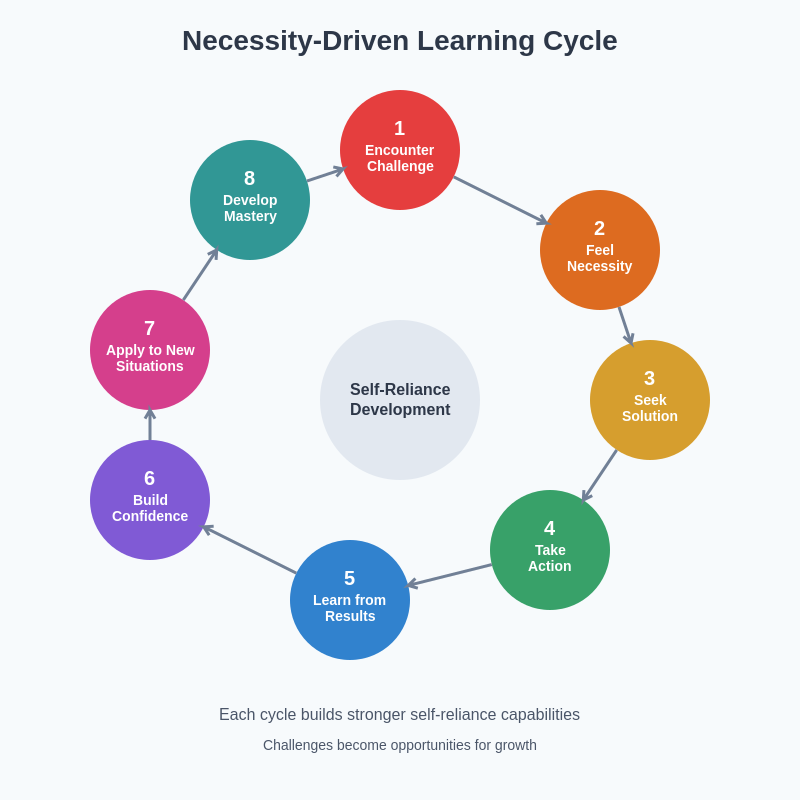
This continuous cycle of challenge, necessity, and skill development creates a self-reinforcing pattern where each successfully navigated obstacle builds capacity for handling increasingly complex situations with greater confidence and competence.
Long-term Personal Development
The cumulative effect of necessity-driven skill development in Tokyo sharehouses creates lasting personal transformation that extends far beyond the immediate living situation. Residents typically discover capabilities they never knew they possessed and develop confidence in their ability to handle unfamiliar challenges independently.
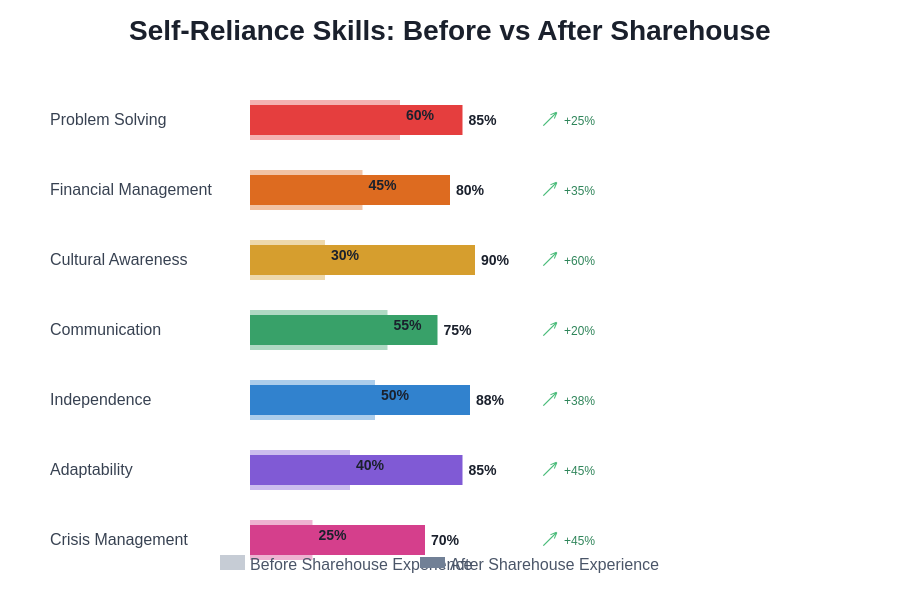
Problem-solving confidence builds through repeated success in navigating complex situations without external guidance. Each successfully resolved challenge reinforces residents’ belief in their ability to handle future obstacles, creating a positive feedback loop of increasing self-reliance and resilience.
Adaptability and flexibility skills develop through constant exposure to changing circumstances, unexpected challenges, and evolving living situations that require creative responses and attitude adjustments. This mental flexibility becomes a permanent asset for handling life changes and uncertainty.
Independence and self-advocacy abilities strengthen when residents must consistently represent their own interests, make important decisions without consultation, and take responsibility for outcomes in high-stakes situations. This process builds leadership capabilities and personal accountability that benefits future career and personal relationships.
Cultural competency and international awareness expand through daily exposure to diverse perspectives, values, and approaches to common challenges. This global mindset and cultural sensitivity becomes increasingly valuable in international career opportunities and personal relationships.
The necessity-driven development of self-reliance skills through Tokyo sharehouse living represents a transformative experience that creates lasting personal growth. While the challenges may seem overwhelming initially, the skills and confidence gained through navigating these difficulties independently provide residents with capabilities that enhance their effectiveness and resilience throughout their lives.
Residents who successfully develop self-reliance through sharehouse necessity typically find themselves better equipped to handle future challenges, more confident in unfamiliar situations, and more capable of independent decision-making in both personal and professional contexts. The investment in this challenging but rewarding experience pays dividends far beyond the immediate housing benefits, creating personal development that continues to benefit residents long after they move on to different living arrangements.
Disclaimer
This article is for informational purposes only and reflects general observations about personal development in sharehouse environments. Individual experiences may vary significantly based on personal circumstances, cultural background, and specific sharehouse conditions. The development of self-reliance skills involves personal challenges that may be difficult for some individuals. Readers should consider their own capabilities and support needs when making housing decisions. Professional guidance may be beneficial for those facing significant adaptation challenges or personal difficulties during international living experiences.