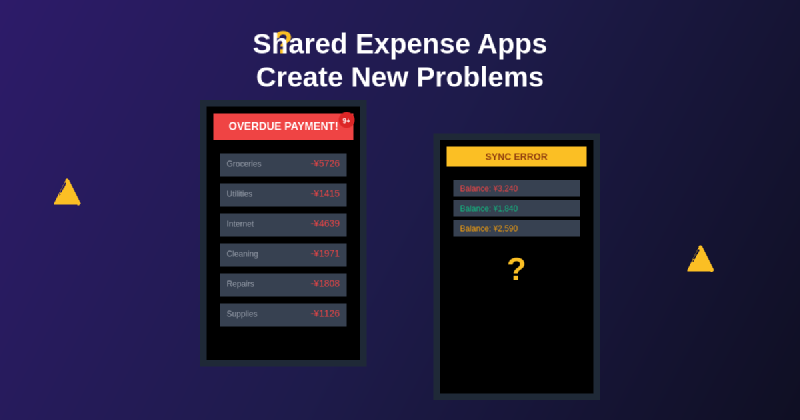
The digital revolution in personal finance management promised to simplify the complex task of managing shared expenses in sharehouses, yet the reality has proven far more complicated than anticipated. While expense-sharing applications initially appeared as elegant solutions to age-old problems of bill splitting and financial transparency among roommates, their implementation has inadvertently created entirely new categories of conflicts and complications that many residents never anticipated when adopting these technological tools.
The proliferation of shared expense applications such as Splitwise, Venmo, and various Japanese alternatives has fundamentally altered the social dynamics of sharehouse living, introducing layers of digital complexity that often exacerbate rather than resolve the financial tensions they were designed to eliminate. Understanding these emerging challenges becomes crucial for anyone considering the adoption of such technologies in their shared living arrangements.
The Illusion of Transparency and Its Consequences
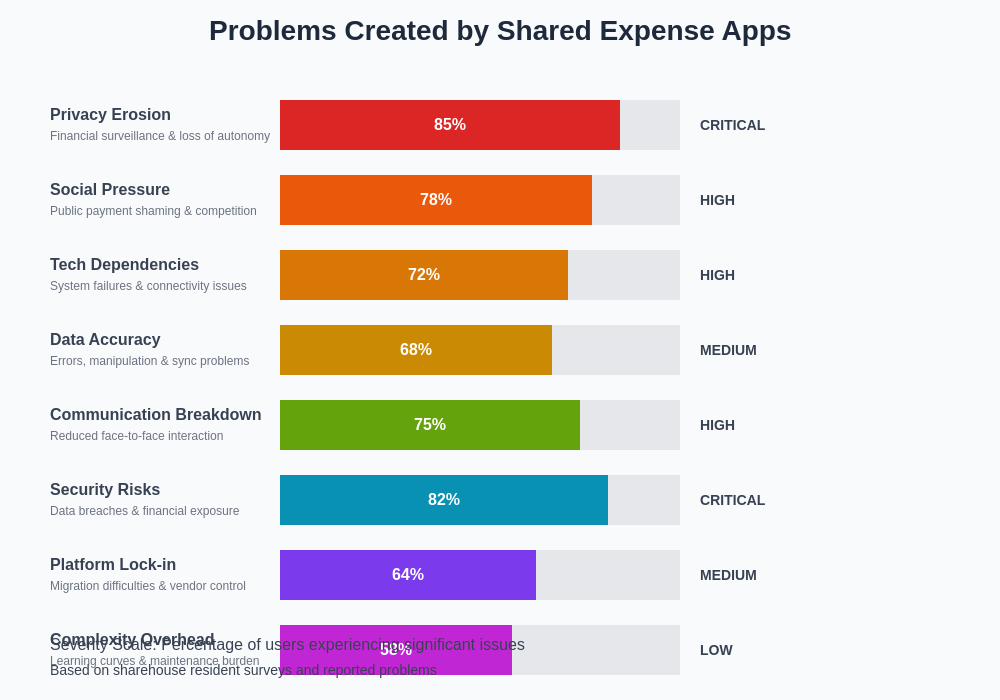
Modern expense-sharing applications market themselves on the promise of complete financial transparency among housemates, yet this supposed transparency often creates more problems than it solves. The constant visibility of every financial transaction among residents transforms previously private spending decisions into subjects of ongoing scrutiny and judgment, fundamentally altering the social fabric of shared living environments.
When every grocery purchase, utility payment, and household supply expense becomes immediately visible to all housemates through digital tracking systems, residents often experience heightened anxiety about their spending patterns and lifestyle choices. Understanding utility bills in Japanese sharehouses becomes complicated when digital apps create additional layers of complexity beyond traditional billing structures.
The psychological pressure of constant financial surveillance through these applications frequently leads to behavioral modifications that can be counterproductive to harmonious communal living. Residents may begin making purchasing decisions based not on household needs or personal preferences, but on how these choices will be perceived and judged by their housemates through the lens of shared expense tracking systems.
The false sense of precision that these applications provide can also mask underlying issues with expense allocation fairness. While traditional cash-based or simple calculation methods acknowledge their inherent approximation, digital apps create expectations of mathematical perfection that rarely reflect the complex realities of shared living arrangements and varying individual needs or usage patterns.
Technology Dependencies and System Failures
The reliability of shared expense applications becomes a critical vulnerability when all financial coordination depends on digital infrastructure that can fail without warning. How to handle roommate conflicts without moving out becomes particularly relevant when technology failures create financial disputes among previously harmonious housemates.
Server outages, application bugs, and synchronization failures can instantly paralyze household financial management, leaving residents unable to access critical information about outstanding balances, recent transactions, or payment deadlines. These technical disruptions often occur at the most inconvenient moments, such as when rent payments are due or during month-end financial reconciliation periods.
The dependency on smartphone technology and reliable internet connectivity also creates barriers for residents who prefer simpler financial management approaches or who may have limited access to cutting-edge mobile devices. This digital divide within sharehouses can create two-tiered systems where some residents become excluded from primary financial coordination mechanisms due to technological limitations.
Software updates and interface changes frequently disrupt established workflows and create confusion among users who had previously mastered the system. These disruptions require ongoing investment of time and mental energy to relearn processes, often negating the efficiency gains that motivated the original adoption of digital expense management tools.
Privacy Erosion and Financial Surveillance
The implementation of shared expense tracking applications fundamentally alters privacy expectations within sharehouse communities, creating unprecedented levels of financial surveillance that can strain interpersonal relationships and individual autonomy. Every purchase decision becomes subject to potential questioning and criticism from housemates who gain access to detailed spending information through these platforms.
Living with Japanese roommates in Tokyo sharehouses involves navigating cultural differences that become more complex when financial privacy expectations clash through digital exposure of spending patterns and lifestyle choices.
The granular data collection inherent in these applications often extends far beyond their intended purpose of expense splitting, creating detailed profiles of individual consumption habits, shopping preferences, and personal financial situations. This information accumulation can be used inappropriately during conflicts or disagreements, weaponizing financial data in ways that damage trust and community cohesion.
External data sharing practices by application providers also raise concerns about how resident financial information might be used by third parties for marketing, credit assessment, or other purposes that residents never explicitly consented to when adopting tools for simple expense management among housemates.
Social Pressure and Behavioral Modification
The gamification elements common in many shared expense applications create subtle but powerful social pressures that can negatively impact resident behavior and decision-making processes. Features such as payment reminders, debt visualization, and public transaction histories transform financial obligations into sources of social stress and competition among housemates.
The immediate visibility of payment status creates pressure for instant financial responses that may not align with individual financial management preferences or cash flow patterns. How much tokyo sharehouses really cost per month becomes more complicated when residents feel pressured to maintain perfect payment records for social status rather than managing expenses according to personal financial rhythms.
Notification systems that alert entire households about individual payment delays or outstanding balances create public shame mechanisms that can damage relationships and individual dignity. These automated social pressure systems often lack the nuance and understanding that human communication would provide in addressing financial coordination challenges.
The competitive aspects of some applications, such as spending comparisons or efficiency metrics, can create unhealthy dynamics where residents feel pressured to modify their legitimate needs or preferences to maintain favorable standings in digital ranking systems that reduce complex human needs to simple numerical comparisons.
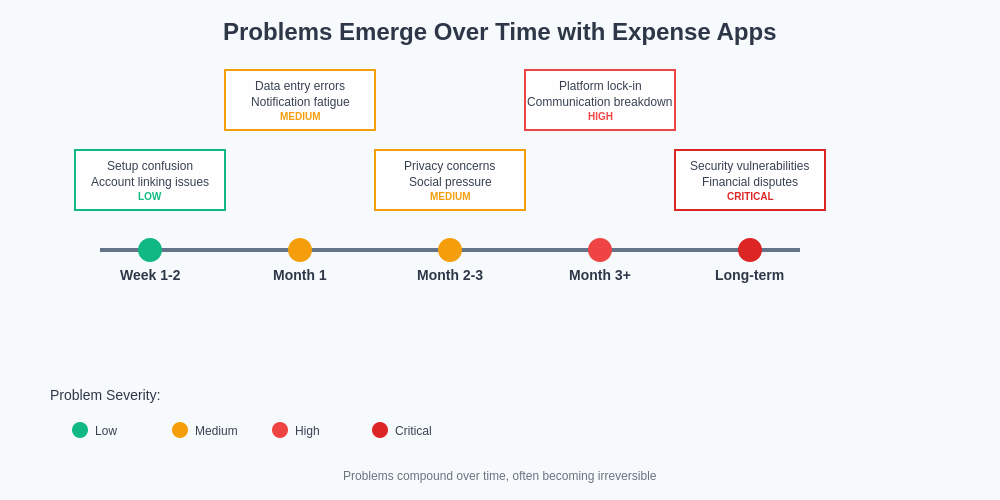
The evolution of problems with shared expense applications follows predictable patterns, with issues compounding over time as residents become increasingly dependent on systems that introduce new complications at each stage of usage.
Communication Breakdown and Digital Mediation
Shared expense applications often become substitutes for direct interpersonal communication about financial matters, creating barriers to the kind of open dialogue that healthy sharehouse communities require. The convenience of digital transaction recording can discourage residents from engaging in face-to-face discussions about spending priorities, budget concerns, or changing financial circumstances.
Making friends through tokyo sharehouse communities becomes more challenging when financial interactions are mediated through impersonal digital interfaces rather than fostering direct communication and mutual understanding among residents.
The reduction of complex financial situations to simple digital entries often fails to capture important context about spending decisions, special circumstances, or changing household needs. This oversimplification can lead to misunderstandings and conflicts that would be easily resolved through direct conversation but become entrenched when filtered through digital systems.
Automated messaging and notification systems frequently lack the tone and nuance necessary for sensitive financial communications, creating potential for misinterpretation and escalation of minor issues into significant interpersonal conflicts. The impersonal nature of digital financial reminders can make residents feel dehumanized or treated as simple debtors rather than community members with complex individual circumstances.
Data Accuracy and Manipulation Concerns
The apparent precision of digital expense tracking systems masks significant vulnerabilities to data entry errors, manipulation, and misinterpretation that can create serious financial disputes among housemates. Unlike cash transactions that provide immediate physical feedback, digital entries can be easily modified, backdated, or mischaracterized without obvious detection mechanisms.
Receipt photography and automatic categorization features frequently misinterpret purchase details, creating inaccurate expense records that require ongoing vigilance and correction efforts from all users. These systematic errors can accumulate over time, creating significant discrepancies that become difficult to identify and resolve retroactively.
The ability to edit historical transactions, while useful for correcting legitimate errors, also creates opportunities for intentional or accidental manipulation of financial records. How to spot financial red flags in sharehouse contracts extends to recognizing similar warning signs in digital expense management systems.
Currency conversion features and automatic calculation systems can introduce compounding errors that become buried within complex transaction histories. These technical inaccuracies often only surface during comprehensive reconciliation attempts, creating retroactive disputes about financial obligations that may be impossible to resolve definitively.
Platform Lock-in and Migration Challenges
The adoption of specific shared expense applications creates dependencies that become increasingly difficult to escape as transaction histories and financial relationships become embedded within proprietary systems. Changing platforms requires complex data migration processes that often result in loss of historical information and disruption of established financial tracking workflows.
Different applications use incompatible data formats and calculation methodologies, making it nearly impossible to maintain continuity when switching systems. This platform lock-in effect can trap sharehouse communities in suboptimal solutions even when better alternatives become available or when existing systems develop problems that affect daily usability.
Living costs in tokyo sharehouses explained becomes more complex when residents must factor in the hidden costs of platform dependencies, including subscription fees, premium features, and the time investment required to master and maintain digital expense management systems.
The discontinuation of applications or changes in service terms can instantly disrupt established financial management processes, forcing communities to rapidly adopt alternative solutions while potentially losing access to critical historical financial data that may be needed for dispute resolution or tax purposes.
Security Vulnerabilities and Financial Risk
Shared expense applications represent attractive targets for cybercriminals due to their concentration of financial data and payment credentials from multiple users within single platforms. Security breaches can expose sensitive financial information and banking details for entire sharehouse communities simultaneously, amplifying the potential impact of any successful attack.
The requirement to link bank accounts, credit cards, and payment systems to these applications creates multiple attack vectors that can be exploited to access resident financial resources. Best sharehouses in tokyo should consider security implications when evaluating communities that mandate specific financial management technologies.
Password sharing and account access practices that develop organically within sharehouse communities often compromise the security models that these applications assume, creating vulnerabilities that can be exploited by malicious actors or former residents who retain access credentials after moving out of shared living arrangements.
The storage of detailed financial transaction histories on external servers creates permanent records that could be subpoenaed, hacked, or misused in ways that residents never anticipated when adopting applications for simple expense splitting purposes among trusted housemates.
Alternative Approaches and Traditional Solutions
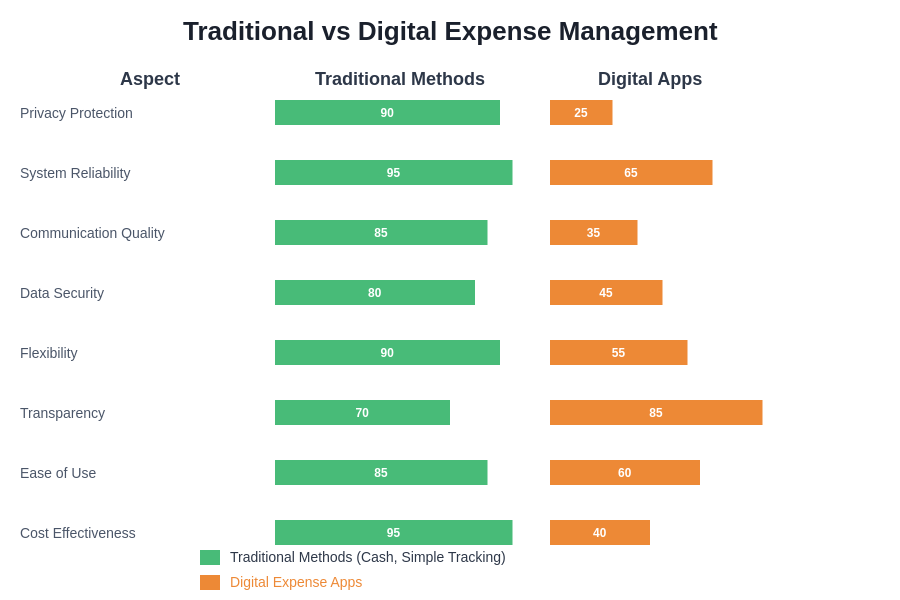
Many successful sharehouse communities have discovered that traditional financial management approaches often provide superior outcomes compared to digital expense tracking systems, particularly when combined with clear communication protocols and regular financial review meetings among residents.
Simple spreadsheet solutions, shared notebooks, or basic calculator-based splitting methods eliminate many of the complications introduced by specialized applications while maintaining the transparency and organization that residents seek from digital solutions. Japanese sharehouse rules every foreigner should know often emphasize traditional consensus-building approaches that work better than automated digital systems.
Cash-based expense management systems reduce dependency on technology infrastructure while providing immediate feedback about spending patterns and payment status. These approaches also eliminate privacy concerns and data security risks associated with digital platforms while fostering more direct communication about financial matters among housemates.
Hybrid approaches that combine periodic digital reconciliation with primarily cash-based daily operations can capture some benefits of both systems while minimizing the complications and vulnerabilities that arise from over-dependence on digital expense management platforms.
Building Sustainable Financial Management Systems
Successful sharehouse financial management requires careful consideration of both technological capabilities and human social dynamics, recognizing that tools should support rather than replace healthy communication and mutual respect among residents. How to calculate your true living costs involves understanding both obvious expenses and hidden costs of financial management systems themselves.
Communities that prioritize clear agreements about financial expectations, regular face-to-face discussions about household budgets, and flexible approaches that can accommodate changing circumstances often achieve better financial harmony than those that rely primarily on digital automation for expense coordination.
The most effective financial management systems in sharehouses tend to be those that remain simple enough for all residents to understand and participate in fully, rather than complex digital solutions that may exclude or disadvantage some community members based on their technological comfort or financial circumstances.
Regular evaluation and adjustment of financial management approaches allows sharehouse communities to adapt their systems based on actual experience rather than theoretical promises of technological solutions, ensuring that financial coordination serves the broader goal of harmonious communal living rather than becoming a source of ongoing stress and conflict.
The key to successful sharehouse financial management lies not in the sophistication of the tools employed, but in the commitment of all residents to transparency, communication, and mutual respect in their approach to shared financial responsibilities. Technology can support these human values, but it cannot substitute for the interpersonal skills and community commitment that form the foundation of successful shared living arrangements.
Disclaimer
This article is for informational purposes only and does not constitute professional financial or technical advice. The challenges described reflect common experiences reported by sharehouse residents but may not apply to all situations or applications. Readers should evaluate their specific circumstances and consider consulting with relevant professionals when making decisions about financial management systems. Individual experiences with expense-sharing applications may vary based on user behavior, application features, and community dynamics.