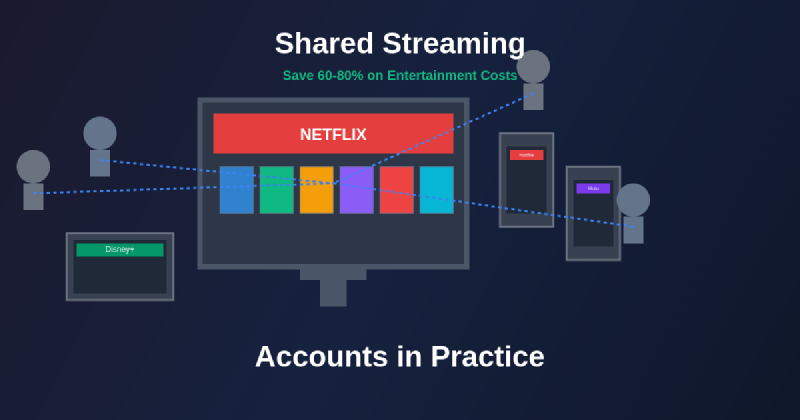
Shared streaming accounts in Japanese sharehouses represent a complex intersection of cost-saving opportunities, technical limitations, social dynamics, and legal considerations that create both significant benefits and ongoing challenges for residents seeking affordable entertainment options. The practical implementation of account sharing involves navigating service restrictions, managing payment responsibilities, coordinating viewing preferences, and establishing fair usage policies that maintain community harmony while maximizing value for all participants.
The evolution of streaming service policies, pricing structures, and technical restrictions has fundamentally altered how shared accounts function in practice, requiring sharehouses to adapt their sharing strategies to comply with changing terms of service while preserving the economic advantages that make account sharing attractive for international residents managing tight entertainment budgets.
Economic Benefits and Cost Distribution Models
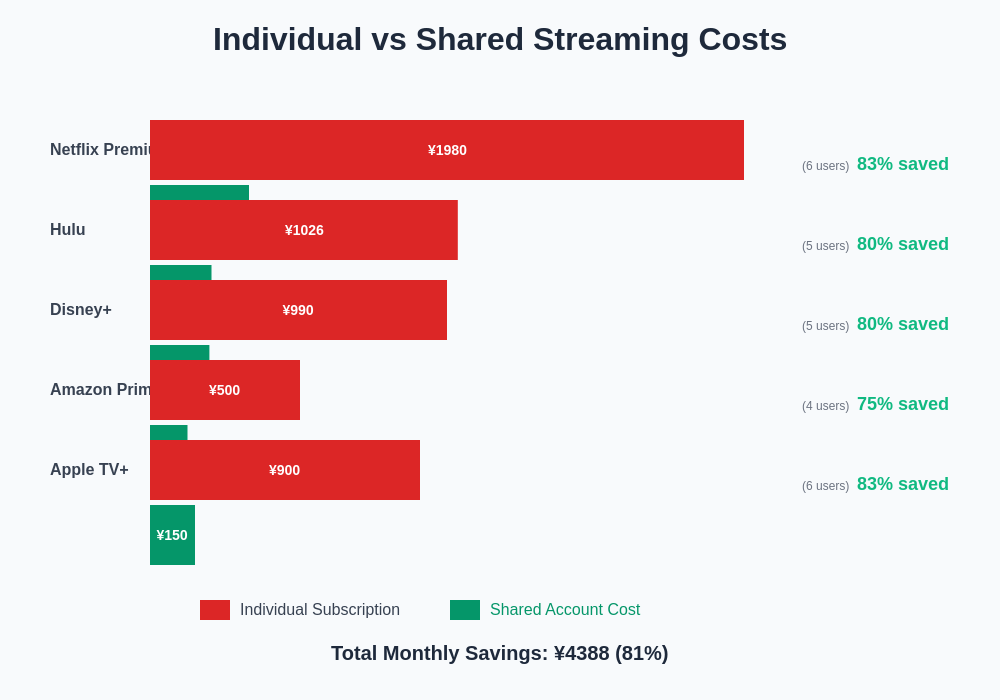
Cost reduction through shared streaming subscriptions can significantly decrease individual entertainment expenses when multiple residents split premium service fees across several users, often reducing per-person costs by sixty to eighty percent compared to individual subscriptions for comprehensive entertainment access. Living costs in Tokyo sharehouses explained becomes more manageable when entertainment expenses are distributed among multiple residents.
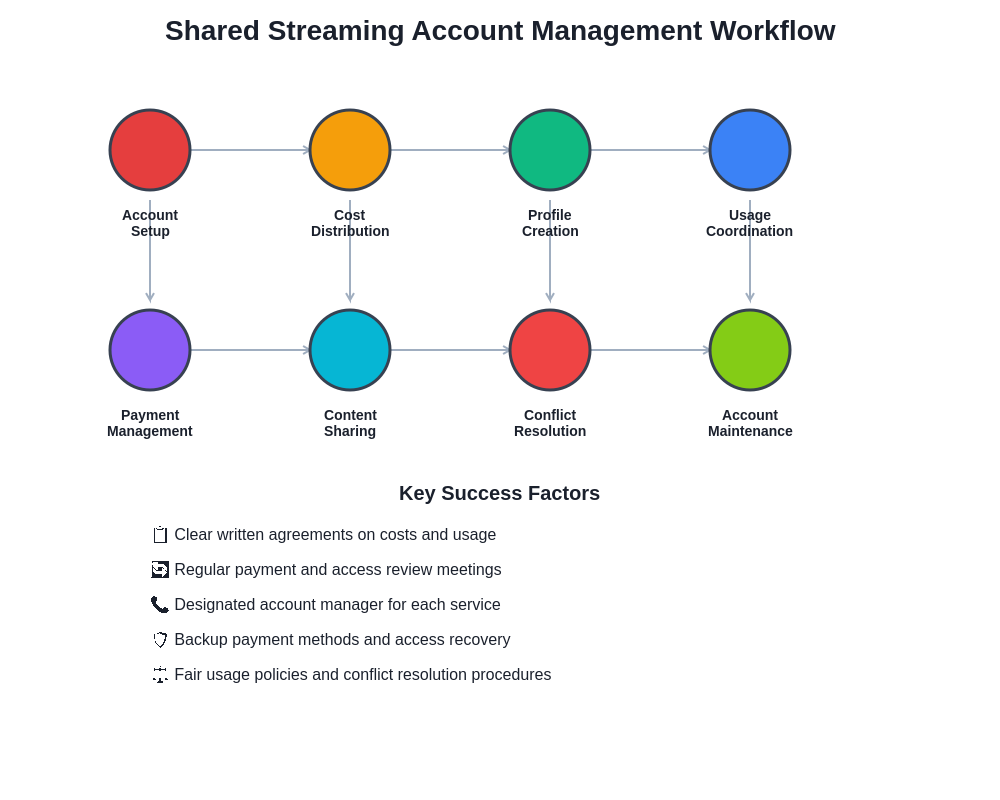
Payment coordination systems in sharehouses typically involve designated account managers who handle subscription payments and collect proportional contributions from participating residents, though this arrangement requires clear financial agreements and reliable payment collection mechanisms to maintain service continuity and prevent conflicts over missed payments.
Service tier optimization allows sharehouses to justify premium subscription levels that individual residents might consider too expensive, enabling access to higher video quality, multiple simultaneous streams, and exclusive content that enhances overall value when costs are distributed among several users who benefit from enhanced features.
Bundle opportunities emerge when sharehouses can combine multiple streaming services under family or group plans that offer better per-service pricing than individual subscriptions, though coordination complexity increases with the number of services and participants involved in shared arrangements.
Technical Limitations and Concurrent Usage Management
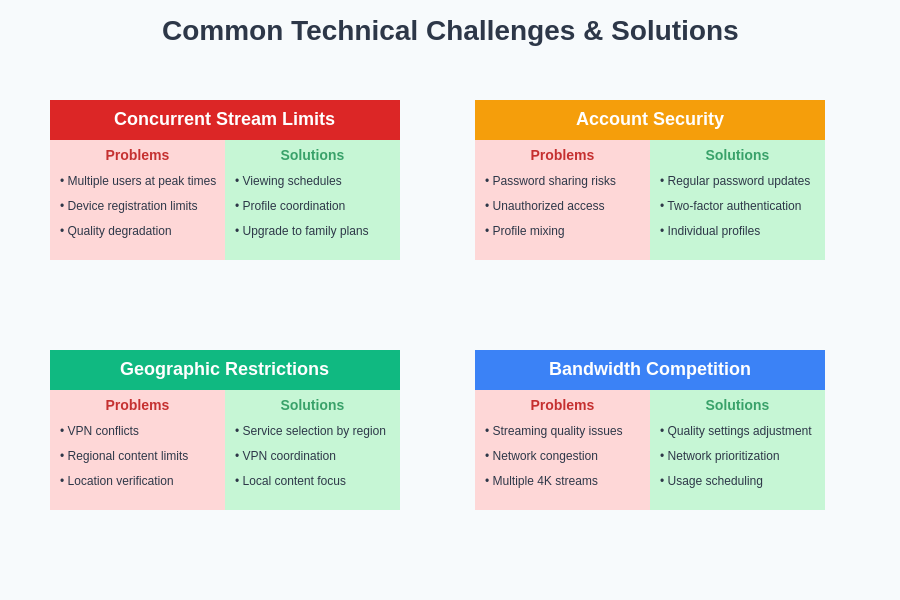
Simultaneous streaming limits imposed by most services create practical constraints when multiple residents attempt to access shared accounts concurrently, requiring informal scheduling systems or priority agreements that prevent access conflicts during peak viewing periods and popular content releases that attract high demand.
Device registration restrictions affect account sharing when services limit the number of registered devices or require periodic re-authentication that can disrupt viewing access for residents whose devices are not recognized as primary household devices by streaming platform algorithms designed to detect unauthorized sharing.
Bandwidth competition within sharehouses can affect streaming quality when multiple residents use shared internet connections for simultaneous video streaming, gaming, or other high-bandwidth activities that may degrade viewing experience and create conflicts over network usage priorities during peak demand periods.
Geographic restrictions and VPN complications arise when international residents use location-masking services to access content from their home countries, potentially violating streaming service terms while creating technical conflicts that affect other users of shared accounts and may trigger service restrictions or account suspensions.
Account Management and Administrative Responsibilities
Profile creation and management requires coordination between account administrators and residents to establish individual viewing profiles, manage parental controls, and maintain viewing history privacy while ensuring all participants have appropriate access levels and personalized content recommendations that enhance individual user experience.
Password security and access control become complex when multiple residents require login credentials while maintaining account security, often necessitating password sharing protocols, regular credential updates, and clear policies about sharing access information with guests or former residents who may retain unauthorized access.
Payment responsibility designation involves establishing clear accountability for subscription fees, renewal dates, and service upgrades that affect all users, with backup payment methods and communication protocols to prevent service interruptions when primary account managers travel, move out, or experience financial difficulties that could disrupt service continuity.
Service addition and cancellation decisions require consultation among participating residents when account managers consider adding new streaming services, upgrading subscription tiers, or canceling services that may no longer provide adequate value for the group, balancing individual preferences with collective cost considerations.
Content Access and Viewing Coordination
Priority viewing systems often develop informally in sharehouses when popular content releases create demand that exceeds simultaneous streaming capacity, leading to negotiated viewing schedules, binge-watching coordination, or informal agreements about content access during high-demand periods that require community cooperation and compromise.
Language and subtitle preferences create complexity when international residents have different language needs for content consumption, requiring streaming services that support multiple subtitle languages and audio tracks while accommodating diverse linguistic preferences within shared viewing experiences and individual viewing sessions.
Content discovery and recommendation sharing becomes a community activity when residents share viewing recommendations, coordinate group viewing sessions, and collaborate on content selection that appeals to diverse cultural backgrounds and entertainment preferences represented within international sharehouse communities.
Regional content availability varies significantly between streaming platforms and geographic locations, creating access disparities when some residents can access content that others cannot due to licensing restrictions, regional availability, or account location settings that affect content libraries available to shared account users.
Social Dynamics and Conflict Resolution
Viewing habit conflicts arise when residents have dramatically different entertainment preferences, viewing schedules, or content consumption patterns that create competition for access to shared accounts during overlapping usage periods, requiring diplomatic solutions and compromise to maintain community harmony while ensuring fair access.
Privacy concerns emerge when shared account usage creates visible viewing histories, recommendation algorithms influenced by multiple users, and potential exposure of personal entertainment preferences that some residents may prefer to keep private from housemates who share streaming accounts.
Guest access policies require clear agreements about whether visitors, family members, or friends of residents can use shared streaming accounts, balancing hospitality with service restrictions and fairness considerations that prevent abuse of shared arrangements while maintaining reasonable social flexibility.
Departure procedures become necessary when residents move out and must transfer their streaming service contributions, remove their profiles, and ensure continued access for remaining residents without disrupting established sharing arrangements that may involve multiple services and complex payment structures.
Legal and Terms of Service Considerations
Service agreement compliance requires understanding streaming platform terms of service that may restrict account sharing to household members, define geographic usage limitations, or impose other restrictions that sharehouses may inadvertently violate through their sharing practices, creating potential account suspension risks.
Intellectual property respect involves ensuring that shared streaming arrangements comply with content licensing agreements and platform policies designed to prevent unauthorized distribution, though the practical implications for typical sharehouse sharing arrangements remain somewhat ambiguous under current enforcement practices.
Account ownership clarity becomes important when disputes arise about access rights, payment responsibilities, or service management decisions, requiring clear agreements about who holds ultimate authority over shared accounts and how decisions affecting all users will be made and implemented.
Privacy policy implications affect how personal viewing data, payment information, and account access records are handled when multiple residents share streaming services, particularly regarding data protection and information sharing between account users and platform operators.
Alternative Sharing Models and Arrangements
Rotation systems allow sharehouses to cycle through different streaming services on monthly or seasonal bases, enabling access to diverse content libraries while maintaining budget control and preventing subscription fatigue that can occur when residents pay for multiple services simultaneously over extended periods.
Individual contribution pooling creates shared entertainment budgets where residents contribute fixed monthly amounts toward streaming services selected collectively by the group, providing flexibility to add or remove services based on content availability and resident preferences without requiring individual subscription management.
Hybrid sharing arrangements combine shared premium services for common viewing with individual subscriptions for personal entertainment preferences, allowing residents to maintain some private streaming access while benefiting from cost savings on shared services used for community viewing and popular content.
Making friends through Tokyo sharehouse communities often involves shared entertainment experiences that streaming account sharing can facilitate through coordinated viewing sessions and content discovery activities that bring residents together around common interests.
Technology Integration and Smart Home Compatibility
Streaming device management requires coordination when sharehouses use shared smart TVs, streaming sticks, or gaming consoles for entertainment access, necessitating agreements about device settings, app installations, and account configurations that accommodate multiple users while maintaining system functionality and security.
WiFi network optimization becomes crucial when multiple residents stream content simultaneously, requiring adequate bandwidth allocation, quality of service prioritization, and network management strategies that ensure stable streaming performance during peak usage periods and prevent connectivity issues that affect viewing quality.
Smart home integration possibilities enable streaming services to work with voice assistants, automated lighting, and other connected devices that enhance viewing experiences, though coordination among multiple users requires clear protocols about smart home device access and entertainment system control to prevent conflicts.
Mobile device synchronization allows residents to begin viewing content on personal devices and continue on shared screens, though this functionality requires careful account management and profile coordination to maintain viewing continuity and personalized recommendations across different devices and platforms.
Financial Management and Billing Coordination
Automatic payment setup and backup arrangements ensure subscription continuity when primary account holders travel, experience financial difficulties, or change banking information, requiring contingency plans and alternative payment methods that prevent service interruptions affecting all shared account users.
Cost tracking and expense reporting help participating residents monitor their entertainment spending contributions and understand the value provided by shared streaming arrangements compared to individual subscriptions, enabling informed decisions about continued participation and service selection modifications.
Currency conversion considerations affect international residents who may need to handle payments in different currencies, particularly when streaming services charge in Japanese yen but residents maintain bank accounts in their home country currencies, creating exchange rate implications for cost-sharing calculations.
How to budget realistically for sharehouse living should include streaming service costs and sharing arrangements that can significantly impact monthly entertainment expenses and overall living cost calculations for international residents.
Service Selection and Platform Evaluation
Content library assessment involves evaluating different streaming platforms based on the diverse entertainment preferences of international sharehouse residents, considering factors such as language availability, regional content, international programming, and genre diversity that appeal to multicultural communities.
Platform comparison methodologies help sharehouses make informed decisions about which streaming services provide the best value for their specific resident demographics, viewing habits, and budget constraints, often requiring trial periods and resident feedback to optimize service selection for community satisfaction.
Seasonal subscription strategies allow sharehouses to take advantage of limited-time programming, sports seasons, or exclusive content releases by temporarily subscribing to specific services during peak content periods while maintaining core entertainment access through year-round subscriptions to primary platforms.
International content availability becomes particularly important in sharehouses with diverse international residents who may seek programming from their home countries, requiring streaming services that offer robust international content libraries or tolerance for VPN usage that enables access to geographically restricted programming.
Troubleshooting and Technical Support
Common streaming issues including buffering problems, login difficulties, device compatibility errors, and content access restrictions require collaborative troubleshooting approaches when problems affect multiple residents using shared accounts, often necessitating coordination with technical support services and resolution strategies.
Account recovery procedures become complex when shared accounts experience security issues, password problems, or access restrictions that affect multiple users, requiring clear protocols for resolving technical difficulties while maintaining service access for all participating residents during problem resolution periods.
Device compatibility management ensures that streaming services function properly across the diverse range of personal devices, smart TVs, gaming consoles, and mobile platforms used by sharehouse residents, requiring technical coordination and sometimes equipment upgrades to maintain optimal streaming performance.
Japanese sharehouse rules every foreigner should know often include guidelines about internet usage, entertainment system access, and shared device protocols that affect how streaming accounts can be practically implemented and managed within house communities.
Future Trends and Industry Evolution
Streaming service consolidation and platform changes continue to affect shared account viability as companies modify their sharing policies, pricing structures, and technical restrictions in response to password sharing concerns and revenue optimization strategies that may impact traditional sharehouse sharing arrangements.
Enhanced verification systems and household authentication measures being implemented by major streaming platforms may require sharehouses to adapt their sharing strategies or transition toward alternative entertainment access models that comply with increasingly restrictive sharing policies while maintaining cost-effectiveness.
Community viewing features and social streaming capabilities being developed by various platforms may provide new opportunities for legitimate shared viewing experiences that accommodate sharehouse communities while satisfying platform requirements for authorized usage and appropriate compensation.
Technology integration advances including improved smart home compatibility, enhanced mobile synchronization, and AI-powered content curation may create new possibilities for managing shared streaming accounts effectively while addressing current limitations and coordination challenges that affect practical implementation.
The practical success of shared streaming accounts in sharehouses depends heavily on clear communication, fair cost distribution, technical coordination, and community cooperation that balance individual entertainment needs with collective economic benefits. How to find the perfect sharehouse in Tokyo should include consideration of entertainment sharing policies and community approaches to digital entertainment that can significantly affect daily life satisfaction and monthly living expenses.
Disclaimer
This article provides general information about streaming account sharing practices for educational purposes and does not constitute legal advice or endorsement of any specific sharing arrangements. Streaming service terms of service, sharing policies, and legal requirements vary by platform and jurisdiction. Residents should review individual service agreements and consult with appropriate professionals when implementing sharing arrangements. The effectiveness and legality of sharing practices may change as platforms modify their policies and enforcement measures.