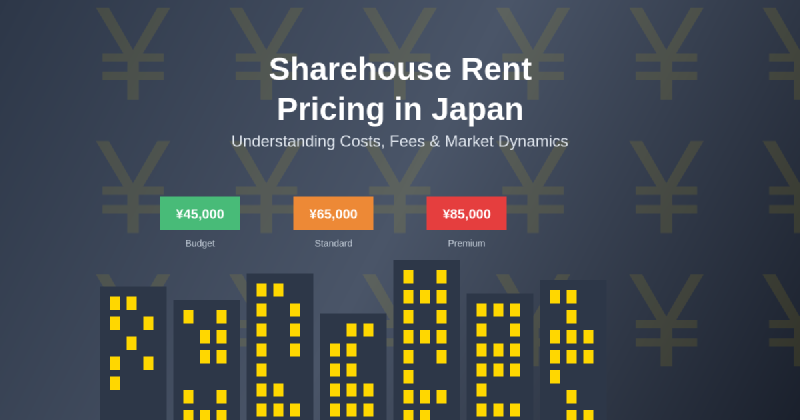
Understanding how sharehouse rent pricing operates in Japan requires navigating a complex system of factors that extend far beyond simple supply and demand economics. The Japanese housing market operates under unique cultural, legal, and economic frameworks that create pricing structures significantly different from Western rental markets, making it essential for international residents to comprehend these mechanisms before committing to any living arrangement.
The intricate relationship between location premiums, property amenities, seasonal demand fluctuations, and hidden fee structures creates a pricing landscape that can appear opaque to newcomers but becomes predictable once you understand the underlying principles that govern Japanese real estate markets. This comprehensive analysis will demystify sharehouse rent pricing mechanisms and provide practical insights for making informed housing decisions.
Foundation of Japanese Sharehouse Pricing Structure
Japanese sharehouse rent pricing operates on a multi-tiered system that begins with the base monthly rent but extends through numerous additional charges that collectively determine your total housing expenses. Unlike traditional apartment rentals that may bundle various services into a single monthly payment, sharehouses typically itemize costs to provide transparency while allowing operators to adjust individual components based on market conditions and operational requirements.
The base rent structure reflects the fundamental value proposition of your living space, incorporating factors such as room size, privacy level, furnishing quality, and access to common facilities. How much Tokyo sharehouses really cost per month provides essential context for understanding these baseline pricing components and their relative importance in different market segments.
Property operators typically establish pricing tiers that reflect different accommodation levels, from budget dormitory-style arrangements to premium private rooms with en-suite facilities. These tiers create clear value propositions while allowing residents to select accommodation levels that align with their financial capabilities and lifestyle preferences without compromising access to shared community benefits.
Geographic Location Impact on Pricing
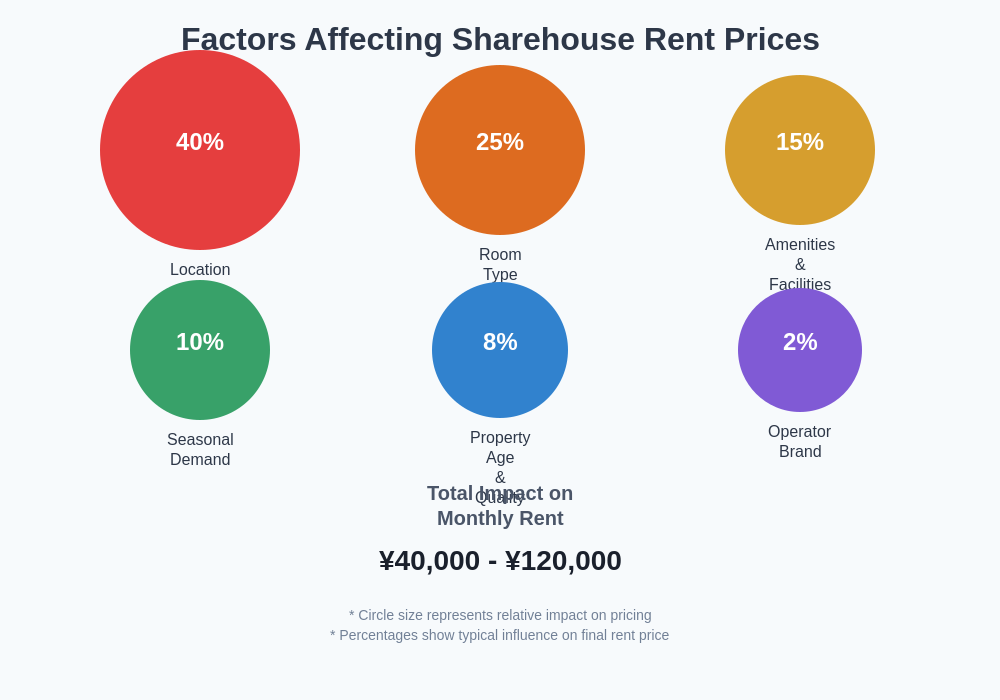
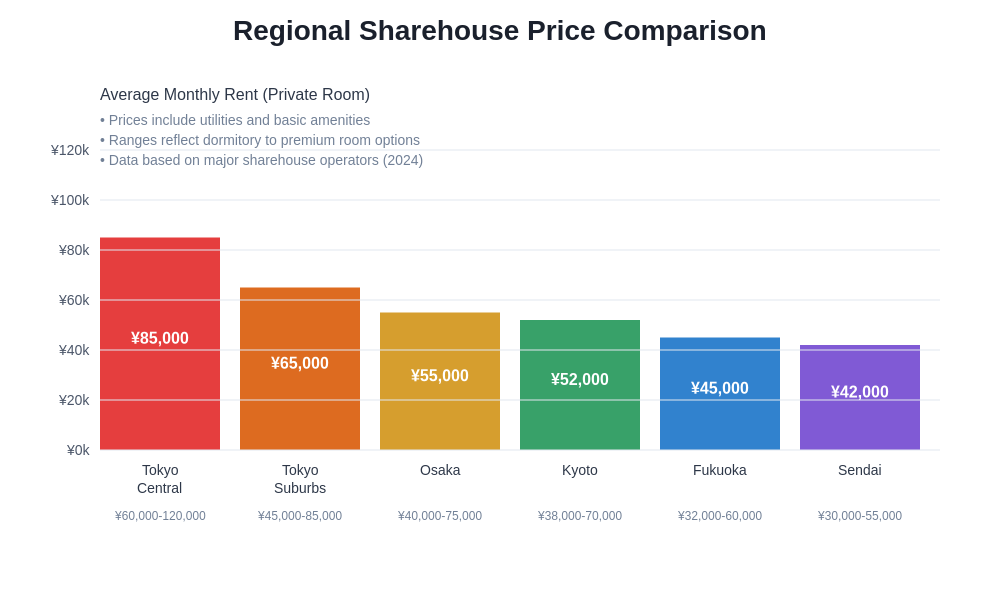
Geographic location represents the single most significant factor influencing sharehouse rent prices across Japan, with dramatic variations occurring not only between major cities but also within different districts of the same metropolitan area. Tokyo’s central wards command premium prices that can exceed suburban alternatives by 200-300%, reflecting the concentrated demand for convenient access to business districts, entertainment areas, and transportation hubs.
The relationship between train station proximity and rental prices follows predictable patterns, with properties within walking distance of major stations commanding substantial premiums over those requiring bus connections or longer walks. Best Tokyo neighborhoods for sharehouse living explores how different areas balance accessibility with affordability, helping residents understand the trade-offs inherent in location-based pricing decisions.
Regional variations extend beyond Tokyo to encompass Japan’s other major metropolitan areas, where cities like Osaka, Kyoto, and Fukuoka offer significantly lower baseline prices while maintaining quality accommodation standards. Tokyo vs Osaka sharehouses for international students examines how geographic arbitrage opportunities can dramatically impact housing affordability for budget-conscious residents.
Neighborhood characteristics such as safety ratings, demographic composition, and local amenity availability create micro-markets within larger metropolitan areas, where seemingly similar properties can vary substantially in price based on subtle locational advantages or disadvantages that may not be immediately apparent to international residents unfamiliar with local market dynamics.
Property Type and Amenity Pricing
The physical characteristics and amenity offerings of sharehouse properties create distinct pricing categories that reflect different target demographics and lifestyle preferences. Purpose-built sharehouses designed specifically for international co-living typically command premium prices due to their optimized layouts, modern amenities, and integrated community features that facilitate social interaction and cultural exchange.
Converted residential buildings and traditional Japanese houses adapted for shared living often offer more affordable alternatives while providing authentic cultural experiences that appeal to residents seeking immersive Japanese living environments. Japanese sharehouse rules every foreigner should know helps international residents understand how traditional housing features influence both pricing and daily living experiences.
Premium amenities such as rooftop terraces, fitness facilities, co-working spaces, and concierge services add substantial value to monthly rent while attracting residents willing to pay higher prices for enhanced convenience and lifestyle benefits. Luxury sharehouses worth the extra cost in Tokyo analyzes when premium pricing delivers proportional value improvements.
Room-specific features including private bathrooms, balcony access, larger floor areas, and premium furnishings create internal pricing hierarchies within individual properties, allowing operators to capture different price points while maintaining community cohesion among residents with varying budget capabilities and accommodation preferences.
Seasonal Demand and Market Fluctuations
Japanese sharehouse pricing experiences predictable seasonal fluctuations that correspond to academic calendars, corporate hiring cycles, and international migration patterns. The spring months of March through May represent peak demand periods when university admissions, job transfers, and tourist visa conversions create intense competition for available accommodation, driving prices higher and reducing negotiating power for prospective residents.
Summer months typically see moderate demand levels with stable pricing, while autumn periods may offer slight discounts as university students and new graduates settle into established accommodation arrangements. Winter months often present the best opportunities for price negotiations and promotional offers, as reduced demand coincides with operators’ desires to maintain occupancy levels during traditionally slower periods.
Seasonal demand affects sharehouse prices examines how these cyclical patterns create strategic opportunities for cost-conscious residents willing to time their housing searches around market dynamics rather than immediate convenience factors.
Economic factors including currency exchange rates, tourism levels, and domestic economic conditions influence medium-term pricing trends that can significantly impact housing affordability for international residents dependent on foreign income sources or limited-duration visa arrangements.
Understanding Hidden Costs and Additional Fees
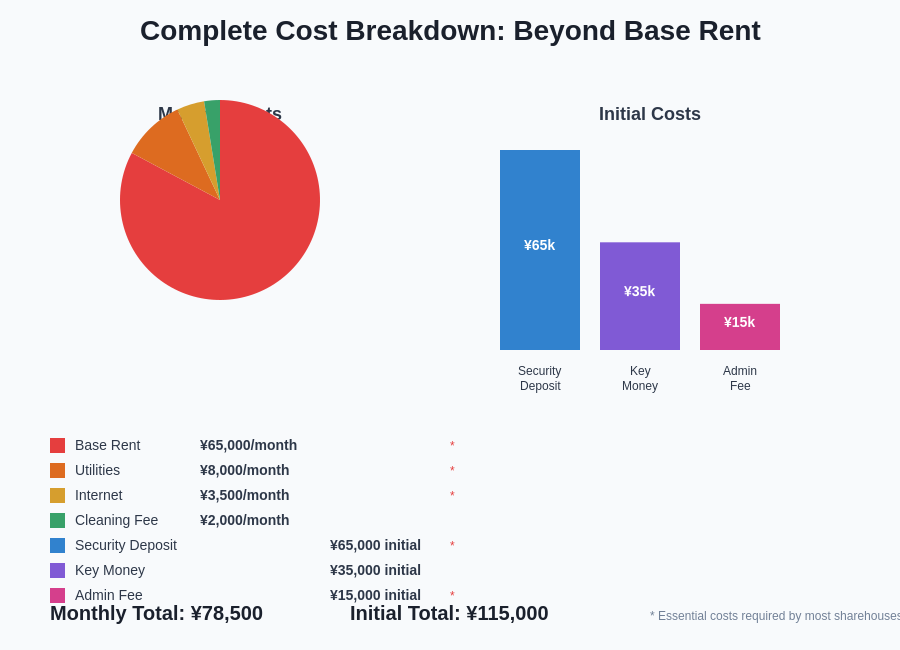
The complexity of Japanese sharehouse pricing extends beyond advertised monthly rents to encompass numerous additional charges that can substantially increase total housing expenses. Utility fees, internet charges, cleaning services, and facility maintenance costs often appear as separate line items that collectively add 15-25% to base rental amounts, requiring careful budget planning to avoid financial surprises.
Initial setup costs including security deposits, key money, administrative fees, and furnishing charges can require upfront payments equivalent to 3-6 months of base rent, creating significant financial barriers for residents without substantial savings or family support. What security deposits actually cover in sharehouses provides detailed analysis of these upfront investment requirements.
Monthly variable costs such as utility overages, guest fees, late payment penalties, and optional service charges create ongoing expense variability that requires active monitoring and budgeting discipline to maintain financial control. Understanding utility bills in Japanese sharehouses explains how these costs accumulate and strategies for managing them effectively.
Termination costs including cleaning fees, damage assessments, early departure penalties, and deposit deduction procedures can result in unexpected expenses during move-out processes, particularly for residents unfamiliar with Japanese housing standards and inspection procedures.
Operator-Specific Pricing Strategies
Different sharehouse operators employ distinct pricing strategies that reflect their target markets, service levels, and business models. Large commercial operators typically offer standardized pricing structures with transparent fee schedules and professional management services, while independent operators may provide more flexible arrangements with personalized pricing negotiations and customized service offerings.
International-focused operators often incorporate language support, cultural orientation services, and community programming into their pricing models, creating value propositions that justify premium rates for residents prioritizing smooth cultural transitions and international networking opportunities. English-speaking sharehouses in Tokyo for foreigners explores how specialized services influence pricing structures.
Budget-oriented operators focus on minimizing costs through efficient space utilization, reduced service levels, and streamlined operations that enable competitive pricing for cost-conscious residents willing to accept fewer amenities and support services. Cheaper sharehouse options in Tokyo suburbs examines how different business models create diverse pricing options.
Premium operators position themselves as lifestyle brands offering curated experiences, professional networking opportunities, and concierge-level services that command substantial price premiums while attracting residents focused on career advancement and social status rather than pure cost minimization.
Demographics and Tenant Mix Influence
The demographic composition and tenant mix within sharehouses significantly influence pricing structures through their impact on demand patterns, community dynamics, and operational requirements. Student-focused properties typically offer lower base rents while accommodating younger demographics with limited financial resources but higher tolerance for shared facilities and social interaction.
Professional-oriented sharehouses command higher prices by targeting working adults willing to pay premiums for quieter environments, enhanced privacy, and networking opportunities with career-focused residents. Student sharehouses near top Tokyo universities demonstrates how different demographic targets create distinct pricing markets.
Gender-specific sharehouses often implement specialized pricing strategies that reflect different market dynamics, with female-only properties sometimes commanding premiums due to enhanced security features and reduced supply, while male-only facilities may offer competitive rates to attract residents in markets with abundant housing options.
Age-restricted communities targeting specific generational cohorts create niche markets with pricing structures that reflect the unique preferences and financial capabilities of their target demographics, from young professional networks to mature international residents seeking quieter living environments.
Contract Terms and Pricing Flexibility
Japanese sharehouse contracts incorporate various terms and conditions that significantly impact effective pricing beyond simple monthly rent calculations. Minimum stay requirements, renewal terms, and termination notice periods create financial commitments that extend beyond immediate housing costs and influence total cost-of-ownership calculations for prospective residents.
Short-term premium pricing for stays under six months reflects operators’ increased administrative costs and higher turnover rates, while long-term discounts reward residents committed to extended stays that provide operational stability and reduced marketing expenses. How to spot financial red flags in sharehouse contracts helps residents identify contract terms that affect total housing costs.
Renewal pricing policies vary significantly between operators, with some offering guaranteed rate stability for continuing residents while others implement annual increases that reflect market conditions and operational cost inflation. Understanding these policies becomes crucial for long-term budget planning and housing stability.
Early termination penalties and deposit return procedures create financial risks that must be factored into housing decisions, particularly for residents with uncertain employment situations or potential visa status changes that could require sudden relocations.
Market Competition and Pricing Transparency
The competitive landscape of Japanese sharehouses creates pricing pressures that benefit residents through improved value propositions and service quality, while simultaneously creating complexity through differentiated offerings that can be difficult to compare directly. Market leaders typically establish pricing benchmarks that influence industry standards while smaller operators compete through specialized services or unique value propositions.
Online platform integration and pricing transparency initiatives have improved market efficiency by enabling easier comparison shopping and reducing information asymmetries that previously favored operators with superior marketing resources. Digital transformation continues to reshape pricing dynamics through automated matching systems and dynamic pricing models that respond more rapidly to supply and demand fluctuations.
Regional market maturity levels create different competitive environments, with established markets like Tokyo offering extensive choice but higher baseline prices, while emerging markets in smaller cities provide affordability advantages but fewer accommodation options and potentially less developed service standards.
International market awareness and cross-border competition influence pricing strategies as operators recognize the global nature of their customer base and adjust offerings to compete with alternative accommodation options including hotels, traditional apartments, and emerging co-living concepts from other countries.
Economic Factors Affecting Long-term Pricing Trends
Broader economic conditions significantly influence sharehouse rent pricing through their impact on demand patterns, construction costs, regulatory environments, and international migration flows. Economic growth periods typically drive increased demand and higher prices, while economic uncertainty can create opportunities for negotiated rates and promotional offerings designed to maintain occupancy levels.
Currency exchange rate fluctuations particularly affect international residents whose income originates from foreign sources, creating effective rent increases or decreases that operate independently of local market conditions. Living costs in Tokyo sharehouses explained provides framework for understanding how currency movements impact housing affordability.
Regulatory changes affecting immigration policies, housing standards, and taxation create medium-term influences on pricing structures that may not be immediately apparent but can significantly impact long-term housing costs. Staying informed about policy developments helps residents anticipate and prepare for pricing changes that could affect their housing situations.
Construction costs, land values, and operational expense inflation create upward pressure on sharehouse rents that typically exceed general inflation rates, particularly in high-demand urban areas where development costs continue rising faster than overall economic growth rates.
Strategic Approaches to Rent Optimization
Understanding sharehouse rent pricing mechanisms enables strategic approaches to housing that can significantly reduce total living costs while maintaining access to desired amenities and locations. Timing housing searches to coincide with seasonal demand patterns, operator promotional periods, and market softness can yield substantial savings opportunities for flexible residents.
Negotiation strategies that demonstrate value to operators through long-term commitments, referral activities, community contributions, or maintenance assistance can result in preferential pricing arrangements that benefit both parties while creating sustainable housing relationships.
How to calculate your true living costs provides comprehensive frameworks for evaluating total cost-of-ownership across different housing options, enabling informed decisions that consider both immediate affordability and long-term financial implications.
Alternative housing timing strategies such as temporary accommodation during peak periods, strategic location flexibility, and gradual market entry through short-term arrangements can optimize housing costs while maintaining access to preferred markets and maintaining housing search flexibility.
Future Trends in Sharehouse Pricing
The evolution of Japanese sharehouse pricing continues responding to technological innovations, changing demographics, regulatory developments, and international market influences that reshape demand patterns and operational models. Digital platform integration enables more sophisticated pricing models that incorporate real-time market data, personalized preferences, and dynamic adjustment mechanisms.
Demographic shifts including aging populations, changing work patterns, and evolving lifestyle preferences create new market segments with distinct pricing requirements and value propositions that drive innovation in accommodation offerings and pricing structures.
Sustainability initiatives and environmental consciousness increasingly influence pricing through green building standards, energy efficiency requirements, and resident preferences for environmentally responsible accommodation options that may command premium prices while reducing operational costs.
International market integration and cross-border investment flows continue globalizing Japanese housing markets, introducing pricing models and competitive pressures from international operators while maintaining local market characteristics that reflect Japanese cultural preferences and regulatory requirements.
The future of sharehouse rent pricing in Japan will likely feature increased transparency, dynamic adjustment mechanisms, and personalized value propositions that reflect the growing sophistication of both operators and residents in understanding and optimizing housing value across multiple dimensions beyond simple cost minimization.
Disclaimer
This article is for informational purposes only and does not constitute professional financial or legal advice. Sharehouse rent pricing is subject to constant change based on market conditions, regulatory updates, and individual property factors. Readers should conduct their own research and consult with relevant professionals when making housing decisions. Actual pricing may vary significantly from examples provided, and individual circumstances may affect availability and terms of sharehouse accommodations.