Smart lock technology has revolutionized security management in Japanese sharehouses by providing sophisticated access control systems that address the unique challenges of shared living environments where multiple residents require flexible, secure, and manageable entry solutions. These advanced systems transform traditional key management from a cumbersome administrative burden into streamlined digital processes that enhance both security and convenience for residents and property managers alike.
The adoption of smart locks in sharehouses reflects broader technological trends toward digitization and automation in residential management, offering solutions to longstanding problems including key duplication, unauthorized access, resident turnover complications, and security monitoring that traditional mechanical systems cannot adequately address in dynamic shared living environments.
Traditional Key Management Challenges in Sharehouses
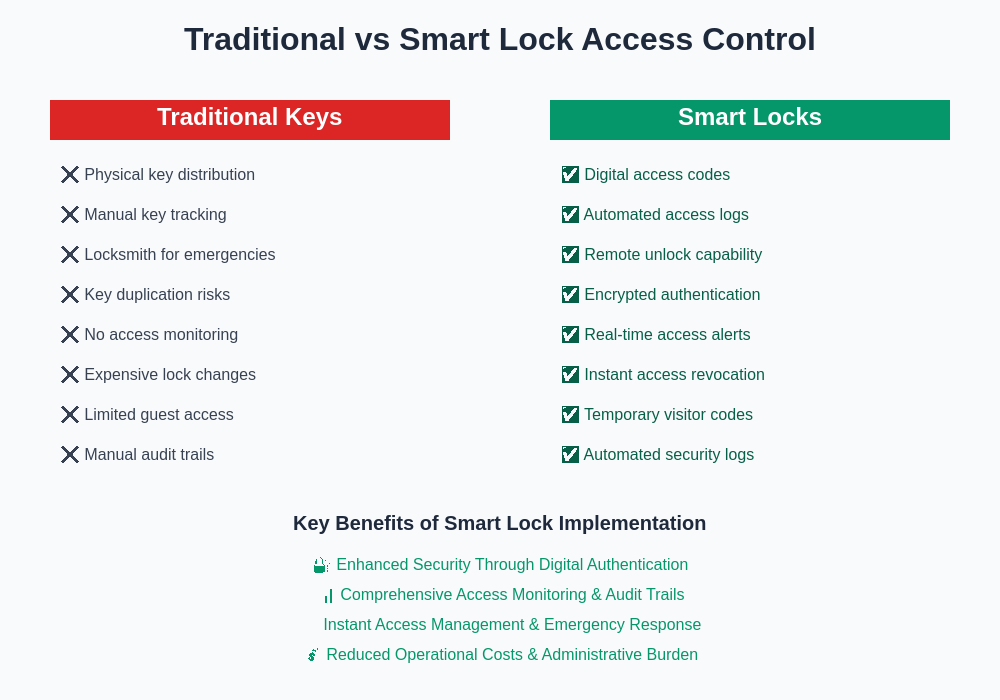
Conventional key systems in sharehouses create numerous operational difficulties including complex key distribution logistics when new residents join, security vulnerabilities from lost or duplicated keys, and administrative overhead for property managers who must coordinate physical key exchanges during resident transitions. Japanese sharehouse rules every foreigner should know often include detailed key management procedures that smart locks can significantly simplify.
Physical key security represents a persistent concern when multiple residents possess access credentials that can be easily copied, lost, or transferred to unauthorized individuals without property manager knowledge or consent, creating potential security breaches that compromise entire community safety and property protection.
Emergency access situations become problematic with traditional locks when residents are locked out, keys are forgotten inside rooms, or property managers need immediate access for maintenance or safety concerns, often requiring expensive locksmith services or complicated backup key arrangements that delay resolution of urgent situations.
Administrative burden increases significantly with conventional systems when property managers must track key assignments, coordinate exchanges during resident changes, maintain backup systems, and handle lock changes when security is compromised, consuming valuable time and resources that could be better allocated to community management and property improvement.
Smart Lock Technology Overview and Features
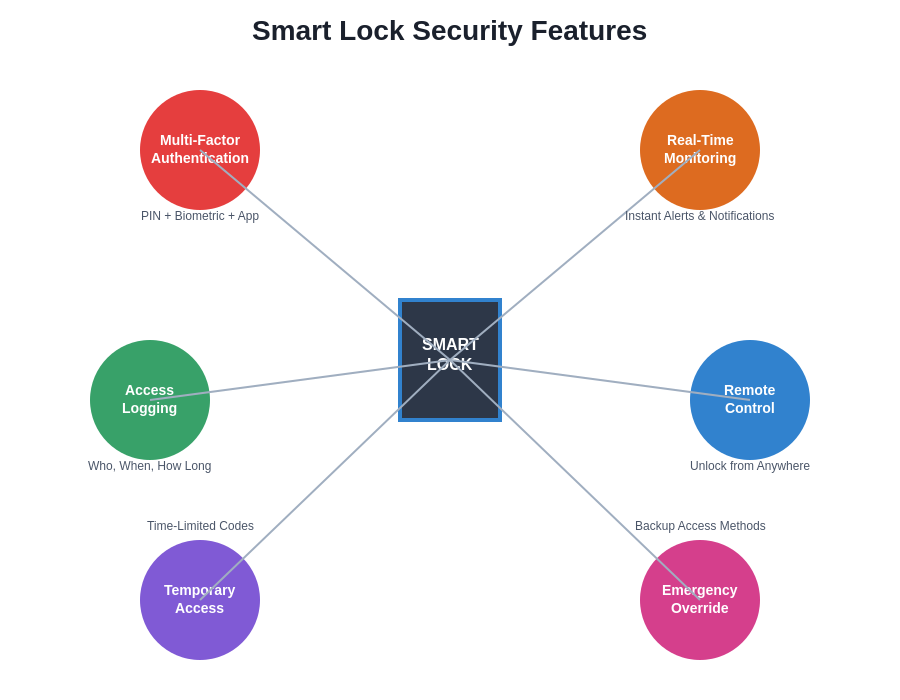
Digital access control systems in modern smart locks utilize various authentication methods including smartphone applications, PIN codes, biometric scanners, and RFID cards that provide multiple layers of security while maintaining convenient access for authorized users without requiring physical key management or distribution.
Remote management capabilities allow property managers to grant, modify, or revoke access permissions instantly through centralized control systems, enabling real-time response to security concerns, resident changes, or emergency situations without requiring physical presence at the property or coordination with residents for key exchanges.
Audit trail functionality provides detailed logging of all access events including time stamps, user identification, and entry attempts that create comprehensive security records for property managers to monitor access patterns, identify suspicious activity, and maintain accountability for all entry events affecting sharehouse security.
Integration possibilities with broader smart home systems enable smart locks to communicate with security cameras, lighting systems, alarm networks, and building management platforms that create comprehensive security ecosystems providing enhanced protection and automated responses to various security scenarios.
Enhanced Security Through Access Control
Temporary access permissions allow property managers to provide time-limited entry credentials for visitors, service providers, maintenance personnel, and prospective residents without compromising long-term security or requiring permanent key distribution that could create ongoing security vulnerabilities. How to find the perfect sharehouse in Tokyo becomes easier when viewing appointments can be scheduled with temporary access codes.
Individual access monitoring creates accountability systems where each resident’s entry and exit activities are logged, enabling property managers to identify unauthorized access attempts, monitor resident compliance with house rules, and investigate security incidents with precise timing and user identification data.
Revocation capabilities provide immediate security response when residents move out, lose access devices, or violate security policies, allowing property managers to instantly disable access permissions without requiring lock changes, key collection, or physical security modifications that delay response to security concerns.
Multiple authentication factors can be combined to create layered security requiring residents to present multiple forms of identification such as smartphone proximity, PIN codes, and biometric verification that significantly enhance security beyond what single-factor traditional keys can provide.
Operational Benefits for Property Management
Streamlined resident onboarding processes allow new tenants to receive access credentials digitally without requiring in-person key exchanges, property manager availability, or complex coordination that often delays move-in processes and creates administrative complications during resident transitions. What documents you need for Tokyo sharehouse applications become more relevant when digital access reduces physical security management requirements.
Cost reduction benefits include elimination of physical key production, locksmith services for emergency access, lock replacement after security compromises, and administrative time spent managing physical key distribution and collection processes that represent significant ongoing operational expenses for sharehouse operators.
Maintenance efficiency improves when property managers can provide temporary access to service providers, maintenance personnel, and emergency responders without requiring resident presence, physical key coordination, or scheduling complications that often delay necessary property maintenance and emergency response activities.
Scalability advantages become apparent when property managers operate multiple sharehouses and can manage all access control systems through centralized platforms that provide unified security oversight, consistent policies, and efficient administration across their entire property portfolio without requiring individual key management systems.
Resident Experience and Convenience Improvements
Keyless convenience eliminates common frustrations including forgotten keys, lockouts, key duplication needs, and access coordination that create daily stress and inconvenience for residents who benefit from reliable access through devices they naturally carry and use regularly. Living with Japanese roommates in Tokyo sharehouses becomes more harmonious when access issues are minimized through smart technology.
Guest access management allows residents to provide temporary entry permissions for visitors, family members, and friends without requiring physical key lending, security compromise, or coordination with property managers, enabling more flexible social interactions while maintaining security protocols.
Package delivery solutions enable residents to provide temporary access codes to delivery services, ensuring secure package receipt even when residents are away from the property, reducing package theft risks and delivery coordination complications that affect daily life convenience.
Emergency access capabilities ensure residents can enter their homes even when primary access methods fail through backup authentication options, emergency override systems, and remote unlock capabilities that prevent extended lockout situations requiring expensive emergency services.
Integration with Sharehouse Community Management
Automated check-in systems for new residents can be integrated with smart locks to provide seamless move-in experiences where access credentials are automatically activated upon lease execution, security deposit confirmation, and completion of required documentation, reducing administrative burden and improving resident onboarding experiences.
Event management capabilities allow community organizers to provide temporary access for social gatherings, workshops, and community activities without distributing physical keys or requiring constant supervision, enabling more flexible community programming while maintaining security standards.
Maintenance scheduling integration enables automated access provision for cleaning services, repair personnel, and property inspections based on pre-approved schedules and service arrangements, improving property maintenance efficiency while maintaining security protocols and resident privacy.
Communication systems can be integrated with smart lock platforms to notify residents about access events, security alerts, and system updates through existing communication channels, enhancing community awareness and security coordination without requiring separate notification systems.
Privacy and Data Security Considerations
Data protection measures become crucial when smart lock systems collect, store, and transmit sensitive access information including resident movement patterns, visitor records, and security events that require robust cybersecurity measures and compliance with privacy regulations affecting personal information handling.
Access log privacy requires careful balance between security monitoring needs and resident privacy expectations, with clear policies about data retention, access permissions, and information sharing that protect resident privacy while enabling necessary security oversight and incident investigation capabilities.
Cybersecurity vulnerabilities in smart lock systems create potential attack vectors for unauthorized access, data breaches, and system manipulation that require regular security updates, professional installation, and ongoing monitoring to maintain system integrity and prevent security compromises.
Consent and transparency requirements ensure residents understand data collection practices, access monitoring capabilities, and information retention policies associated with smart lock systems, enabling informed decisions about privacy trade-offs inherent in enhanced security technology adoption.
Cost-Benefit Analysis and Implementation Considerations
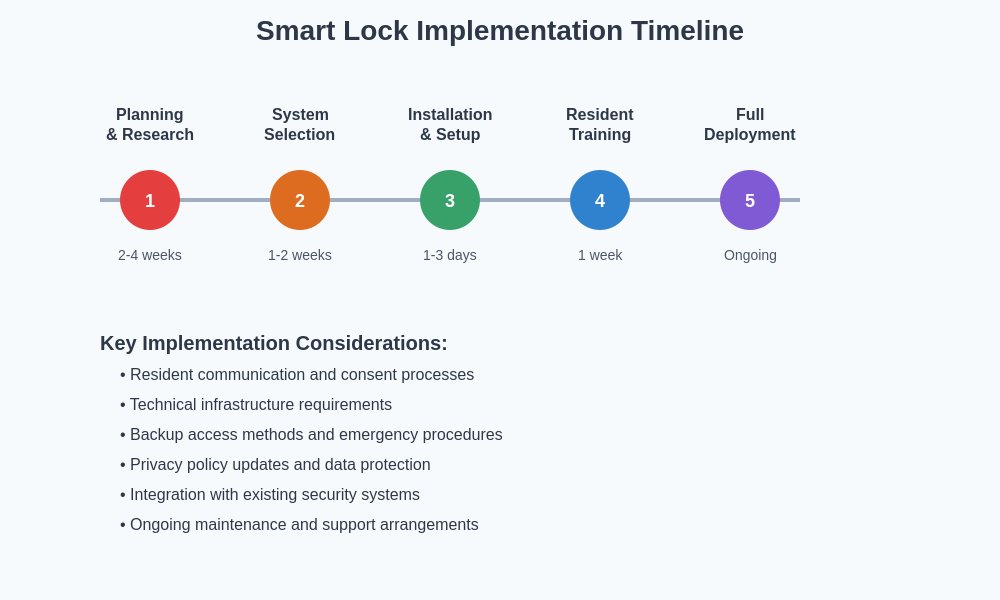
Initial investment costs for smart lock systems include hardware purchase, professional installation, system configuration, and resident training that represent significant upfront expenses for property managers evaluating cost-effectiveness compared to traditional lock systems and ongoing operational savings.
Ongoing operational costs include software subscriptions, system maintenance, battery replacement, technical support, and periodic security updates that must be factored into long-term cost projections when evaluating smart lock adoption and comparing total ownership costs with traditional alternatives.
Return on investment calculations should consider reduced administrative time, eliminated locksmith expenses, decreased security breach costs, improved resident satisfaction, and potential premium pricing opportunities that may justify initial investment costs through operational savings and enhanced property value.
Living costs in Tokyo sharehouses explained may be affected when smart lock implementation costs are passed through to residents or offset by operational savings that enable more competitive pricing for technology-enhanced properties.
Technical Reliability and Backup Systems
Battery life management requires regular monitoring and replacement schedules to ensure consistent operation, with backup power systems and low-battery alerts that prevent access failures during power depletion and maintain system reliability throughout varying usage patterns and environmental conditions.
Internet connectivity dependence creates potential vulnerabilities when network outages, system maintenance, or connectivity issues could affect access capabilities, requiring backup systems and offline access options that ensure resident access during technical difficulties or infrastructure problems.
Backup access methods including physical override keys, manual entry codes, and alternative authentication systems provide security against complete system failures while maintaining the security benefits of smart lock technology during normal operation periods.
Professional installation and maintenance requirements ensure optimal system performance, security configuration, and ongoing reliability through qualified technicians who understand sharehouse-specific requirements and can provide appropriate system customization and troubleshooting support.
Legal and Regulatory Compliance
Building code compliance ensures smart lock installations meet local safety regulations, fire safety requirements, and accessibility standards that may impose specific technical requirements or override capabilities necessary for emergency access and regulatory compliance in residential properties.
Insurance implications of smart lock adoption may affect property insurance premiums, coverage requirements, and liability considerations that property managers must evaluate when implementing new security technology and ensuring adequate protection for property and residents.
Tenant rights and notification requirements may regulate smart lock implementation, access monitoring disclosure, and resident consent procedures that vary by jurisdiction and require careful compliance to avoid legal complications or resident relations problems.
How legal disputes get resolved in sharehouses may involve smart lock access records and privacy considerations when security data becomes relevant to conflict resolution or legal proceedings involving resident behavior or property security incidents.
Future Trends and Technology Evolution
Artificial intelligence integration promises more sophisticated access control systems that can learn resident patterns, detect anomalous behavior, and provide predictive security insights that enhance protection while reducing false alarms and improving user experience through adaptive technology responses.
Biometric authentication advancement may provide more secure and convenient access methods through fingerprint scanning, facial recognition, or voice authentication that eliminate the need for devices or codes while providing higher security levels than traditional authentication methods.
Internet of Things ecosystem integration will enable smart locks to communicate with broader smart home networks including lighting, climate control, security cameras, and building management systems that create comprehensive automated responses to access events and security situations.
Mobile technology evolution continues to expand smart lock capabilities through improved smartphone integration, enhanced user interfaces, and new authentication methods that leverage advancing mobile device capabilities while maintaining backward compatibility and accessibility for diverse user populations.
Smart lock technology represents a significant advancement in sharehouse security management that addresses fundamental challenges of shared living environments while providing enhanced convenience, security, and operational efficiency for both residents and property managers. The successful implementation of these systems requires careful consideration of technical requirements, privacy implications, cost factors, and community needs, but offers substantial benefits that justify adoption for forward-thinking sharehouse operators seeking to improve security and resident experience through technology innovation.
Disclaimer
This article provides general information about smart lock technology and security considerations for educational purposes and does not constitute technical or security advice. Smart lock systems, installation requirements, and security features vary significantly between manufacturers and models. Property managers and residents should consult with qualified security professionals and technology specialists when evaluating, selecting, and implementing smart lock solutions. The information provided reflects general trends and may not apply to all properties, residents, or technical situations.