The implementation and enforcement of smoking policies within Japanese sharehouses represents a critical factor that profoundly influences indoor air quality, resident health outcomes, and overall living satisfaction. As Japan continues to modernize its approach to tobacco control while maintaining cultural respect for personal freedoms, sharehouse operators and residents face complex challenges in balancing individual preferences with collective wellbeing and property preservation.
Understanding how various smoking policies translate into real-world air quality outcomes becomes essential for both prospective residents seeking healthy living environments and property managers aiming to create sustainable, comfortable communities. The scientific evidence surrounding secondhand smoke exposure, combined with practical enforcement realities, creates a multifaceted issue that affects everything from resident selection criteria to long-term property maintenance costs and community harmony.
The Science of Indoor Air Quality and Tobacco Smoke
Tobacco smoke contains over 7,000 chemical compounds, with at least 70 known carcinogens that persist in indoor environments long after smoking cessation. These particles integrate into building materials, furniture, and ventilation systems, creating what researchers term “thirdhand smoke” that continues affecting air quality for months or even years after initial exposure. The microscopic nature of these particles allows them to penetrate deeply into porous surfaces and circulate through shared ventilation systems that connect individual rooms to common areas.
The concentration levels of harmful pollutants in indoor environments can exceed outdoor air pollution by factors of ten or more when smoking occurs regularly within buildings. Particulate matter from tobacco smoke measures between 0.01 and 1.0 micrometers, making it invisible to the naked eye while remaining suspended in air for extended periods. These particles bypass natural respiratory defenses and accumulate in lung tissue, contributing to both immediate respiratory irritation and long-term health complications.
Ventilation systems in typical Japanese sharehouses, often designed for general air circulation rather than smoke removal, prove inadequate for eliminating tobacco-related pollutants. The interconnected nature of shared living spaces means that smoking in individual rooms inevitably affects common areas, regardless of attempts to contain the activity. Air purification systems, while helpful for general air quality improvement, struggle to eliminate the full spectrum of tobacco-related contaminants effectively.
Policy Variations Across Different Sharehouse Types
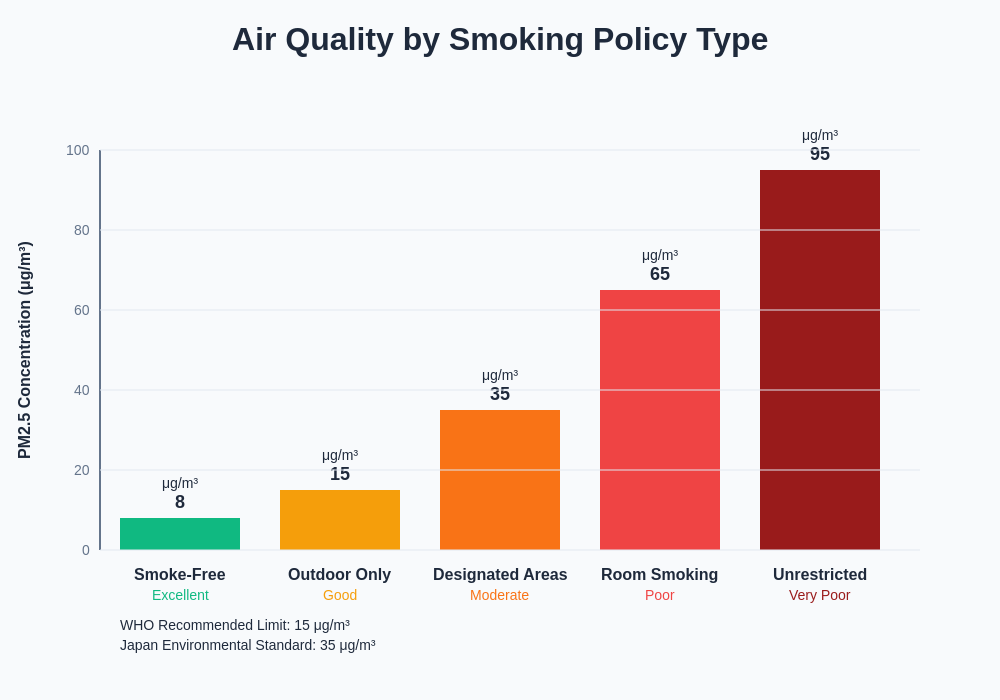
Japanese sharehouses implement a wide spectrum of smoking policies, ranging from complete prohibition to designated smoking areas and unrestricted indoor smoking in private rooms. Living with Japanese roommates in Tokyo sharehouses often reveals cultural differences in smoking expectations and tolerance levels that influence policy development and resident satisfaction.
Completely smoke-free properties typically maintain the highest indoor air quality standards but may limit the resident pool and require strict enforcement mechanisms to prevent violations. These properties often attract health-conscious international residents and Japanese tenants who prioritize clean air environments. However, the enforcement challenges can create tension when cultural norms around smoking differ significantly among residents from various backgrounds.
Designated outdoor smoking areas represent a compromise approach that acknowledges smoking preferences while attempting to protect indoor air quality. The effectiveness of this policy depends heavily on building design, outdoor space availability, and resident compliance with designated area restrictions. Japanese sharehouse rules every foreigner should know often include specific smoking area guidelines that require understanding and respect from all residents.
Properties allowing smoking in private rooms with restrictions on common area smoking face particular challenges in maintaining air quality standards. The porous nature of Japanese building materials and shared ventilation systems means that complete containment of smoke within individual rooms proves nearly impossible, leading to ongoing air quality compromises throughout the building.
Health Implications for Residents and Vulnerable Populations
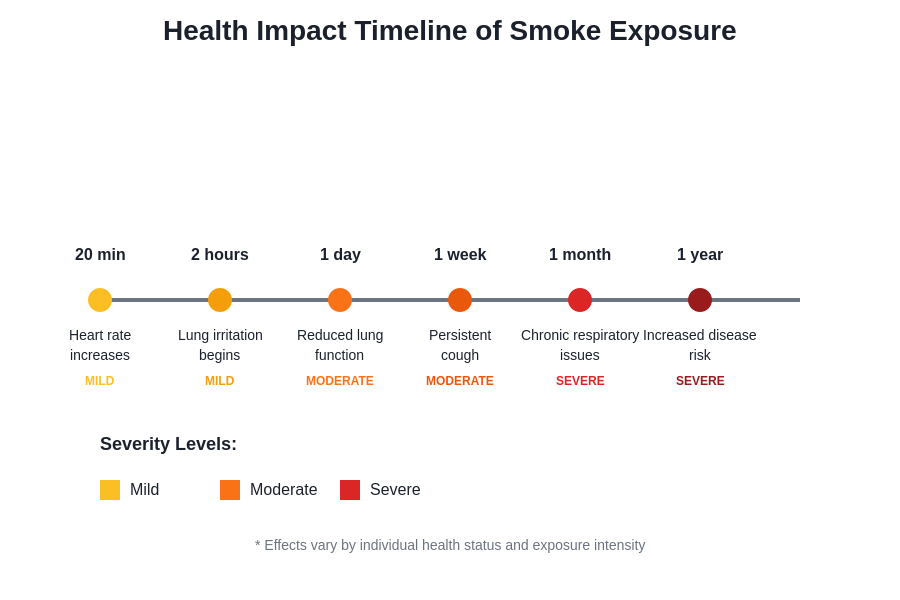
The health consequences of poor indoor air quality from tobacco smoke extend far beyond the obvious respiratory irritation, affecting cardiovascular function, immune system response, and cognitive performance. Residents with pre-existing conditions such as asthma, allergies, or cardiovascular disease experience disproportionate impacts from even minimal secondhand smoke exposure in shared living environments.
International residents may arrive from countries with stricter smoking regulations and find themselves unexpectedly sensitive to tobacco smoke levels that local residents consider acceptable. The adjustment period to different air quality standards can trigger health issues that affect work performance, study effectiveness, and overall quality of life during the critical early weeks of sharehouse residency.
Children and elderly residents in family-oriented sharehouses face particular vulnerability to tobacco smoke exposure, with developing respiratory systems and compromised immune function creating heightened risk profiles. Why health insurance is required for sharehouse residents becomes more relevant when considering the potential medical costs associated with smoking-related health complications.
Long-term exposure to degraded indoor air quality can contribute to chronic fatigue, decreased concentration, and increased susceptibility to respiratory infections that affect daily productivity and social participation. The cumulative effect of consistent exposure to tobacco-related pollutants may not manifest immediately but can influence residents’ decision to remain in or leave particular sharehouses.
Economic Factors and Property Management Considerations
Smoking policies significantly impact property maintenance costs, insurance premiums, and long-term asset value for sharehouse operators. Properties that allow smoking typically require more frequent deep cleaning, odor removal treatments, and interior renovation to maintain marketable condition. The penetration of smoke odors into building materials often necessitates extensive remediation that can cost thousands of dollars per room during tenant turnover.
Insurance companies increasingly factor smoking policies into premium calculations, recognizing the elevated fire risk and property damage potential associated with tobacco use in residential buildings. Properties with comprehensive smoke-free policies often qualify for reduced insurance rates that can substantially impact operational profitability over time.
Air purification system installation and maintenance represent significant ongoing expenses for properties attempting to mitigate smoking-related air quality issues. High-efficiency particulate air filters, activated carbon systems, and UV sterilization equipment require substantial initial investment and regular replacement to maintain effectiveness. Understanding utility bills in Japanese sharehouses often reveals elevated electricity costs associated with air purification systems running continuously.
The market positioning of smoke-free properties often allows for premium pricing due to increased demand from health-conscious residents and reduced operational costs. However, this positioning requires consistent enforcement and may limit flexibility in resident selection during low-demand periods.
Enforcement Challenges and Cultural Considerations
The enforcement of smoking policies in Japanese sharehouses involves navigating complex cultural dynamics around personal freedom, social harmony, and direct confrontation avoidance. Traditional Japanese communication styles emphasize indirect feedback and group consensus, making direct policy violations challenging to address effectively without creating broader community tensions.
Monitoring systems such as smoke detectors and air quality sensors provide objective data about policy violations but require careful implementation to avoid creating surveillance concerns among residents. The balance between protecting community health and maintaining privacy expectations requires thoughtful policy design and transparent communication about monitoring purposes and data usage.
Cultural differences in smoking habits and social norms can create misunderstandings about policy expectations and appropriate enforcement responses. How cultural differences affect friendship building becomes particularly relevant when smoking policy violations strain relationships between residents from different cultural backgrounds.
The effectiveness of peer enforcement versus management intervention varies significantly based on house culture and resident demographics. Some communities develop strong self-regulation mechanisms that naturally discourage policy violations, while others require active management involvement to maintain compliance standards.
Technology Solutions and Air Quality Monitoring
Advanced air quality monitoring systems now provide real-time data about indoor pollutant levels, allowing for objective assessment of smoking policy effectiveness and immediate response to air quality degradation. These systems can detect particulate matter, volatile organic compounds, and specific tobacco-related chemicals with precision that supports evidence-based policy enforcement.
Smart ventilation systems that automatically adjust airflow based on detected pollutant levels offer technological solutions for minimizing smoking-related air quality impacts. However, the installation and operational costs of these systems may exceed budget constraints for many sharehouse operators, particularly in older buildings that require extensive retrofitting.
Air purification technology continues advancing with new filtration methods and automated systems that can significantly reduce tobacco-related pollutants when properly sized and maintained. The integration of these technologies with building management systems allows for coordinated response to air quality issues while providing data for policy refinement and resident education.
Mobile applications that allow residents to report air quality concerns and track building-wide air quality trends create transparency and accountability mechanisms that support policy compliance. These tools can facilitate communication between residents and management while providing data for continuous improvement of air quality management strategies.
Comparative Analysis of Policy Effectiveness
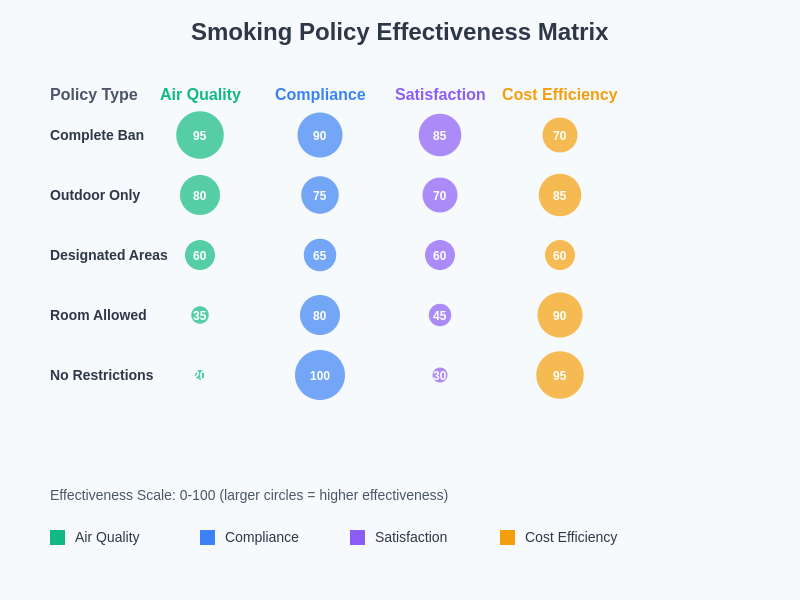
Complete smoking prohibition policies consistently demonstrate superior air quality outcomes compared to partial restrictions or designated area approaches. Properties implementing comprehensive smoke-free policies report significantly lower levels of tobacco-related pollutants and higher resident satisfaction scores related to air quality concerns.
Designated smoking area policies show moderate effectiveness when combined with proper ventilation design and strict enforcement mechanisms. However, the success of these policies depends heavily on architectural factors and resident compliance that can vary significantly between properties and resident populations.
Why some buildings lack proper ventilation becomes particularly problematic in properties attempting to manage smoking through partial restrictions rather than complete prohibition. Inadequate ventilation systems cannot effectively contain or remove tobacco smoke, leading to building-wide air quality degradation regardless of policy intentions.
Mixed policies that allow smoking in private rooms while restricting common area smoking show limited effectiveness in maintaining overall air quality standards. The interconnected nature of sharehouse ventilation and the persistence of tobacco-related pollutants make partial containment strategies largely ineffective for protecting non-smoking residents.
Impact on Community Dynamics and Resident Relations
Smoking policies significantly influence community formation and social dynamics within sharehouses, affecting everything from resident selection criteria to daily interaction patterns and conflict resolution approaches. Properties with clear, consistently enforced smoking policies tend to develop more cohesive communities around shared values and lifestyle preferences.
The presence of tobacco smoke can create invisible barriers between smoking and non-smoking residents, limiting social interaction and community participation. Common areas affected by smoke odors become less welcoming for non-smoking residents, reducing opportunities for community building and cultural exchange that represent primary benefits of sharehouse living.
Making friends through Tokyo sharehouse communities becomes more challenging when air quality concerns create divisions between residents with different smoking preferences and tolerance levels. The mediation of these differences requires skilled community management and clear communication about expectations and compromises.
Smoking policy violations often escalate into broader community conflicts that affect multiple residents and strain house management resources. The resolution of these conflicts requires diplomatic intervention that addresses both immediate air quality concerns and underlying community harmony issues.
Health-Conscious Community Development
Forward-thinking sharehouse operators increasingly recognize the marketing advantage and community benefits of promoting health-conscious living environments that prioritize air quality and resident wellbeing. These properties often implement comprehensive wellness programs that extend beyond smoking policies to include fitness facilities, healthy eating initiatives, and mental health support resources.
The development of health-focused communities attracts residents who prioritize wellness and are willing to pay premium prices for superior living environments. Why some residents become more confident often correlates with living in environments that support physical and mental health through clean air and supportive community structures.
Educational programs about air quality, health impacts, and smoking cessation resources create opportunities for community engagement while supporting residents who want to quit smoking. These programs can transform smoking policies from restrictive rules into supportive health initiatives that benefit the entire community.
The integration of wellness amenities such as yoga studios, meditation spaces, and outdoor gardens provides smoke-free recreational alternatives that support community formation around healthy lifestyle choices.
Future Trends and Regulatory Developments
Japan’s evolving tobacco control regulations and increasing health awareness among younger generations suggest continued movement toward stricter smoking policies in residential settings. The upcoming Olympics influence and international health standards adoption may accelerate this transition, affecting sharehouse policy development and resident expectations.
Building certification programs that recognize superior indoor air quality standards are emerging, providing market differentiation opportunities for properties implementing comprehensive smoking policies. These certifications can command premium pricing while attracting health-conscious residents who prioritize environmental quality.
How climate change affects building comfort includes considerations about air quality management in increasingly sealed buildings designed for energy efficiency. The interaction between smoking policies and building design will require sophisticated ventilation solutions as energy conservation priorities influence building operations.
The integration of smart building technologies with health monitoring systems will likely provide more sophisticated tools for air quality management and smoking policy enforcement while supporting resident health and community development objectives.
Smoking policies in Japanese sharehouses represent a critical intersection of public health, cultural sensitivity, economic considerations, and community development that requires thoughtful planning and consistent implementation. The evidence clearly demonstrates that comprehensive smoke-free policies provide superior air quality outcomes while supporting healthier, more cohesive communities that benefit all residents regardless of their personal smoking preferences.
Disclaimer
This article is for informational purposes only and does not constitute medical or legal advice. Smoking policies and health regulations may vary by location and property type. Readers should consult with healthcare professionals regarding air quality concerns and legal experts regarding policy implementation. Individual health impacts may vary, and this information should not replace professional medical guidance.