The transformation of voluntary social activities into unspoken obligations represents one of the most subtle yet pervasive challenges in sharehouse living, particularly affecting international residents who may not immediately recognize the cultural and social pressures at play. What begins as innocent invitations to join house activities gradually evolves into expectations that carry real social and practical consequences for those who choose not to participate, creating complex dynamics that can fundamentally alter the living experience for everyone involved.
The psychology behind obligatory social participation in sharehouses stems from the inherent tension between individual autonomy and collective harmony that defines communal living arrangements. Making friends through Tokyo sharehouse communities initially appears as an organic process, but the reality often involves navigating unwritten rules and expectations that can make social participation feel less like a choice and more like a requirement for maintaining peaceful coexistence within the shared living space.
The Gradual Evolution from Invitation to Expectation
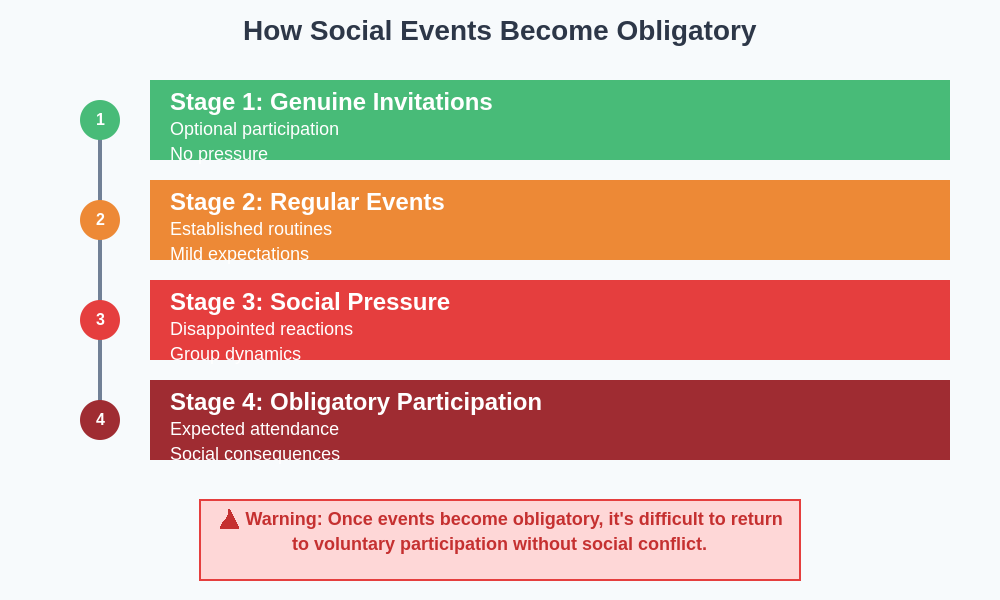
The process by which voluntary activities become mandatory typically unfolds through a series of subtle stages that can be difficult to identify until the transformation is complete. Initial invitations to house dinners, movie nights, or weekend outings are genuinely optional and presented with the understanding that residents have competing priorities and personal preferences that may prevent participation. However, as these events become more frequent and established as house traditions, the social cost of non-participation begins to increase exponentially.
Regular attendees begin to form closer bonds and develop inside jokes, shared experiences, and collaborative decision-making processes that naturally exclude those who choose not to participate. Living with Japanese roommates in Tokyo sharehouses often involves navigating cultural expectations around group harmony and collective participation that may not be immediately apparent to international residents unfamiliar with these social dynamics.
The shift from invitation to expectation often occurs when house managers or informal social leaders begin expressing disappointment or concern about residents who consistently decline participation in group activities. These expressions may be subtle, ranging from casual comments about missed opportunities for community building to more direct suggestions that participation in house events is part of being a good housemate and contributing to the overall atmosphere of the living environment.
Cultural Pressures and Social Conformity Mechanisms
Japanese cultural concepts such as “wa” (harmony) and “kuuki o yomu” (reading the atmosphere) create powerful social pressures that can make non-participation in group activities feel like a violation of community standards rather than a personal choice. These cultural dynamics operate below the surface of conscious awareness for many international residents, who may not understand why their polite declines to join group activities are met with increasing concern or subtle social sanctions from other residents.
The concept of “meiwaku” (causing trouble or inconvenience to others) plays a particularly significant role in how social expectations develop within sharehouses. Residents who consistently opt out of group activities may be perceived as creating disharmony or making things more difficult for others, even when their absence has no practical impact on the events themselves. This perception can lead to social pressure that makes future invitations feel more like summons than genuine offers to participate.
Japanese sharehouse rules every foreigner should know often include unwritten expectations about social participation that are never explicitly stated but are nonetheless powerful forces shaping daily interactions and long-term relationships within the house community. Understanding these dynamics becomes crucial for navigating the balance between personal autonomy and social integration in ways that maintain both individual well-being and community harmony.
The role of social media and digital communication in amplifying these pressures cannot be overlooked. House group chats, photo sharing, and social media posts about events create additional layers of visibility and accountability around participation. Residents who miss events may find themselves tagged in photos or mentioned in group conversations in ways that highlight their absence and create subtle pressure to participate in future activities to maintain their social standing within the house community.
The Economics of Social Obligation
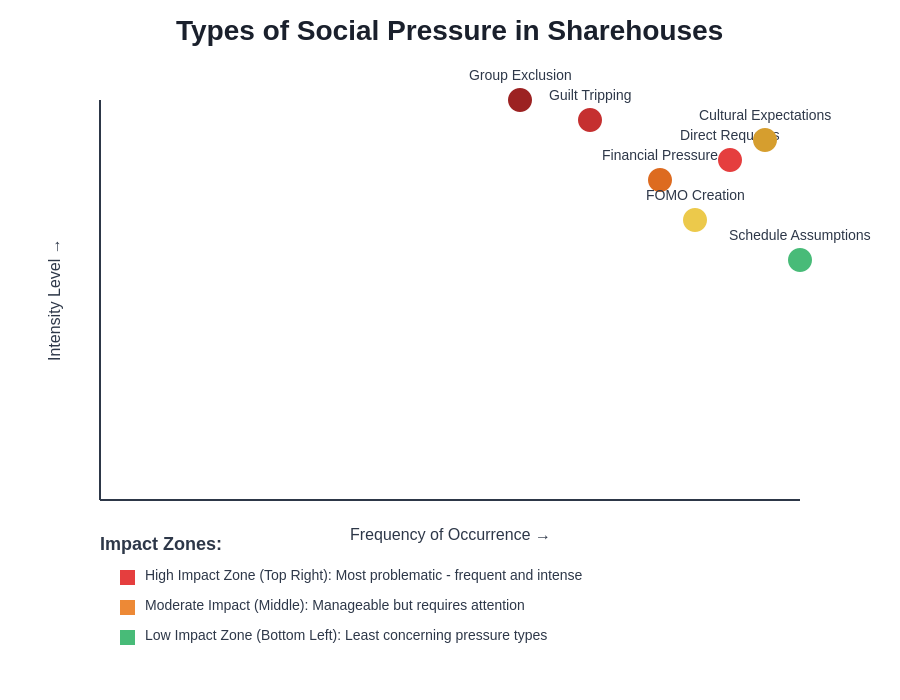
Social events in sharehouses often carry financial implications that transform voluntary participation into economic necessity for maintaining relationships and accessing shared resources. Group dinners may be organized with the assumption that costs will be split among all residents, creating situations where non-participation still requires financial contribution or results in social tension over resource allocation and expense sharing arrangements.
Living costs in Tokyo sharehouses explained extends beyond basic rent and utilities to include these informal social expenses that can become significant budget items for residents who feel pressured to participate in frequent group activities. The financial burden of constant social participation can be particularly challenging for international residents dealing with currency exchange rates, limited income sources, or different cultural approaches to social spending and group financial obligations.
Gift-giving expectations around birthdays, holidays, and special occasions create additional financial pressures that transform voluntary gestures of goodwill into mandatory expenses for maintaining social relationships. The inability or unwillingness to participate in these financial aspects of social life can result in exclusion from other house activities and deterioration of relationships with other residents who may interpret financial non-participation as lack of care or commitment to the community.
House improvement projects, shared equipment purchases, and collective investments in entertainment systems or kitchen appliances often operate on assumptions of universal participation that can create conflict when some residents prefer not to contribute financially or participate in the decision-making process. These situations reveal how social obligations extend beyond attendance at events to include financial participation in collective decisions and community investments.
Time Commitments and Schedule Conflicts
The time demands of obligatory social participation can significantly impact residents’ ability to maintain work-life balance, pursue individual interests, or manage competing priorities outside the sharehouse environment. As social events become more frequent and participation becomes more expected, residents may find their personal schedules increasingly constrained by house activities that they feel unable to decline without social consequences.
Weekend activities, evening gatherings, and holiday celebrations can monopolize significant portions of residents’ free time, particularly when events extend longer than anticipated or require preparation and cleanup participation from all attendees. How to handle roommate conflicts without moving out often involves navigating these time commitment expectations while maintaining personal boundaries and individual autonomy over schedule management.
Professional obligations, academic requirements, and personal relationships outside the sharehouse may conflict with house social events, creating difficult choices between maintaining external commitments and fulfilling internal social obligations. The pressure to prioritize house activities over outside commitments can strain professional relationships, academic performance, and personal development opportunities that require consistent time investment and attention.
The cumulative effect of frequent social obligations can lead to social exhaustion and burnout, particularly for introverted residents or those who require significant alone time for mental health and well-being. The expectation of consistent social availability and enthusiastic participation can become overwhelming and counterproductive for residents whose natural social rhythms differ from the house norm or who have different approaches to community engagement and relationship building.
Impact on Individual Privacy and Autonomy
The pressure to participate in social events can gradually erode individual privacy and personal autonomy as residents find their living spaces and personal time increasingly subject to collective expectations and group decision-making processes. Private rooms become less private when residents are expected to participate in events that may extend into personal space or require opening doors to community activities and interactions.
Personal preferences around social interaction, entertainment choices, and lifestyle decisions may be overridden by group consensus and collective pressure to participate in activities that align with majority interests rather than individual preferences. Dating while living in Tokyo sharehouses becomes particularly complicated when romantic relationships and personal social life must be navigated around house social obligations and expectations for community participation.
The ability to have quiet evenings, pursue solitary hobbies, or simply decompress from daily stress may be compromised when house social activities are frequent and participation is expected. Residents who value privacy and individual autonomy may find themselves caught between maintaining their personal well-being and fulfilling social obligations that feel increasingly mandatory rather than voluntary.
The phenomenon of “social surveillance” emerges when residents feel monitored and evaluated based on their participation in house activities, creating an environment where personal choices become subject to collective scrutiny and judgment. This dynamic can be particularly challenging for residents who are naturally more private or who have different cultural backgrounds regarding appropriate levels of social sharing and community involvement.
Workplace and Academic Performance Implications
Obligatory social participation can have significant consequences for professional and academic performance when house social expectations conflict with work responsibilities, study requirements, or career development opportunities. Late-night social events may impact next-day work performance, while weekend house activities can interfere with professional networking, continuing education, or job search activities that are crucial for career advancement.
Student sharehouses near top Tokyo universities often experience particular tension between academic requirements and social participation expectations, as students must balance study time, assignment deadlines, and exam preparation with house community obligations that may not align with academic calendars or individual study schedules and preferences.
Professional networking opportunities, industry events, and career development activities may be missed due to conflicts with house social obligations, potentially impacting long-term career prospects and professional relationship building. The expectation to prioritize house community over external professional commitments can limit residents’ ability to advance their careers or build professional networks that extend beyond the sharehouse environment.
Work-related stress and professional challenges may receive less understanding and support when house social participation takes priority over individual well-being and professional responsibilities. Residents dealing with demanding work schedules, career transitions, or professional difficulties may find little accommodation for reduced social participation during challenging periods in their professional lives.
Strategies for Managing Social Pressure
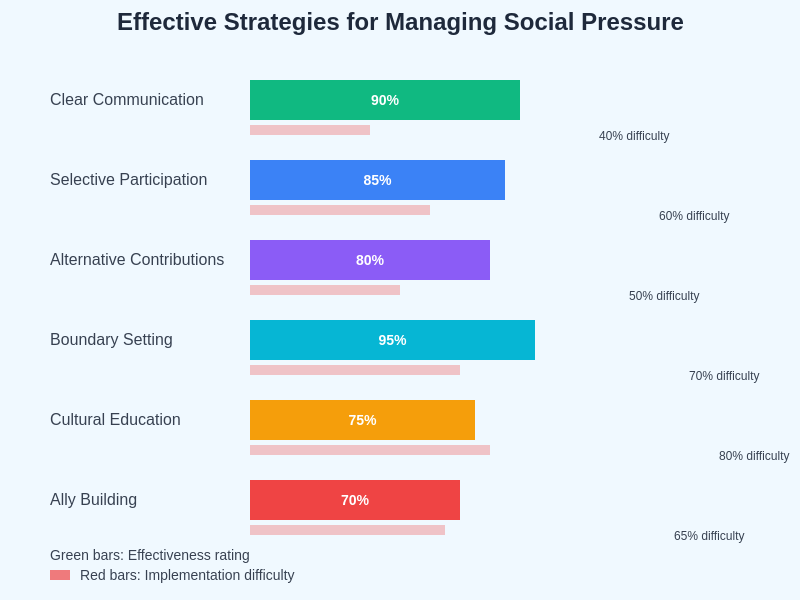
Developing effective strategies for managing social pressure while maintaining positive relationships within the house community requires careful balance between individual needs and collective expectations. Clear communication about personal boundaries, schedule constraints, and participation preferences can help establish realistic expectations while demonstrating respect for house community values and social dynamics.
Real stories from Tokyo sharehouse residents often reveal successful approaches to navigating social obligations while preserving individual autonomy and personal well-being. These strategies typically involve proactive communication, selective participation, and creative compromise solutions that address community needs while respecting individual preferences and limitations.
Establishing consistent patterns of participation that align with personal capacity and interests can help manage expectations while contributing meaningfully to house community. Rather than sporadic or reluctant participation, residents can identify specific types of events or roles that align with their interests and availability, creating predictable participation patterns that fulfill community obligations without overwhelming personal resources.
Alternative forms of community contribution, such as house maintenance, shared resource management, or informal support for other residents, can provide ways to demonstrate commitment to house community without requiring participation in social events that may not align with personal preferences or availability. These contributions can help maintain positive relationships while respecting individual boundaries around social participation.
Long-term Consequences and Community Dynamics
The long-term impact of obligatory social participation extends beyond individual residents to shape the overall culture and dynamics of the sharehouse community. Houses where social participation becomes mandatory may experience higher turnover rates as residents who cannot or will not conform to participation expectations choose to leave rather than navigate ongoing social pressure and potential conflict.
The diversity of house community may suffer when social obligations favor certain personality types, cultural backgrounds, or lifestyle preferences over others. Introverted residents, those with demanding work schedules, or individuals from cultural backgrounds with different approaches to group participation may feel unwelcome or unable to thrive in environments where social participation is expected rather than optional.
How to find perfect sharehouse tokyo becomes more complex when potential residents must consider not only practical factors like location and cost but also social expectations and participation requirements that may not be explicitly stated but are nonetheless powerful forces shaping daily life and community relationships.
The creativity and spontaneity of social activities may diminish when participation becomes obligatory rather than voluntary. Events that were once enjoyable and engaging may lose their appeal when attendance feels mandatory, potentially reducing the quality and authenticity of social interactions that were originally intended to build community and foster positive relationships among residents.
Cultural Adaptation and Cross-Cultural Understanding
International residents may find themselves navigating complex cultural dynamics around group participation and social obligation that differ significantly from their home country norms and expectations. Understanding these cultural differences while maintaining personal authenticity and individual boundaries requires ongoing adaptation and cross-cultural communication skills that develop through experience and conscious effort.
English-speaking sharehouses in Tokyo for foreigners may still operate according to Japanese cultural norms around group harmony and social participation, requiring international residents to develop cultural competency while advocating for their individual needs and preferences within the community framework.
Building bridges between different cultural approaches to social participation can enhance house community by creating space for diverse engagement styles and participation patterns. Residents who successfully navigate these dynamics often become cultural ambassadors who help other house members understand different perspectives on community involvement and individual autonomy.
The development of house policies and informal norms that accommodate cultural diversity while maintaining community cohesion represents an ongoing challenge that requires input from residents with different backgrounds and perspectives. Finding balance between collective harmony and individual autonomy becomes a continuous process of negotiation and adaptation that shapes the long-term success and sustainability of the house community.
Understanding how social events become obligatory in sharehouse living provides essential insights for both current and prospective residents navigating the complex dynamics of community living in Tokyo. Recognizing these patterns and developing strategies for managing social pressure while contributing meaningfully to house community enables residents to maintain their individual well-being while building positive relationships and enjoying the benefits of shared living arrangements.
Disclaimer
This article is for informational purposes only and reflects common experiences in sharehouse living arrangements. Individual experiences may vary significantly based on house culture, management policies, and resident dynamics. Readers should use their own judgment in navigating social situations and seek appropriate support when dealing with social pressure that impacts their well-being or living situation.