The digital transformation of sharehouse living has fundamentally altered how residents connect, communicate, and build lasting relationships within their shared living environments. Social media platforms have emerged as the invisible backbone that holds modern sharehouse communities together, creating virtual spaces where physical boundaries dissolve and meaningful connections flourish beyond the confines of traditional face-to-face interactions. This evolution represents a profound shift in community dynamics that enhances both daily operational efficiency and long-term relationship building among international residents seeking authentic cultural exchange experiences.
The integration of digital communication tools into sharehouse living has created unprecedented opportunities for residents to maintain continuous connection regardless of conflicting schedules, language barriers, or cultural differences that might otherwise inhibit organic relationship development. Making friends through Tokyo sharehouse communities becomes significantly more accessible when digital platforms provide multiple touchpoints for interaction and engagement that complement traditional in-person socialization opportunities.
The Digital Foundation of Modern Sharehouse Living
Contemporary sharehouse communities rely heavily on digital infrastructure to manage the complex interpersonal dynamics that emerge when individuals from diverse cultural backgrounds attempt to create harmonious living environments. Social media groups serve as central nervous systems that coordinate everything from mundane household logistics to spontaneous social gatherings, creating seamless integration between digital convenience and physical community experience.
The proliferation of smartphone technology and ubiquitous internet access has transformed how residents approach community participation, enabling continuous engagement that transcends the traditional limitations of shared physical spaces. Digital platforms allow shy or introverted residents to participate more actively in community discussions, while extroverted individuals can extend their social influence beyond immediate physical presence, creating more inclusive and dynamic community environments.
Platform selection often reflects the demographic composition and cultural preferences of individual sharehouse communities, with different social media environments attracting distinct user behaviors and communication styles. Living with Japanese roommates in Tokyo sharehouses involves navigating platform preferences that may vary significantly between international and local residents, requiring communities to establish inclusive digital spaces that accommodate diverse technological comfort levels and cultural communication norms.
Platform Ecosystems and Community Architecture
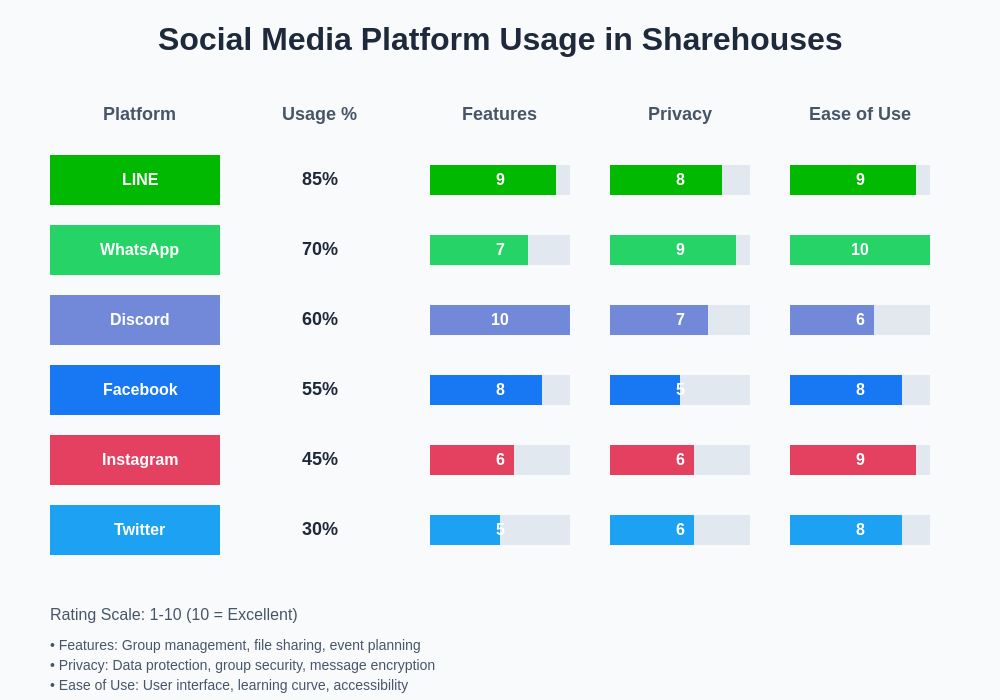
The architectural design of different social media platforms creates distinct community experiences that influence how residents interact, share information, and build relationships within their sharehouse environments. Messaging applications like LINE, WhatsApp, and Discord each offer unique features that cater to different aspects of community communication, from instant messaging and file sharing to voice channels and event coordination capabilities.
Facebook groups provide comprehensive community management tools that enable administrators to organize information hierarchically, create event listings, and maintain searchable archives of important discussions and decisions. Instagram stories and posts allow residents to share visual narratives of daily life experiences, creating informal documentation of community culture and individual personality expression that helps newcomers understand house dynamics and social expectations.
Twitter and similar microblogging platforms facilitate rapid information dissemination and real-time updates about house activities, emergency situations, or spontaneous social opportunities. Real stories from Tokyo sharehouse residents often emerge through these informal digital conversations that capture authentic moments and genuine community experiences that wouldn’t otherwise be preserved or shared.
Communication Patterns and Cultural Adaptation
Digital communication within sharehouse communities reflects complex cultural negotiation processes where residents gradually develop shared communication norms that accommodate diverse linguistic abilities, cultural expressions, and technological preferences. Language mixing, emoji usage, and communication timing patterns evolve organically as communities establish their unique digital cultures that balance efficiency with inclusivity.
The asynchronous nature of social media communication allows residents to participate in community discussions regardless of work schedules, time zone differences, or social anxiety that might prevent active participation in group conversations. This temporal flexibility becomes particularly valuable for student sharehouses near top Tokyo universities where academic schedules create irregular availability patterns that could otherwise fragment community engagement.
Translation tools and multilingual keyboards integrated into social media platforms help bridge language gaps that might otherwise create communication barriers between residents with different native languages. However, the nuanced aspects of cultural communication, humor, and emotional expression often require extended interaction periods before residents develop comfortable cross-cultural digital communication patterns.
Operational Efficiency and Household Management
Social media groups transform routine household management from cumbersome bulletin board systems into streamlined digital workflows that integrate seamlessly with residents’ daily technology usage patterns. Cleaning schedules, maintenance requests, visitor notifications, and bill reminders become manageable through automated systems and shared digital calendars that reduce administrative overhead while improving compliance and accountability.
Real-time problem reporting through social media channels enables rapid response to urgent situations such as plumbing issues, security concerns, or emergency situations that require immediate community coordination. Japanese sharehouse rules every foreigner should know become more accessible when digital platforms provide searchable repositories of house guidelines, cultural explanations, and procedural instructions that residents can reference as needed.
Digital voting systems and consensus-building tools embedded within social media platforms enable democratic decision-making processes for community issues ranging from major house rule modifications to social event planning. These systems provide transparency and documentation that prevent miscommunication and ensure all residents have opportunities to participate in community governance regardless of their physical presence during decision-making discussions.
Event Organization and Social Coordination
The event planning capabilities of social media platforms have revolutionized how sharehouse communities organize social activities, cultural celebrations, and group outings that strengthen interpersonal bonds and create shared experiences. Digital RSVP systems, collaborative planning documents, and real-time coordination tools eliminate many logistical barriers that previously made group activities difficult to organize and execute successfully.
Spontaneous activity coordination becomes possible through instant messaging features that allow residents to quickly gauge interest and organize impromptu gatherings such as group meals, movie nights, or exploration trips around Tokyo. Best Tokyo neighborhoods for sharehouse living become more accessible when residents can coordinate group transportation and share local knowledge through digital platforms that facilitate collective exploration experiences.
Photo and video sharing capabilities create lasting documentation of community experiences that help build shared memory archives and strengthen group identity over time. These digital memories become particularly valuable for maintaining connections with former residents who have moved away but wish to remain part of the extended community network.
Privacy Navigation and Boundary Management
The intersection of private living spaces and public digital presence requires careful navigation of privacy boundaries that respect individual comfort levels while maintaining community connectivity. Social media groups often develop informal protocols around photo sharing, personal information disclosure, and communication timing that balance transparency with personal privacy expectations.
Different residents may have varying comfort levels with social media participation, requiring communities to develop inclusive approaches that don’t penalize individuals who prefer minimal digital engagement while ensuring they remain informed about essential community information. How to handle roommate conflicts without moving out often involves understanding digital communication preferences and establishing respectful boundaries around online interaction expectations.
Platform security features and group privacy settings require ongoing attention to prevent unauthorized access to community discussions while maintaining accessibility for legitimate community members. Administrative responsibilities for social media group management often rotate among residents to prevent burnout and ensure continued platform maintenance and security oversight.
Cross-Cultural Exchange and Learning Opportunities
Social media platforms facilitate organic cultural exchange experiences that might not emerge naturally through casual in-person interactions, particularly when residents have limited shared language abilities or cultural reference points. Digital communication provides opportunities for residents to share cultural traditions, explain customs, and ask questions in low-pressure environments that encourage learning and mutual understanding.
Language learning opportunities multiply when social media groups become informal practice spaces where residents can experiment with new vocabulary, receive gentle corrections, and observe natural communication patterns in various languages. Dating while living in Tokyo sharehouses often involves understanding cultural dating norms through digital discussions and shared experiences that provide context and advice from community members.
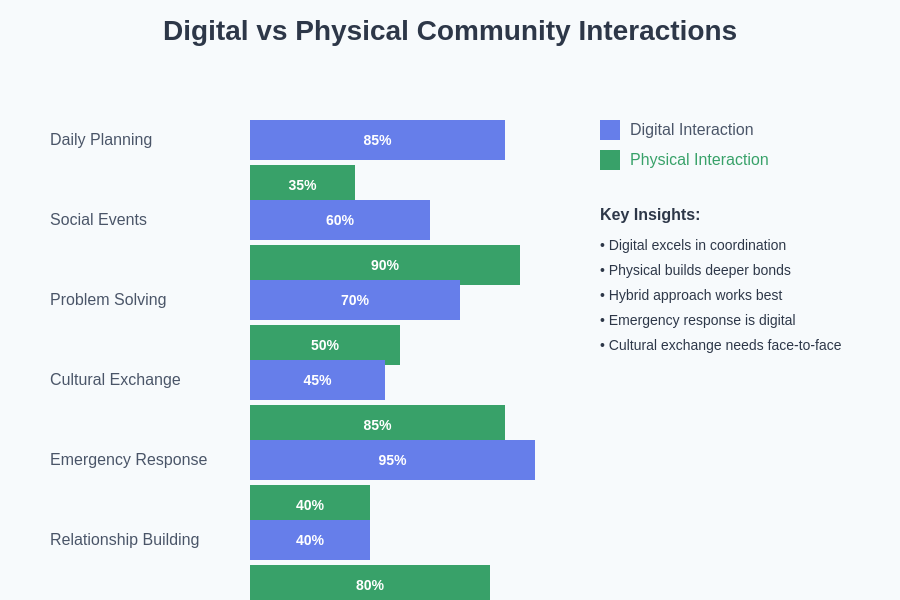
Cultural celebration coordination through social media enables residents to share their heritage festivals, food traditions, and customs with their sharehouse community, creating educational opportunities that enhance mutual respect and cultural appreciation. These digital-to-physical cultural exchanges often become highlights of the sharehouse living experience that create lasting memories and friendships.
Professional Networking and Career Support
Social media connections within sharehouse communities often extend beyond residential relationships to create valuable professional networking opportunities that benefit residents’ career development and job search efforts. Alumni networks maintained through digital platforms provide ongoing career support, job referrals, and industry insights that continue long after residents have moved to different accommodations.
Skill sharing and professional development opportunities emerge organically through social media groups where residents with diverse professional backgrounds offer workshops, tutorials, or mentorship in their areas of expertise. Business district sharehouses near Tokyo Station often develop particularly strong professional networking communities due to their proximity to major business centers and concentration of career-focused residents.
LinkedIn integration and professional social media cross-posting help residents maintain professional relationships that originated in their sharehouse communities while expanding their networks within Tokyo’s international business community. These connections frequently prove valuable for career advancement, job transitions, and entrepreneurial opportunities that leverage the diverse professional expertise within sharehouse networks.
Crisis Management and Emergency Response
Social media groups become critical communication channels during emergency situations such as natural disasters, medical emergencies, or security incidents that require rapid community coordination and information dissemination. Push notification systems and emergency contact protocols established through digital platforms enable faster response times and better coordination than traditional communication methods.
Real-time information sharing during earthquakes, severe weather events, or transportation disruptions helps residents stay informed about safety conditions and coordinate mutual assistance when needed. How earthquake drills expose building weaknesses becomes community knowledge that can be rapidly shared through digital channels to ensure all residents understand safety procedures and emergency protocols.
Mental health crisis support networks often develop through social media communities where residents can reach out for emotional support, share resources, or request assistance during difficult periods. The anonymity and accessibility of digital communication sometimes enable residents to seek help more easily than through face-to-face interactions, creating valuable safety nets within community support systems.
Technology Evolution and Platform Migration
The rapid evolution of social media platforms requires sharehouse communities to periodically evaluate and potentially migrate to new communication tools that better serve their evolving needs and preferences. Platform transitions must be managed carefully to avoid fragmenting community communication or excluding residents who may have difficulty adapting to new technologies.
Emerging technologies such as voice-activated assistants, augmented reality communication features, and advanced translation capabilities continue to reshape how sharehouse communities utilize digital platforms for coordination and relationship building. How smart home features change daily routines increasingly involves integration between household technology systems and social media platforms that streamline community management processes.
Future developments in virtual and augmented reality may further transform sharehouse community experiences by creating immersive digital spaces that complement physical living environments and enable new forms of social interaction and cultural exchange among residents.
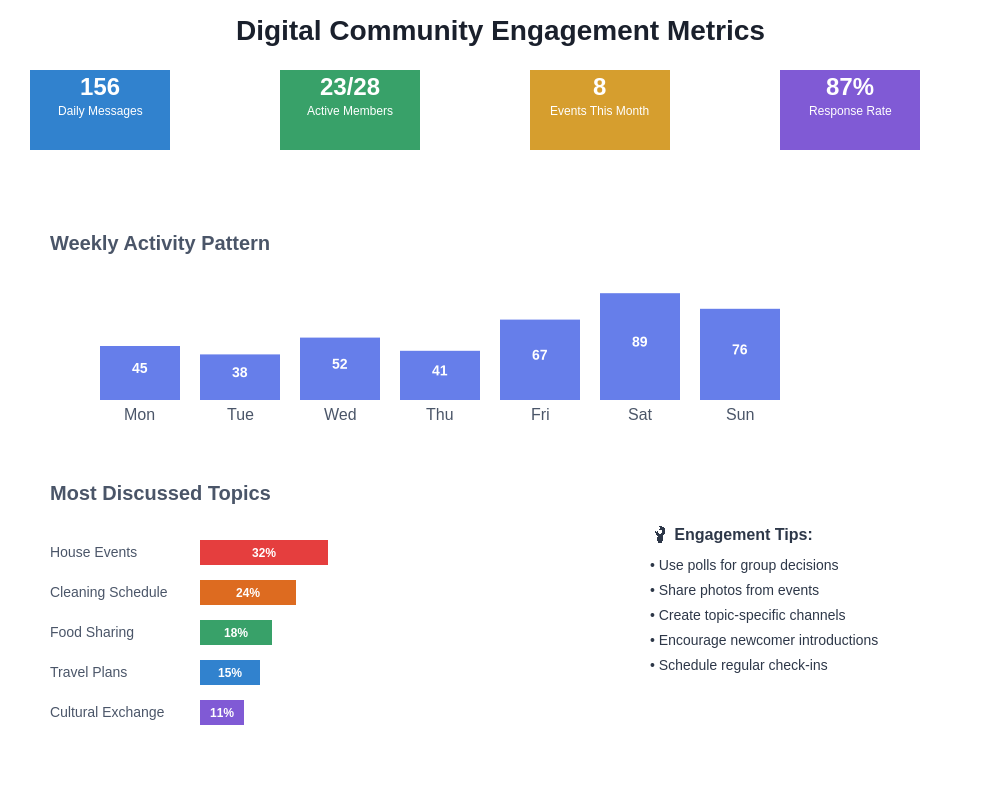
The metrics demonstrate how digital platforms create measurable community engagement patterns that can be analyzed and optimized to improve resident satisfaction and community cohesion. Understanding these patterns helps house managers and residents identify opportunities for enhancing community participation and addressing communication gaps.
Long-term Community Impact and Relationship Sustainability
The sustained impact of social media integration extends far beyond immediate residential convenience to create lasting friendship networks and cultural connections that continue long after residents have moved to different accommodations or returned to their home countries. Alumni networks maintained through digital platforms often span multiple years and continents, creating global communities of individuals connected through their shared sharehouse experiences.
Digital documentation of community experiences through photos, conversations, and shared memories creates valuable archives that preserve the history and culture of individual sharehouse communities while providing templates and inspiration for future residents. Living costs in Tokyo sharehouses explained often includes hidden social benefits that emerge from these long-term community connections and networking opportunities.
The skills developed through cross-cultural digital communication and community management often prove valuable in professional contexts where international collaboration and remote team coordination are increasingly important. These competencies represent hidden educational benefits of sharehouse living that extend well beyond the immediate residential experience.
The transformation of sharehouse communities through social media integration represents a fundamental shift toward more connected, efficient, and culturally rich shared living experiences that maximize both practical convenience and personal growth opportunities. As technology continues to evolve and global mobility increases, the role of digital platforms in creating meaningful community connections will likely become even more central to the sharehouse living experience, offering residents unprecedented opportunities for cultural exchange, professional development, and lasting friendship formation that transcend traditional geographical and cultural boundaries.
Disclaimer
This article is for informational purposes only and reflects general observations about social media usage in sharehouse communities. Privacy practices, platform features, and community guidelines may vary significantly between different sharehouses and social media platforms. Readers should carefully consider their personal privacy preferences and digital communication comfort levels when participating in online sharehouse communities. The effectiveness of digital community building may vary based on individual circumstances, cultural backgrounds, and technological access.