The digital age has fundamentally transformed how sharehouses build, maintain, and lose their reputations in Japan’s competitive housing market. Social media platforms now serve as powerful arbiters of public opinion, capable of elevating unknown properties to coveted status or devastating established operators through viral negative content. This unprecedented influence extends far beyond simple review systems, creating complex ecosystems where resident experiences, management responses, and community dynamics play out in public forums that shape future tenant decisions and industry standards.
The interconnected nature of modern social platforms means that a single resident’s experience can cascade across multiple channels, reaching thousands of potential tenants within hours and permanently altering a property’s market position. Understanding these dynamics has become essential for both residents navigating the sharehouse selection process and operators striving to maintain competitive advantages in an increasingly transparent marketplace where reputation directly translates to occupancy rates and revenue generation.
The Digital Transformation of Sharehouse Marketing
Social media has revolutionized how sharehouses present themselves to potential residents, moving beyond traditional advertising methods to create immersive digital experiences that showcase community culture, property amenities, and resident lifestyles. Best sharehouses in Tokyo now leverage sophisticated social media strategies that combine professional photography, resident testimonials, and behind-the-scenes content to build compelling brand narratives that resonate with target demographics.
Modern sharehouse operators utilize Instagram, TikTok, YouTube, and Facebook to create carefully curated content streams that highlight unique selling propositions, from rooftop gardens and communal dining events to cultural exchange programs and professional networking opportunities. These platforms enable properties to demonstrate their personality and values through visual storytelling that traditional listing sites cannot accommodate, allowing potential residents to evaluate cultural fit before scheduling viewings.
The authenticity of social media content has become increasingly important as audiences develop sophisticated abilities to detect manufactured or misleading representations. Successful sharehouses now balance professional marketing content with genuine resident-generated posts that provide unfiltered glimpses into daily life, creating trust through transparency while maintaining aspirational appeal that drives application rates.
Real-Time Reputation Management Challenges
The instantaneous nature of social media creates unprecedented challenges for sharehouse reputation management, where issues that previously remained contained within physical communities now spread rapidly across digital networks with potentially devastating consequences. Real stories from Tokyo sharehouse residents often gain viral traction when residents share negative experiences, creating public relations crises that require immediate and strategic responses to prevent long-term damage.
Traditional complaint resolution processes that relied on private communication between residents and management are now supplemented by public discussions on review platforms, social media groups, and forum communities where grievances receive public scrutiny and community judgment. This transparency has forced operators to develop more responsive customer service approaches while implementing proactive monitoring systems that track mentions across multiple platforms and channels.
The speed at which negative content can spread means that minor issues can escalate into major reputation threats within hours, particularly when they involve cultural sensitivity, safety concerns, or financial disputes that resonate with broader audiences. How to handle roommate conflicts without moving out becomes crucial knowledge as unresolved conflicts increasingly spill into public forums where they influence prospective resident decisions.
Platform-Specific Impact Patterns
Different social media platforms create distinct types of reputation impacts for sharehouses, with each channel serving specific audiences and content formats that influence how information spreads and shapes public perception. Instagram’s visual focus amplifies aesthetic concerns and lifestyle presentations, while Twitter’s real-time discussion format enables rapid community mobilization around specific issues or controversies.
Facebook groups dedicated to housing and expat communities in Japan serve as powerful recommendation engines where personal testimonials carry significant weight in tenant decision-making processes. English-speaking sharehouses in Tokyo for foreigners often build reputations through word-of-mouth recommendations that circulate within these specialized communities, creating network effects that can dramatically boost or damage occupancy rates.
YouTube content creation has emerged as a particularly influential medium where residents document extended experiences through vlogs, room tours, and lifestyle content that provides comprehensive insights into sharehouse living. These long-form presentations carry exceptional credibility due to their detailed nature and temporal investment, making positive coverage valuable marketing assets while negative content poses significant reputational risks.
TikTok’s algorithm-driven discovery system can rapidly amplify both positive and negative content about sharehouses, with viral videos reaching millions of viewers who may never have considered shared living arrangements. The platform’s emphasis on entertainment value means that dramatic or humorous sharehouse content often receives disproportionate exposure, creating reputational impacts that may not reflect typical resident experiences but nonetheless influence public perception.

Community Building Through Digital Engagement
Successful sharehouses increasingly recognize social media as essential infrastructure for building and maintaining resident communities that extend beyond physical property boundaries. Making friends through Tokyo sharehouse communities now involves digital networking that begins before residents move in and continues after they relocate, creating alumni networks that provide ongoing testimonials and referrals.
Private social media groups for current residents enable real-time communication about house activities, maintenance issues, and community events while fostering relationships that improve retention rates and resident satisfaction. These closed communities serve as valuable feedback channels for management while creating spaces where residents can coordinate activities, share resources, and resolve minor conflicts before they escalate to formal complaints.
The integration of social media into daily sharehouse operations has created new expectations for community engagement, with residents anticipating regular updates, event announcements, and responsive communication through digital channels. Properties that fail to maintain active social media presence often appear outdated or disconnected from modern living expectations, particularly among younger demographics who view digital engagement as essential community infrastructure.
Crisis Management in the Social Media Era
When reputation crises emerge on social media, sharehouses must navigate complex response strategies that balance transparency with damage control while addressing legitimate concerns without amplifying negative narratives. The public nature of social media conflicts means that response strategies become part of the reputational assessment, with poor crisis management often causing more long-term damage than the original issues that sparked controversy.
Effective crisis response requires rapid assessment of situation severity, stakeholder identification, and coordinated communication across multiple platforms while maintaining consistent messaging that demonstrates accountability without admitting legal liability. Japanese sharehouse rules every foreigner should know often become central to crisis narratives when cultural misunderstandings escalate into public disputes that require careful mediation and explanation.
The permanent nature of digital content means that reputation crises can have lasting impacts that extend far beyond immediate resolution, with negative content potentially affecting search engine results and social media associations for years. This reality has prompted many operators to invest in professional reputation management services that monitor digital presence and implement strategic content creation designed to improve long-term search and social media positioning.
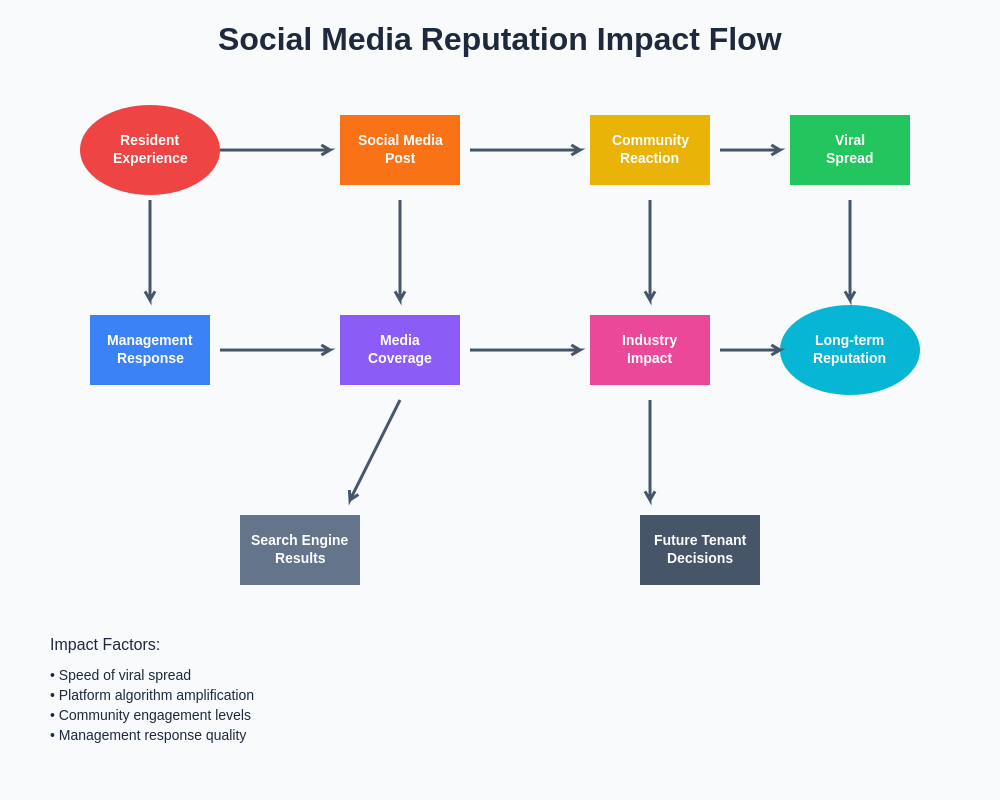
This comprehensive flow demonstrates how a single resident experience can cascade through multiple channels and stakeholders, ultimately affecting long-term business outcomes and industry standards.
Influencer Impact and Authenticity Questions
The rise of social media influencers has created new dynamics in sharehouse reputation management, where collaboration with content creators can provide significant marketing benefits while introducing authenticity concerns that may undermine credibility if audiences perceive undisclosed commercial relationships. Sponsored content and paid partnerships require careful disclosure and alignment with genuine resident experiences to maintain trust and avoid backlash from communities that value transparency.
Micro-influencers and resident content creators often provide more authentic and relatable perspectives on sharehouse living, but their content may lack the production quality and reach of professional influencers. Living with Japanese roommates in Tokyo sharehouses stories shared by genuine residents typically carry more credibility than manufactured marketing content, making authentic resident advocacy valuable for long-term reputation building.
The challenge of maintaining authenticity while leveraging influencer marketing has led some operators to focus on creating genuinely positive resident experiences that naturally generate organic advocacy rather than relying heavily on paid promotional content. This approach requires substantial investment in property quality, community programming, and resident support services that justify positive testimonials and recommendations.
Review Platform Integration and Management
Modern sharehouse reputation management requires coordinated strategies across multiple review platforms, from Google Reviews and specialized housing sites to social media comments and forum discussions. How much Tokyo sharehouses really cost per month often becomes focal point for reviews when residents feel misled about actual expenses, making transparent pricing communication essential for preventing negative feedback.
The aggregation of reviews across platforms creates compound reputational effects where negative patterns become visible to prospective residents who conduct comprehensive research before making housing decisions. Operators must monitor and respond to feedback across multiple channels while implementing operational improvements that address recurring complaints and demonstrate commitment to resident satisfaction.
Response strategies for negative reviews require careful consideration of legal implications, cultural sensitivity, and potential amplification effects, with public responses serving dual purposes of addressing specific complainants while demonstrating responsiveness to future prospects. The tone and content of management responses often receive as much scrutiny as original reviews, making professional and empathetic communication essential for reputation preservation.
Privacy Concerns and Digital Boundaries
The intersection of social media and sharehouse living raises complex privacy concerns as residents navigate personal content creation while respecting housemates’ comfort levels and legal privacy rights. Dating while living in Tokyo sharehouses often involves social media interactions that can inadvertently expose other residents or create uncomfortable situations when personal relationships become public content.
Sharehouse operators must establish clear guidelines for resident social media activity that balance marketing benefits with privacy protection while avoiding overly restrictive policies that might discourage authentic content creation. These policies require regular updates as platforms evolve and new privacy concerns emerge from technological advances and changing social norms around digital sharing.
The permanence of digital content creates long-term privacy implications for residents who may not fully consider how sharehouse-related posts could affect future housing applications, employment opportunities, or personal relationships. Education about digital footprint management has become an important component of resident orientation programs, particularly for international residents who may not understand local privacy expectations and cultural norms.
Measuring Social Media Impact on Business Outcomes
Quantifying the relationship between social media reputation and sharehouse business performance requires sophisticated analytics that track engagement metrics, sentiment analysis, and conversion rates from digital touchpoints to actual applications and lease signings. Why sharehouses are better than apartments in Tokyo messaging effectiveness can be measured through social media engagement and subsequent inquiry patterns that demonstrate content resonance with target audiences.
Advanced tracking systems enable operators to correlate specific social media activities with occupancy rates, resident retention, and premium pricing capabilities while identifying which platforms and content types generate the highest return on investment. This data-driven approach allows for strategic resource allocation across different social media channels and content creation strategies that maximize reputation benefits.
The challenge of attributing business outcomes to social media activities requires sophisticated measurement frameworks that account for the delayed and indirect effects of reputation building, as social media impact often manifests through word-of-mouth referrals and brand recognition rather than direct conversion tracking. Long-term reputation investment strategies must balance immediate marketing metrics with sustained brand building that creates competitive advantages over time.
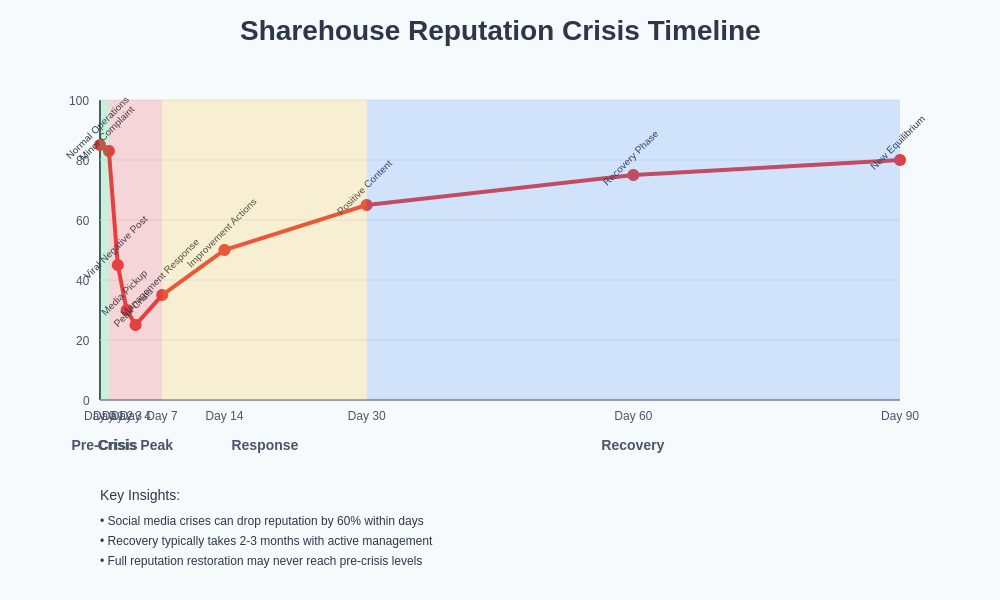
This timeline illustrates how social media crises can rapidly destroy reputation scores while recovery requires sustained effort and strategic management over months.
Future Trends in Digital Reputation Management
Emerging technologies and platform innovations continue to reshape how sharehouse reputations develop and spread through digital channels, with artificial intelligence, virtual reality, and blockchain technologies creating new opportunities and challenges for reputation management. The integration of AI-powered sentiment analysis and automated response systems may enable more sophisticated reputation monitoring while raising concerns about authentic human engagement in community building.
Virtual and augmented reality technologies are beginning to transform how potential residents experience sharehouses before visiting, creating immersive digital tours that supplement social media content with interactive exploration capabilities. These technologies may reduce the importance of traditional photography and video content while creating new standards for digital property presentation that influence reputation formation.
The evolution of privacy regulations and platform policies continues to affect how sharehouses can collect, use, and share resident information for marketing purposes, requiring ongoing adaptation of digital strategies to comply with changing legal requirements while maintaining effective reputation management capabilities. Best Tokyo neighborhoods for sharehouse living discussions may be influenced by new privacy-focused platforms that prioritize user anonymity over traditional social networking approaches.
The democratization of content creation tools and the continued growth of social media usage among diverse demographics means that sharehouse reputations will likely become even more dependent on authentic resident experiences and organic advocacy rather than traditional marketing approaches. This trend emphasizes the importance of operational excellence and genuine community building as foundations for sustainable digital reputation management in an increasingly connected and transparent marketplace.
Understanding and adapting to the complex relationship between social media and sharehouse reputation has become essential for success in Japan’s competitive housing market, where digital presence and community perception directly influence occupancy rates, pricing power, and long-term business viability. The integration of social media into every aspect of sharehouse operations represents a permanent shift that requires ongoing investment in both technology and human resources to effectively manage reputation risks while capitalizing on opportunities for authentic community building and brand development.
Disclaimer
This article is for informational purposes only and does not constitute legal advice regarding social media usage, privacy rights, or business practices. Social media platforms and regulations change frequently, and specific requirements may vary by jurisdiction and platform. Readers should consult appropriate professionals when developing social media strategies or addressing reputation management issues. The effectiveness of mentioned strategies may vary depending on specific circumstances and platform policies.