Sports equipment storage emerges as one of the most persistent and challenging aspects of sharehouse living, particularly for active residents who refuse to compromise their fitness routines and athletic pursuits when moving to Tokyo. The fundamental conflict between maintaining an active lifestyle and navigating the severe space limitations inherent in Japanese shared living arrangements creates ongoing tensions that affect not only individual residents but entire house communities through disputes over storage priority, cleaning responsibilities, and common area usage.
The complexity of sports equipment storage in sharehouses extends far beyond simple space constraints, encompassing cultural differences regarding equipment ownership, varying levels of athletic commitment among residents, and the practical challenges of maintaining expensive gear in shared environments where security and proper care cannot be guaranteed. Understanding these multifaceted challenges becomes essential for both prospective residents planning their move to Tokyo and current residents seeking to resolve ongoing storage conflicts that may be affecting their living situation and relationships with housemates.
The Space Reality of Tokyo Sharehouses
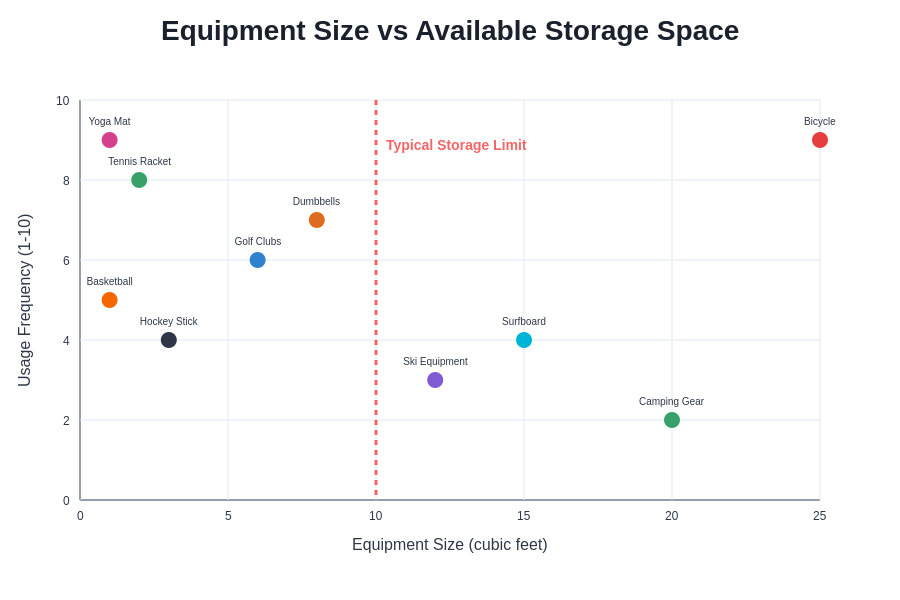
Tokyo sharehouses operate under severe spatial constraints that immediately create conflicts when residents attempt to store bulky sports equipment alongside their regular personal belongings. The typical sharehouse room allocation provides minimal personal storage space, with most residents receiving access to a small closet area that may accommodate basic clothing and essential items but lacks the capacity for sports equipment ranging from tennis rackets and golf clubs to larger items such as surfboards, ski equipment, or cycling gear.
Understanding the space limitations in Tokyo sharehouses becomes crucial when evaluating whether a particular property can accommodate your athletic lifestyle without creating ongoing conflicts with management or fellow residents. The architectural reality of converted residential buildings means that storage solutions were never designed to accommodate the diverse equipment needs of multiple athletic residents simultaneously.
Common areas designated for storage often become battlegrounds where residents compete for limited space, leading to informal hierarchies based on equipment size, frequency of use, and individual assertiveness in claiming and defending storage territory. These dynamics can quickly escalate from minor inconveniences to major house conflicts that affect overall community harmony and individual satisfaction with the living arrangement.
The vertical nature of Japanese storage solutions, while efficient for traditional items, proves inadequate for sports equipment that often requires horizontal positioning or specialized mounting systems that may not be permitted under standard rental agreements. This mismatch between available storage infrastructure and actual resident needs creates ongoing frustration and forces residents into suboptimal storage arrangements that can damage equipment and create safety hazards.
Equipment-Specific Storage Challenges
Different types of sports equipment present unique storage challenges that compound the general space limitations of sharehouse living, requiring residents to develop specialized solutions or make difficult decisions about which activities to maintain and which to abandon during their time in shared accommodation. Managing storage space in sharehouses involves understanding how various equipment types interact with available space and house rules.
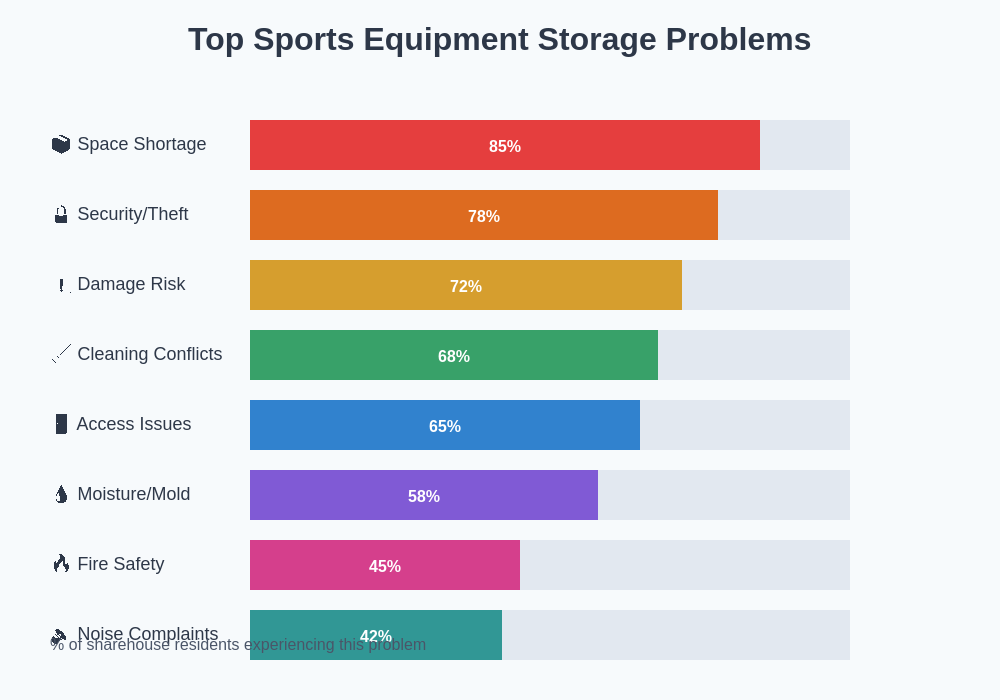
Cycling equipment represents perhaps the most problematic category due to the combination of high value, daily use frequency, and significant space requirements that conflict with standard sharehouse storage policies. Bicycles require secure storage that protects against theft while remaining accessible for regular use, but most sharehouses lack adequate bicycle storage facilities and prohibit indoor storage that might damage floors or create obstacles in emergency evacuation routes.
Water sports equipment such as surfboards, diving gear, and swimming accessories create additional complications through moisture retention that can lead to mold growth in humid Japanese conditions, requiring specialized drying and ventilation arrangements that most sharehouses cannot accommodate without risking property damage or creating health hazards for other residents.
Seasonal equipment storage becomes particularly challenging in sharehouses where residents cannot maintain dedicated space for items used only during specific times of year, such as skiing equipment, camping gear, or seasonal sporting goods that may remain unused for months while occupying valuable storage space that other residents desperately need for daily essentials.
Security and Theft Concerns
The shared nature of sharehouse living creates inherent security vulnerabilities for expensive sports equipment that becomes targets for theft both from residents and external individuals who may gain access to common storage areas. Understanding security policies in sharehouses reveals the limitations of protection available for valuable personal belongings stored in common areas.
High-value equipment such as professional bicycles, golf clubs, skiing gear, and fitness equipment attracts theft due to easy resale potential and the difficulty of tracking ownership once items are removed from the premises. The transient nature of some sharehouse residents creates additional security risks, as temporary residents may view valuable equipment as opportunities rather than respecting property ownership norms.
Insurance coverage for sports equipment stored in sharehouses often proves inadequate or completely absent, leaving residents financially vulnerable when theft or damage occurs. Standard renter’s insurance policies may not cover items stored in common areas, and sharehouse operators typically disclaim responsibility for personal belongings stored outside of individual rooms, creating a protection gap that can result in significant financial losses.
The psychological impact of equipment theft extends beyond financial considerations to affect residents’ willingness to maintain active lifestyles and their overall trust in the sharehouse community. When valuable equipment disappears, the resulting suspicion and tension can permanently damage house relationships and create ongoing conflicts that affect the living experience for all residents involved.
Maintenance and Cleaning Responsibilities
Sports equipment stored in sharehouses creates ongoing maintenance and cleaning responsibilities that often become sources of conflict when residents fail to meet community expectations regarding equipment care and common area cleanliness. House cleaning responsibilities and conflicts frequently center around sports equipment that requires regular maintenance to prevent deterioration and environmental damage.
Muddy cleats, wet swimwear, and equipment used in outdoor environments introduce dirt, moisture, and odors into shared spaces that affect all residents’ living conditions. The expectation that equipment owners will immediately clean and properly store their gear conflicts with the reality that post-workout exhaustion and time constraints often lead to delayed maintenance that allows problems to accumulate and worsen.
Equipment maintenance activities such as bicycle repairs, equipment cleaning, and gear organization can monopolize common areas and create inconvenience for other residents who need access to kitchens, laundry facilities, or recreational spaces. The noise, mess, and space occupation associated with equipment maintenance becomes particularly problematic in small sharehouses where alternative locations for these activities may not exist.
The responsibility for cleaning up after equipment-related activities often falls disproportionately on non-athletic residents who find themselves dealing with mud, water, and equipment residue left by others. This imbalance in cleaning responsibilities creates resentment and can lead to house rules that restrict or prohibit certain types of equipment storage entirely.
Cultural and Lifestyle Conflicts
The integration of Western athletic lifestyles with traditional Japanese living arrangements creates cultural conflicts that manifest in disagreements over equipment storage priorities, acceptable maintenance practices, and the appropriate balance between individual athletic pursuits and community harmony. Cultural differences in sharehouses often surface through conflicts over sports equipment storage and usage.
Japanese cultural emphasis on minimalism and space efficiency conflicts with Western tendencies toward equipment accumulation and the belief that maintaining an active lifestyle requires access to specialized gear for multiple activities. These philosophical differences create ongoing tension when residents must negotiate storage allocation and equipment policies that satisfy diverse cultural expectations.
Different cultural approaches to equipment sharing create misunderstandings when some residents expect community access to expensive gear while others maintain strict personal ownership boundaries. The assumption that expensive equipment should be available for house use conflicts with individual investment in specialized gear selected for personal needs and preferences.
The varying levels of athletic commitment among international residents create hierarchies where serious athletes may claim priority access to storage space while casual participants feel marginalized or excluded from equipment-related decisions. These dynamics become particularly complex when residents’ athletic involvement changes over time, requiring ongoing renegotiation of storage arrangements and equipment policies.
Financial Implications and Hidden Costs
Sports equipment storage in sharehouses involves hidden costs that extend far beyond the basic rental fees, including specialized storage solutions, insurance considerations, equipment replacement due to damage or theft, and the opportunity costs associated with abandoning athletic activities due to storage limitations. Understanding the true costs of sharehouse living must include these equipment-related expenses.
External storage solutions such as rental lockers, gym memberships with equipment storage, or specialized sports equipment storage facilities can add substantial monthly costs that may exceed the savings achieved through sharehouse living. The inconvenience of accessing equipment stored off-site often reduces usage frequency and may ultimately render expensive gear worthless due to practical inaccessibility.
Equipment damage resulting from inappropriate storage conditions can create significant replacement costs that may not be covered by insurance or compensated by sharehouse management. Moisture damage, theft, accidental damage from overcrowding, and wear from suboptimal storage conditions can rapidly depreciate equipment value and require expensive repairs or replacements.
The social pressure to contribute to house equipment purchases can create ongoing financial obligations when residents are expected to participate in group purchases of shared sporting goods, exercise equipment, or recreational items that may not align with individual interests or budgets.
Health and Safety Considerations
Improperly stored sports equipment creates health and safety hazards that can affect entire sharehouse communities through fire safety violations, emergency evacuation obstacles, structural damage from overweight storage, and environmental health issues related to moisture and odor accumulation. Safety considerations in sharehouses become critical when equipment storage affects emergency preparedness.
Overcrowded storage areas create fire hazards when equipment blocks access to electrical panels, emergency exits, or safety equipment such as fire extinguishers and emergency lighting. The combustible nature of some sports equipment materials can accelerate fire spread and create toxic smoke conditions that endanger all residents.
Improperly secured equipment can create falling hazards when items stored in overhead areas become dislodged during earthquakes or normal building movement. Heavy equipment such as weight sets, exercise machines, or bulk sporting goods can cause serious injury if storage arrangements fail and items fall on residents.
Moisture accumulation from wet sports equipment can create mold growth that affects indoor air quality and may trigger respiratory problems for sensitive residents. The enclosed nature of many sharehouse storage areas provides ideal conditions for mold development when wet equipment is stored without adequate ventilation or drying time.
Seasonal Storage Complications
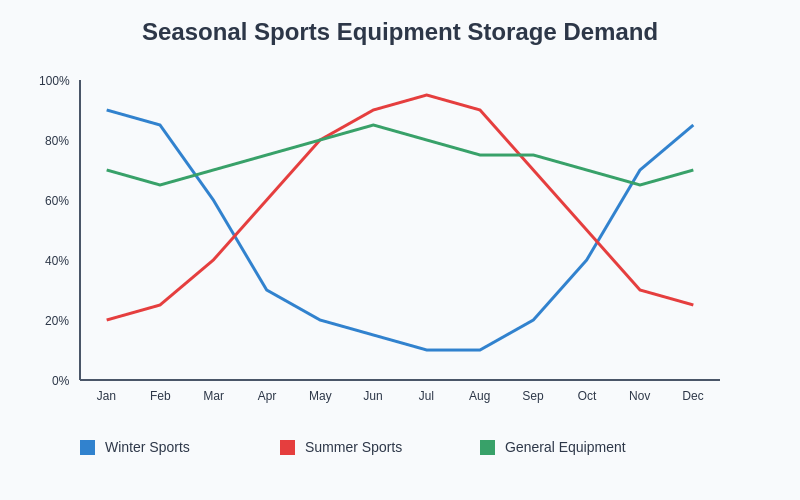
The dramatic seasonal changes in Tokyo create cyclical storage pressures as residents transition between different athletic activities throughout the year, requiring flexible storage solutions that can accommodate varying equipment loads while maintaining fair access for all residents. Seasonal transitions in sharehouses often coincide with major equipment storage reorganization that can disrupt established arrangements.
Winter sports equipment storage during off-season months monopolizes significant space that could serve other purposes, but the high cost of quality skiing and snowboarding gear makes disposal impractical for residents who plan to use equipment during future seasons. The bulky nature of winter sports equipment compounds storage problems in sharehouses that already struggle to accommodate basic resident needs.
Summer equipment such as beach gear, camping supplies, and outdoor sports equipment requires storage solutions that protect against humidity damage while remaining accessible during the active season. The increased frequency of summer equipment usage creates ongoing disruption in storage areas as residents regularly access and reorganize gear for weekend activities and vacation trips.
Seasonal equipment rotation requires coordination among residents to ensure fair access to storage space as athletic focus shifts throughout the year. The negotiation process for redistributing storage allocation can create conflicts when residents disagree about the relative importance of different seasonal activities or when long-term residents claim permanent priority over newer arrivals.
Technology and Modern Equipment Challenges
Modern sports equipment increasingly incorporates electronic components, requiring specialized storage conditions that protect against moisture, temperature fluctuations, and electrical interference while maintaining access to charging facilities for equipment maintenance. Modern amenities in sharehouses may not accommodate the electrical needs of contemporary sports equipment.
Electronic fitness equipment, GPS devices, action cameras, and smart sports gear require secure storage with access to electrical outlets for regular charging, but sharehouses often lack adequate electrical capacity in storage areas and may prohibit electrical usage in common storage spaces due to fire safety concerns.
The integration of smartphone apps with sports equipment creates additional security concerns when stored equipment remains connected to personal devices that may be accessible to other residents. The risk of unauthorized access to fitness data, GPS tracking information, and social media integration through abandoned or poorly secured equipment creates privacy vulnerabilities that extend beyond simple theft concerns.
High-tech equipment depreciation accelerates when stored in suboptimal conditions, making the storage environment critical for maintaining equipment value and functionality over time. Temperature sensitivity, humidity damage, and electrical interference can rapidly degrade electronic sports equipment performance and require expensive repairs or replacements.
Community Impact and Social Dynamics
Sports equipment storage issues create ripple effects throughout sharehouse communities, influencing social relationships, house policies, and the overall living atmosphere in ways that extend far beyond the immediate participants in equipment-related conflicts. Social dynamics in sharehouses become complicated when equipment storage creates ongoing tension between residents.
Equipment-related conflicts often divide residents into factions based on athletic interests, storage priority claims, and attitudes toward individual versus community needs. These divisions can persist long after specific storage disputes are resolved and may influence future house decisions, room assignments, and social interactions among residents.
The presence of valuable sports equipment can create subtle class distinctions within sharehouses when expensive gear ownership becomes associated with higher income levels, creating social barriers between residents with different financial resources and athletic participation levels.
Equipment sharing expectations vary significantly among residents and can create ongoing negotiations about access to expensive gear, maintenance responsibilities, and replacement costs when shared equipment becomes damaged or worn through use by multiple residents.
Long-term Solutions and Adaptations
Successful long-term resolution of sports equipment storage problems requires systematic approaches that address both individual needs and community harmony through clear policies, creative storage solutions, and ongoing adaptation to changing resident needs and house dynamics. Long-term success in sharehouses depends on developing sustainable approaches to recurring challenges like equipment storage.
Establishing clear house policies regarding equipment storage, maintenance responsibilities, and usage expectations helps prevent conflicts by setting consistent standards that all residents understand and agree to follow. Written policies provide reference points for resolving disputes and ensure that storage arrangements reflect community decisions rather than individual preferences or power dynamics.
Creative storage solutions such as rotating storage assignments, seasonal equipment exchanges, and community purchasing of shared equipment can maximize available space utilization while ensuring fair access for all residents. These approaches require ongoing coordination and communication but can significantly reduce storage pressure and associated conflicts.
Regular reassessment of storage arrangements allows houses to adapt to changing resident needs, seasonal requirements, and evolving equipment priorities without creating permanent inequities or unsustainable arrangements. Scheduled storage reorganization provides opportunities to address emerging problems before they escalate into major conflicts.
The challenge of sports equipment storage in Tokyo sharehouses reflects the broader tensions inherent in balancing individual lifestyle preferences with community living requirements in space-constrained urban environments. Success in managing these challenges requires recognition that equipment storage represents more than simple space allocation, encompassing cultural values, social relationships, and fundamental questions about the appropriate balance between personal pursuits and collective harmony. Residents who approach equipment storage issues with flexibility, communication, and respect for community needs are more likely to develop sustainable solutions that enhance rather than undermine their sharehouse living experience.
Disclaimer
This article is for informational purposes only and does not constitute professional advice regarding storage solutions or sharehouse policies. Storage arrangements and house rules vary significantly between different sharehouses and may change over time. Residents should verify specific policies and storage availability with property management before making equipment-related decisions. The experiences described may not apply to all sharehouses or residents, and individual results may vary based on specific circumstances and house dynamics.