The security of sharehouse living extends far beyond individual room locks and personal belongings protection, encompassing the fundamental challenge of controlling who gains access to shared residential buildings. When unknown individuals can enter sharehouse premises without proper verification or authorization, the resulting security vulnerabilities create cascading risks that affect every resident’s safety, privacy, and peace of mind. Understanding these complex security implications becomes essential for anyone considering or currently living in shared accommodation arrangements.
The nature of sharehouse living inherently involves multiple residents, visitors, and service personnel requiring legitimate building access, creating numerous entry points that can be exploited by individuals with malicious intent. The challenge lies not merely in preventing unauthorized access but in maintaining functional daily operations while implementing security measures that protect all residents without creating undue inconvenience or restricting necessary activities.
The Fundamental Security Vulnerability
Sharehouses face unique security challenges that differ significantly from single-occupancy apartments or traditional housing arrangements due to their multiple entry points, diverse resident populations, and frequent visitor traffic. Understanding sharehouse security requires examining how these factors interact to create opportunities for unauthorized access that can compromise the safety of all residents.
The basic architecture of most sharehouses includes common entrances, shared access codes or key systems, and multiple points where security protocols can break down. Unlike private residences where access control remains under single ownership, sharehouses must balance accessibility for legitimate users with security against unauthorized entry. This balance becomes particularly challenging when resident turnover rates are high and access credentials change frequently.
Traditional security measures such as locked doors and access codes lose effectiveness when they must be shared among numerous residents, temporary visitors, delivery personnel, and maintenance workers. The proliferation of access methods and the human tendency toward convenience often result in security practices that prioritize ease of use over robust protection against unauthorized access.
Multiple Entry Point Vulnerabilities
The typical sharehouse building contains numerous potential access points that extend beyond the primary entrance, including back doors, service entrances, balcony access points, and emergency exits that may not receive the same level of security attention as main entrances. Security vulnerabilities multiply when buildings have inadequate access control systems across all potential entry points.
Maintenance access requirements create additional security challenges as repair personnel, cleaning services, and utility workers require building access during various hours and circumstances. The coordination of legitimate service access while maintaining security against unauthorized entry becomes increasingly complex as the number of service providers and access requirements grows.
Emergency exit systems present particular challenges as they must remain accessible for safety compliance while preventing unauthorized entry from external sources. Balancing fire safety requirements with security needs often results in compromised solutions that provide opportunities for unauthorized access through emergency exit systems.
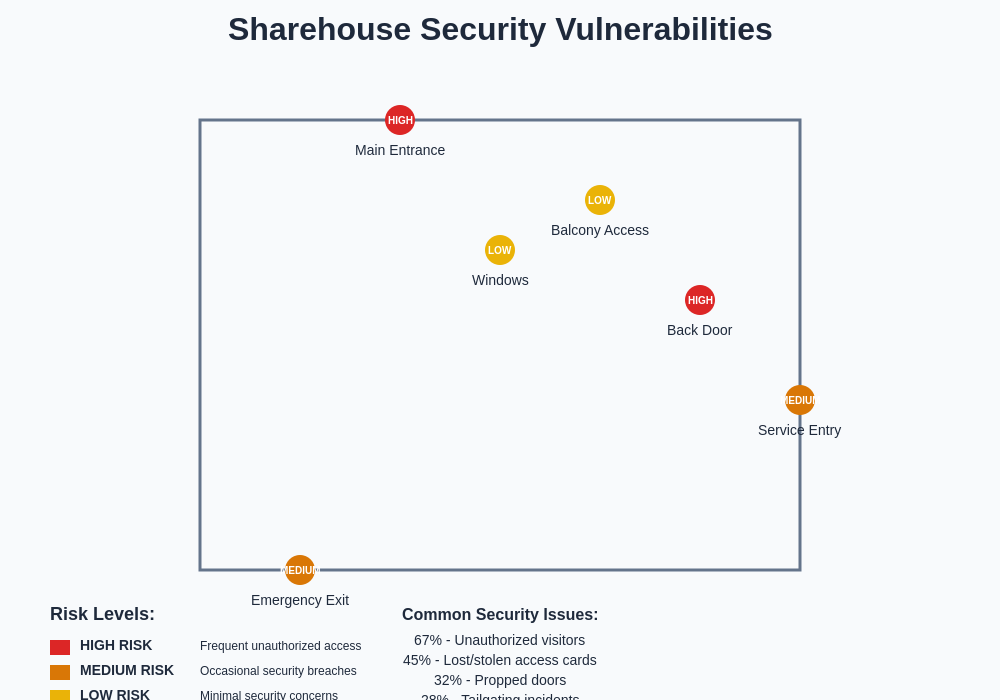
Window and balcony access points in ground-level or easily accessible upper-level units create additional vulnerability vectors that may receive insufficient attention in overall building security planning. The interconnected nature of sharehouse buildings means that access to one unit or common area can potentially provide pathways to other residential areas.
Resident Verification Challenges
The diverse and transient nature of sharehouse populations creates significant challenges in maintaining accurate records of who should have building access at any given time. Resident turnover affects security when proper verification systems are not maintained and access credentials are not properly managed during resident changes.
New resident integration processes may not include thorough verification of identity, background, or intentions, allowing individuals with questionable motives to gain legitimate access to shared living spaces. The speed of resident turnover in many sharehouses can overwhelm administrative systems designed to maintain security through proper resident verification and credential management.
International residents face particular challenges in verification processes due to language barriers, unfamiliar documentation requirements, and cultural differences in identification practices. These challenges can lead to incomplete or inadequate verification procedures that compromise overall building security while creating legitimate access difficulties for honest residents.
The social dynamics of sharehouse living can discourage residents from questioning unfamiliar individuals in common areas, as the assumption of legitimate residence or visitation often overrides security concerns. This social tendency toward acceptance rather than verification can allow unauthorized individuals to operate within sharehouse premises without detection or challenge.
Visitor and Guest Access Problems
The management of visitor and guest access presents ongoing security challenges as residents naturally want to host friends, family members, and social contacts while maintaining building security. Guest policies that are too restrictive create compliance problems, while overly permissive systems create security vulnerabilities that can be exploited by unauthorized individuals.
Temporary access systems for legitimate guests often rely on residents to provide access codes, spare keys, or physical presence for entry, creating opportunities for access credentials to be shared inappropriately or fall into unauthorized hands. The informal nature of many guest access arrangements makes it difficult to track who has building access at any given time.
Extended guest stays blur the lines between temporary visitors and unofficial residents, creating situations where individuals may have ongoing building access without proper verification or registration with building management. These informal arrangements can result in unknown individuals having extended access to shared living spaces without appropriate security screening.
Party and social gathering access requirements can temporarily overwhelm security systems as large numbers of unknown individuals may require building access for legitimate social events. The challenge of maintaining security during social gatherings while allowing normal social activities creates opportunities for unauthorized access during periods of relaxed security vigilance.
Service Provider Access Issues
The operational requirements of sharehouse buildings necessitate regular access by various service providers including cleaning personnel, maintenance workers, delivery services, and utility technicians. Managing service access while maintaining security requires systems that many sharehouses lack or implement inadequately.
Cleaning and maintenance schedules may provide predictable access opportunities that can be exploited by individuals familiar with service patterns and access procedures. The regular nature of service access can create complacency among residents and management regarding verification of service personnel identity and authorization.
Delivery and package services require increasing access to sharehouse buildings as online shopping and food delivery become more prevalent. The verification of delivery personnel identity and authorization becomes challenging when multiple delivery services operate with varying identification and access procedures.
Emergency service access requirements create additional complications as emergency responders must be able to gain rapid building access during crisis situations, potentially bypassing normal security measures. The balance between emergency access requirements and ongoing security needs requires careful planning that may be absent in many sharehouse operations.
Technology and Access Control Failures
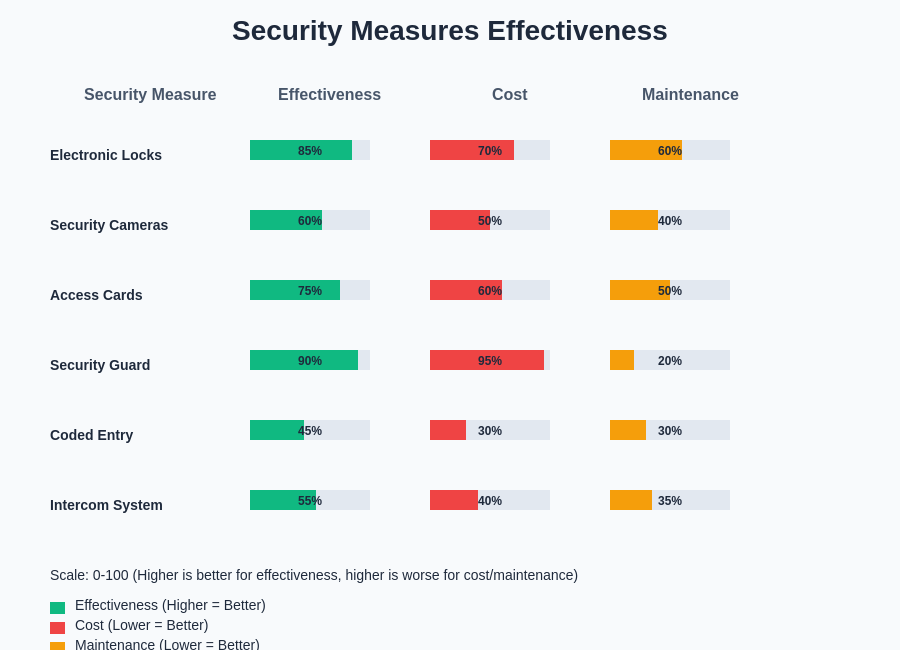
Modern sharehouse buildings may implement various technological access control systems including electronic locks, access card systems, and security cameras, but these systems often fail to provide adequate security due to implementation problems, maintenance issues, or design limitations. Technology solutions that appear secure may actually create new vulnerabilities when not properly implemented or maintained.
Electronic access systems require ongoing maintenance, software updates, and credential management that may exceed the technical capabilities or attention of sharehouse management. System failures, power outages, or technical malfunctions can result in either complete access denial for legitimate users or complete access availability for unauthorized individuals.
Access card and code systems become compromised when credentials are shared inappropriately, lost, or stolen without proper reporting and system updates. The administrative burden of maintaining current access credentials across changing resident populations often results in security gaps that allow unauthorized access.
Security camera systems may provide monitoring capabilities but often fail to prevent unauthorized access or provide adequate coverage of all entry points and common areas. The presence of security cameras can create false confidence in security measures while actual security vulnerabilities remain unaddressed.
Consequences of Compromised Security
When unauthorized individuals gain access to sharehouse buildings, the resulting security compromises can affect residents in numerous ways ranging from minor inconveniences to serious personal safety threats. The impact of security breaches extends beyond immediate incidents to create ongoing anxiety and reduced quality of life for all residents.
Personal property theft represents one of the most common consequences of compromised building security, as unauthorized individuals may gain access to common areas and individual rooms to steal valuable items, electronics, or personal belongings. The shared nature of sharehouse living can make it difficult to determine responsibility for security breaches that result in property losses.
Personal safety concerns increase significantly when unknown individuals have building access, particularly during nighttime hours or when residents are alone in the building. The presence of unauthorized individuals can create threatening situations that affect residents’ sense of security and comfort in their living environment.
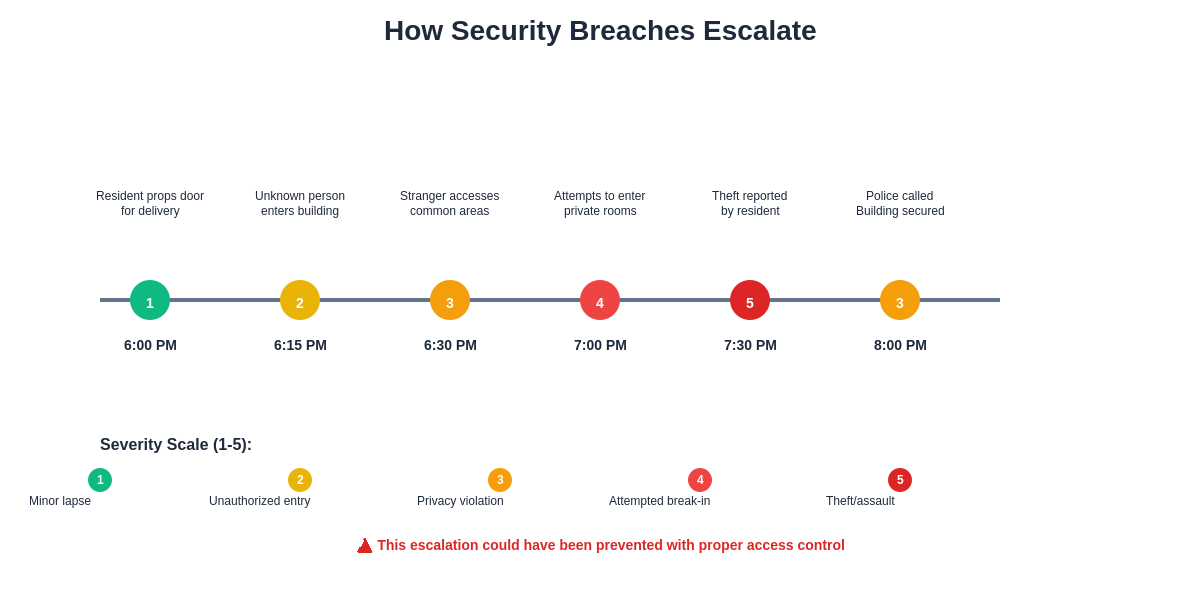
Privacy violations can occur when unauthorized individuals observe residents’ daily activities, routines, or personal information through access to common areas or proximity to private living spaces. The loss of privacy expectation can significantly impact residents’ quality of life and psychological well-being.
Impact on Daily Living
The presence of security vulnerabilities and unauthorized access concerns significantly affects residents’ daily routines, behavior patterns, and overall living experience. Security concerns change how residents interact with their living environment and can create ongoing stress that impacts mental health and quality of life.
Residents may alter their daily schedules to avoid times when unauthorized access is more likely or when security vulnerabilities are heightened. These behavioral changes can limit residents’ freedom and flexibility in using their living space and conducting normal daily activities.
Social interactions among residents can be affected by security concerns as suspicion and wariness replace trust and community building. The uncertainty about who belongs in the building can create social tension that undermines the community benefits that attract many people to sharehouse living.
Sleep quality and rest patterns may be disrupted by security concerns, particularly when residents worry about unauthorized access during nighttime hours or when they are most vulnerable. The psychological stress of security concerns can create ongoing health impacts that extend beyond immediate safety risks.
Building Management Responsibilities
Sharehouse building management bears primary responsibility for implementing and maintaining security systems that protect residents while allowing functional daily operations. Management approaches to security vary significantly and many properties lack adequate security measures or proper implementation of existing systems.
Access control system implementation requires ongoing management attention to ensure proper functioning, regular updates, and appropriate response to security incidents. Many sharehouse management operations lack the resources or expertise to maintain effective security systems over time.
Resident education about security procedures and expectations plays a crucial role in maintaining building security, but many management companies fail to provide adequate training or communication about security responsibilities and proper procedures.
Emergency response planning for security incidents requires coordination with local law enforcement, clear procedures for residents to report concerns, and appropriate follow-up when security breaches occur. The absence of clear emergency response procedures can exacerbate security incidents and leave residents without appropriate support.
Prevention and Protection Strategies
Individual residents can take various measures to protect themselves and their belongings despite building-level security vulnerabilities, though personal protection measures cannot fully compensate for inadequate building security systems. Personal security strategies become essential when building security is inadequate or unreliable.
Room-level security measures including high-quality locks, personal safes, and security devices can provide protection for personal belongings and create barriers against unauthorized access to private living spaces. Individual security investments become necessary when building-level security cannot be relied upon for adequate protection.
Awareness and vigilance regarding unfamiliar individuals in common areas can help identify potential security threats, though residents must balance security awareness with social courtesy and community building. Developing appropriate responses to suspicious activity requires judgment and communication skills that may need development.
Community cooperation among residents can create informal security networks that supplement formal security measures, though organizing effective community security efforts requires leadership and ongoing communication that may be challenging to maintain in transient sharehouse populations.
Legal and Insurance Implications
Security breaches in sharehouse buildings can create complex legal and insurance issues regarding responsibility for losses, liability for injuries, and obligations for maintaining adequate security measures. Understanding legal implications helps residents protect their interests when security failures result in personal or property losses.
Property management liability for security breaches may depend on specific contractual obligations, local regulations, and the adequacy of implemented security measures. Residents may need to understand their legal rights and remedies when security failures result in personal losses or safety concerns.
Insurance coverage for theft, personal injury, or property damage related to security breaches may have specific requirements or limitations that affect residents’ ability to recover losses. Understanding insurance coverage limitations helps residents make informed decisions about additional protection needs.
Legal documentation of security incidents becomes important for insurance claims, law enforcement reports, and potential legal action against responsible parties. Proper documentation procedures help protect residents’ interests when security breaches result in actual losses or damages.
Moving Forward with Enhanced Security
The reality of security vulnerabilities in many sharehouse buildings requires residents to make informed decisions about acceptable risk levels and necessary precautions for their personal safety and property protection. Making informed housing choices requires understanding security implications and implementing appropriate personal protection measures.
Evaluating potential sharehouses should include careful assessment of security measures, access control systems, and management approaches to security issues. Understanding existing security capabilities helps residents make informed decisions about housing options and necessary personal precautions.
Advocating for improved security measures through resident communication with management can help address security vulnerabilities, though residents should not rely solely on management responsiveness for their personal safety and property protection.
Building community awareness and cooperation around security issues can help create informal security networks that supplement formal measures while fostering the community relationships that make sharehouse living rewarding despite security challenges.
The balance between security and convenience in shared living environments requires ongoing attention and adaptation as threats evolve and resident populations change. Successful navigation of sharehouse security challenges requires combining personal responsibility with community cooperation and appropriate expectations for management support in maintaining safe living environments.
Disclaimer
This article is for informational purposes only and does not constitute professional security or legal advice. Security risks and appropriate protective measures vary significantly based on specific locations, building characteristics, and individual circumstances. Readers should assess their personal security needs and consult with relevant professionals when making decisions about housing and personal safety measures. The effectiveness of security measures depends on proper implementation and ongoing maintenance that cannot be guaranteed in all situations.