The reality of streaming service sharing in Tokyo sharehouses reveals a complex web of negotiations, unspoken agreements, and occasional conflicts that can significantly impact the social dynamics of shared living spaces. What initially appears as a simple cost-saving measure often evolves into intricate arrangements involving password management, viewing preferences, simultaneous user limits, and fair payment distribution among residents with vastly different entertainment consumption patterns and financial situations.
Understanding how streaming service sharing actually functions in practice requires examining the financial, technical, and social challenges that emerge when multiple individuals attempt to coordinate their entertainment needs while maintaining harmonious living relationships. The experience varies dramatically between different types of sharehouses, resident demographics, and house management approaches, creating unique scenarios that demand flexible solutions and clear communication strategies.
The Economics of Shared Streaming Services
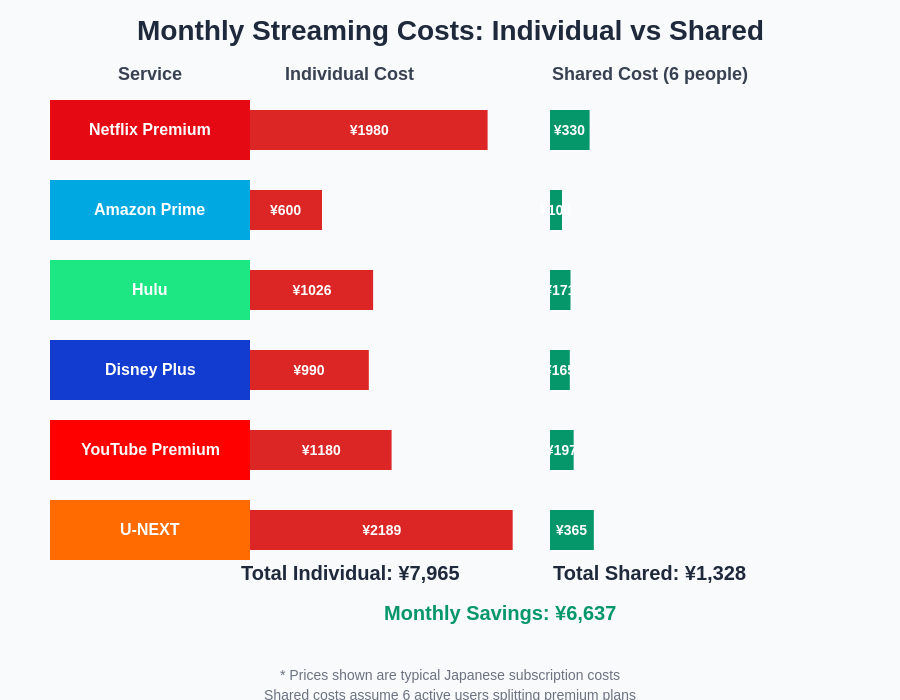
The financial mathematics of streaming service sharing in Tokyo sharehouses appears straightforward on the surface but quickly becomes complicated when applied to real-world living situations. Living costs in Tokyo sharehouses explained demonstrates how seemingly minor expenses can significantly impact monthly budgets, making streaming service coordination an essential component of household financial planning.
The basic cost distribution model involves dividing monthly subscription fees among participating residents, but practical implementation reveals numerous variables that affect fair pricing calculations. Premium subscription tiers that support multiple simultaneous streams command higher fees while offering better value for larger households, creating decisions about whether to upgrade services based on actual usage patterns rather than theoretical capacity.
Resident turnover creates ongoing financial disruption as departing housemates leave payment responsibilities that must be redistributed among remaining participants. How shared expense apps create new problems illustrates how digital payment coordination systems often fail to address the dynamic nature of sharehouse populations and changing service requirements.
International residents face additional complexity from currency conversion fees, international banking restrictions, and credit card acceptance issues that can prevent direct participation in subscription payments. These technical barriers often result in informal cash-based reimbursement systems that lack proper tracking and accountability mechanisms.
Technical Challenges and Device Management
The technical infrastructure required for effective streaming service sharing extends beyond simple password distribution to encompass bandwidth management, device limitations, and platform compatibility issues that can severely impact viewing quality and accessibility. How internet data limits affect your monthly usage explores how streaming consumption patterns can overwhelm shared internet connections and create additional household expenses.
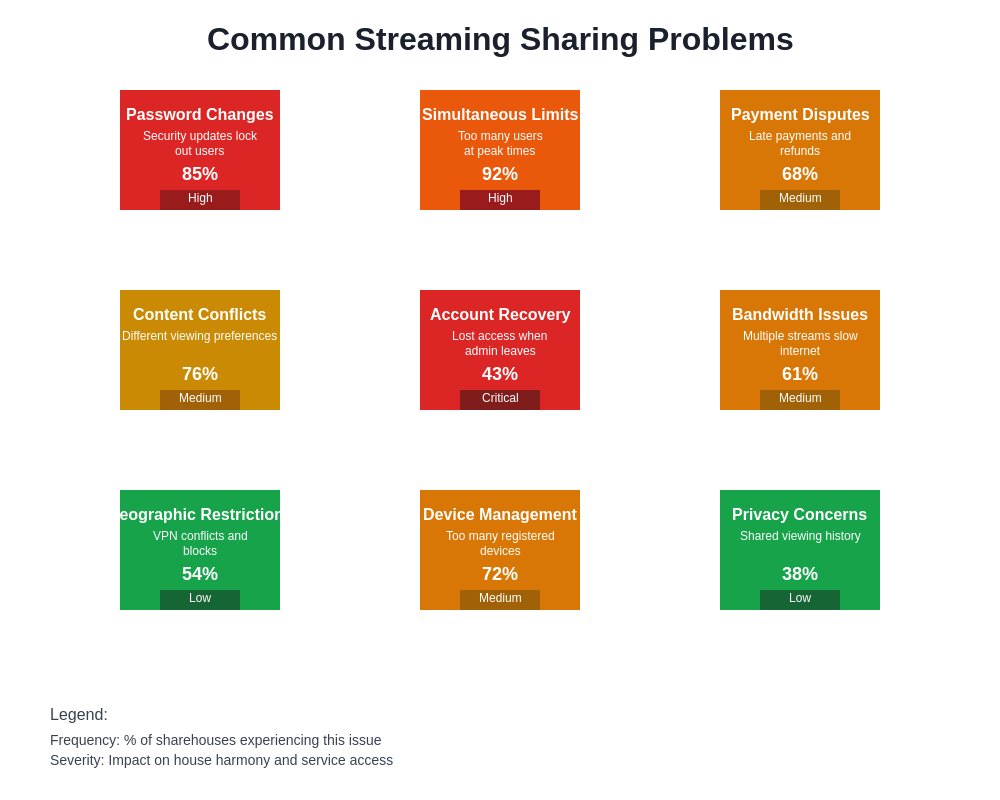
Simultaneous viewing restrictions built into most streaming platforms create inevitable conflicts when multiple residents attempt to access services during peak evening hours or weekend periods. The theoretical capacity of premium plans rarely matches actual usage patterns, particularly in houses with young professionals and students whose leisure time concentrates during specific periods.
Device management becomes increasingly complex as residents use various smartphones, tablets, laptops, and smart TV systems that require different authentication approaches and security protocols. Password changes initiated by security-conscious users can disrupt access for all participants, creating communication challenges and temporary service interruptions that affect household harmony.
Geographic restrictions and VPN usage create additional technical complications as international residents attempt to access content from their home countries while participating in shared Japanese service accounts. These workarounds often violate service terms and create potential account suspension risks that could affect all participating users.
Social Dynamics and Viewing Preferences
The intersection of entertainment preferences with cultural backgrounds creates complex social dynamics that extend far beyond simple service sharing to influence friendship formation, social hierarchies, and house community development. Making friends through Tokyo sharehouse communities demonstrates how shared activities like streaming content consumption can either strengthen or strain residential relationships.
Language preferences significantly impact content selection and viewing experiences, particularly in houses with diverse international populations where English, Japanese, and other languages compete for common area entertainment choices. Subtitle preferences, audio language selection, and content discovery algorithms trained on different viewing histories create ongoing negotiation requirements among residents.
Genre preferences reveal personality differences and cultural values that can create unexpected social tensions within shared living environments. Horror movie enthusiasts may find their viewing choices limited by noise restrictions or housemate comfort levels, while documentary preferences might conflict with action movie fans during shared viewing sessions.
Viewing schedule coordination requires diplomatic skills as residents balance personal entertainment time with communal activities and consideration for neighbors. How social events become obligatory examines how seemingly voluntary shared activities can create social pressure and participation expectations that affect individual autonomy.
Platform-Specific Sharing Arrangements
Different streaming services present unique challenges and opportunities for sharehouse sharing arrangements, with varying technical capabilities, content offerings, and pricing structures that influence which platforms receive priority investment from resident communities. Netflix’s multiple profile system and robust simultaneous streaming support makes it the most commonly shared service, while newer platforms with limited sharing features often receive individual subscriptions.
Amazon Prime Video’s integration with shopping benefits creates additional complexity as residents weigh entertainment value against shipping advantages and other Prime membership perks. The bundled nature of these services complicates cost-benefit analysis and fair payment distribution among participants with different consumption patterns across various Prime services.
Disney Plus and other family-oriented services often receive less priority in young adult sharehouses, but their exclusive content offerings can create temporary subscription needs during specific content releases. How entertainment budgets become shared expenses explores how residents navigate varying content preferences and financial priorities when making collective subscription decisions.
Japanese domestic platforms like TVer, AbemaTV, and U-NEXT present unique sharing opportunities and challenges related to content localization, payment method requirements, and viewing behavior analytics that may not align with international resident expectations and technical capabilities.
Payment Distribution and Financial Accountability
The practical mechanics of collecting and distributing streaming service payments among sharehouse residents reveals significant gaps between theoretical fairness and operational reality. How shared credit cards create liability issues demonstrates how informal financial arrangements can create legal and practical complications that extend beyond simple entertainment expenses.
Monthly collection timing rarely aligns with actual service billing cycles, creating cash flow challenges for residents responsible for maintaining active subscriptions. The disconnect between payment due dates and resident salary schedules often results in temporary service disruptions or individual residents covering collective expenses without guaranteed reimbursement.
Usage-based payment models that attempt to correlate individual viewing time with financial responsibility quickly become impractical due to privacy concerns, tracking complexity, and disagreements about viewing value calculation methods. Equal distribution remains the most common approach despite significant differences in actual service utilization among residents.
Residents departing mid-month create proration calculations that require mathematical precision and good faith negotiations about partial refunds and ongoing service access. How moving out really costs in Tokyo sharehouses illustrates how seemingly minor shared expenses can become significant financial disputes during tenancy transitions.
Common Area Viewing Politics
The transformation of sharehouse common areas into informal movie theaters creates complex social dynamics involving noise management, seating hierarchy, content selection democracy, and viewing schedule coordination that can significantly impact overall house harmony. How entertainment choices exclude others examines how seemingly inclusive activities can create social divisions and participation pressure.
Television size, audio system quality, and seating comfort become sources of ongoing discussion as residents balance individual preferences with collective enjoyment and budget constraints. Investment decisions about entertainment infrastructure require consensus-building skills and long-term planning that accounts for resident turnover and changing technology standards.
Remote control authority represents a microcosm of house power dynamics, with informal leadership roles emerging around technology management, content selection, and viewing session coordination. These responsibilities often fall to residents with strongest technical skills or most assertive personalities rather than democratic selection processes.
Quiet hours enforcement becomes particularly challenging when streaming content involves late-night viewing sessions, dramatic audio effects, or residents with different sleep schedules. Noise complaints from neighboring units can affect entire house relationships with building management and impact lease renewal negotiations.
Privacy and Account Security Considerations
Shared streaming service arrangements create significant privacy vulnerabilities as residents gain access to viewing histories, personal recommendations, and account management capabilities that reveal intimate details about individual entertainment preferences and consumption patterns. How personal information gets compromised explores broader privacy risks associated with shared digital services in communal living environments.
Password management requires ongoing coordination as residents balance security requirements with access convenience, often resulting in weak password practices or extended periods without security updates. Service providers’ increasing emphasis on two-factor authentication and device verification creates additional barriers for legitimate shared access arrangements.
Viewing history contamination affects content recommendation algorithms and can create embarrassing situations when individual preferences become visible to other residents through suggested content lists. The inability to maintain separate viewing profiles on some platforms limits privacy protection and personalization effectiveness.
Account recovery procedures typically require access to primary email addresses and payment methods controlled by individual residents, creating potential lockout scenarios when responsible parties become unavailable or depart the house without proper account transition planning.
International Content Access and VPN Usage
The geographic restrictions built into most streaming platforms create ongoing challenges for international residents seeking content from their home countries while participating in shared Japanese service accounts. How cultural differences impact holiday celebrations demonstrates how content access limitations can prevent residents from maintaining cultural connections through entertainment.
VPN services that enable geographic content access often violate streaming platform terms of service and create account suspension risks that could affect all sharing participants. The technical complexity of VPN configuration and maintenance typically falls to individual residents rather than collective house responsibility, creating dependency relationships and potential service disruption scenarios.
Content availability varies significantly between geographic regions, with international residents often discovering that their preferred shows, movies, or sports programming cannot be accessed through shared Japanese accounts. These limitations may necessitate individual subscriptions or alternative viewing arrangements that complicate house-wide sharing strategies.
Language and subtitle availability affects content accessibility for residents with different linguistic capabilities, creating viewing experience disparities that can influence social inclusion and entertainment participation patterns within diverse international house communities.
Conflict Resolution and House Rules
The establishment and enforcement of streaming service sharing rules requires diplomatic skills and clear communication protocols that address both technical requirements and social considerations affecting house harmony. How to handle roommate conflicts without moving out provides broader context for managing entertainment-related disputes within sharehouse environments.
Usage priority systems that allocate viewing time during peak demand periods require fair distribution mechanisms and enforcement procedures that maintain house relationships while ensuring equitable access. Democratic decision-making processes for content selection can become time-consuming and may not satisfy residents with strong preferences or limited availability.
Password sharing violations and unauthorized account modifications create trust issues that can extend beyond entertainment services to affect broader house social dynamics and cooperation levels. Clear protocols for reporting and addressing security breaches help maintain collective account integrity while preserving individual privacy rights.
Financial dispute resolution procedures for late payments, service downgrades, or unexpected charges require transparent accounting systems and agreed-upon arbitration methods. How bill splitting can become complicated in sharehouses illustrates how entertainment expenses can become significant sources of house conflict without proper management systems.
Long-term Sustainability and Service Evolution
The long-term viability of streaming service sharing arrangements depends on adaptation to changing technology platforms, evolving resident populations, and shifting entertainment industry business models that may limit or restrict account sharing capabilities. Service providers’ increasing restrictions on password sharing and simultaneous viewing create ongoing challenges for traditional sharehouse sharing approaches.
Resident turnover requires flexible sharing systems that can accommodate changing household sizes, financial capabilities, and content preferences without disrupting service continuity for stable residents. New resident integration procedures must address both technical access requirements and social onboarding to maintain house community cohesion.
Technology evolution toward smart home integration and personalized viewing experiences may reduce the effectiveness of shared account approaches while creating new opportunities for household entertainment coordination. The balance between individual customization and collective cost savings will continue influencing sharehouse entertainment strategies.
Platform consolidation and exclusive content distribution create ongoing subscription proliferation that may overwhelm house entertainment budgets and require strategic selection processes for determining which services receive collective investment versus individual subscription approaches.
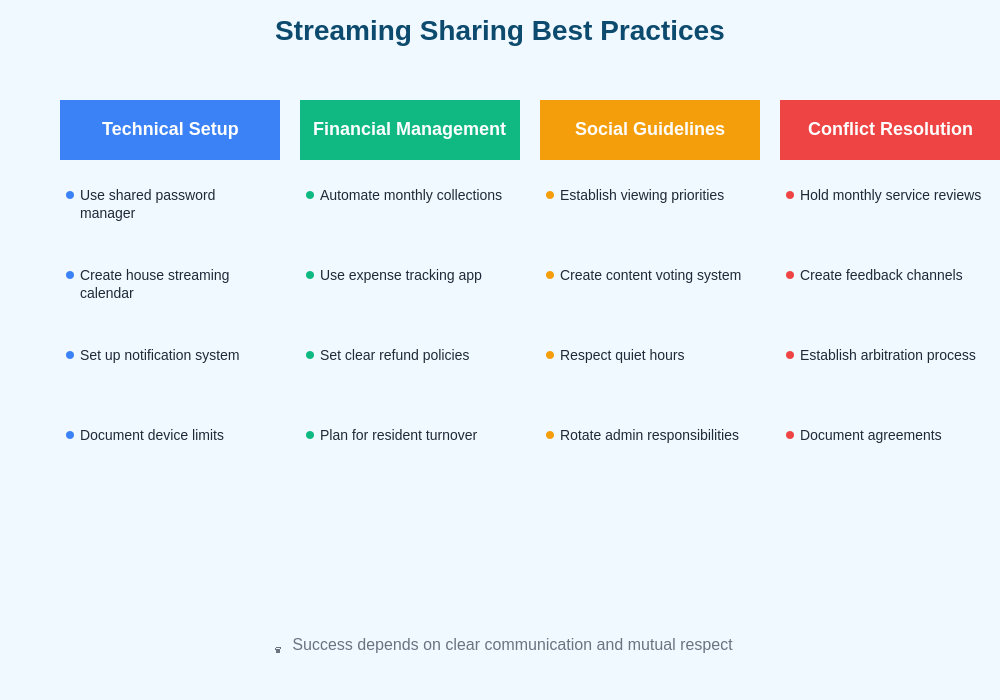
Understanding the practical realities of streaming service sharing in Tokyo sharehouses reveals complex interactions between technology, finance, and social dynamics that require ongoing negotiation and adaptation. Success depends on clear communication, flexible systems, and mutual respect among residents who balance individual entertainment preferences with collective cost savings and community harmony. The experience provides valuable lessons in compromise, resource management, and cross-cultural cooperation that extend far beyond simple entertainment consumption into broader shared living skills development.
Disclaimer
This article is for informational purposes only and does not constitute legal advice regarding terms of service compliance or account sharing practices. Streaming service sharing arrangements should comply with platform terms of service and applicable laws. The effectiveness of sharing strategies may vary depending on specific service providers, technical capabilities, and house community dynamics. Readers should review current terms of service and consider individual subscription options when shared arrangements become problematic.