Living in a Tokyo sharehouse presents unique psychological challenges that transform stress management from an optional wellness practice into an essential survival skill. The convergence of cultural adaptation, language barriers, cramped living conditions, and constant social interaction creates a perfect storm of stressors that can overwhelm even the most resilient individuals. Understanding why these techniques become not just helpful but absolutely necessary represents the first step toward maintaining mental health and building meaningful relationships in Japan’s demanding urban environment.
The intensity of sharehouse living in Tokyo amplifies everyday stressors while introducing entirely new categories of psychological pressure that many international residents never anticipated. From navigating complex social hierarchies to managing constant noise levels, the accumulated stress can manifest in physical symptoms, relationship conflicts, and decreased overall life satisfaction that ultimately undermines the very cultural immersion and cost savings that originally motivated the housing choice.
The Unique Stress Landscape of Tokyo Sharehouses
Tokyo’s sharehouses create a distinctive stress environment that combines the challenges of international living with the pressures of communal existence in one of the world’s most densely populated cities. The constant need to maintain cultural sensitivity while expressing personal needs creates ongoing psychological tension that requires sophisticated coping mechanisms to manage effectively.
Understanding why privacy is limited even in private rooms reveals how the physical constraints of sharehouse living eliminate crucial mental health resources that most people take for granted. The inability to fully retreat from social interaction creates cumulative stress that builds throughout weeks and months of continuous exposure.
The linguistic demands of daily communication in a non-native language add cognitive load to every interaction, transforming routine conversations into mentally exhausting exercises. How language barriers prevent deep friendships demonstrates how communication difficulties compound social isolation while simultaneously increasing the energy required for basic social functioning.
Cultural misunderstandings occur with such frequency that residents develop hypervigilance about their behavior, constantly monitoring themselves for potential social missteps. This state of perpetual alertness creates chronic stress that manifests in sleep disruption, digestive issues, and emotional volatility that can strain relationships throughout the house community.
Recognizing Stress Accumulation Patterns
The gradual nature of stress accumulation in sharehouses makes recognition particularly challenging, as residents often dismiss individual incidents while failing to acknowledge the cumulative impact on their mental and physical health. Early warning signs frequently manifest as increased irritability over minor inconveniences, difficulty concentrating on work or studies, and heightened sensitivity to noise and social interactions.
Sleep quality typically deteriorates first, as the combination of unfamiliar sounds, irregular schedules from multiple residents, and ongoing anxiety about social dynamics interferes with natural rest patterns. How sleep quality suffers in shared environments explores how this fundamental health disruption creates a cascade of additional stress-related problems.
Social withdrawal often follows as residents attempt to manage overwhelming stimulation by avoiding common areas and reducing interaction with housemates. While this strategy provides temporary relief, it ultimately increases isolation and reduces access to support systems that could help address underlying stressors.
Physical symptoms such as headaches, muscle tension, digestive problems, and frequent minor illnesses indicate that stress levels have exceeded the body’s natural coping capacity. How illness spreads faster in sharehouses demonstrates how stress-weakened immune systems create vulnerability to additional health challenges.
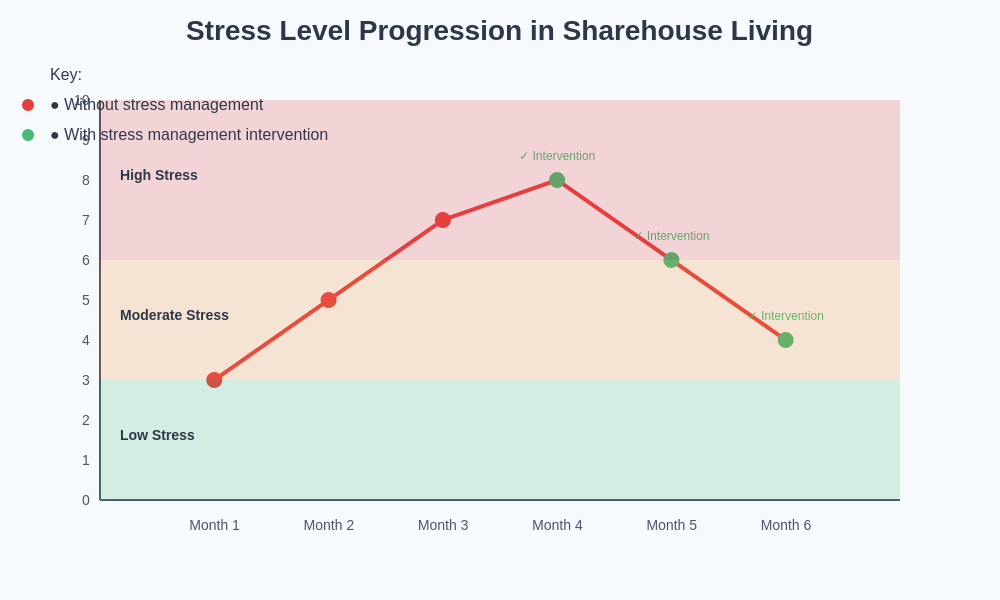
Financial anxiety compounds other stressors as residents worry about housing costs, job security, and unexpected expenses while dealing with currency fluctuations and complex payment systems. The intersection of financial pressure with living situation stress creates particularly intense psychological burdens.
Essential Breathing and Mindfulness Techniques
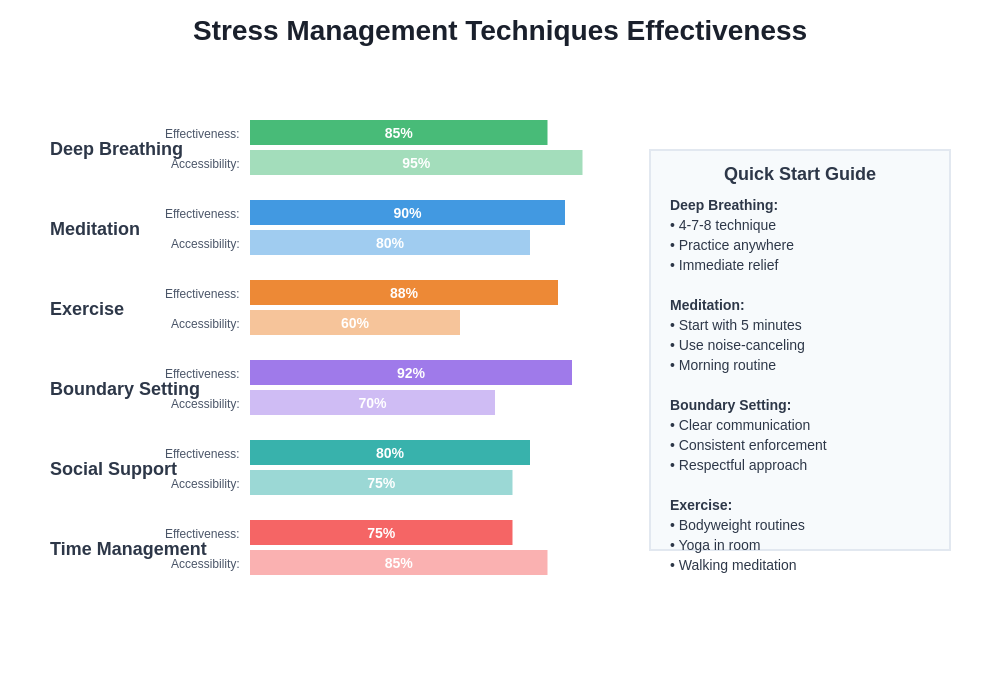
Controlled breathing techniques provide immediate stress relief that can be practiced discretely in any sharehouse environment, making them particularly valuable for managing acute anxiety during social conflicts or overwhelming situations. The 4-7-8 breathing method, which involves inhaling for four counts, holding for seven, and exhaling for eight, activates the parasympathetic nervous system to counteract stress responses.
Progressive muscle relaxation adapted for small spaces allows residents to release physical tension without requiring privacy or special equipment. Starting with facial muscles and working systematically through the body, this technique can be performed lying in bed or sitting at a desk while studying or working.
Mindfulness meditation practices specifically designed for noisy environments help residents develop tolerance for unavoidable disruptions while maintaining inner calm. Rather than seeking perfect silence, these techniques teach acceptance of ambient noise as part of the meditation experience rather than an obstacle to overcome.
Walking meditation transforms necessary trips between home, work, and errands into opportunities for stress reduction and mental reset. The structured attention to physical sensations and environmental awareness provides mental relief while accomplishing practical tasks.
Body scan practices help identify areas of tension before they develop into chronic pain or illness, allowing for early intervention through stretching, massage, or postural adjustments. Regular body awareness prevents the accumulation of physical stress symptoms that often go unnoticed until they become problematic.
Establishing Boundaries in Shared Spaces
Effective boundary setting requires clear communication of personal needs while respecting the legitimate requirements of other residents, creating a delicate balance that must be continuously negotiated and maintained. How to handle roommate conflicts without moving out provides frameworks for addressing boundary violations constructively.
Temporal boundaries involve establishing specific times for work, study, relaxation, and social interaction, then communicating these schedules to housemates to minimize conflicts over common area usage and noise levels. Creating predictable routines helps all residents plan their activities while reducing surprise disruptions.
Physical boundaries within shared spaces require creative solutions that maximize privacy without violating house rules or creating social friction. Strategic furniture arrangement, noise-reducing materials, and visual barriers can create psychological separation even in open-plan environments.
Emotional boundaries protect mental health by limiting exposure to others’ drama, complaints, or negative emotions while maintaining empathy and community connection. This involves learning to listen supportively without absorbing others’ stress as personal burdens.
Digital boundaries become crucial when residents work from home or study in shared spaces, requiring agreements about internet usage, video call schedules, and device-free zones that respect everyone’s productivity needs.
Communication Strategies for Stress Reduction
Proactive communication prevents many stress-inducing conflicts by addressing potential issues before they escalate into major problems that damage relationships and house harmony. Regular house meetings provide structured opportunities to discuss concerns, share feedback, and collaboratively develop solutions to emerging challenges.
How cultural communication styles create misunderstandings reveals why direct translation of communication approaches often fails in multicultural environments, requiring adaptive strategies that account for different cultural norms around conflict, feedback, and personal space.
Active listening techniques help residents understand underlying concerns behind surface-level complaints, enabling more effective problem-solving and reducing the emotional intensity of difficult conversations. Reflecting back what others have said demonstrates engagement while providing opportunities to clarify misunderstandings.
Assertiveness training specific to cross-cultural contexts teaches residents how to express needs clearly without appearing aggressive or disrespectful according to Japanese cultural standards. This includes understanding appropriate timing, tone, and context for different types of requests or concerns.
Conflict de-escalation strategies provide tools for managing heated discussions before they damage relationships or create lasting resentment within the house community. These techniques focus on reducing emotional intensity while maintaining focus on practical solutions.
Creating Personal Sanctuary Spaces
Maximizing the stress-reducing potential of private rooms requires intentional design choices that promote relaxation and mental restoration despite size constraints and shared building systems. Why personalizing your space has surprising limits explores regulatory and practical constraints while identifying opportunities for meaningful customization.
Lighting modifications using warm-toned bulbs, dimmer switches, and strategic lamp placement create psychological separation between day and evening, supporting natural circadian rhythms that promote better sleep and stress recovery. Natural light exposure during morning hours helps regulate mood and energy levels throughout the day.
Sound management through strategic use of white noise machines, soft background music, or nature sounds can mask disruptive building noises while creating auditory environments that support concentration or relaxation. Quality headphones provide personal acoustic spaces when environmental control isn’t possible.
Aromatherapy using essential oil diffusers, candles, or incense creates sensory experiences that trigger relaxation responses and provide psychological comfort during stressful periods. Scent associations with positive memories or calming experiences can be particularly powerful stress management tools.
Plant integration brings natural elements into artificial environments while improving air quality and providing nurturing activities that reduce stress through care-giving behaviors. Low-maintenance varieties suitable for indoor conditions require minimal investment while providing significant psychological benefits.
Managing Social Overwhelm
Social energy management becomes critical when residents must navigate multiple relationships daily while maintaining professional performance and personal wellbeing. Understanding personal social capacity limits helps prevent overcommitment to house activities and social obligations that can lead to burnout and relationship strain.
Strategic social scheduling involves balancing group activities with solitary time, ensuring adequate recovery periods between intense social interactions. How social events become obligatory examines pressure residents feel to participate in house activities even when they need personal time.
Selective engagement strategies allow residents to contribute to house community while protecting their mental health by choosing which social opportunities align with their energy levels and personal interests. This prevents resentment while maintaining positive relationships.
Social buffering techniques help residents manage difficult personalities or conflictual relationships within the house by utilizing supportive housemates as mediators or emotional support during challenging interactions.
Group dynamics awareness enables residents to recognize and avoid getting caught in house politics, gossip, or alliance formation that can create additional stress and complicate living situations.
Building Resilience Networks
Support network development both within and outside the sharehouse provides essential resources for managing stress and maintaining perspective during challenging periods. Making friends through Tokyo sharehouse communities explores how to build meaningful connections while managing social energy.
Professional support resources including counseling services, support groups, and mental health professionals familiar with expatriate experiences provide specialized assistance for stress-related issues that exceed personal coping capacity.
Cultural community connections through ethnic organizations, religious groups, or professional associations provide familiar social environments where residents can temporarily escape the stress of constant cultural adaptation.
Emergency support protocols establish clear plans for managing mental health crises, including identification of trusted contacts, emergency services information, and procedures for accessing immediate professional help when needed.
Mentor relationships with experienced expats or long-term residents provide guidance, perspective, and practical advice for managing common sharehouse stressors while avoiding isolation during difficult adjustment periods.
Lifestyle Modifications for Stress Reduction
Exercise adaptation for limited space and shared facilities requires creative approaches that maintain physical health without creating conflicts over equipment usage or noise levels. Why exercise routines need complete restructuring provides practical strategies for maintaining fitness in constrained environments.
Nutrition planning in shared kitchens involves strategies for maintaining healthy eating patterns despite limited storage, cooking time constraints, and cultural differences in food preparation. How dietary restrictions complicate meal planning addresses common challenges while providing practical solutions.
Sleep hygiene protocols adapted for sharehouse environments help optimize rest quality despite noise, light pollution, and irregular schedules from other residents. Consistent bedtime routines, sleep-promoting room modifications, and stress reduction practices before bed improve recovery and resilience.
Time management systems that account for shared resource limitations, social obligations, and cultural adjustment demands help prevent overwhelming schedules that contribute to chronic stress. Priority-based planning ensures essential needs are met while allowing flexibility for unexpected social or cultural opportunities.
Financial stress management through budgeting systems designed for expatriate living, emergency fund development, and understanding of Japanese financial systems reduces anxiety about money management in an unfamiliar economic environment.
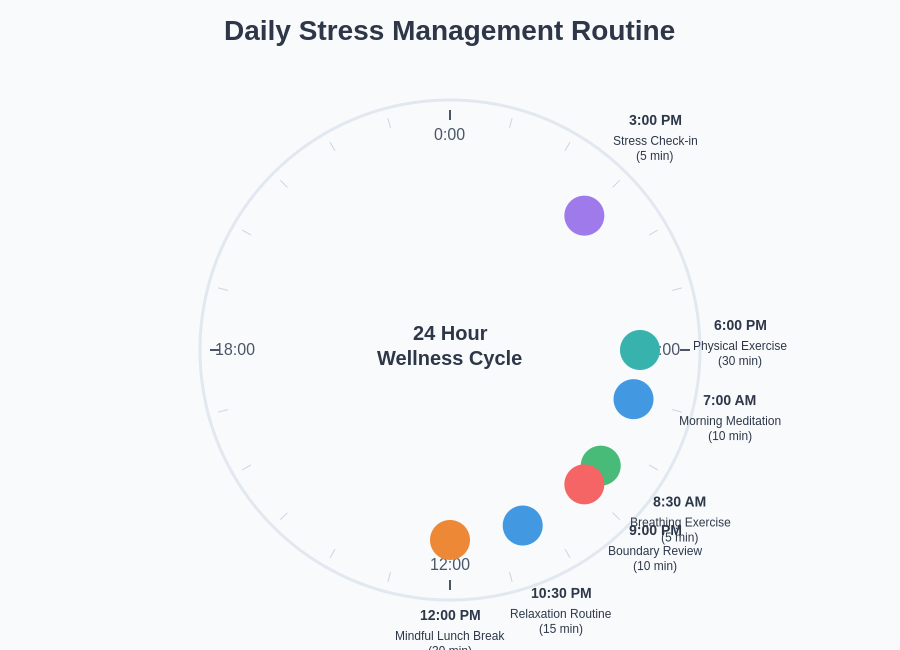
Implementing a structured daily routine that incorporates multiple stress management techniques throughout the day creates consistent opportunities for mental health maintenance and prevents stress accumulation from reaching overwhelming levels.
Technology and Digital Wellness
Digital boundary management becomes essential when work, study, and social life converge in small shared spaces with limited privacy options. How video calling affects shared bandwidth addresses technical challenges while exploring privacy concerns in shared living environments.
Stress-tracking applications help residents monitor patterns in their mental health, identify triggers, and recognize when professional intervention might be necessary. Regular self-assessment prevents gradual decline from going unnoticed until crisis points.
Meditation and wellness apps provide guided practices specifically designed for noisy environments, limited time availability, and beginners who may feel self-conscious about traditional meditation practices in shared spaces.
Social media management strategies protect mental health by limiting exposure to idealized representations of others’ experiences while maintaining beneficial connections with support networks and cultural communities.
Communication technology optimization ensures residents can maintain important relationships with family and friends despite time zone differences and shared internet resources that may limit call quality or availability.
Long-term Mental Health Sustainability
Stress management in sharehouse living requires ongoing attention and regular adjustment of techniques as circumstances, relationships, and personal resilience fluctuate over time. How sharehouse living prepares you for future challenges explores how developing these skills provides lasting benefits beyond the immediate living situation.
Regular self-assessment protocols help residents monitor their mental health status and recognize when current coping strategies may need modification or professional support may be beneficial. Honest evaluation prevents gradual deterioration that can lead to crisis situations.
Skill development planning focuses on building resilience capacities that transfer to other challenging life situations, creating long-term value from the investment in stress management techniques developed during sharehouse living.
Exit strategy planning acknowledges that some living situations may become unsustainable despite best efforts at stress management, providing clear criteria and procedures for making housing changes when necessary to protect mental health.
The development of sophisticated stress management skills through sharehouse living creates lasting competencies for navigating challenging social and cultural situations throughout life. These techniques, born from necessity in Tokyo’s demanding shared living environments, become valuable tools for managing workplace stress, relationship challenges, and major life transitions long after residents have moved on to different housing situations.
Disclaimer
This article is for informational purposes only and does not constitute professional mental health advice. Readers experiencing severe stress, anxiety, or depression should consult with qualified mental health professionals. The effectiveness of stress management techniques may vary depending on individual circumstances and underlying health conditions. Always prioritize safety and seek professional support when stress management becomes unmanageable.