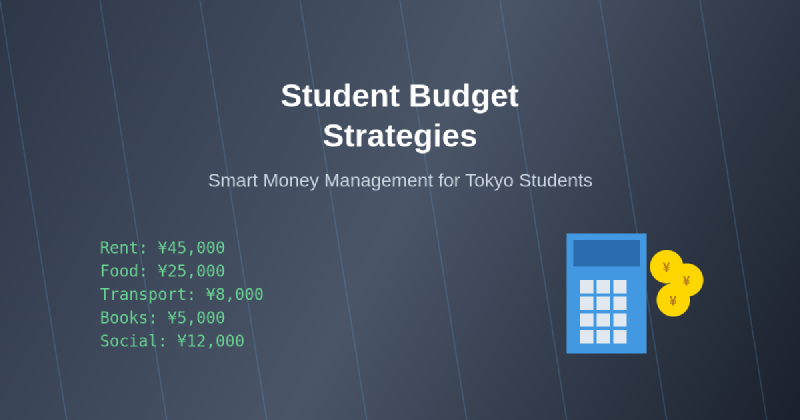
Student life in Tokyo sharehouses presents unique financial challenges that require fundamentally different budgeting approaches compared to working professionals or other demographics. The combination of limited and irregular income streams, academic expenses, social pressures, and the desire to experience Japanese culture creates a complex financial landscape that demands specialized strategies and creative solutions. Understanding these distinct requirements enables students to maximize their Tokyo experience while maintaining financial stability throughout their academic journey.
The financial reality of student life in Tokyo differs dramatically from traditional working adult budgets, with income sources that fluctuate seasonally, expenses that vary by academic calendar, and social spending patterns that differ significantly from established professionals. These unique circumstances require adaptive budgeting techniques that can accommodate irregular cash flow while ensuring essential needs are met and academic goals remain achievable.
Understanding Student Income Patterns and Limitations
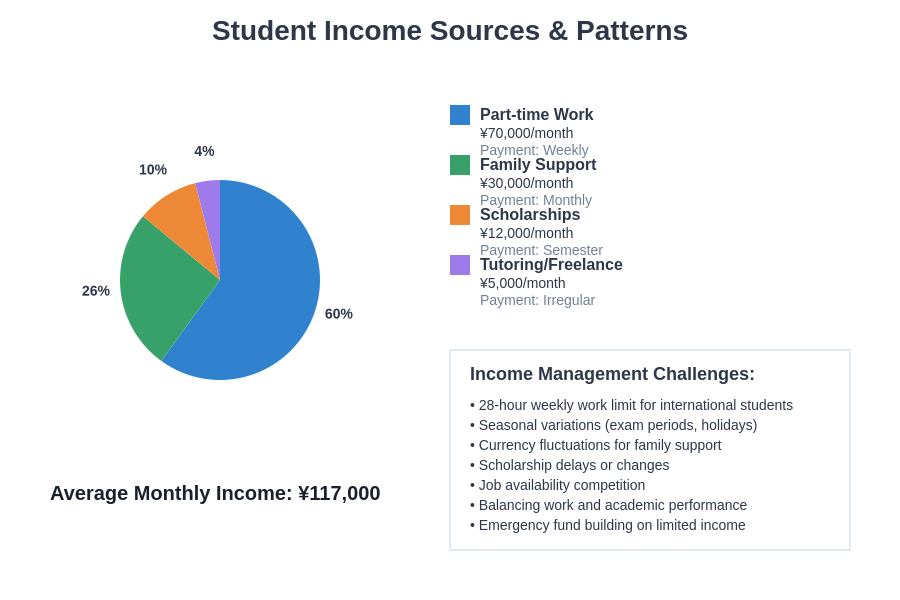
Student income in Tokyo typically derives from multiple unpredictable sources including part-time employment, family support, scholarships, and seasonal work opportunities that create irregular cash flow patterns requiring specialized management approaches. Student sharehouses near top Tokyo universities often cater to these income realities with flexible payment structures and student-friendly policies that accommodate academic schedules.
Part-time work regulations for international students limit weekly working hours to twenty-eight hours maximum, creating income ceilings that necessitate extremely efficient spending strategies and careful prioritization of expenses. These legal restrictions mean students must achieve maximum value from every yen earned while maintaining academic performance and visa compliance requirements.
Scholarship funding often arrives in lump sums at irregular intervals, requiring students to develop skills in managing large payments across extended periods while avoiding the temptation to overspend during periods of apparent abundance. The psychological challenge of managing infrequent large payments versus regular small income streams requires different mental accounting strategies and disciplined saving approaches.
Family financial support may vary unpredictably based on economic conditions in home countries, currency exchange fluctuations, and family circumstances that can change without warning. Students must develop contingency planning skills and emergency fund strategies that account for potential interruptions in family financial assistance.
Adapting Housing Choices to Student Financial Realities
Student housing decisions must prioritize long-term affordability over short-term convenience, often requiring compromises in location, amenities, or privacy to achieve sustainable monthly payments that align with irregular income patterns. Cheaper sharehouse options in Tokyo suburbs provide opportunities for significant savings that can make the difference between financial stress and comfortable student life.
Shared accommodations become particularly advantageous for students because they distribute utility costs, internet expenses, and household necessities across multiple residents, creating economies of scale that individual apartments cannot match. The social benefits of sharehouse living also provide cost-free entertainment and cultural exchange opportunities that reduce the need for expensive social activities.
Location strategies for student housing involve balancing transportation costs against rent savings, with suburban locations often providing better overall value despite longer commute times. How commute times impact your quality of life becomes particularly relevant for students who must factor travel time into study schedules and part-time work arrangements.
Security deposit requirements and initial setup costs represent major financial hurdles for students with limited savings, making sharehouses with lower upfront costs and flexible payment arrangements particularly attractive. Understanding utility bills in Japanese sharehouses helps students understand how shared utility arrangements can provide predictable monthly expenses that facilitate budget planning.
Developing Flexible Budgeting Systems for Irregular Income
Traditional monthly budgeting approaches fail students with irregular income streams, requiring the development of adaptive systems that can accommodate income variability while ensuring essential expenses are consistently covered. Students need budgeting frameworks that prioritize needs over wants while maintaining enough flexibility to handle unexpected expenses or income shortfalls.
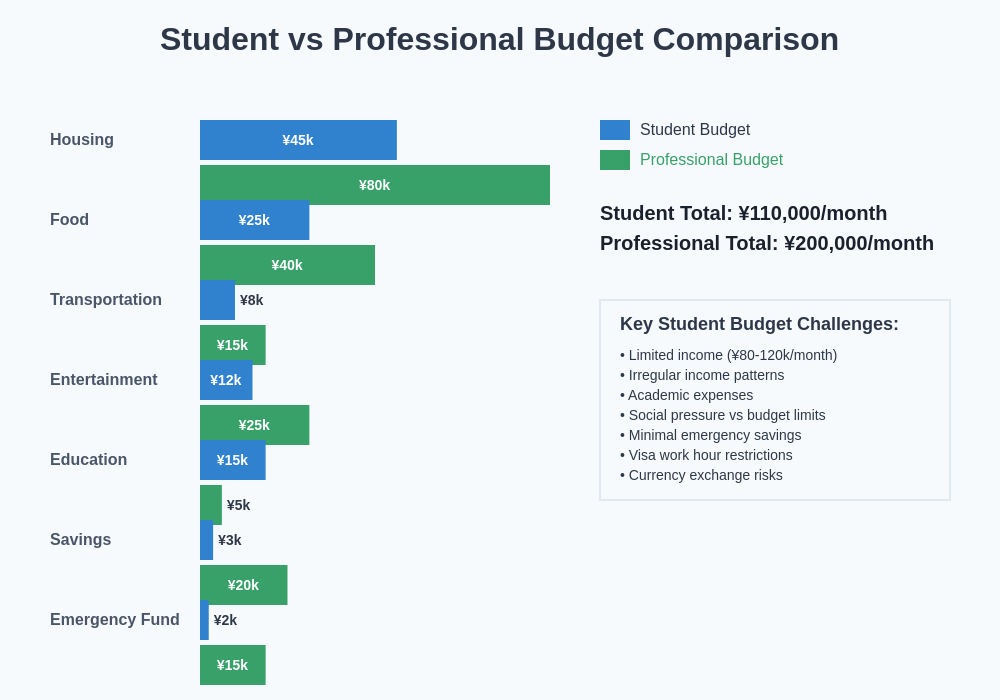
Zero-based budgeting techniques work particularly well for students because they require conscious allocation of every yen earned, preventing unconscious spending that can quickly deplete limited resources. This approach forces students to question every expense and identify areas where costs can be reduced without significantly impacting quality of life or academic performance.
Envelope budgeting systems, whether physical or digital, help students allocate irregular income across different expense categories while ensuring rent and other fixed costs are secured before discretionary spending occurs. This method provides visual feedback on spending patterns and prevents overspending in any single category.
Cash flow forecasting becomes essential for students to anticipate income gaps and plan for periods when part-time work may be unavailable due to exams, school breaks, or visa restrictions. Understanding these patterns enables proactive planning and prevents financial crises during predictable low-income periods.
Maximizing Food Budget Efficiency and Nutrition
Food expenses represent one of the largest variable costs in student budgets and offer significant opportunities for savings through strategic shopping, cooking, and meal planning approaches that maintain nutritional needs while minimizing costs. How bulk shopping changes in shared living demonstrates how students can leverage group purchasing power to reduce individual food costs significantly.
Cooking skills become financial assets for students, with the ability to prepare meals from basic ingredients providing dramatic savings compared to convenience foods or restaurant meals. Learning to cook simple, nutritious meals using affordable local ingredients can reduce monthly food expenses by thousands of yen while improving health outcomes.
Strategic shopping techniques include timing purchases around sales cycles, utilizing student discounts, and focusing on staple ingredients that provide maximum nutritional value per yen spent. Understanding seasonal price variations for fresh ingredients allows students to adjust meal planning based on market conditions.
Shared cooking arrangements in sharehouses can provide additional savings through bulk purchasing, shared equipment costs, and communal meal preparation that reduces individual time and ingredient requirements. How different dietary restrictions impact shared kitchen use offers insights into managing diverse eating patterns while maintaining cost efficiency.
Strategic Approach to Transportation and Mobility
Transportation costs can consume a disproportionate share of student budgets if not managed strategically, requiring careful analysis of commuting patterns and selection of cost-effective travel options that balance time, convenience, and expense. Students must often prioritize transportation efficiency over comfort or speed to maintain budget sustainability.
Monthly transportation passes provide significant savings for students with regular commuting patterns, but require upfront investment that must be carefully planned within irregular income schedules. Understanding pass options and calculating break-even points helps students make informed decisions about transportation spending.
Bicycle ownership represents a one-time investment that can provide long-term transportation savings, particularly for students living in areas with good cycling infrastructure. How bicycle ownership affects daily routines explores the financial and lifestyle implications of cycling as primary transportation.
Walking strategies and route optimization can reduce transportation costs while providing health benefits and opportunities to explore neighborhoods more thoroughly. Students often have more flexible schedules that allow for longer commute times in exchange for transportation savings.
Managing Social Expenses and Cultural Experiences
Social spending presents unique challenges for students who want to participate in cultural activities and build friendships while maintaining strict budget constraints. The desire to experience Japanese culture and maintain social relationships must be balanced against financial limitations through creative approaches to entertainment and social engagement.
Group activities and shared experiences often provide better value than individual pursuits, with sharehouse communities offering built-in social networks that reduce the need for expensive entertainment options. Making friends through Tokyo sharehouse communities demonstrates how residential communities can provide rich social experiences at minimal cost.
Cultural experiences can be pursued through low-cost or free options including public festivals, museum student discounts, university cultural events, and community activities that provide authentic Japanese experiences without straining budgets. Research and planning enable students to access cultural opportunities that align with their financial constraints.
Student discounts and special offers are widely available in Tokyo but require proactive research and identification to maximize savings on entertainment, dining, and cultural activities. Maintaining current student identification and researching available discounts can provide significant savings on desired experiences.
Building Emergency Funds on Limited Income
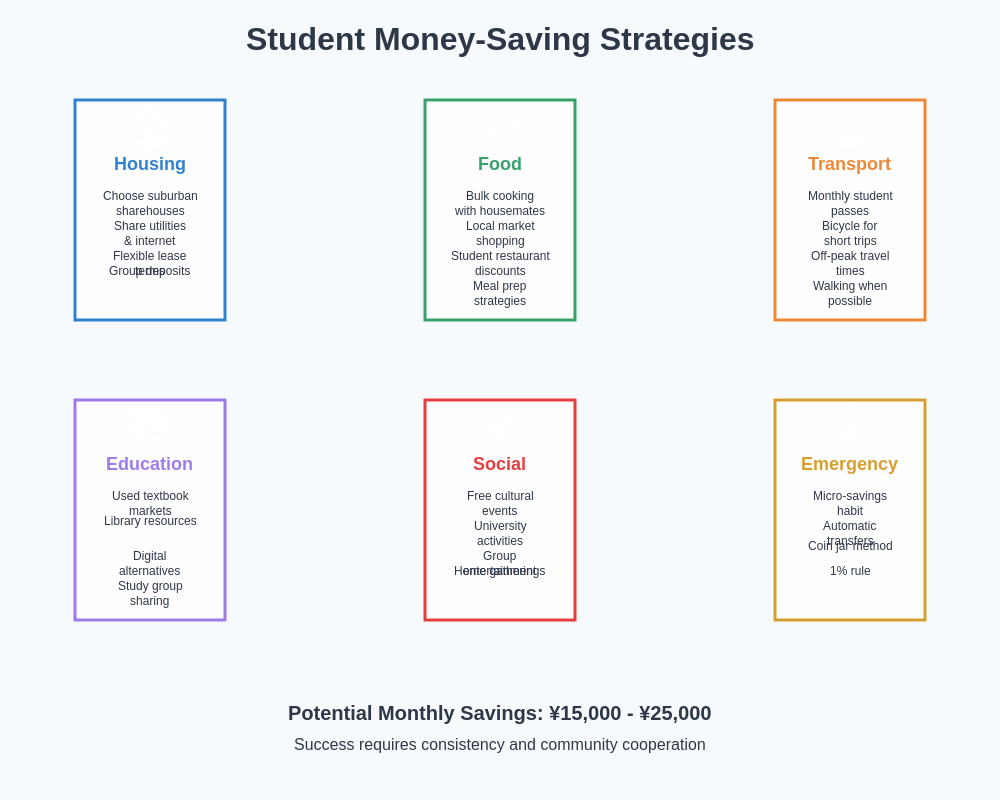
Emergency fund development represents one of the most challenging aspects of student financial management, requiring discipline to save from already limited income while facing constant temptations to spend available funds on immediate desires or needs. Students must develop systematic saving approaches that accumulate emergency reserves without significantly impacting daily life quality.
Micro-saving strategies work particularly well for students, with small amounts regularly set aside building substantial emergency reserves over time. Automatic saving systems that transfer small amounts from part-time job payments into dedicated savings accounts help students build reserves without conscious effort or temptation to spend.
Emergency fund priorities for students differ from working adults, focusing on situations like unexpected medical expenses, visa-related costs, family emergencies requiring travel, or temporary loss of part-time employment that could jeopardize housing or academic status.
Goal-based saving approaches help students maintain motivation for emergency fund contributions by connecting savings to specific scenarios or targets rather than abstract financial security concepts. Visual progress tracking and regular milestone celebrations help maintain saving discipline over extended periods.
Academic Expense Management and Textbook Strategies
Academic expenses represent mandatory costs that cannot be eliminated but can be significantly reduced through strategic approaches to textbook acquisition, supplies management, and educational resource utilization. Students must balance academic quality with cost control to maintain educational standards while preserving budget sustainability.
Textbook sharing, rental programs, and digital alternatives provide substantial savings compared to new textbook purchases while maintaining access to required course materials. Library resources, inter-library loan systems, and study group arrangements can further reduce individual textbook expenses.
Technology expenses for academic purposes require careful evaluation of necessity versus convenience, with students prioritizing essential tools while avoiding expensive upgrades or features that provide marginal academic benefit. How remote work equipment affects space usage offers insights into managing technology needs in shared living environments.
Supplies management through bulk purchasing, sharing arrangements with classmates, and strategic timing of purchases during sales periods can reduce the cumulative cost of academic materials throughout degree programs.
Long-term Financial Planning for Academic Success
Student budgeting extends beyond immediate expense management to encompass long-term financial planning that supports academic achievement and post-graduation goals. Students must consider how current financial decisions impact future opportunities while maintaining present-day financial stability.
Career investment decisions require balancing current financial constraints with future earning potential, including choices about internships, networking activities, skill development programs, and job search expenses that may require current sacrifices for future benefits.
Debt management strategies help students minimize borrowing requirements while pursuing education goals, including evaluation of scholarship opportunities, work-study programs, and family support arrangements that reduce reliance on loans.
Post-graduation financial planning enables students to prepare for the transition from academic to professional life, including consideration of job search expenses, professional wardrobe requirements, and potential relocation costs that may occur after degree completion.
The unique financial challenges of student life in Tokyo sharehouses require specialized approaches that acknowledge irregular income patterns, limited earning capacity, and competing demands for cultural experiences and social engagement. Students who develop adaptive budgeting skills and strategic spending approaches can successfully navigate these challenges while maximizing their educational and cultural experiences. The investment in financial discipline during student years provides valuable life skills and habits that contribute to long-term financial success beyond academic achievement.
These budget management strategies enable students to thrive in Tokyo’s dynamic environment while building financial awareness and responsibility that serves them throughout their careers. Success requires commitment to disciplined spending, creative problem-solving, and community engagement that maximizes value from limited resources while pursuing academic and personal growth objectives.
Disclaimer
This article provides general financial guidance for informational purposes only and does not constitute professional financial advice. Student financial situations vary significantly based on individual circumstances, visa status, and academic requirements. Readers should research current regulations regarding student employment, consult with relevant authorities about visa compliance, and consider their specific financial situation when implementing any strategies mentioned. Financial regulations and opportunities may change, and students should verify current information before making financial decisions.