The influx of study abroad students into Tokyo sharehouses creates a fascinating metamorphosis of community dynamics that ripples through every aspect of shared living experiences. These temporary residents bring with them unique perspectives, academic schedules, and cultural backgrounds that fundamentally alter the social fabric of established sharehouse communities. Understanding these transformations provides valuable insights for both long-term residents and newcomers navigating the complex landscape of international co-living arrangements in Japan’s academic centers.
The cyclical nature of academic programs creates predictable yet profound shifts in sharehouse populations, with each semester bringing new waves of eager students while simultaneously experiencing departures of those completing their studies. This constant turnover generates a unique ecosystem where established residents must continuously adapt to changing personalities, cultural norms, and social expectations while maintaining the delicate balance that makes shared living successful.
The Academic Calendar’s Influence on Community Rhythms
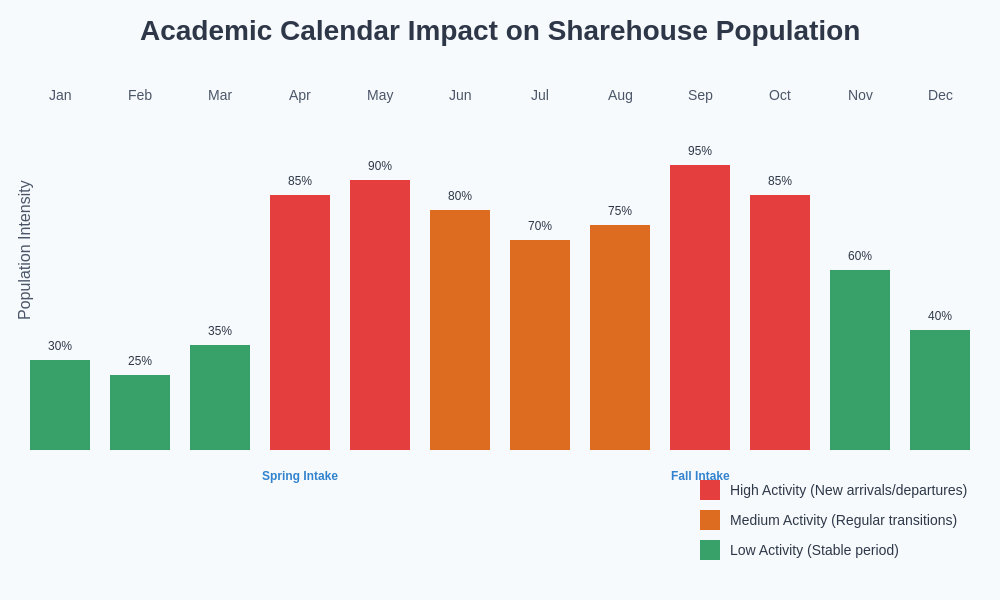
Study abroad programs operate on distinct academic calendars that dramatically influence the rhythm and energy levels within sharehouses throughout the year. The traditional Japanese academic year, which begins in April, creates intense periods of housing demand as thousands of international students seek accommodation near student sharehouses near top Tokyo universities. This seasonal surge transforms quiet residential communities into bustling international hubs almost overnight.
The September intake period brings another significant wave of students, particularly from Western universities operating on semester systems. These overlapping academic schedules create complex layering effects where some residents are beginning their academic journey while others are approaching midterm examinations or preparing for departure. The resulting energy fluctuations affect everything from noise levels during study periods to social activity planning and kitchen usage patterns.
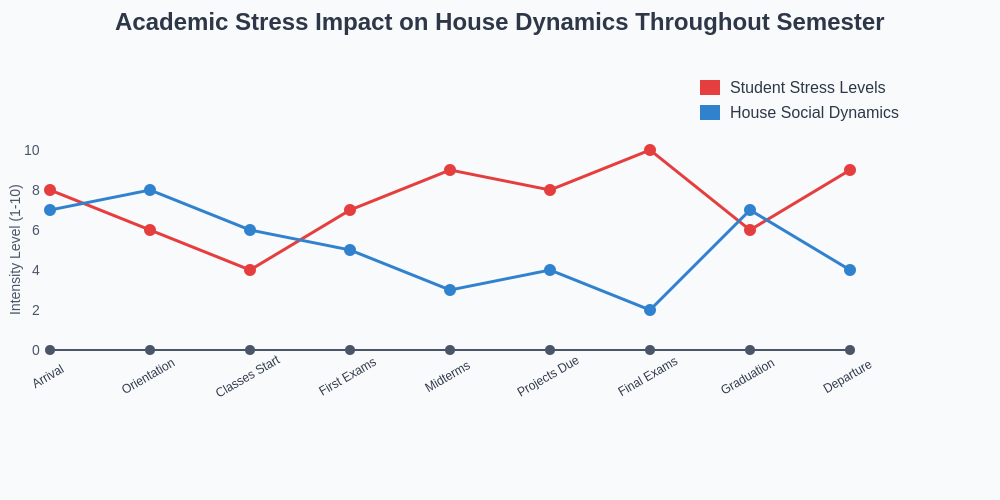
Examination periods create particularly noticeable shifts in house dynamics, as stressed students alter their daily routines, social interactions, and space usage patterns. Understanding how academic deadlines affect house mood becomes crucial for long-term residents who must navigate these intense periods of academic pressure while maintaining their own daily routines and stress levels.
Cultural Exchange and Integration Challenges
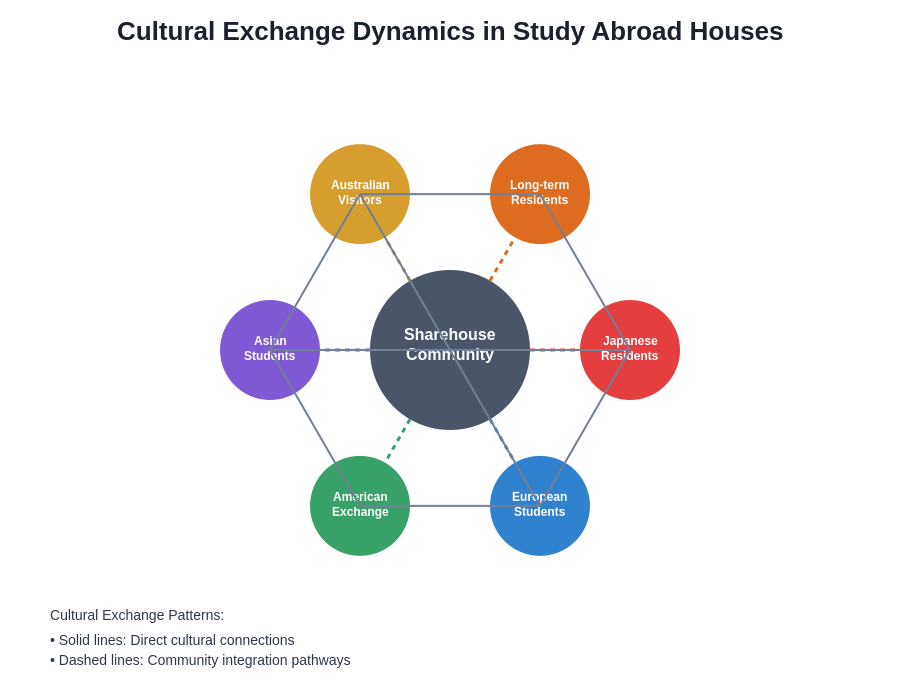
The constant introduction of new cultural perspectives through study abroad programs creates rich opportunities for cultural exchange while simultaneously generating potential friction points that require careful management. Students arriving from different educational systems bring varying expectations about shared living arrangements, personal space boundaries, and social interaction norms that can clash with established house cultures.
Language barriers become particularly pronounced when multiple study abroad cohorts overlap, creating subgroups based on linguistic comfort rather than genuine compatibility or shared interests. Living with Japanese roommates in Tokyo sharehouses highlights how these dynamics affect both international and domestic residents as they navigate cross-cultural communication challenges on a daily basis.
The enthusiasm of newly arrived students often contrasts sharply with the more settled routines of long-term residents, creating tension between those seeking constant cultural exploration and social activities versus those prioritizing stability and quiet personal time. These differences require diplomatic negotiation and often result in the formation of informal house rules that evolve with each new cohort of arrivals.
Food sharing arrangements become particularly complex when study abroad students introduce unfamiliar dietary restrictions, cooking methods, and ingredient preferences that may conflict with existing kitchen dynamics. How dietary restrictions complicate meal planning explores how these culinary differences can either enrich or complicate shared cooking experiences depending on the openness and flexibility of all residents involved.
Social Hierarchy and Leadership Evolution
The temporary nature of study abroad programs disrupts traditional social hierarchies within sharehouses, as short-term residents may hesitate to assume leadership roles or make long-term commitments to house improvements and community building. This reluctance can create power vacuums that affect decision-making processes, conflict resolution mechanisms, and the overall sense of community ownership and responsibility.
Long-term residents often find themselves assuming mentorship roles for incoming study abroad students, providing guidance on local customs, practical living advice, and cultural interpretation services. While these relationships can be rewarding, they also create additional emotional labor and responsibility burdens that may not be equally distributed among permanent residents.
The academic focus of study abroad students can lead to the formation of study groups and intellectual communities within sharehouses, potentially excluding non-academic residents or creating divisions between those pursuing formal education and those engaged in work or other activities. Why academic social events create divisions examines how these educational disparities can inadvertently create social stratification within supposedly egalitarian shared living environments.
Financial Dynamics and Cost Sharing Arrangements
Study abroad students often operate under different financial constraints and funding structures compared to working residents or long-term international inhabitants. Scholarship recipients, family-funded students, and those working within strict visa limitations create diverse economic situations that complicate shared expense arrangements and lifestyle compatibility assessments.
The temporary nature of study abroad stays can lead to reluctance to invest in shared household items, quality kitchen equipment, or long-term storage solutions that benefit the entire community. This short-term thinking may conflict with residents who view the sharehouse as a more permanent home requiring ongoing investment and improvement.
Currency fluctuations and international money transfer delays can create payment timing issues that affect utility bills, shared grocery purchases, and other communal expenses. How currency exchange affects monthly payments explores how these financial complexities require flexible payment systems and understanding from all residents.
Study abroad students may also have different spending priorities, with emphasis on travel, cultural experiences, and academic materials rather than home comfort improvements or community building activities. These differing financial priorities can create tension around shared decision-making for house purchases and activity planning.
Academic Pressure and Stress Management
The intensive nature of study abroad programs creates unique stress patterns that affect entire sharehouse communities, not just the students themselves. Academic deadlines, language barriers in coursework, and pressure to maximize limited time abroad can generate high-stress environments that spill over into shared living spaces.
Study abroad students often experience heightened emotional needs as they navigate cultural adjustment, academic challenges, and social isolation simultaneously. Why academic pressure varies by nationality highlights how different educational cultures create varying stress responses and coping mechanisms that affect house dynamics.
The need for quiet study environments during intensive academic periods can conflict with the social nature of sharehouse living, requiring negotiation of space usage, noise levels, and activity scheduling. These academic demands may temporarily alter the fundamental character of social sharehouses as they adapt to accommodate serious scholarly pursuits.
Research projects and thesis work often require extended periods of focused concentration, potentially monopolizing common areas or creating territorial disputes over prime study locations within the house. The temporary nature of these academic demands provides hope for resolution while requiring patience and accommodation from non-academic residents.
Technology and Communication Patterns
Study abroad students typically arrive with different technology preferences, social media habits, and communication styles that can disrupt established house communication systems. The need for frequent contact with home countries may strain shared internet resources and create conflicts over bandwidth allocation during peak usage periods.
Time zone differences for maintaining relationships with home countries can create unusual activity patterns, with students conducting video calls, participating in online classes, or maintaining work schedules that don’t align with local rhythms. How time zone management affects daily routines explores how these global connections impact local community dynamics.
Different social media platforms and communication applications preferred by various nationalities can create fragmented house communication systems, with important information potentially lost between multiple group chats, messaging apps, and announcement systems. The need for inclusive communication becomes more complex as the diversity of residents increases.
Language learning apps, online tutoring sessions, and digital study materials can create additional technology demands that affect shared device usage, internet stability, and noise levels from language practice activities throughout the house.
Seasonal Departure and Emotional Impacts
The predictable departures of study abroad students create recurring cycles of grief and loss within sharehouse communities, as strong friendships and romantic relationships are disrupted by academic calendar requirements. These emotional transitions affect not only departing students but also remaining residents who must repeatedly experience the dissolution of close community bonds.
How academic achievements create social pressure examines how the approaching end of study abroad programs can intensify academic stress while simultaneously creating pressure to maximize remaining cultural and social experiences before departure.
The knowledge that relationships are temporary can paradoxically both intensify and inhibit emotional connections, as residents may invest more deeply in friendships knowing they’re limited while others may protect themselves by maintaining emotional distance. These complex psychological dynamics require ongoing navigation and can significantly influence house atmosphere and relationship formation patterns.
Departure preparation activities such as shipping belongings, selling furniture, and organizing farewell events can disrupt normal house routines and create additional emotional stress for both departing and remaining residents. The logistical challenges of international departure often require community support and assistance that may strain existing relationships.
Integration with Local Communities
Study abroad students often serve as bridges between their sharehouses and broader local communities, bringing opportunities for cultural exchange, language practice, and community engagement that benefit long-term residents. Their enthusiasm for exploring Japanese culture can reinvigorate established residents’ appreciation for their adopted home country.
Academic partnerships and university connections can provide access to cultural events, research opportunities, and professional networking that extends beyond the immediate sharehouse community. How academic networking happens in sharehouses explores how these institutional connections create valuable opportunities for all residents.
The temporary presence of study abroad students can attract visits from their family members, home university representatives, and international academic networks, temporarily transforming sharehouses into informal cultural exchange centers that enrich the experience for all residents while creating additional hosting responsibilities.
Language exchange opportunities naturally emerge as study abroad students seek to improve their Japanese skills while offering their native languages to housemates, creating mutually beneficial learning relationships that enhance cultural understanding and communication abilities throughout the community.
Long-term Community Memory and Traditions
The constant turnover of study abroad students challenges the development and maintenance of long-term house traditions, shared memories, and institutional knowledge that typically bind communities together. Important practical information about local services, house maintenance, and community resources may be lost as knowledgeable residents depart.
Making friends through Tokyo sharehouse communities explores how study abroad programs can both enhance and complicate friendship formation as residents balance investment in temporary relationships with the development of lasting connections.
Photo albums, shared recipes, and cultural artifacts accumulated by departing students create tangible reminders of past community members while also highlighting the transient nature of these relationships. The challenge of maintaining connection with departed study abroad students across different time zones and changing life circumstances requires ongoing effort and commitment.
House rules and community guidelines must be regularly updated and re-explained to accommodate new residents who arrive without institutional knowledge of established practices and expectations. This continuous onboarding process requires patience and systematic documentation to maintain community standards and cohesion.
The transformative impact of study abroad programs on sharehouse dynamics extends far beyond simple population changes, creating complex webs of cultural exchange, emotional investment, and community evolution that enrich the experience for all residents while requiring constant adaptation and understanding. These dynamic communities serve as microcosms of international cooperation and cultural bridge-building that prepare residents for increasingly globalized personal and professional futures. Success in these environments requires flexibility, empathy, and commitment to inclusive community building that honors both the temporary nature of study abroad experiences and the lasting value of cross-cultural relationships formed in shared living spaces.
Disclaimer
This article is for informational purposes only and reflects general observations about study abroad programs and sharehouse dynamics. Individual experiences may vary significantly based on specific programs, institutions, cultural backgrounds, and personal circumstances. Readers should conduct their own research and consider their unique situations when making decisions about international study and housing arrangements.