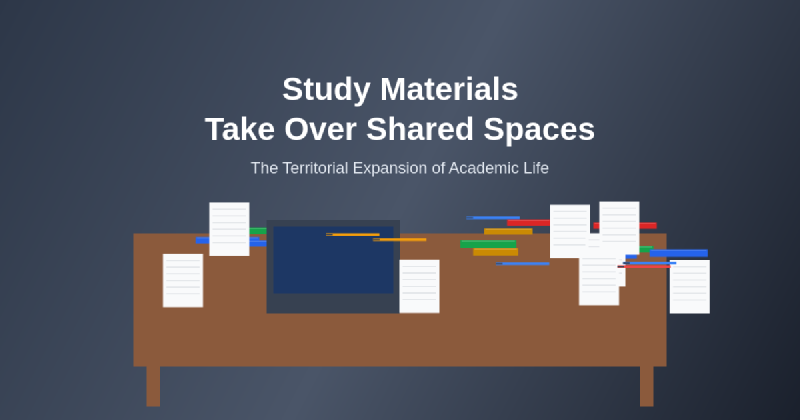
The phenomenon of study materials gradually consuming every available surface in sharehouse common areas represents one of the most persistent and universally experienced challenges in shared living environments. What begins as a single textbook left on the dining table inevitably evolves into an elaborate ecosystem of notebooks, laptops, charging cables, highlighters, and reference materials that transforms communal spaces into sprawling academic territories. This territorial expansion of educational resources fundamentally alters the social dynamics and practical functionality of shared living spaces in ways that affect every resident’s daily experience.
The creeping occupation of shared spaces by academic materials reflects deeper psychological and practical needs that extend beyond simple organizational challenges. Students and professionals pursuing educational goals in sharehouse environments must navigate the complex balance between personal academic requirements and community living responsibilities, often leading to unconscious territorial behaviors that gradually reshape the entire living environment. Understanding these dynamics becomes crucial for maintaining harmony while supporting individual academic success.
The Psychology of Academic Territory Expansion
The gradual takeover of shared spaces by study materials stems from fundamental human tendencies toward territory establishment and resource optimization that become amplified in high-pressure academic environments. Students facing intense study schedules naturally gravitate toward claiming space that offers optimal conditions for concentration, accessibility, and convenience, often without conscious awareness of how their academic needs impact other residents’ daily activities and social interactions.
Student sharehouses near top Tokyo universities often experience particularly intense space competition during exam periods when multiple residents simultaneously require extensive study areas. The psychological comfort derived from having materials visibly organized and easily accessible creates powerful incentives for maintaining permanent study setups that gradually expand beyond originally intended boundaries.
The temporal nature of academic deadlines creates cyclical patterns of space occupation that can last for weeks or months during intensive study periods. Individual students may rationalize temporary expansions that become semi-permanent arrangements, especially when other residents initially accommodate these encroachments without establishing clear boundaries or communication protocols for shared space usage.
Academic stress and time pressure often override normal social considerations about shared space etiquette, leading to unconscious behaviors that prioritize individual efficiency over community harmony. The mental bandwidth required for intensive studying frequently diminishes awareness of how personal study habits affect roommates’ access to common areas and their ability to use shared spaces for intended purposes.
Common Areas Transformed Into Study Zones
The dining table typically serves as ground zero for academic territory expansion, offering the ideal combination of flat surface area, comfortable seating, and central location that makes it irresistible for study activities. What begins as using the table for a single homework session gradually evolves into permanent installations of textbooks, binders, and electronic devices that effectively privatize this essential shared resource for extended periods.
Living room coffee tables, kitchen counters, and even floor spaces become secondary study territories as academic materials overflow from primary locations. Living costs in Tokyo sharehouses explained often fails to account for the hidden social costs when common areas become functionally unavailable for their intended community purposes due to academic occupation.
The transformation of shared spaces into study zones creates cascading effects that influence other residents’ daily routines and social activities. Cooking becomes complicated when kitchen counters are covered with notebooks, social gatherings become impossible when living rooms are converted into libraries, and even simple activities like eating meals together require complex negotiations around existing study setups.
Lighting and electrical outlet access drive strategic positioning of study materials in locations that may conflict with normal household activities. Students naturally gravitate toward areas with optimal natural light and convenient power access, often coinciding with spaces that other residents rely upon for daily activities like meal preparation, socializing, or relaxation.
The Lifecycle of Academic Clutter Accumulation
Study material accumulation follows predictable patterns that begin subtly and accelerate rapidly during academic pressure periods. The initial phase typically involves strategic placement of essential items in convenient locations, justified by temporary academic demands that create seemingly reasonable exceptions to normal shared space protocols.
Expansion occurs through gradual boundary creep as initial study zones prove insufficient for growing academic requirements. Additional textbooks, supplementary materials, and technological accessories find their way into previously neutral territories through a process of incremental normalization that makes each small addition seem reasonable in isolation.
Why academic deadlines affect house mood becomes particularly evident during peak accumulation periods when multiple residents simultaneously experience deadline pressures that intensify competition for optimal study spaces and increase tolerance for personal territory expansion at the expense of community areas.
The consolidation phase represents the point where temporary study arrangements become entrenched systems that resist easy reorganization or removal. Students develop emotional and practical attachments to specific configurations that optimize their individual productivity, creating psychological resistance to suggestions for relocating or reducing their spatial footprint.
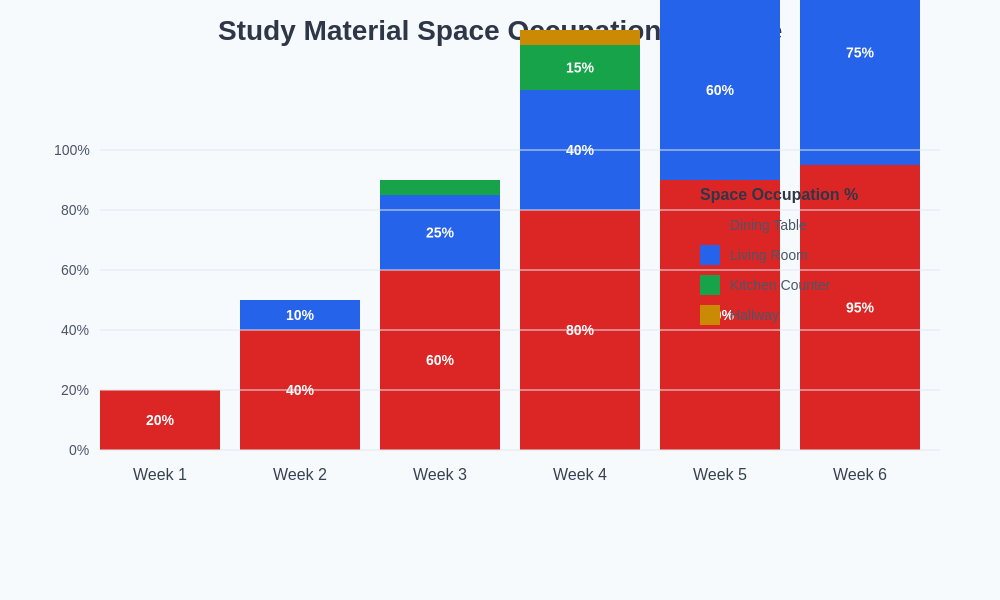
Seasonal patterns emerge around academic calendars, with study material accumulation peaking during exam periods, thesis deadlines, and major project submissions. Understanding these cyclical patterns helps residents anticipate and plan for periods of increased space competition while establishing protocols for temporary versus permanent space allocation arrangements.
Technology and Modern Study Sprawl
Digital technology has fundamentally transformed the nature of study material sprawl by introducing complex ecosystems of devices, cables, adapters, and accessories that require permanent power access and create semi-permanent installation requirements. How remote work equipment affects space usage parallels many of the same territorial dynamics that affect academic study setups in shared environments.
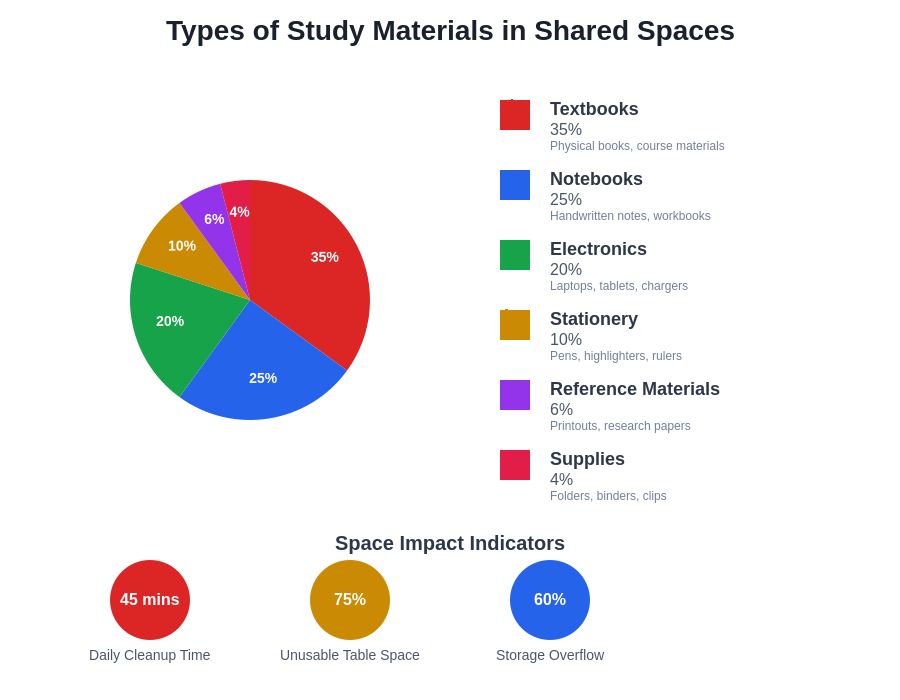
Laptop computers, tablets, smartphones, and auxiliary devices create webs of charging cables and power adapters that effectively anchor study positions to specific locations with electrical access. These technological requirements make study setups more difficult to relocate quickly and create stronger incentives for maintaining permanent territorial claims in prime locations.
External monitors, keyboards, and ergonomic accessories transform simple study sessions into complex technological installations that require significant setup and breakdown time. The practical barriers to frequent relocation encourage students to establish semi-permanent study stations that gradually expand to accommodate growing technological requirements and comfort optimization needs.
Cloud storage and digital resources create the illusion of reduced physical space requirements while actually increasing the technological infrastructure needed to access and utilize these resources effectively. High-speed internet requirements, multiple screen setups, and backup power solutions create new forms of territorial claims based on technological access rather than physical storage needs.
Social Dynamics and Territorial Negotiations
The expansion of study materials into shared spaces creates complex social dynamics that require delicate navigation between individual academic needs and community living responsibilities. How to handle roommate conflicts without moving out becomes particularly relevant when territorial disputes arise over academic space usage and study material accumulation.
Direct confrontation about study material sprawl often proves counterproductive because academic activities carry inherent moral weight that makes criticism seem unsupportive of important educational goals. Residents may feel reluctant to challenge study-related territorial expansion for fear of appearing anti-intellectual or unsympathetic to academic pressure and deadline requirements.
Passive-aggressive responses to study material occupation frequently emerge when direct communication fails to resolve territorial conflicts. These behaviors may include deliberately moving study materials, scheduling competing activities in occupied spaces, or making pointed comments about shared space availability that create tension without addressing underlying territorial negotiation needs.
Cultural differences in academic preparation styles and space usage expectations can exacerbate territorial conflicts when residents have varying assumptions about appropriate study behaviors in shared environments. Living with Japanese roommates in Tokyo sharehouses often involves navigating different cultural approaches to balancing individual academic needs with community space responsibilities.
Seasonal Academic Pressure Cycles
University and language school calendars create predictable cycles of academic pressure that dramatically influence study material accumulation patterns throughout the year. Why exam periods create stress for everyone demonstrates how individual academic stress affects entire household dynamics and shared space availability during critical study periods.
Spring semester beginnings typically coincide with intensive course preparation that requires extensive textbook organization and reference material accessibility. New academic years bring surges of fresh materials that require integration into existing study systems, often overwhelming previously established spatial boundaries and organizational protocols.
Mid-term examination periods create temporary but intense space competition as multiple residents simultaneously require expanded study areas for comprehensive review materials. These peak demand periods test the resilience of established territorial agreements and often lead to the development of emergency protocols for managing competing space requirements.
Final examination seasons represent the ultimate stress test for shared space management systems, when academic territorial expansion reaches maximum intensity and normal household routines become completely subordinated to study requirements. The psychological pressure of major assessments often overrides normal social considerations about shared space etiquette and community living responsibilities.
Summer break periods provide opportunities for territorial reset and reorganization, but they also create new challenges when returning students must reestablish study areas and negotiate space allocation with residents who may have adapted to different usage patterns during academic downtime.
Storage Solutions and Organizational Strategies
Effective management of study material sprawl requires systematic approaches to storage and organization that balance individual academic needs with community space preservation. Limited storage forces you to live minimally applies particularly strongly to academic materials that tend to accumulate rapidly and resist easy organization due to frequent access requirements.
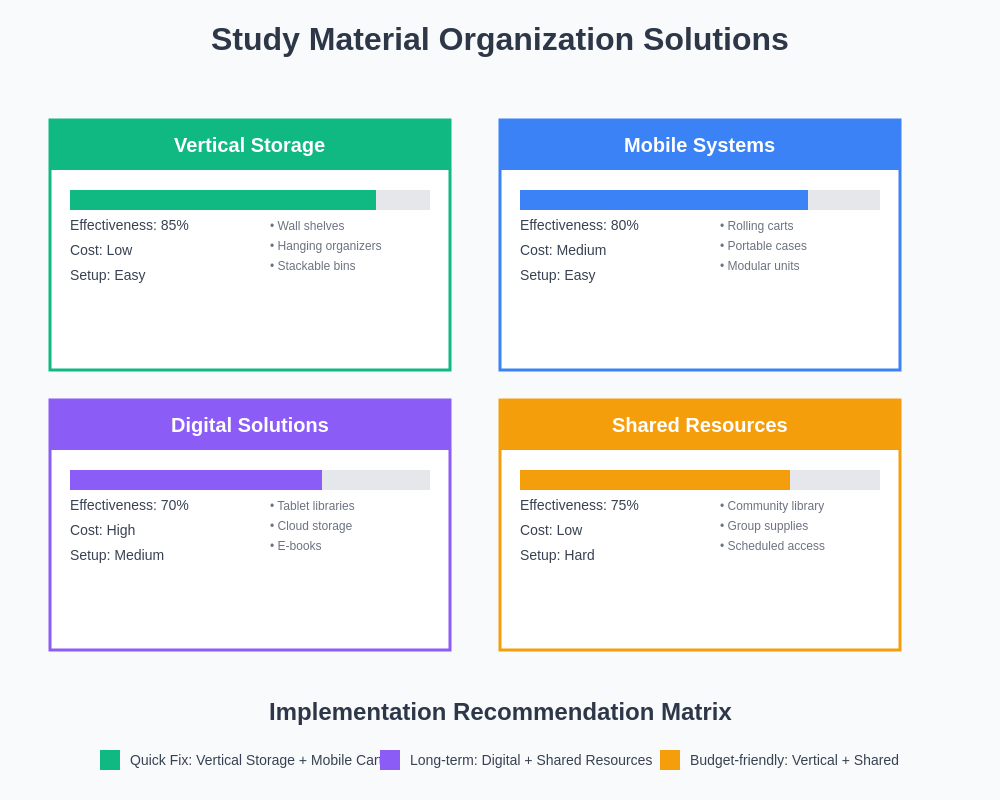
Vertical storage solutions maximize space efficiency by utilizing wall-mounted shelves, hanging organizers, and stackable containers that keep essential study materials accessible while minimizing horizontal surface occupation. Strategic use of vertical space can significantly reduce the footprint of academic territorial expansion while maintaining convenient access to frequently used resources.
Mobile storage systems using rolling carts, portable organizers, and modular containers enable flexible study setups that can be easily relocated based on shared space availability and community activity schedules. These solutions reduce resistance to territorial adjustments by minimizing the effort required to accommodate changing household needs and social activities.
Digital organization strategies can substantially reduce physical storage requirements by converting paper-based materials to electronic formats and utilizing cloud-based systems for resource access. However, the effectiveness of digital solutions depends heavily on reliable internet access and personal comfort with screen-based studying for extended periods.
Shared storage solutions for common academic resources can reduce individual territorial claims by creating community libraries for reference materials, textbooks, and supplies that multiple residents might utilize. These collaborative approaches require careful coordination but can significantly reduce overall space pressure while fostering cooperative academic support systems.
Communication Protocols for Space Management
Establishing clear communication protocols for shared space usage becomes essential for managing study material accumulation while maintaining positive household relationships. Japanese sharehouse rules every foreigner should know often includes expectations about shared space courtesy that can provide frameworks for academic territorial negotiations.
Proactive communication about study schedules and space requirements allows residents to coordinate their academic activities with household routines and social events. Advance notice about intensive study periods enables other residents to plan alternative arrangements and reduces conflicts over unexpected space occupation.
Regular household meetings focused on space allocation and usage policies create opportunities for ongoing territorial negotiation and adjustment as academic demands change throughout the year. These forums provide structured environments for addressing concerns and developing collaborative solutions that support both individual academic success and community harmony.
Visual communication systems using calendars, scheduling boards, or digital platforms can help residents coordinate space usage and anticipate periods of increased academic territorial pressure. Clear visual indicators of study space availability and reservation systems reduce conflicts by establishing transparent protocols for shared area access.
Conflict resolution procedures specifically addressing academic territorial disputes help residents navigate disagreements constructively when they arise. Having established protocols for mediation and compromise reduces the emotional intensity of territorial conflicts and provides clear pathways for resolution that preserve household relationships.
Long-term Coexistence Strategies
Successful long-term management of study material sprawl requires adaptive strategies that evolve with changing academic demands while maintaining community living standards. How to find the perfect sharehouse in Tokyo should include consideration of space management philosophies and academic territorial policies when evaluating potential living situations.
Seasonal adaptation protocols acknowledge the cyclical nature of academic pressure and establish different space usage standards for high-intensity study periods versus normal academic routine times. These flexible approaches provide relief valves during critical academic periods while ensuring return to normal community space access during less demanding periods.
Community support systems for academic success can transform potential territorial conflicts into collaborative opportunities for mutual assistance and encouragement. Study groups, peer tutoring arrangements, and shared academic resources create positive frameworks for academic activity that enhance rather than compete with community living experiences.
Personal growth through territorial awareness helps residents develop greater consciousness about their spatial impact and more sophisticated skills for balancing individual needs with community responsibilities. This awareness becomes valuable life experience for future shared living situations and professional environments that require similar spatial negotiation abilities.
Regular evaluation and adjustment of space management strategies ensures that household territorial policies remain effective as residents change and academic demands evolve. Continuous improvement approaches prevent gradual degradation of space management systems while maintaining flexibility for legitimate academic territorial needs.
The challenge of managing study material expansion in shared spaces ultimately reflects the broader complexities of balancing individual achievement goals with community living responsibilities. Success requires ongoing commitment to communication, flexibility, and mutual respect that transforms potential territorial conflicts into opportunities for personal growth and community strengthening.
Disclaimer
This article is for informational purposes only and does not constitute professional advice about shared living arrangements or academic planning. Individual experiences with study material management in sharehouses may vary significantly based on personal habits, academic demands, and household dynamics. Readers should communicate directly with their housemates about space usage expectations and develop arrangements that work for their specific living situations.