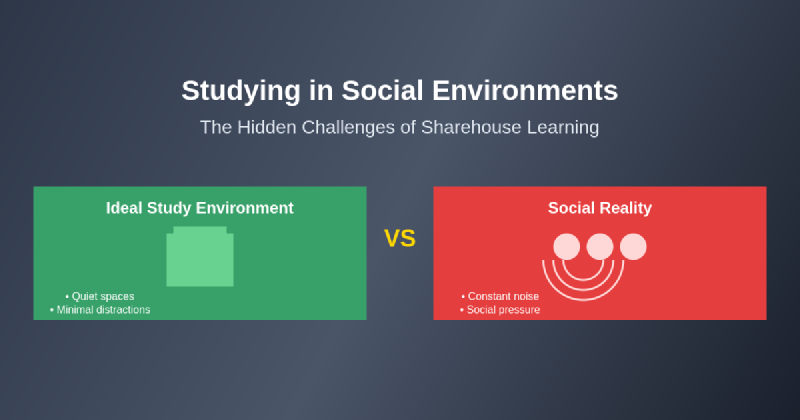
The intersection of academic pursuits and social living environments creates a complex dynamic that millions of students worldwide navigate daily, particularly those choosing sharehouse accommodations in vibrant cities like Tokyo. While the benefits of communal living include cultural exchange, cost savings, and friendship building, the reality of maintaining consistent study habits and academic excellence within these socially rich environments presents unique challenges that can significantly impact educational outcomes and personal development goals.
Understanding how social environments inherently conflict with the concentration and discipline required for effective studying becomes crucial for students making housing decisions and developing coping strategies. The constant presence of social stimuli, varying schedules among housemates, and the natural human tendency to prioritize immediate social gratification over long-term academic goals creates a perfect storm of distractions that can derail even the most well-intentioned study plans.
The Psychology of Social Distractions and Focus
Human psychology fundamentally operates on principles that make sustained concentration in social environments particularly challenging, especially when surrounded by peers engaging in more immediately rewarding activities than solitary study sessions. The brain’s reward system responds more strongly to social interactions and novel experiences than to repetitive academic tasks, creating an internal battle between short-term social satisfaction and long-term educational objectives.
The concept of social facilitation demonstrates that while simple tasks may be enhanced by the presence of others, complex cognitive activities like studying, critical thinking, and deep learning require focused attention that becomes increasingly difficult to maintain when social alternatives are constantly available. Student sharehouses near top Tokyo universities often attract academically minded residents, yet even in these environments, the social dynamics can undermine individual study efforts.
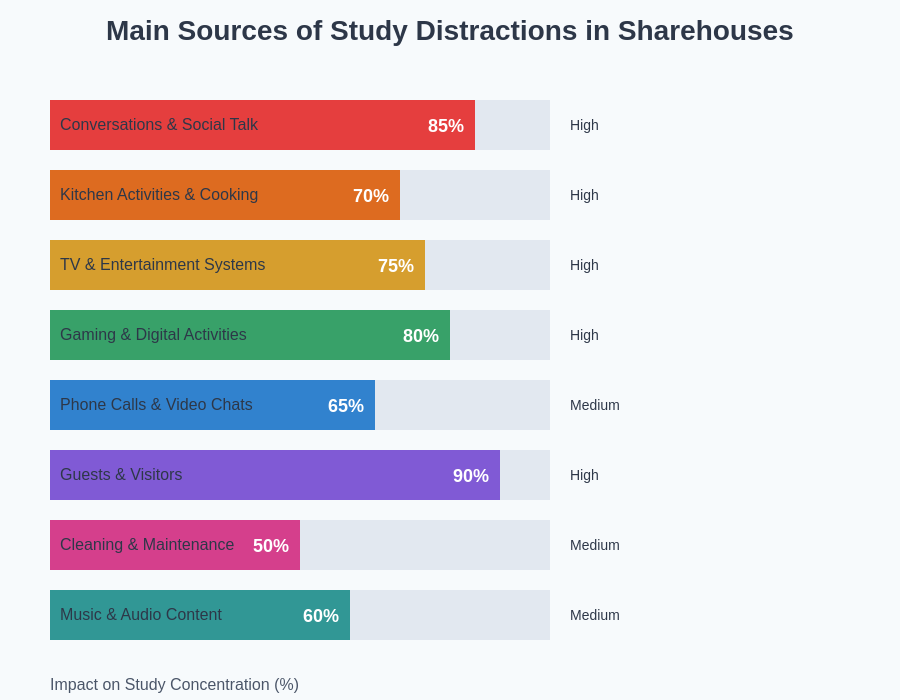
Fear of missing out, commonly known as FOMO, plays a significant role in study disruption within sharehouse environments. When housemates are engaging in social activities, exploring the city, or simply relaxing together, the isolated act of studying can feel like a form of social punishment rather than personal investment. This psychological pressure becomes particularly intense during exam periods when the stakes are highest and the temptation to seek stress relief through social interaction is strongest.
The mere presence of others, even when they are not actively disrupting study sessions, can create cognitive load that reduces mental resources available for learning. This phenomenon, known as the audience effect, means that students may experience decreased performance simply because they are aware of others nearby, regardless of whether those individuals are actually interfering with their activities.
Physical Space Limitations and Study Environment Quality
The physical constraints of sharehouse living directly impact the quality of study environments available to residents, with most shared accommodations prioritizing social spaces over individual academic needs. How to find the perfect sharehouse in Tokyo often focuses on location and cost factors, but rarely emphasizes the importance of dedicated study spaces that can significantly affect academic performance.
Private rooms in sharehouses typically measure between six to twelve square meters, severely limiting the ability to create dedicated study zones separate from sleeping and personal activities. This spatial constraint forces students to study in areas associated with rest and relaxation, making it psychologically difficult to maintain the focused mindset necessary for effective learning. The lack of proper desk space, adequate lighting, and ergonomic furniture further compounds these challenges.
Common areas, while spacious enough for studying, present their own set of complications including inconsistent availability, varying noise levels throughout the day, and the constant potential for social interruption. The kitchen table may serve as a study space during quiet morning hours but becomes unavailable during meal preparation times, forcing students to constantly relocate their materials and lose momentum in their study sessions.
Storage limitations in sharehouse rooms make it difficult to maintain organized study materials, leading to time wasted searching for books, notes, and supplies. The inability to leave study materials permanently set up means that each study session requires setup and breakdown time, creating additional barriers to maintaining consistent academic habits and reducing the likelihood of spontaneous study sessions.
Noise Pollution and Acoustic Challenges
Sound management represents one of the most persistent and challenging aspects of studying in social environments, with noise pollution from housemate activities creating constant disruption to concentration and cognitive processing. Living with Japanese roommates in Tokyo sharehouses involves navigating different cultural approaches to noise levels and quiet hours, adding complexity to an already challenging situation.
Conversation noise, whether from phone calls, video chats, or in-person discussions, proves particularly disruptive to studying because human brains are evolutionarily programmed to pay attention to speech patterns and social cues. Even background conversations in other languages can break concentration, as the brain attempts to process and understand the communication patterns it perceives.
Kitchen activities generate substantial noise throughout the day, with cooking sounds, appliance usage, and cleanup activities creating unpredictable audio interruptions that make sustained focus nearly impossible. The timing of these disruptions often coincides with prime study hours, as many residents prepare meals during evening hours when academic work is typically scheduled.
Entertainment noise from televisions, music, gaming systems, and social gatherings can extend well into evening and weekend hours when students most need quiet time for intensive study sessions. The social expectation to participate in or at least tolerate these activities creates tension between personal academic needs and community harmony, often resulting in compromised study schedules rather than confrontational requests for quiet time.
Schedule Conflicts and Time Management Issues
The inherent mismatch between individual study schedules and collective sharehouse rhythms creates persistent time management challenges that can severely impact academic productivity and stress levels. Different residents maintain varying sleep schedules, work commitments, and social preferences that may directly conflict with optimal study timing for academic residents.
Morning study sessions, often preferred for their quiet environment and mental freshness, can be disrupted by early-rising residents preparing for work or school, creating noise and activity that destroys the peaceful atmosphere needed for concentration. Similarly, late-night study sessions may conflict with residents who prefer early bedtimes, leading to social pressure to modify study habits rather than maintain academic priorities.
Weekend study time faces particular challenges in sharehouse environments, as these periods typically involve increased social activities, guests, and relaxed attitudes toward noise levels. Making friends through Tokyo sharehouse communities often involves weekend social events that can make academic work during these crucial study periods nearly impossible.
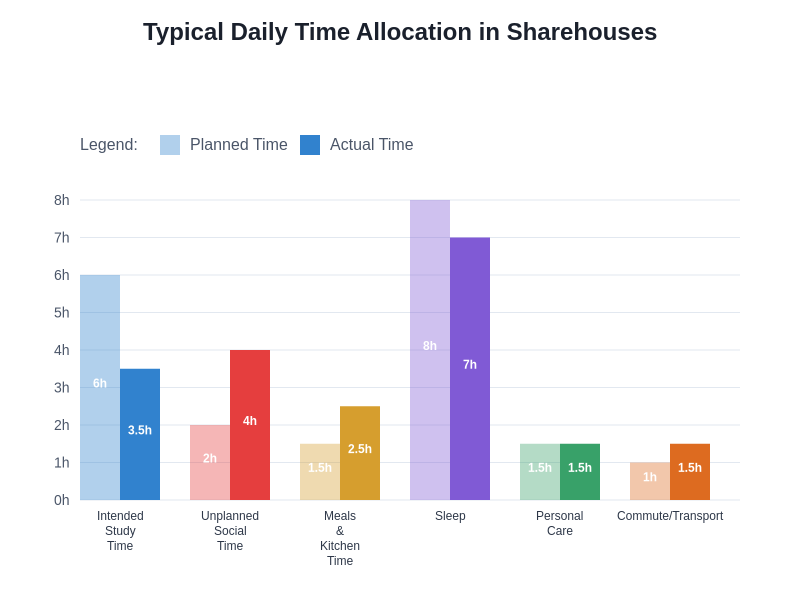
The unpredictable nature of social interruptions makes it difficult to plan effective study blocks, as residents cannot anticipate when housemates will return from work, bring guests, or initiate social activities. This uncertainty forces students to adopt reactive rather than proactive study approaches, reducing overall academic efficiency and increasing stress levels related to meeting educational deadlines.
Social Pressure and Peer Influence Dynamics
The social dynamics within sharehouses create subtle but powerful pressures that can gradually erode academic focus and study discipline, even among initially motivated students. The constant presence of peers engaging in leisure activities makes studying feel like a choice to isolate oneself from the community, creating psychological barriers to maintaining consistent academic habits.
Peer pressure to participate in social activities often manifests as gentle suggestions to “take a break” or “join us for just a little while,” which can easily extend into hours of lost study time. The social nature of human beings makes it difficult to consistently choose solitary academic work over group activities, particularly when living in close proximity to engaging and friendly housemates.
The comparison effect becomes particularly pronounced in sharehouse environments where residents can observe each other’s daily routines and time allocation choices. Students may feel self-conscious about spending significant time studying when they observe housemates enjoying more relaxed schedules or engaging in social and recreational activities that appear more immediately rewarding.
Group study attempts, while well-intentioned, often devolve into social sessions rather than productive academic work. The familiar and comfortable environment of the sharehouse, combined with existing social relationships among residents, makes it nearly impossible to maintain the formal structure and discipline necessary for effective group study sessions.
Cultural and Communication Barriers in Mixed Environments
International sharehouses present additional study challenges through cultural differences in attitudes toward academic work, quiet time expectations, and communication styles that can create misunderstandings and conflicts around study needs. How cultural differences affect friendship building extends to academic environments where varying educational backgrounds create different expectations about study behavior and academic priorities.
Language barriers can make it difficult to communicate study needs effectively, leading to situations where academic requirements are not clearly understood or respected by housemates from different cultural backgrounds. The politeness inherent in many Asian cultures may prevent direct requests for quiet time or space, allowing study disruptions to continue unchecked rather than being addressed through clear communication.
Different cultural approaches to work-life balance can create tension between residents who prioritize academic achievement and those who emphasize social relationships and leisure activities. These fundamental differences in values can make it challenging to establish house rules or expectations that support serious academic work while maintaining community harmony.
The informal nature of sharehouse relationships makes it difficult to enforce study-friendly policies or request behavior changes that might be easily implemented in more formal housing arrangements. The desire to maintain friendships and avoid conflict often leads students to accommodate disruptive behavior rather than advocating for their academic needs.
Technology Distractions and Digital Social Environments
Modern sharehouse environments are saturated with digital distractions that compound the challenges of maintaining academic focus, with shared wifi networks, gaming systems, and constant social media connectivity creating layers of distraction that extend beyond physical social interactions. The availability of high-speed internet, while essential for academic work, also provides unlimited access to entertainment and social platforms that can derail study sessions.
Gaming activities by housemates create both auditory distractions and social pressure to participate, particularly during evening hours when academic work is typically scheduled. The excitement and engagement visible in gaming sessions can make solitary study work feel particularly monotonous and unrewarding in comparison, leading to gradual erosion of study motivation and discipline.
Video streaming and entertainment consumption by housemates in common areas effectively claims these spaces for leisure use, making them unavailable for study purposes and forcing academic work into smaller, less suitable private spaces. The sounds and visual stimulation from entertainment systems create constant background distractions that make concentration extremely difficult even when attempting to study nearby.
Social media connectivity and the sharing of experiences among housemates creates additional FOMO pressure, as students can see real-time updates about social activities, travel, and leisure pursuits that highlight the opportunity cost of choosing academic work over immediate gratification. This constant awareness of alternative activities can significantly undermine motivation to maintain consistent study habits.
Sleep Disruption and Academic Performance Impact
The social nature of sharehouse living often leads to disrupted sleep patterns that directly impact cognitive function, memory consolidation, and academic performance, creating a cycle where study difficulties compound over time. How different learning styles clash becomes more pronounced when sleep deprivation reduces cognitive flexibility and learning capacity.
Late-night social activities, whether voluntary or involuntary due to noise, can push bedtimes later than optimal for academic performance, leading to reduced alertness and concentration during peak study hours the following day. The cumulative effect of even modest sleep disruption can significantly impact academic performance over semester-long periods.
Irregular sleep schedules among housemates create unpredictable noise patterns that make it difficult to establish consistent sleep routines essential for academic success. Early morning disruptions from residents with different schedules can force premature wake times that leave students fatigued during critical study periods.
The social environment may encourage staying up late for conversations, activities, or social bonding, creating internal conflict between social integration desires and academic sleep needs. This tension often results in compromised sleep that affects both academic performance and overall well-being throughout the academic term.
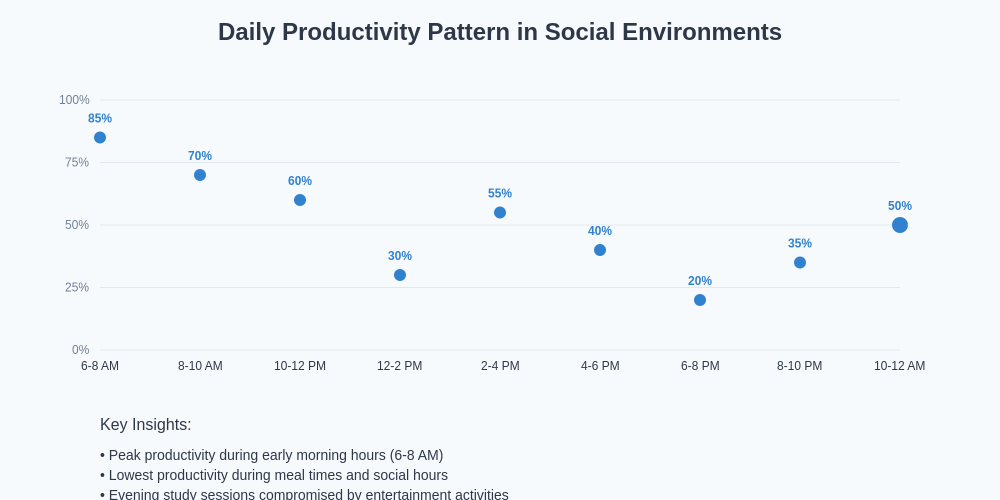
The correlation between social activity peaks and productivity drops demonstrates how sharehouse environments systematically undermine academic performance throughout typical daily schedules, with the most significant impacts occurring during traditionally optimal study hours.
Financial Stress and Academic Focus Correlation
The financial pressures associated with sharehouse living can create additional stress that impacts academic performance, particularly when cost-saving measures conflict with study environment needs. How much Tokyo sharehouses really cost per month often understates the hidden costs of creating adequate study environments within shared living spaces.
The need to share resources and spaces for financial reasons can prevent students from investing in study aids, furniture, or technology that would improve their academic environment. Noise-canceling headphones, desk lamps, ergonomic chairs, and other study-supporting equipment may be considered luxury expenses when budgets are tight, leading to suboptimal study conditions.
Financial dependence on shared living arrangements can make it difficult to address study environment issues that might be easily resolved through housing changes or modifications. Students may feel trapped in unsuitable study environments due to lease commitments and limited financial flexibility to seek alternative arrangements.
The stress of managing finances in a shared environment can itself become a distraction from academic work, as students worry about utility bills, shared expenses, and the social dynamics around money management rather than focusing on their educational priorities.
Long-term Academic and Career Implications
The cumulative impact of studying in suboptimal social environments can extend far beyond immediate academic performance, affecting long-term educational outcomes, career prospects, and personal development in ways that may not become apparent until significant time has passed. How to handle roommate conflicts without moving out becomes crucial when academic performance is at stake.
Reduced study quality over extended periods can lead to lower grades, missed learning opportunities, and decreased academic confidence that affects future educational and career choices. The habits developed during critical learning periods can establish patterns that persist throughout academic and professional careers, making the study environment during formative years particularly important.
The social skills and cultural competencies gained through sharehouse living may partially offset academic challenges, but this trade-off may not be optimal for students whose career goals require strong academic performance or advanced technical knowledge that demands sustained, focused study time.
Graduate school applications, professional certifications, and competitive career opportunities often depend heavily on academic performance metrics that can be significantly impacted by suboptimal study environments during undergraduate or preparatory periods. The long-term opportunity cost of compromised academic performance may far exceed the short-term benefits of social living arrangements.
Developing Coping Strategies and Solutions
Successfully navigating the challenges of studying in social environments requires proactive strategy development, clear communication, and often creative solutions that balance academic needs with social living benefits. Japanese sharehouse rules every foreigner should know can provide frameworks for establishing study-friendly house policies.
Establishing clear boundaries and communication protocols with housemates about study needs, quiet hours, and academic priorities can help create more supportive environments while maintaining positive social relationships. This requires ongoing negotiation and mutual respect rather than one-time conversations.
Investment in personal study aids such as noise-canceling headphones, portable study lighting, and organizational systems can help create better study micro-environments within shared spaces. These solutions require upfront costs but can significantly improve study quality and academic outcomes over time.
Developing alternative study locations outside the sharehouse, such as libraries, cafes, or study halls, provides backup options when the home environment becomes unsuitable for academic work. This strategy requires additional planning and potentially higher costs but ensures consistent access to quality study environments regardless of sharehouse dynamics.
The challenge of studying in social environments represents a complex balance between personal academic goals and community living benefits that requires careful consideration, ongoing adjustment, and realistic expectations about the trade-offs involved. Success depends largely on individual adaptability, communication skills, and commitment to maintaining academic priorities within inherently social living arrangements.
Disclaimer
This article is for informational purposes only and reflects general observations about studying challenges in social living environments. Individual experiences may vary significantly based on personal study habits, housemate dynamics, and specific living situations. Students should evaluate their own academic needs and priorities when making housing decisions and seek appropriate support resources when academic performance is affected by living environment factors.