The growing environmental consciousness among international residents living in Tokyo sharehouses has fundamentally transformed traditional consumption patterns and household decision-making processes. This shift toward sustainability-focused living reflects broader global awareness of climate change impacts while addressing the practical realities of shared living spaces where individual choices collectively influence community environmental footprints and financial outcomes.
Understanding how sustainability values manifest in daily consumption decisions reveals complex interactions between personal beliefs, economic constraints, cultural differences, and the unique dynamics of communal living arrangements. These patterns extend beyond simple purchasing choices to encompass comprehensive lifestyle adaptations that affect everything from food preparation methods to transportation habits and long-term financial planning strategies.
The Foundation of Sustainable Consumption in Shared Living
Environmental awareness among sharehouse residents often emerges from diverse cultural backgrounds and educational experiences, creating rich opportunities for knowledge sharing and collective learning about sustainable practices. How cultural differences affect friendship building demonstrates how varied perspectives on environmental responsibility can strengthen community bonds while introducing innovative approaches to resource conservation.
The economics of shared living naturally align with many sustainability principles, as bulk purchasing, resource sharing, and collective utility usage create inherent efficiencies that reduce per-person environmental impact. These economic incentives often serve as initial motivators for residents who may not have previously prioritized environmental considerations but discover that sustainable practices also deliver significant financial benefits.
Peer influence plays a crucial role in amplifying individual sustainability efforts within sharehouse communities, as visible eco-friendly behaviors inspire similar actions among housemates while creating informal accountability systems that reinforce positive environmental choices. The social dynamics of shared living spaces often transform sustainability from individual responsibility into collective identity markers that define house culture and community values.
Waste Reduction and Circular Economy Practices
Food waste minimization represents one of the most visible and immediately impactful areas where sustainability values reshape consumption patterns in sharehouses. How bulk shopping changes in shared living explores how residents adapt purchasing strategies to optimize both cost efficiency and waste reduction through coordinated meal planning and ingredient sharing.
The complexity of managing multiple residents’ dietary preferences, cultural food traditions, and varying consumption schedules creates unique challenges for waste reduction efforts that require innovative solutions and ongoing communication. Many sharehouses develop sophisticated systems for tracking expiration dates, coordinating leftover usage, and implementing composting programs that transform potential waste into valuable resources for community gardens or local composting initiatives.
Packaging waste reduction often becomes a shared priority as residents recognize the cumulative impact of individual purchasing decisions on household waste generation. This awareness leads to collective adoption of reusable containers, bulk purchasing agreements with local suppliers, and strategic shopping patterns that prioritize minimal packaging options even when they require additional effort or coordination.
The circular economy principles find natural expression in sharehouses through extensive sharing networks for books, clothing, electronics, and household items that extend product lifecycles while reducing individual acquisition needs. How board game collections become community assets illustrates how shared ownership models can satisfy diverse interests while minimizing resource consumption and storage requirements.
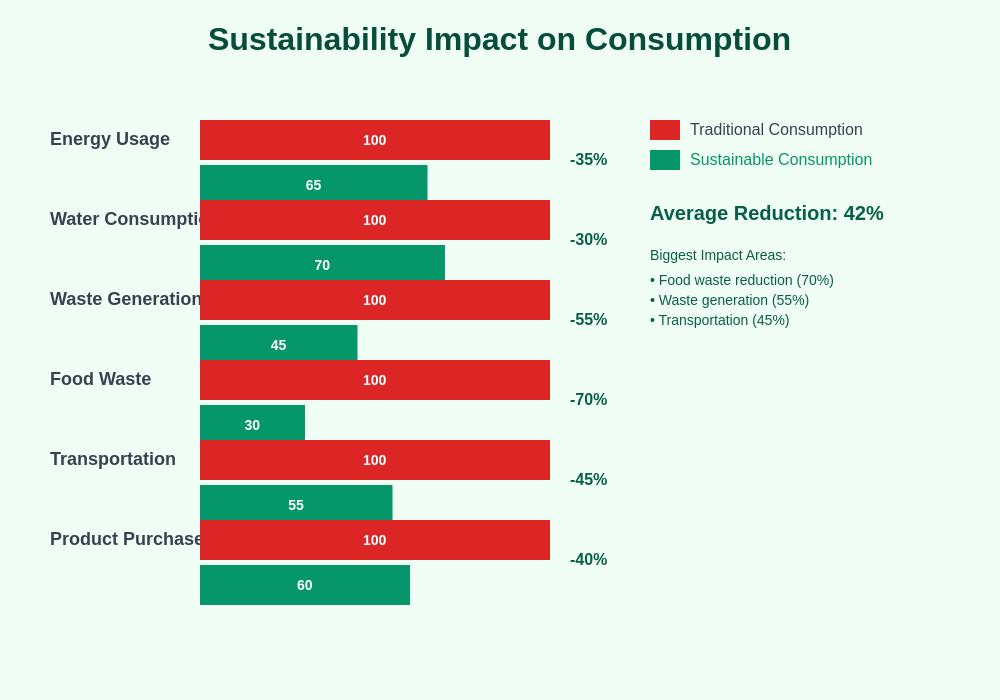
Energy Conservation and Utility Management
Heating and cooling consumption patterns in sharehouses reflect complex negotiations between comfort preferences, environmental values, and cost management considerations that vary significantly based on building design, seasonal conditions, and resident demographics. Why heating bills create health vs budget dilemmas examines how sustainability-minded residents balance environmental consciousness with practical comfort needs.
The installation and usage of energy-efficient appliances often becomes a community investment decision that requires consensus building and shared financial commitment, creating opportunities for environmental education while demonstrating the long-term economic benefits of sustainable technology adoption. These decisions frequently involve complex calculations of upfront costs, utility savings, and environmental impact that strengthen residents’ understanding of sustainability economics.
Smart home technology adoption in sustainability-focused sharehouses enables sophisticated monitoring and optimization of energy usage patterns while providing real-time feedback that reinforces conservation behaviors. How smart thermostats reduce utility conflicts demonstrates how technology can support both environmental goals and harmonious community living.
Water conservation efforts often extend beyond individual behavior modifications to include community-wide initiatives such as greywater systems, rainwater collection, and coordinated appliance usage schedules that maximize efficiency while maintaining convenience. These systems require ongoing maintenance and community commitment but often serve as visible symbols of house environmental values that attract like-minded residents.
Sustainable Transportation and Mobility Choices
Transportation decisions among environmentally conscious sharehouse residents reflect sophisticated cost-benefit analyses that consider environmental impact, financial efficiency, health benefits, and time constraints within Tokyo’s extensive public transit network. How bicycle ownership affects daily routines explores how sustainable mobility choices reshape daily schedules and social activities.
Car sharing arrangements among residents provide sustainable alternatives to individual vehicle ownership while creating opportunities for cost savings and community bonding through shared travel experiences. These arrangements often involve complex scheduling systems and maintenance responsibilities that strengthen interpersonal relationships while reducing per-person transportation environmental impact.
The integration of cycling culture into sharehouse communities often requires infrastructure investments such as secure storage, maintenance equipment, and safety gear that represent collective commitments to sustainable transportation. Many houses develop cycling groups that combine environmental values with social activities while providing practical support for residents transitioning to bicycle-based transportation.
Public transportation optimization strategies among sustainability-focused residents often include detailed analysis of route efficiency, carbon footprint comparisons, and cost calculations that influence housing location decisions and daily travel patterns. How commute times impact your quality of life examines how environmental transportation choices affect broader lifestyle satisfaction.
Conscious Consumption and Purchasing Decisions
Product selection criteria among environmentally conscious sharehouse residents typically prioritize durability, repairability, and end-of-life disposal considerations alongside traditional factors such as price, functionality, and aesthetic appeal. This expanded decision-making framework often requires additional research time and may result in higher upfront costs that deliver long-term environmental and economic benefits.
Local sourcing preferences create opportunities for community engagement with neighborhood businesses while reducing transportation-related environmental impact and supporting local economic development. How grocery store preferences divide houses illustrates how sustainability values can influence collective purchasing decisions and shopping patterns.
The adoption of sharing economy platforms and second-hand purchasing networks reflects broader sustainability values while addressing the practical storage and financial constraints of sharehouse living. These practices often require additional time investment for research, inspection, and coordination but frequently result in significant cost savings and reduced environmental impact.
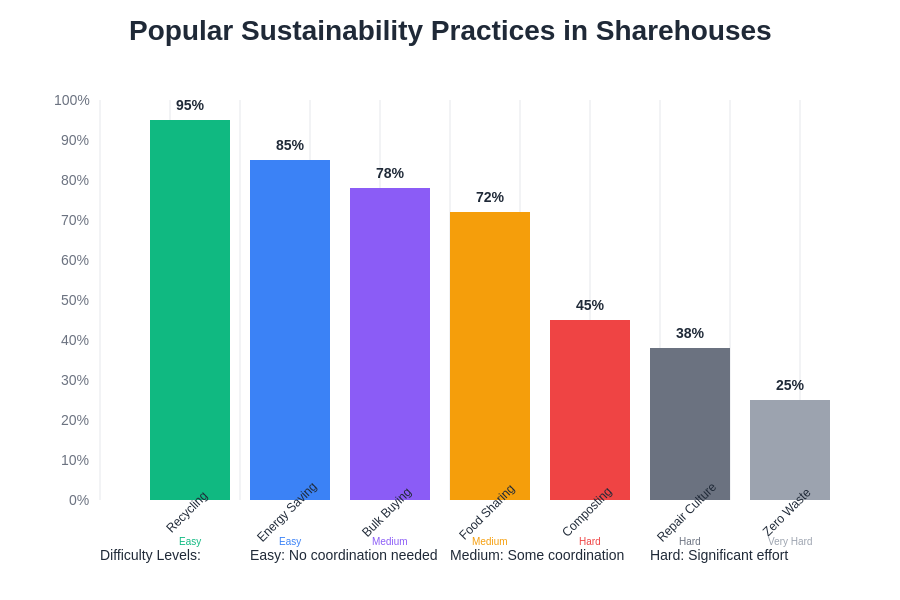
Minimalist lifestyle adoption often emerges naturally from sharehouse living constraints while aligning with sustainability values that emphasize experience over material accumulation. How limited storage forces you to live minimally explores how physical constraints can support environmental values and personal development goals.
Technology and Digital Consumption Patterns
Digital consumption patterns among sustainability-conscious residents often include careful consideration of cloud storage usage, streaming service environmental impact, and electronic device lifecycle management that reflects broader environmental awareness in technology adoption decisions. These considerations increasingly influence purchasing timing, device sharing arrangements, and data usage patterns that minimize environmental impact.
The shared ownership of high-impact electronic devices such as printers, gaming systems, and specialized equipment reduces per-person environmental footprint while maintaining access to desired functionality. How consumer electronics sharing works examines practical arrangements for technology sharing that support both environmental and economic goals.
Software and service sharing arrangements often extend beyond cost savings to include environmental considerations regarding server usage, data transmission, and digital infrastructure environmental impact. These arrangements frequently involve complex scheduling and usage agreements but demonstrate how collective action can reduce individual environmental footprints.
The adoption of repair and refurbishment practices for electronic devices reflects both sustainability values and economic constraints while building valuable technical skills among residents. Many sharehouses develop informal expertise networks where residents with technical knowledge support device longevity and performance optimization for the broader community.
Financial Implications of Sustainable Consumption
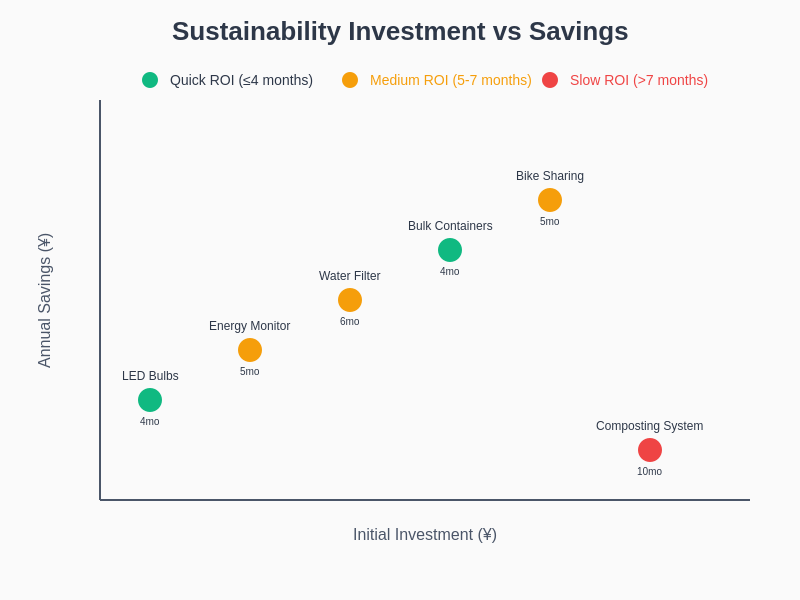
Budget allocation patterns among sustainability-focused residents often reflect willingness to invest higher upfront costs for products and services that deliver long-term environmental and economic benefits. How to budget realistically for sharehouse living provides frameworks for evaluating sustainability investments within overall financial planning strategies.
The time investment required for sustainable consumption practices includes research, coordination, maintenance, and monitoring activities that represent hidden costs often overlooked in simple price comparisons. These time investments frequently pay dividends through community building, skill development, and long-term cost savings that justify initial effort requirements.
Collective purchasing power enables access to higher-quality sustainable products through bulk buying, group subscriptions, and coordinated special orders that individual residents might not afford independently. How group buying power reduces individual costs demonstrates how community cooperation can make sustainability more accessible and affordable.
The tracking and evaluation of sustainability-related expenses often becomes a community learning experience that builds financial literacy while demonstrating the economic benefits of environmental consciousness. Many houses develop sophisticated tracking systems that monitor both environmental impact and financial outcomes of sustainability initiatives.
Cultural Exchange and Environmental Education
Cross-cultural environmental knowledge sharing represents one of the most valuable aspects of sustainability-focused sharehouse communities, as residents from different countries contribute diverse perspectives on resource conservation, waste management, and sustainable living practices. How cultural adaptation happens gradually explores how environmental practices become part of broader cultural learning experiences.
Traditional ecological knowledge from residents’ home countries often introduces innovative approaches to resource management that complement modern sustainability practices while honoring cultural heritage and family traditions. These knowledge exchanges frequently result in hybrid approaches that optimize both effectiveness and cultural relevance for diverse community members.
Language learning opportunities often emerge through sustainability activities as residents teach specialized vocabulary related to environmental practices, local recycling systems, and sustainable consumption terminology. These educational exchanges strengthen both environmental knowledge and cross-cultural communication skills while building lasting friendships.
Community workshops and skill-sharing sessions focused on sustainability topics create structured learning opportunities that benefit all residents while strengthening house social bonds and shared identity around environmental values.
Long-term Behavioral Change and Habit Formation
The residential environment in sustainability-focused sharehouses often catalyzes permanent behavior changes that residents maintain after moving to independent housing situations. The social reinforcement, practical infrastructure, and continuous learning opportunities create powerful conditions for sustainable habit formation that extends beyond individual sharehouse experiences.
Skill development in areas such as cooking, gardening, repair, and resource management often represents lasting benefits of sustainability-focused community living that enhance long-term quality of life while reducing environmental impact. These skills frequently become foundations for continued environmental engagement in future living situations.
Network building among environmentally conscious residents creates lasting social connections that support continued sustainability practices through information sharing, resource exchange, and mutual accountability even after residents move to different locations.
The integration of sustainability values into personal identity often accelerates through community living experiences that provide daily opportunities to practice environmental consciousness while receiving positive social feedback and practical support.
Challenges and Limitations of Sustainable Consumption
Individual commitment variations among residents can create tension and frustration when sustainability initiatives require unanimous participation or when some residents prioritize convenience over environmental impact. How to handle roommate conflicts without moving out offers strategies for navigating value differences constructively.
Economic constraints often limit sustainability choices when environmentally preferable options carry significantly higher costs that exceed individual or collective budget limitations. These constraints frequently require creative solutions and compromise strategies that balance environmental ideals with financial realities.
Infrastructure limitations in older buildings or budget accommodations may prevent implementation of desired sustainability practices such as composting, energy efficiency improvements, or water conservation systems that require structural modifications or significant investment.
Time and convenience trade-offs associated with many sustainable practices can create stress and conflict when residents face competing priorities such as work demands, study requirements, or health challenges that limit capacity for environmental activities.
The complexity of implementing comprehensive sustainability programs in shared living environments requires ongoing coordination, communication, and compromise that may exceed residents’ available time and energy resources, particularly during periods of high academic or professional demands.
Understanding how sustainability values reshape consumption patterns in Tokyo sharehouses reveals the potential for collective living arrangements to accelerate environmental consciousness while demonstrating practical pathways toward more sustainable lifestyles. These experiences often serve as laboratories for innovative approaches to resource management that benefit both individual residents and broader environmental goals while creating meaningful community connections that support long-term behavior change.
Disclaimer
This article is for informational purposes only and does not constitute professional environmental or financial advice. Sustainability practices and their effectiveness may vary depending on individual circumstances, local infrastructure, and community dynamics. Readers should consider their specific situations and consult relevant experts when implementing environmental initiatives. The views expressed reflect general observations about sharehouse living and may not apply to all communities or individuals.