The promise of sustainable transportation in Tokyo presents a complex paradox for sharehouse residents who often arrive with high environmental expectations, only to discover that practical limitations and systemic barriers significantly constrain their ability to maintain truly sustainable mobility patterns. Despite Japan’s reputation for efficient public transportation and environmental consciousness, the reality of daily transportation choices for international residents living in sharehouses reveals persistent gaps between environmental ideals and accessible alternatives that continue to frustrate those committed to reducing their carbon footprint.
The intersection of housing affordability, location constraints, and transportation accessibility creates a particularly challenging environment for sharehouse residents who must balance environmental consciousness with practical mobility needs, financial limitations, and the demands of daily life in one of the world’s most expensive cities. Understanding these limitations helps residents make informed decisions about their transportation choices while advocating for systemic improvements that could expand sustainable options for future residents.
Infrastructure Gaps in Bicycle-Friendly Design
Tokyo’s bicycle infrastructure remains remarkably underdeveloped despite the city’s density and potential for cycling adoption, creating significant barriers for sharehouse residents who view cycling as their preferred sustainable transportation option. How bicycle ownership affects daily routines demonstrates how these infrastructure limitations directly impact residents’ ability to integrate cycling into their daily lives, often forcing them to rely on less sustainable alternatives despite their environmental preferences.
The absence of dedicated bicycle lanes on most major roads forces cyclists to navigate between pedestrian sidewalks and vehicle traffic, creating safety concerns that discourage many residents from adopting cycling as their primary transportation method. This infrastructure gap particularly affects international residents who may come from cities with more developed cycling infrastructure and expect similar facilities in Tokyo, only to discover that bicycle commuting often involves significant safety compromises and route limitations.
Bicycle parking facilities near major train stations and commercial areas remain chronically inadequate, with limited spaces that fill quickly during peak hours and often require expensive monthly parking fees that can exceed the cost of additional train fares. How parking availability affects car ownership decisions illustrates how similar parking constraints affect various transportation modes, creating systemic barriers to sustainable transportation adoption.
The lack of secure, weather-protected bicycle storage at most sharehouses compounds these challenges, as residents must often choose between expensive covered parking options or accepting weather damage and theft risks that make bicycle ownership economically impractical. Weather protection becomes particularly crucial during Tokyo’s rainy season and winter months, when inadequate storage facilities can render bicycles unusable for extended periods.
Economic Barriers to Sustainable Options
The cost structure of sustainable transportation in Tokyo often creates counterintuitive economic incentives that favor less environmentally friendly options, particularly affecting budget-conscious sharehouse residents who must carefully manage transportation expenses within limited monthly budgets. How transportation costs impact entertainment budgets reveals how these economic pressures force residents to make transportation choices based on immediate financial considerations rather than long-term environmental goals.
Electric bicycle rental systems, while environmentally preferable to private vehicle ownership, often cost significantly more than traditional public transportation options, making them economically inaccessible for daily commuting despite their environmental benefits. The high upfront costs of purchasing electric bicycles, combined with maintenance expenses and replacement risks due to theft, create financial barriers that prevent many residents from investing in this sustainable option.
Public transportation monthly passes, while offering some cost savings for frequent users, remain expensive relative to international standards and sharehouse residents’ typical income levels, often consuming 10-15% of monthly budgets and forcing residents to limit their mobility to justify the expense. How commute times impact your quality of life demonstrates how these economic constraints affect residents’ housing location choices and daily mobility patterns.
The absence of comprehensive car-sharing programs in many neighborhoods limits access to occasional vehicle use for specific trips that cannot be efficiently completed by public transportation or cycling, forcing residents to either forgo certain activities or resort to expensive taxi services that undermine their environmental goals. How car sharing works among sharehouse residents explores the challenges residents face in coordinating sustainable transportation alternatives.
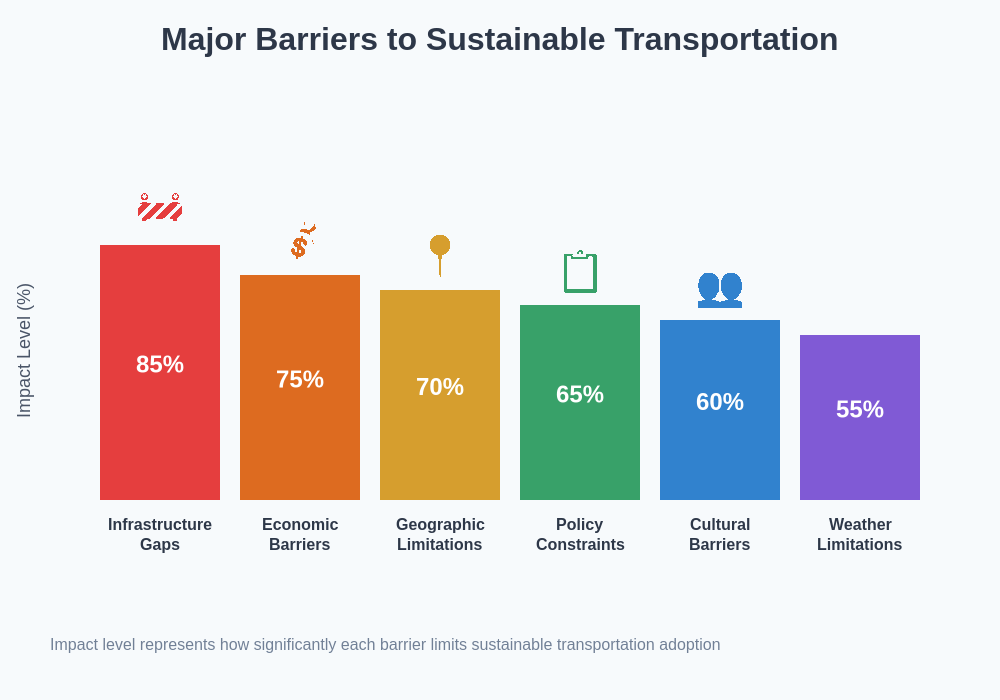
These interconnected barriers create a complex web of limitations that systematically favor less sustainable transportation options despite residents’ environmental intentions and the city’s reputation for efficient public transit.
Geographic Limitations and Service Coverage
Tokyo’s public transportation network, despite its reputation for comprehensiveness, contains significant coverage gaps that disproportionately affect affordable housing areas where many sharehouses are located, creating geographic barriers to sustainable transportation access. How distance from city center changes living experience illustrates how these geographic constraints influence residents’ daily transportation challenges and environmental impact.
Suburban sharehouse locations often have limited late-night transportation options, forcing residents to rely on expensive taxi services or potentially unsafe late-night cycling for evening social activities or work obligations that extend beyond regular transit hours. This service limitation particularly affects international residents whose work schedules or social activities may not align with traditional Japanese business hours and transportation timetables.
The concentration of sustainable transportation options in central Tokyo areas creates accessibility inequities that force residents in affordable peripheral locations to accept longer commute times, multiple transfers, and higher relative transportation costs that can negate the environmental benefits of public transit use. How late-night transportation limits social life demonstrates how these geographic limitations affect residents’ ability to maintain sustainable transportation patterns across all aspects of their daily lives.
Walking and cycling distances to the nearest transit stations often exceed comfortable ranges for daily commuting, particularly during adverse weather conditions, creating practical barriers that encourage residents to seek housing closer to major transit hubs despite the higher costs and reduced sharehouse options in these areas.
Policy and Regulatory Constraints
Government transportation policies and urban planning regulations continue to prioritize automobile infrastructure and traditional transportation modes over sustainable alternatives, creating systemic barriers that limit the expansion and improvement of environmentally friendly transportation options. How environmental policies change frequently explores how policy instability affects long-term sustainable transportation development and resident planning.
Zoning regulations that separate residential areas from commercial and employment centers perpetuate car-dependent development patterns that make sustainable transportation less practical and efficient, particularly affecting sharehouse residents who often have limited control over their housing location choices. These regulatory frameworks prioritize development patterns that inherently favor automobile use over walking, cycling, or public transportation alternatives.
Building codes and safety regulations often lack provisions for adequate bicycle storage, electric vehicle charging infrastructure, or other sustainable transportation support facilities, creating legal barriers that prevent property owners from installing the infrastructure necessary to support residents’ environmental transportation goals. How green building standards affect comfort demonstrates how regulatory gaps affect the implementation of sustainable features in residential buildings.
The complex permit and licensing requirements for electric vehicles, car-sharing services, and alternative transportation modes create bureaucratic barriers that slow the adoption of new sustainable transportation technologies and limit the diversity of options available to residents. These regulatory constraints particularly affect international residents who may lack the language skills or cultural knowledge necessary to navigate complex administrative processes.
Technological Integration Challenges
The slow adoption of integrated digital payment systems and transportation coordination technologies limits the efficiency and convenience of sustainable transportation options, creating practical barriers that discourage their use despite their environmental benefits. How digital entertainment replaces social interaction illustrates how technological limitations can influence behavior patterns and transportation choices.
Limited integration between different transportation modes, such as bicycle rental systems, public transit, and car-sharing services, forces users to manage multiple payment systems, applications, and accounts that complicate sustainable transportation use and reduce its competitive advantage over single-mode alternatives. This fragmentation particularly affects international residents who may have difficulty navigating multiple Japanese-language systems and payment requirements.
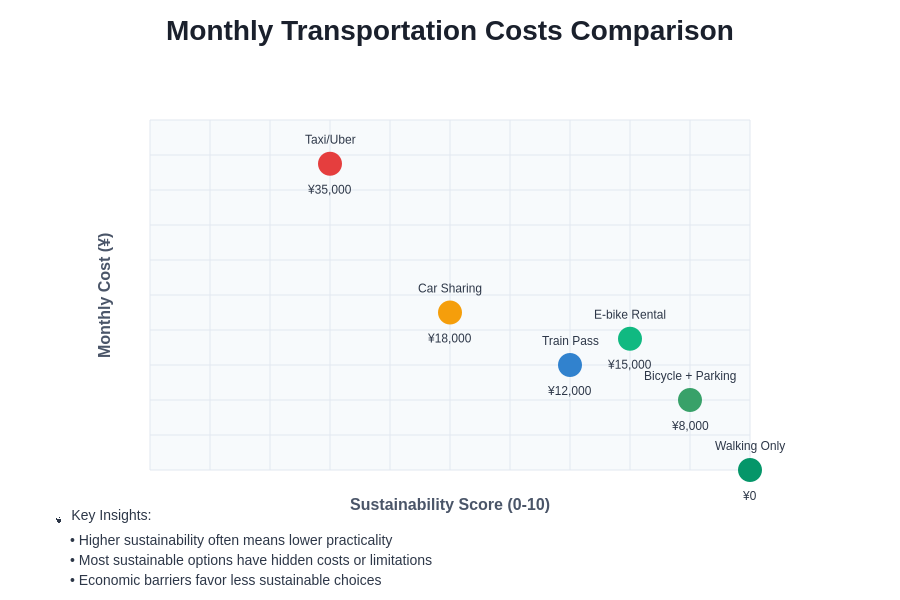
The economic reality reveals that sustainable options often require higher upfront costs or ongoing expenses that make them less attractive than conventional alternatives, creating financial disincentives for environmentally conscious choices.
The absence of comprehensive real-time information systems for alternative transportation options, such as bicycle availability, electric vehicle charging station status, or car-sharing vehicle locations, creates uncertainty that encourages residents to default to more predictable but less sustainable transportation choices. How transportation apps change navigation habits explores how technological tools could improve sustainable transportation adoption if properly implemented.
Electric vehicle charging infrastructure remains limited and poorly integrated with residential buildings, creating practical barriers for residents interested in electric vehicle ownership or car-sharing participation that could provide sustainable alternatives to traditional vehicle ownership or public transportation dependence.
Cultural and Social Barriers
Japanese cultural attitudes toward certain sustainable transportation modes, particularly cycling and walking for utilitarian purposes, often conflict with international residents’ environmental transportation preferences, creating social pressures that discourage sustainable transportation adoption. How cultural differences affect friendship building demonstrates how cultural barriers can influence residents’ daily choices and social integration.
Professional dress codes and workplace expectations that prioritize formal appearance over environmental considerations can make cycling or walking to work impractical for many residents, forcing them to choose between career advancement and environmental goals. This cultural constraint particularly affects international residents in traditional Japanese business environments where appearance standards may conflict with sustainable transportation practices.
Social stigma associated with certain sustainable transportation modes, such as electric scooters or cargo bicycles, can discourage their adoption despite their practical benefits for urban mobility and environmental impact reduction. How cultural sensitivity develops through daily interaction explores how cultural adaptation affects residents’ behavior patterns and transportation choices.
Limited awareness and education about sustainable transportation options among both residents and property managers creates information barriers that prevent the adoption of available alternatives and reduce demand for improved sustainable transportation infrastructure and services.
Seasonal and Weather-Related Limitations
Tokyo’s climate patterns create significant seasonal barriers to sustainable transportation adoption, with extreme summer heat, humid conditions, and extended rainy periods making walking and cycling uncomfortable or impractical for extended periods each year. How rainy season creates humidity problems illustrates how weather conditions affect residents’ daily routines and transportation choices.
The lack of adequate weather protection at most transit stations and along walking/cycling routes forces residents to accept significant discomfort during adverse weather conditions or resort to less sustainable transportation alternatives during substantial portions of the year. This seasonal variability makes it difficult for residents to maintain consistent sustainable transportation patterns and creates pressure to maintain backup transportation options that may be less environmentally friendly.
Seasonal flooding and extreme weather events increasingly disrupt sustainable transportation infrastructure, creating reliability concerns that encourage residents to favor more weather-resistant but potentially less sustainable transportation modes. How climate change affects building comfort demonstrates how environmental changes affect daily living patterns and infrastructure reliability.
Winter conditions, while less severe than in many other cities, still create challenges for cycling and walking that are not adequately addressed by infrastructure design or maintenance practices, leading to seasonal abandonment of sustainable transportation modes in favor of heated public transportation or private vehicle use.
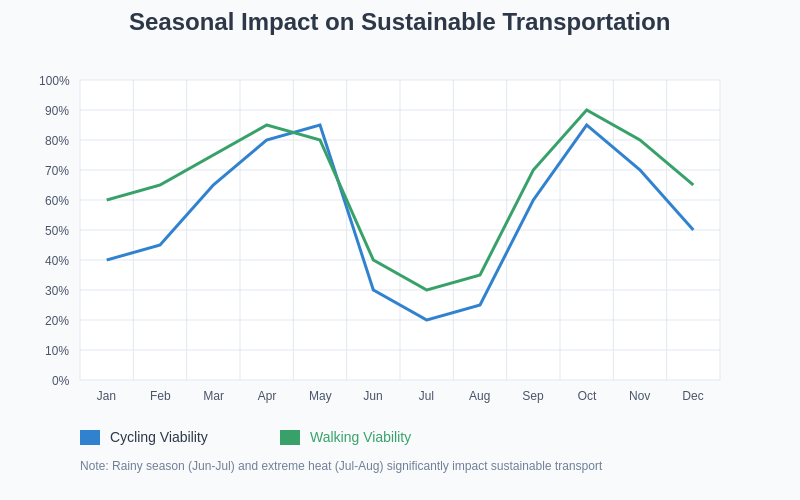
The dramatic seasonal variations in transportation viability force residents to maintain multiple transportation strategies throughout the year, increasing costs and complexity while reducing the consistent adoption of sustainable practices.
Health and Safety Concerns
Air quality issues in urban areas, while improving, still create health concerns for residents who rely heavily on walking or cycling for transportation, particularly during high pollution days or in areas with heavy traffic congestion. How air quality concerns affect daily decisions explores how environmental health considerations influence residents’ transportation choices and daily routines.
Personal safety concerns, particularly for international residents unfamiliar with local traffic patterns and road rules, create barriers to cycling and walking adoption that persist despite the environmental benefits of these transportation modes. Night-time safety concerns especially affect residents whose work or social schedules require travel during hours when sustainable transportation options may be less safe or available.
The physical demands of cycling and walking in Tokyo’s hilly terrain and dense urban environment can create health barriers for residents with physical limitations or health conditions that make intensive physical activity challenging or inadvisable. How health conscious communities affect house rules demonstrates how health considerations influence community decisions and individual choices.
Limited emergency support systems for sustainable transportation users, such as bicycle breakdown assistance or emergency transportation options when sustainable modes are unavailable, create safety nets that residents must address independently, adding complexity and potential costs to sustainable transportation adoption.
Innovation and Future Development Barriers
Regulatory frameworks that favor established transportation companies and infrastructure limit the introduction of innovative sustainable transportation technologies and services that could expand options for environmentally conscious residents. How green energy options remain limited illustrates similar systemic barriers to environmental innovation in other sectors.
Limited investment in research and development of Japan-specific sustainable transportation solutions means that many international sustainable transportation innovations remain unavailable or poorly adapted to local conditions, reducing the diversity of options available to residents. This innovation gap particularly affects emerging technologies like electric micro-mobility options, advanced car-sharing systems, and integrated multi-modal transportation platforms.
The slow pace of infrastructure modernization means that even when sustainable transportation technologies become available, the supporting infrastructure necessary for their effective implementation often lags by years or decades, creating adoption barriers that persist despite technological readiness. How smart home features change daily routines demonstrates how infrastructure limitations can prevent the adoption of beneficial technologies.
Resistance to change within established transportation institutions creates organizational barriers to sustainable transportation expansion that affect policy development, infrastructure investment, and service innovation in ways that maintain the status quo despite growing environmental awareness and demand for alternatives.
The persistent limitations of sustainable transportation options in Tokyo reflect complex interactions between infrastructure, economics, policy, culture, and technology that create systemic barriers to environmental transportation goals. While individual residents can make choices that minimize their environmental impact within existing constraints, meaningful progress toward comprehensive sustainable transportation requires coordinated efforts to address these underlying limitations through infrastructure investment, policy reform, technological innovation, and cultural change. Understanding these barriers helps residents make informed transportation decisions while supporting broader efforts to expand sustainable transportation access for future sharehouse communities and Tokyo residents generally.
Disclaimer
This article is for informational purposes only and reflects current transportation conditions that may change over time. Transportation options, costs, and availability vary by location and individual circumstances. Readers should research current conditions and options specific to their needs and locations. The author encourages readers to explore available sustainable transportation options while recognizing the limitations discussed in this article.