Living in Tokyo sharehouses presents unique security challenges that require residents to maintain constant vigilance against theft and property loss. The shared nature of these living spaces creates multiple access points, numerous opportunities for unauthorized entry, and complex social dynamics that can mask potential security threats. Understanding these vulnerabilities and implementing comprehensive protective measures becomes essential for safeguarding personal belongings and maintaining peace of mind in communal living environments.
The reality of theft in sharehouses extends beyond simple opportunistic crime to encompass systematic vulnerabilities inherent in shared living arrangements. Residents must navigate the delicate balance between maintaining community trust and protecting personal property, while recognizing that security lapses by any individual can compromise the safety of the entire household. This ongoing challenge demands both personal responsibility and collective awareness that goes far beyond basic precautionary measures.
Understanding Sharehouse Security Vulnerabilities
The architectural and social structure of sharehouses creates inherent security weaknesses that traditional apartments and private residences do not face. Multiple entry points, shared access codes, and frequent visitor traffic all contribute to increased opportunities for unauthorized access and theft. Japanese sharehouse rules every foreigner should know often address security protocols, yet enforcement and compliance remain inconsistent across different properties and resident groups.
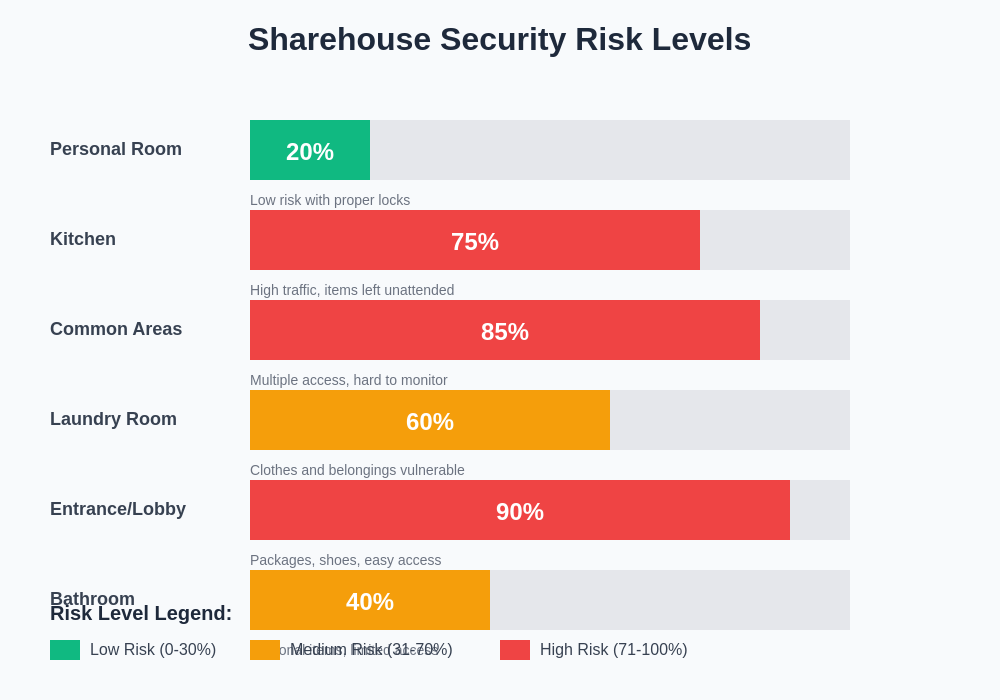
Common areas such as kitchens, living rooms, and laundry facilities become particularly vulnerable zones where personal items left unattended face elevated theft risks. The assumption that shared spaces are safe due to community presence often proves false, as these areas frequently experience the highest rates of property loss. Residents must constantly evaluate the security implications of their daily routines and adjust behaviors accordingly to minimize exposure to theft opportunities.
The transient nature of sharehouse populations creates additional security concerns, as new residents regularly join communities while others depart, making it difficult to establish consistent security awareness and trust levels. Real stories from Tokyo sharehouse residents frequently document theft incidents that could have been prevented through better security practices and heightened awareness among community members.
Recognizing High-Risk Situations and Behaviors
Certain situations and behavioral patterns within sharehouses significantly elevate theft risks, requiring residents to maintain heightened awareness during these circumstances. Late-night hours when fewer residents are awake and active create opportunities for unauthorized access and theft, particularly in common areas where personal items may be left unattended. Understanding these temporal vulnerabilities helps residents adjust their security practices accordingly.
Social gatherings and parties, while beneficial for community building, often compromise normal security protocols as guests gain access to previously restricted areas and security measures become relaxed. The presence of unknown individuals during these events requires residents to secure valuable items and maintain awareness of potential security breaches that may occur during or after social activities.
Periods of high resident turnover, such as the beginning and end of academic semesters or fiscal years, create increased vulnerability as new residents may not yet understand security expectations while departing residents may have reduced investment in community security maintenance. Why some residents feel unsafe at night explores how these transitional periods affect overall security awareness and practices within sharehouse communities.
Delivery periods and package arrivals create additional security risks as delivery personnel gain temporary access to buildings and common areas, potentially observing security measures and valuable items that could be targeted later. The increasing reliance on online shopping and package deliveries has amplified these security concerns across sharehouse communities.
Implementing Personal Security Measures
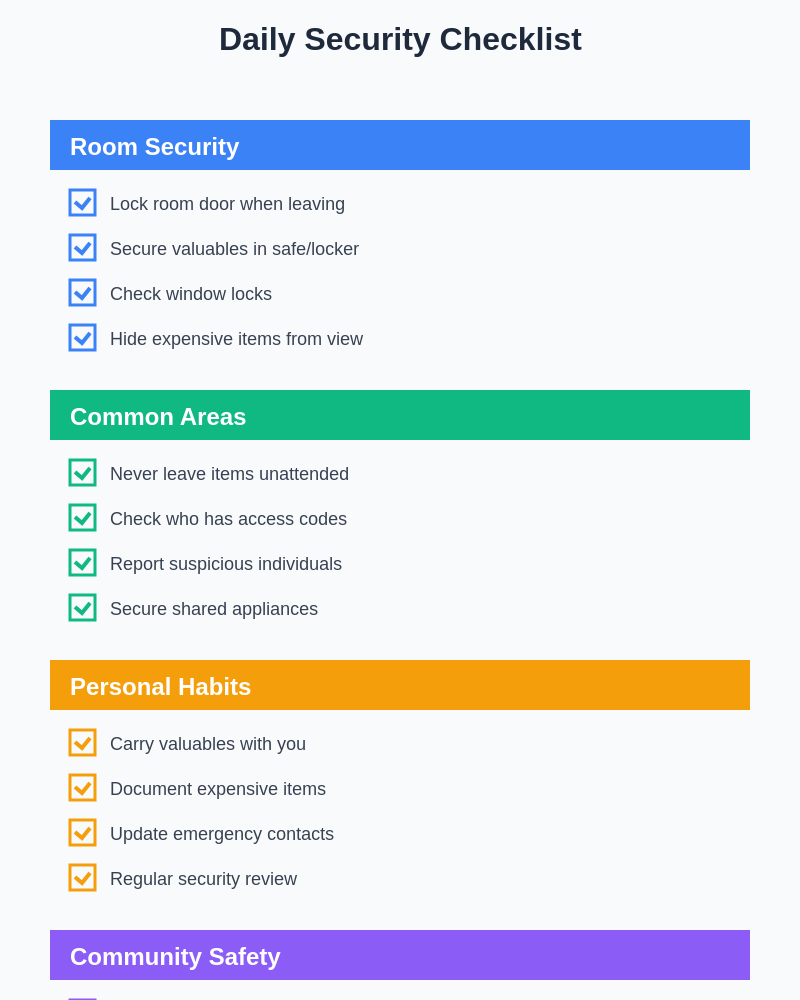
Effective personal security in sharehouses requires layered protection strategies that address both room-level and personal property security. Room locks, while standard in most sharehouses, represent only the first line of defense and should be supplemented with additional security measures for valuable items. Investment in quality personal safes, lockable storage containers, and secure filing systems protects important documents, electronics, and valuables from both opportunistic and targeted theft.
The practice of never leaving valuable items in common areas, even briefly, must become an automatic behavior rather than an occasional precaution. Items such as laptops, smartphones, wallets, and personal electronics should remain with their owners or secured in locked personal spaces at all times. This constant vigilance extends to items that may seem less valuable but could be easily resold or used by others.
Personal identification documents, credit cards, and cash require special attention and secure storage practices that go beyond simple room locks. Creating multiple backup copies of important documents and storing them in separate secure locations provides protection against both theft and accidental loss. Understanding utility bills in Japanese sharehouses often requires sharing personal information, making secure document storage even more critical.
Regular inventory and documentation of personal belongings, including photographs and serial numbers, helps track items and aids in recovery efforts should theft occur. This documentation should be stored separately from the items themselves and updated regularly as new purchases are made or existing items are replaced.
Building Community Security Awareness
Creating effective community security requires ongoing communication and cooperation among all residents, fostering an environment where security concerns can be discussed openly without creating atmosphere of suspicion or mistrust. Regular house meetings that include security topics help maintain awareness and allow residents to share concerns and suggestions for improving overall safety. Making friends through Tokyo sharehouse communities becomes more meaningful when built on foundations of mutual trust and security consciousness.
Establishing clear protocols for reporting suspicious activities or security concerns ensures that potential threats are addressed quickly before they escalate into actual theft incidents. These reporting mechanisms should balance the need for security awareness with respect for privacy and community harmony, avoiding false accusations while maintaining vigilance against genuine threats.
Education about common theft techniques and security vulnerabilities helps residents recognize and avoid situations that could lead to property loss. Understanding how thieves typically operate in shared living environments, including social engineering tactics and opportunistic behaviors, enables residents to better protect themselves and their belongings.
The implementation of community-wide security practices, such as ensuring doors are locked, not sharing access codes with unauthorized individuals, and maintaining awareness of strangers in the building, requires consistent participation from all residents. Living with Japanese roommates in Tokyo sharehouses often involves adapting to different cultural approaches to security and privacy, requiring ongoing communication and compromise.
Technological Security Solutions
Modern technology offers numerous tools for enhancing personal and community security in sharehouses, from simple door alarms to sophisticated monitoring systems. Personal security devices such as door/window alarms, motion detectors, and portable safes provide affordable protection that can be easily installed and removed without modifying the property. These devices serve as both deterrents and early warning systems for potential security breaches.
Smart locks and keyless entry systems, while not always available in sharehouses, can significantly improve room security when permitted by property management. These systems provide audit trails of access attempts and eliminate the risk of key duplication or theft. However, their effectiveness depends on proper installation, regular maintenance, and user education about their capabilities and limitations.
Security cameras in personal spaces raise privacy concerns and may violate sharehouse policies, but discreet monitoring of personal valuable items can provide evidence in case of theft and serve as deterrents. The use of such devices must be balanced against privacy expectations and legal requirements, with transparency being essential to maintain community trust.
Mobile apps and communication platforms can facilitate security awareness and incident reporting within sharehouse communities, allowing residents to quickly share security concerns and coordinate response efforts. These digital tools must be implemented carefully to avoid creating paranoia or false alarm situations that could damage community relationships.
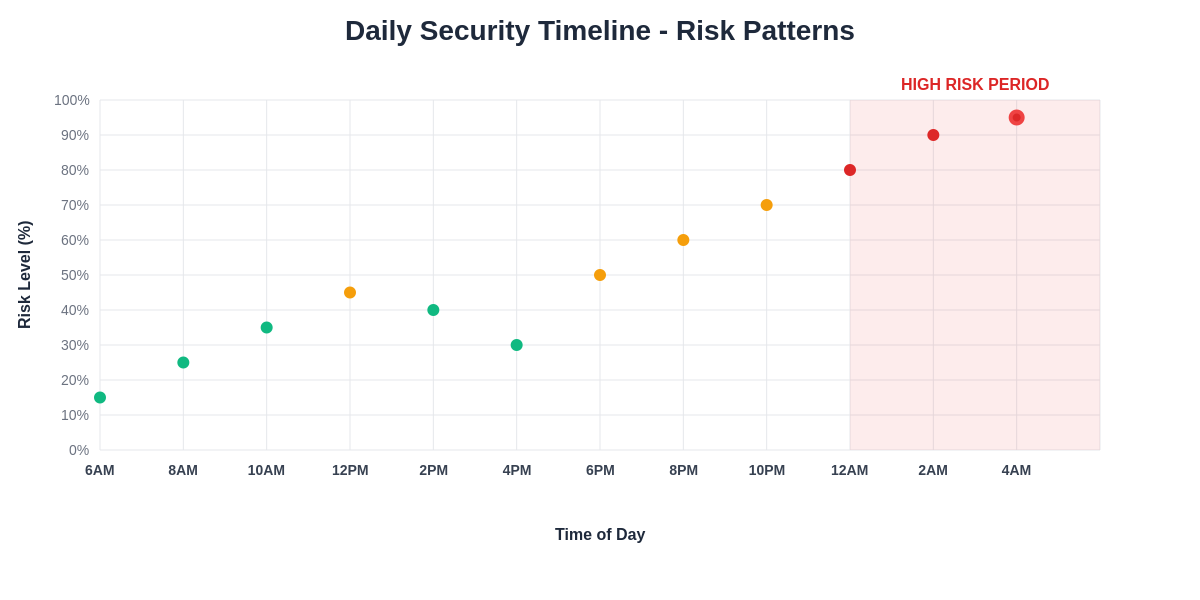
Understanding when security risks peak throughout the day helps residents adjust their vigilance levels accordingly. Late night and early morning hours present the highest vulnerability periods when fewer residents are awake and normal security protocols may be relaxed.
Responding to Security Incidents
When theft or security breaches occur, immediate and appropriate response becomes critical for minimizing damage and preventing future incidents. Documenting the incident thoroughly, including taking photographs, noting missing items, and recording witness statements, provides essential information for both internal resolution and potential police involvement. How to handle roommate conflicts without moving out includes guidance on addressing theft allegations without destroying community relationships.
Reporting theft to appropriate authorities, including sharehouse management and local police, ensures that incidents are properly documented and investigated. However, residents must understand that recovery of stolen items is often unlikely, making prevention efforts far more valuable than recovery attempts. The reporting process also helps identify patterns that could indicate systematic security problems requiring comprehensive solutions.
Communication with other residents about security incidents requires careful balance between transparency and privacy protection. Sharing information about theft methods and vulnerabilities helps prevent similar incidents while avoiding accusations or speculation that could harm innocent residents. This communication should focus on security improvements rather than blame or punishment.
Following security incidents, comprehensive review and improvement of security practices becomes essential to prevent recurrence. This review should examine both individual behaviors and community-wide security protocols, identifying weaknesses that allowed the incident to occur and implementing improvements that address these vulnerabilities.
Long-term Security Maintenance
Maintaining effective security requires ongoing effort and attention that cannot be reduced once initial measures are implemented. Regular review and updating of security practices ensures that protection remains effective as circumstances change and new vulnerabilities emerge. Why some residents develop better communication skills includes learning to discuss security concerns constructively with housemates and management.
Security awareness must be maintained through regular reminders and education, as complacency often develops over time when no incidents occur. Residents may gradually relax security practices, assuming that the absence of theft indicates that vigilance is no longer necessary. This complacency creates opportunities for thieves who may be observing patterns and waiting for security lapses.
Seasonal and situational adjustments to security practices account for changing risk levels throughout the year. Holiday periods, examination times, and vacation seasons all create different security challenges that require adapted approaches. How to budget realistically for sharehouse living should include costs for security measures and potential losses from theft.
Regular maintenance of security devices and systems ensures continued effectiveness over time. Batteries in alarms need replacement, locks require lubrication and adjustment, and access codes should be changed periodically. This maintenance requires both individual responsibility for personal security devices and community coordination for shared security systems.
Financial Protection and Insurance Considerations
Understanding insurance coverage for personal property in sharehouses becomes crucial for financial protection against theft losses. Many residents assume that sharehouse management or their home country insurance provides adequate coverage, only to discover significant gaps when claims are needed. What security deposits actually cover in sharehouses rarely includes theft losses, making separate insurance essential.
Renters insurance or personal property insurance specifically designed for shared living situations can provide valuable protection against theft losses. These policies typically cover personal belongings both inside and outside the sharehouse, though coverage terms and exclusions vary significantly between providers. Understanding policy details and claim procedures before incidents occur ensures faster resolution when protection is needed.
Documentation requirements for insurance claims make thorough record-keeping of personal property essential for financial recovery. Insurance providers typically require proof of ownership, purchase receipts, and detailed descriptions of stolen items before processing claims. This documentation should be stored securely and separately from the items themselves to ensure availability after theft occurs.
The cost-benefit analysis of insurance protection versus self-insurance through security measures varies based on individual circumstances and the value of personal property. How to calculate your true living costs should include both insurance premiums and security device costs as ongoing expenses necessary for financial protection.
Cultural and Legal Considerations
Japanese cultural attitudes toward theft and security may differ significantly from residents’ home countries, affecting both prevention strategies and response expectations. Understanding local customs regarding security practices, police involvement, and community responsibility helps residents navigate security issues more effectively within Japanese social contexts.
Legal protections and law enforcement response to theft in sharehouses may be limited compared to other types of housing, as the shared nature of these facilities can complicate property ownership and access rights. Residents should understand their legal rights and the limitations of police involvement before incidents occur, setting appropriate expectations for resolution outcomes.
Privacy laws and cultural expectations regarding surveillance and security monitoring must be considered when implementing technological security solutions. What may be acceptable security practice in one culture could violate privacy expectations or legal requirements in Japan, requiring careful research and consultation before installation.
The relationship between individual security measures and community harmony requires ongoing balance, as excessive security precautions can create suspicion and damage the cooperative spirit essential for successful sharehouse living. Why some residents feel constantly judged sometimes results from security-related behaviors that others interpret as suspicious or antisocial.
Theft prevention in Tokyo sharehouses demands unwavering vigilance that extends beyond simple precautionary measures to encompass comprehensive security awareness, community cooperation, and ongoing adaptation to changing risks. The unique vulnerabilities of shared living spaces require residents to maintain constant attention to security while preserving the social benefits that make sharehouse living attractive. Success in this balance requires both individual responsibility and collective commitment to creating secure communities where all residents can live safely and comfortably.
The investment in time, effort, and resources required for effective theft prevention pays dividends not only in protecting personal property but also in creating peace of mind that enhances the overall sharehouse experience. Residents who master these security practices find that their vigilance becomes second nature, allowing them to enjoy community living while maintaining appropriate protection for their belongings and personal safety.
Disclaimer
This article is for informational purposes only and does not constitute professional security or legal advice. Security needs and legal requirements may vary based on specific sharehouse policies, local laws, and individual circumstances. Readers should consult with relevant professionals and authorities when implementing security measures or responding to theft incidents. The effectiveness of security practices may vary depending on specific situations, property characteristics, and community dynamics.