Creating a realistic budget for sharehouse living in Tokyo demands far more sophisticated financial planning than most newcomers anticipate, requiring deep understanding of both obvious expenses and countless hidden costs that can derail even the most carefully planned financial strategies. The difference between successful long-term residence and early departure often comes down to whether individuals properly account for the full spectrum of living expenses that extend well beyond basic rent payments.
Many international residents discover too late that their initial budget calculations severely underestimated the true cost of comfortable sharehouse living, leading to financial stress that impacts every aspect of their Japanese experience. This comprehensive examination of realistic budgeting provides the detailed financial framework necessary for making informed decisions about sharehouse living while avoiding the common pitfalls that catch unprepared residents off guard.
Understanding the True Cost Structure
The foundational step in realistic sharehouse budgeting involves recognizing that advertised rent prices represent only the beginning of your actual monthly financial obligations, with numerous additional expenses that can increase your total housing costs by thirty to fifty percent above the base rent amount. How much Tokyo sharehouses really cost per month provides essential context for understanding these comprehensive cost structures.
Monthly rent typically covers your room and access to common areas, but utility bills, internet fees, cleaning charges, and maintenance costs often appear as separate line items that vary significantly based on usage patterns, seasonal fluctuations, and house management policies. These variable costs can range from minimal amounts during mild weather to substantial expenses during peak air conditioning or heating seasons.
Administrative fees and service charges frequently include building maintenance, common area cleaning, equipment replacement, and management company profits that may not be clearly itemized in initial pricing discussions. Understanding these mandatory fees prevents budget shock when your first few bills arrive with unexpected charges that weren’t adequately explained during the application process.
The timing of different expenses creates cash flow challenges that require careful planning, with some costs occurring monthly while others appear quarterly, seasonally, or annually in ways that can strain budgets during specific periods if not properly anticipated and reserved for in advance.
Initial Setup and Move-in Expenses
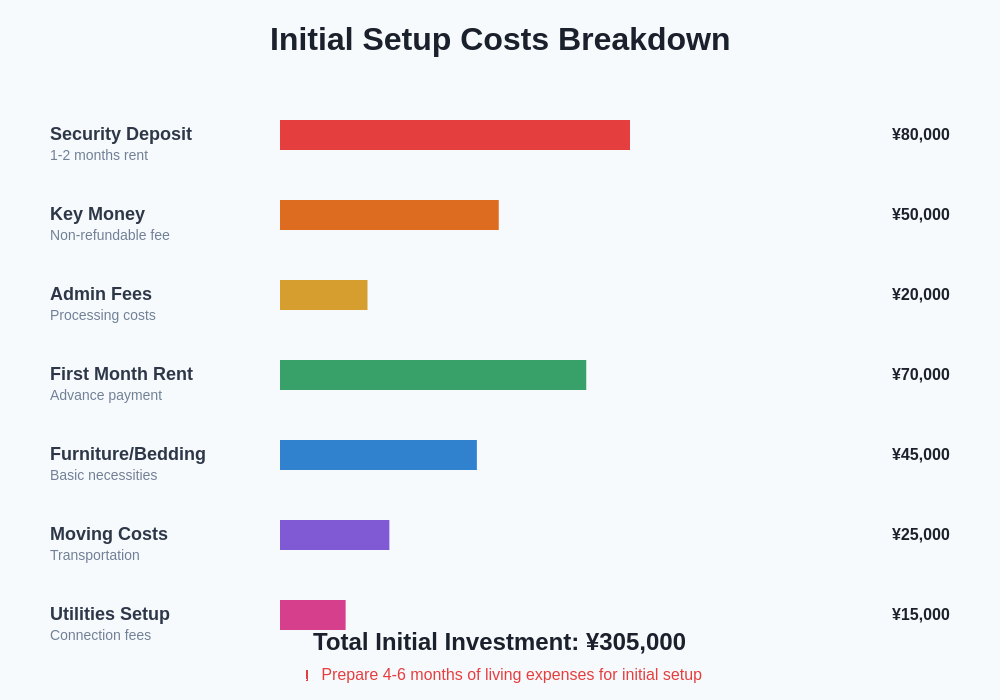
The upfront financial commitment for sharehouse living typically requires liquid capital equivalent to four to eight months of basic living expenses, representing one of the largest financial hurdles that prevents many interested residents from securing their preferred accommodations. What security deposits actually cover in sharehouses explains how these initial payments function and what protections they provide.
Security deposits, key money, and administrative fees create substantial initial cash requirements that vary dramatically between different operators and property types, with luxury sharehouses and prime locations typically demanding higher upfront investments that may not be recoverable until the end of your tenancy period.
Furniture, bedding, and personal equipment costs can add significant expenses during the first few months, particularly for international residents who arrive with limited personal belongings and need to establish complete living setups from scratch in a foreign consumer market with different product standards and pricing structures.
Moving expenses, including international shipping, domestic transportation, and temporary storage, often exceed initial estimates due to unexpected complications, customs delays, or the need for additional services that weren’t included in original cost calculations but become necessary for smooth transition.
Monthly Living Expense Categories
Transportation costs represent one of the most variable and potentially expensive categories in sharehouse budgeting, with monthly train passes, occasional taxi usage, and bicycle maintenance combining to create transportation budgets that can range from minimal amounts for centrally located residents to substantial expenses for those commuting from suburban sharehouses to central Tokyo work or study locations.
Food and dining expenses vary enormously based on cooking habits, dietary restrictions, entertainment preferences, and social integration levels, with residents who primarily cook at home spending significantly less than those who frequently dine out or participate in social eating activities that form important parts of sharehouse community building.
Living costs in Tokyo sharehouses explained provides detailed analysis of how different lifestyle choices impact monthly expense levels and offers strategies for optimizing costs while maintaining quality of life and social engagement.
Personal care, healthcare, and insurance expenses create ongoing monthly obligations that international residents often underestimate, particularly when factoring in the higher costs of familiar products, prescription medications, or specialized services that may not be readily available or covered by Japanese healthcare systems.
Hidden and Unexpected Costs
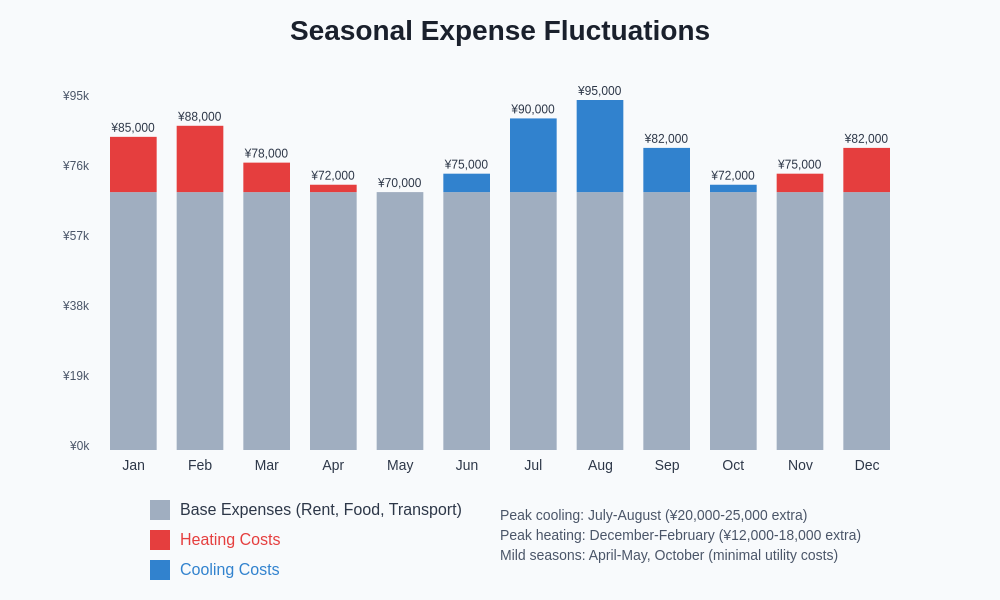
Utility bill fluctuations create some of the most dramatic budget variations in sharehouse living, with air conditioning costs during Tokyo’s brutal summer months potentially doubling or tripling monthly expenses compared to mild spring and fall periods when heating and cooling needs remain minimal.
Replacement and repair costs for personal items, shared equipment, and accidental damages can create unexpected financial obligations that vary unpredictably based on usage patterns, equipment quality, and unfortunate accidents that occur in any shared living environment where multiple people interact with common facilities and equipment.
Understanding utility bills in Japanese sharehouses explains how different billing structures and usage monitoring systems can impact your monthly obligations and provides strategies for managing these variable costs effectively.
Communication and technology expenses extend beyond basic internet access to include mobile phone plans, streaming services, software subscriptions, and equipment upgrades that support both personal entertainment and professional requirements for remote work or study activities.
Geographic Cost Variations
Location within Tokyo dramatically impacts both obvious and hidden expenses, with central areas offering convenience that reduces transportation costs while increasing rent, dining, and entertainment expenses that can offset any savings from reduced commuting requirements. Best Tokyo neighborhoods for sharehouse living examines how different areas affect overall living costs.
Suburban sharehouses typically offer lower rent prices but increase transportation expenses, limit dining and entertainment options, and may require additional investments in bicycles, weather protection, or other equipment necessary for longer commutes and less convenient access to services and amenities.
Cheaper sharehouse options in Tokyo suburbs analyzes the true cost implications of distance from central Tokyo and helps determine whether suburban savings actually result in overall budget improvements when all related expenses are properly calculated.
Neighborhood-specific costs such as grocery prices, service availability, and entertainment options create ongoing expense variations that may not be apparent during initial area evaluation but significantly impact long-term budget sustainability and lifestyle satisfaction.
Income and Employment Considerations
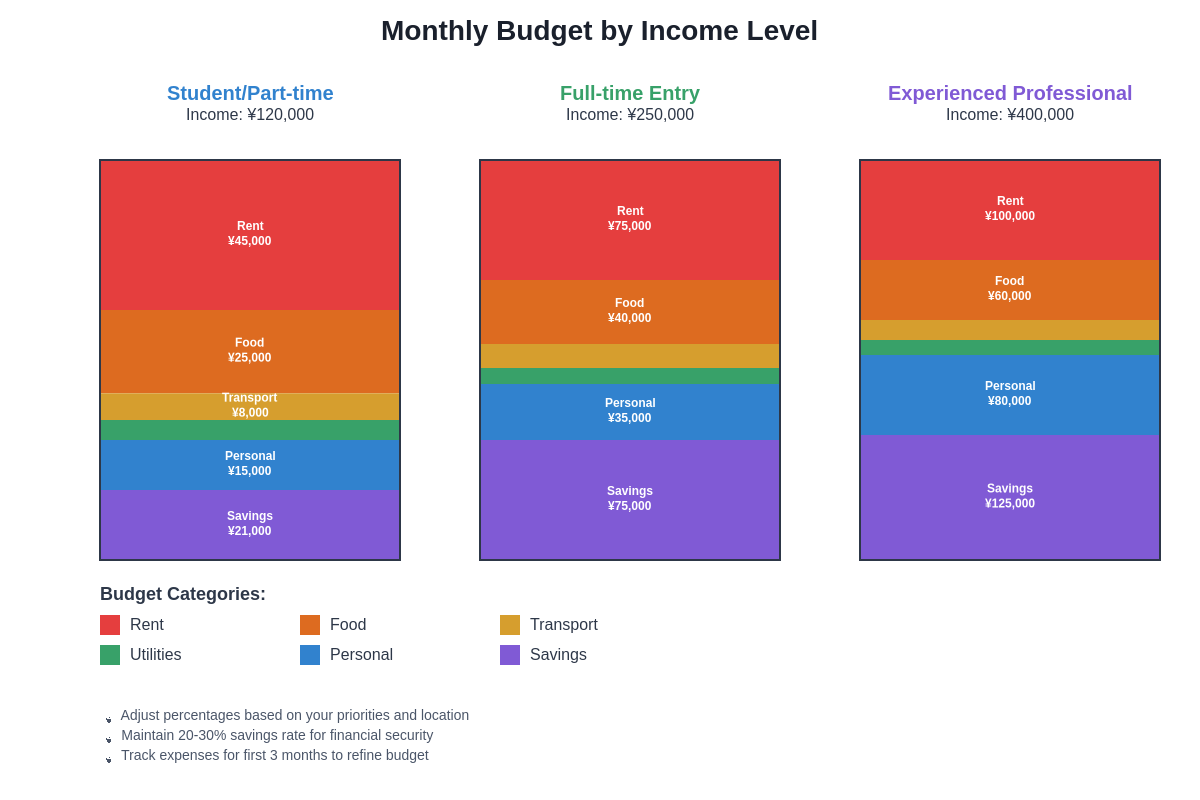
Employment type and income stability directly influence appropriate budget allocations, with full-time employees able to support higher housing costs while part-time workers, students, and freelancers need more conservative budgeting approaches that account for income variability and limited earning potential.
Why part-time income makes applications harder explains how employment status affects both housing approval chances and realistic budget planning for different types of workers and students.
Currency exchange fluctuations create additional budget complexity for international residents whose income originates in foreign currencies, requiring hedging strategies or larger emergency funds to manage periods when exchange rates reduce effective purchasing power.
Tax obligations, pension contributions, and health insurance requirements vary based on visa status and employment type, creating additional mandatory expenses that must be factored into budget calculations but may not be immediately apparent to newcomers unfamiliar with Japanese tax and social insurance systems.
Emergency Fund and Financial Safety
Building adequate emergency reserves becomes particularly crucial for international residents who lack local family support networks and may face unexpected visa issues, medical emergencies, or employment disruptions that require rapid financial responses without access to familiar banking or credit systems.
Emergency fund calculations should account for potential job loss, medical expenses, family emergencies requiring international travel, visa renewal complications, and the possibility of needing to relocate quickly due to housing issues or personal circumstances that commonly affect international residents.
How to actually get your deposit back provides insights into protecting your financial interests during housing transitions and avoiding deposit loss that can strain emergency funds when moving between properties.
Banking fees, international money transfers, and currency conversion costs create ongoing drains on emergency funds that require regular replenishment to maintain adequate financial safety margins for unexpected circumstances.
Seasonal Budget Fluctuations
Tokyo’s distinct seasons create predictable budget cycles that require advance planning and seasonal savings to manage periods of higher expenses without straining monthly cash flow or depleting emergency reserves during predictable high-cost periods.
Summer air conditioning costs, winter heating expenses, and seasonal clothing requirements create quarterly budget spikes that can be managed through advance planning but often catch unprepared residents off guard during their first year of Tokyo residence.
Holiday seasons, festival periods, and vacation times create additional social and travel expenses that contribute to seasonal budget variations while offering opportunities for cultural experiences that justify temporary budget increases when properly planned and saved for in advance.
Transportation costs fluctuate seasonally based on travel patterns, with Golden Week, summer vacation, and New Year periods creating higher expenses for domestic and international travel that many residents want to pursue but need to budget for months in advance.
Cost Optimization Strategies
Meal planning and bulk purchasing strategies can significantly reduce food expenses while supporting social integration through shared cooking activities that build relationships with housemates while reducing individual grocery costs through group purchasing power.
How bulk shopping changes in shared living explains how coordination with housemates can reduce individual expenses while building community relationships through shared resource management.
Transportation optimization through strategic timing, route planning, and alternative transportation methods can substantially reduce monthly commuting costs without significantly impacting convenience or lifestyle quality.
Utility cost management through conscious usage patterns, seasonal adjustments, and coordination with housemates creates opportunities for meaningful expense reduction while developing environmental awareness and community cooperation skills.
Long-term Financial Planning
Rent increases and contract renewal terms affect long-term budget stability, requiring advance planning for potential housing cost increases or the need to relocate to maintain affordable living situations as personal circumstances or market conditions change.
Why rent increases happen in Japanese sharehouses explains the factors that drive housing cost changes and provides strategies for anticipating and managing these financial adjustments.
Career development and income growth potential should inform budget allocation decisions, with investments in language learning, professional development, and networking activities that may reduce short-term available funds but improve long-term earning potential and career opportunities.
Savings goals for future housing transitions, international travel, or repatriation require consistent budget allocation that balances current living quality with future financial objectives and long-term life planning considerations.
Technology and Communication Costs
Internet speed requirements, mobile data allowances, and streaming service subscriptions create monthly technology expenses that vary based on work requirements, entertainment preferences, and communication needs with family and friends in home countries.
Professional software, online courses, and digital tools necessary for career development or remote work create additional technology costs that may be tax-deductible but require upfront investment and ongoing subscription management.
International calling plans, video conferencing services, and social media management tools support maintaining relationships and professional networks across time zones but add to monthly communication expenses that need budget allocation.
Equipment replacement, software updates, and technology upgrades create irregular but predictable expenses that require advance planning to avoid budget disruption when devices fail or require updating for continued functionality.
Social and Entertainment Integration
Community participation costs including group dinners, social events, and cultural activities create opportunities for integration and friendship building but require budget allocation that balances social engagement with financial responsibility and long-term budget sustainability.
Making friends through Tokyo sharehouse communities discusses how social investment supports both personal satisfaction and practical benefits that can reduce other living costs through shared resources and mutual support.
Dating expenses, gift-giving customs, and social obligations create additional budget categories that vary based on personal social goals and cultural integration objectives but represent important investments in quality of life and relationship building.
Entertainment choices between expensive Tokyo attractions and budget-friendly alternatives affect monthly discretionary spending while influencing cultural experience quality and social integration success with both international and Japanese communities.
Building a realistic budget for sharehouse living requires comprehensive understanding of both predictable expenses and variable costs that fluctuate based on personal choices, seasonal changes, and unexpected circumstances. Success depends on creating flexible budget frameworks that accommodate these variations while maintaining financial stability and supporting the lifestyle goals that motivate sharehouse living in the first place. Through careful planning, realistic expectations, and ongoing budget monitoring, residents can create sustainable financial strategies that support long-term success and satisfaction in Tokyo’s dynamic sharehouse communities.
Disclaimer
This article is for informational purposes only and does not constitute professional financial advice. Costs and expenses mentioned are based on general market conditions and may vary significantly based on individual circumstances, location, and market changes. Readers should conduct their own research and consider consulting with financial professionals when making housing and budgeting decisions. Exchange rates, market conditions, and housing policies may change, affecting the accuracy of cost estimates provided.