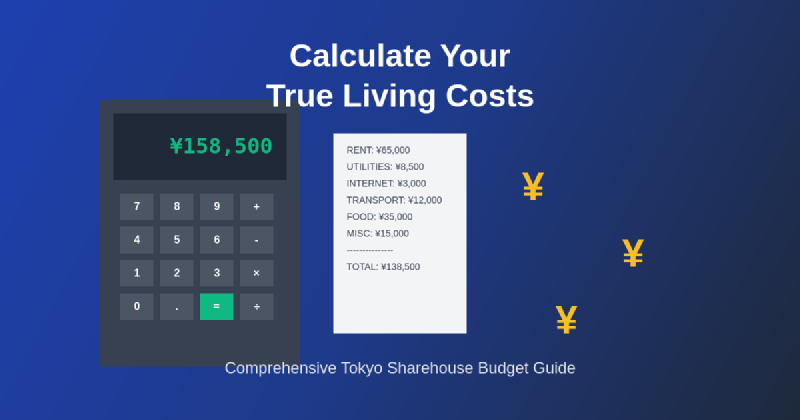
Understanding your true living costs in Tokyo extends far beyond the advertised monthly rent of a sharehouse, encompassing a complex web of expenses that can significantly impact your financial stability and quality of life. Many international residents discover too late that their initial budget calculations were woefully inadequate, leading to financial stress and lifestyle compromises that could have been avoided with proper planning and comprehensive cost analysis.
The art of accurate cost calculation requires systematic evaluation of every expense category, from obvious monthly charges to subtle seasonal variations and unexpected fees that accumulate over time. This comprehensive approach to financial planning empowers you to make informed decisions about your living situation while building sustainable spending habits that support long-term success in one of the world’s most expensive cities.
Understanding the Complete Cost Structure
Tokyo sharehouse living involves multiple layers of expenses that extend well beyond the basic monthly rent figure prominently displayed in advertisements and listings. Living costs in Tokyo sharehouses explained provides foundational insights, but calculating your personal costs requires detailed understanding of how various factors interact with your specific lifestyle and circumstances.
The primary cost categories include direct housing expenses such as rent, utilities, and maintenance fees, but equally important are the indirect costs associated with location, lifestyle choices, and personal preferences that can dramatically affect your monthly financial obligations. Understanding these interconnected cost elements enables more accurate budgeting and prevents the common trap of underestimating true living expenses.
Monthly recurring costs represent the most predictable portion of your budget, including rent, utility bills, internet fees, and transportation passes that remain relatively stable throughout your residency. However, variable costs such as food, entertainment, and personal expenses can fluctuate significantly based on seasonal factors, social activities, and changing lifestyle needs that require careful monitoring and adjustment.
Initial setup costs and one-time fees often represent the largest financial shock for new sharehouse residents, including security deposits, key money, furniture purchases, and administrative fees that can total several months of living expenses. These upfront investments require separate budget planning and can significantly impact your initial financial position in Tokyo.
Breaking Down Direct Housing Expenses
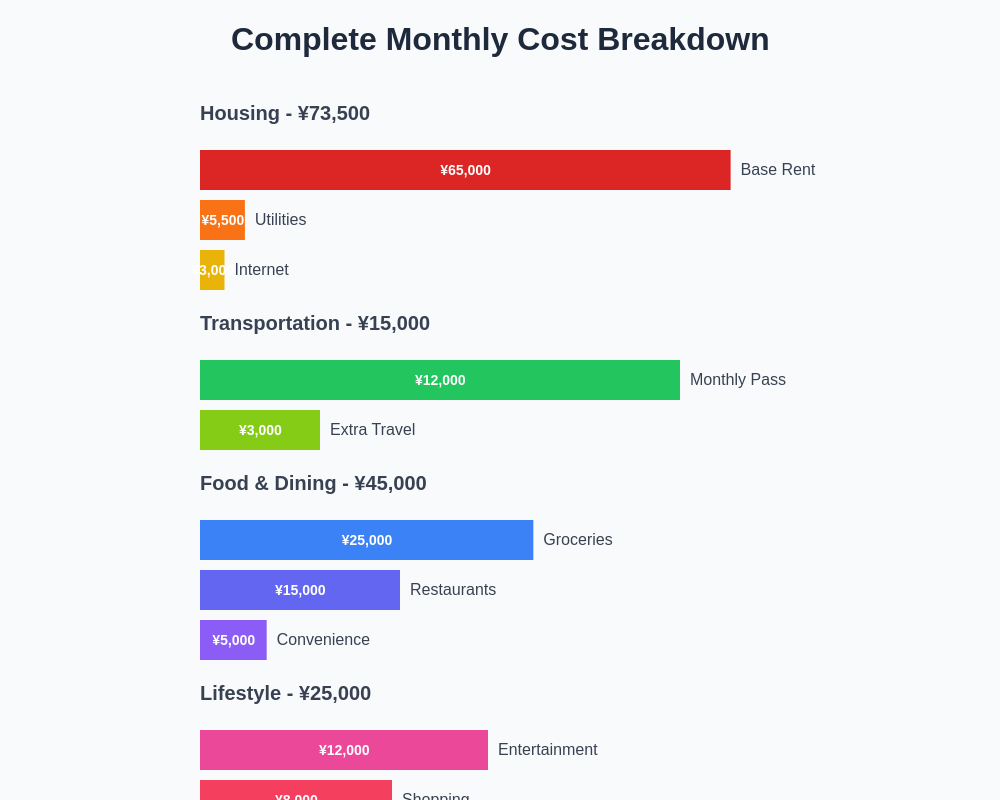
The foundation of any accurate cost calculation begins with thoroughly understanding all direct housing-related expenses that appear on your monthly statements and contracts. How much Tokyo sharehouses really cost per month offers market insights, but your specific costs depend on property type, location, and included services that vary significantly between operators and individual properties.
Base rent typically represents the largest single expense but may or may not include utilities, internet access, cleaning services, and amenity usage that can add substantial amounts to your monthly obligations. Some sharehouses advertise all-inclusive pricing while others charge separately for each service, making direct comparison challenging without detailed analysis of what each price structure actually covers.
Utility costs in Tokyo sharehouses can range from completely included in rent to individually metered charges that fluctuate dramatically based on seasonal usage patterns, particularly during summer cooling and winter heating periods. Understanding utility bills in Japanese sharehouses helps decode these complex billing systems, but accurate budgeting requires understanding your personal usage patterns and seasonal variations.
Internet and communication expenses may be included in rent or charged separately, with quality and speed variations that affect both cost and usability for work, study, or entertainment purposes. Premium internet services, international calling plans, and mobile phone contracts add additional monthly costs that must be factored into your overall budget calculations.
Calculating Transportation and Commute Costs
Transportation expenses in Tokyo can vary dramatically based on your sharehouse location, daily routines, and travel patterns that extend beyond simple commuting to work or school. The extensive train and subway network offers multiple route options with different pricing structures, pass types, and efficiency levels that directly impact both cost and time investment in daily travel.
Monthly transportation passes provide cost savings for regular commuters but require careful calculation to determine optimal pass types and coverage areas that match your actual travel patterns. How commute times impact your quality of life explores the broader implications, but financial planning requires precise understanding of pass costs, coverage limitations, and additional fees for travel outside included zones.
Weekend and leisure travel costs often exceed weekday commuting expenses, particularly for residents who explore Tokyo’s diverse neighborhoods, attend social events, or travel to other cities for tourism and business purposes. These variable transportation costs can significantly impact monthly budgets and require separate planning from regular commuting expenses.
Alternative transportation options such as bicycle ownership, car sharing services, and taxi usage provide flexibility but involve different cost structures and usage patterns that must be evaluated against train travel for both financial and practical considerations. How bicycle ownership affects daily routines highlights non-financial benefits, but accurate budgeting requires understanding all associated costs including purchase, maintenance, parking, and insurance expenses.
Food and Dining Expense Analysis
Food costs represent one of the most variable and controllable aspects of Tokyo living expenses, with choices ranging from budget-conscious home cooking to expensive restaurant dining that can dramatically affect monthly financial obligations. How dietary restrictions impact shared kitchen use addresses practical considerations, but cost calculation requires understanding how cooking habits, dietary preferences, and social dining patterns influence spending.
Grocery shopping strategies significantly impact food costs, with options ranging from discount chains and bulk purchasing to premium supermarkets and specialty stores that cater to different budget levels and quality preferences. How grocery shopping becomes more strategic explores optimization techniques, but accurate budgeting requires tracking actual spending patterns across different shopping approaches and seasonal price variations.
Restaurant and convenience store dining provides convenience but typically costs significantly more than home cooking, particularly for international residents who may prefer familiar foods that command premium prices in Tokyo. Understanding the cost implications of different dining choices enables better budget planning and identifies opportunities for cost reduction without sacrificing nutrition or satisfaction.
Shared meal programs and group buying initiatives within sharehouses can reduce individual food costs through bulk purchasing and shared cooking responsibilities, but require coordination and compromise that may not suit all residents or dietary requirements. Calculating the potential savings requires understanding group dynamics, participation levels, and actual cost divisions that may vary significantly between different sharehouse communities.
Entertainment and Lifestyle Expenses
Entertainment and lifestyle costs in Tokyo can range from minimal expenses for budget-conscious residents to substantial monthly outlays for those who fully embrace the city’s extensive cultural and social offerings. These discretionary expenses often represent the difference between basic survival and enjoyable living, requiring careful balance between financial responsibility and quality of life considerations.
Social activities and cultural events in Tokyo span from free festivals and park activities to expensive concerts, theater performances, and exclusive dining experiences that can significantly impact monthly budgets. Making friends through Tokyo sharehouse communities highlights social benefits, but financial planning requires understanding how social engagement affects spending patterns and budget allocation.
Hobby and recreational expenses can vary dramatically based on personal interests, with some activities requiring significant upfront investments in equipment or membership fees while others involve ongoing monthly costs for classes, facilities, or supplies. Understanding these costs enables better budget planning and helps identify activities that provide good value for money while supporting personal interests and social connections.
Technology and communication expenses beyond basic phone and internet service include entertainment subscriptions, gaming expenses, and device upgrades that can accumulate substantial monthly costs. How streaming service sharing works in practice explores cost-sharing opportunities, but accurate budgeting requires understanding all technology-related expenses and their contribution to overall living costs.
Hidden Costs and Unexpected Expenses
Hidden costs represent one of the most challenging aspects of accurate budget calculation, encompassing fees and expenses that may not be immediately apparent during initial sharehouse research but can significantly impact actual living costs over time. How to spot financial red flags in sharehouse contracts provides warning signs, but comprehensive cost analysis requires understanding all potential hidden expenses.
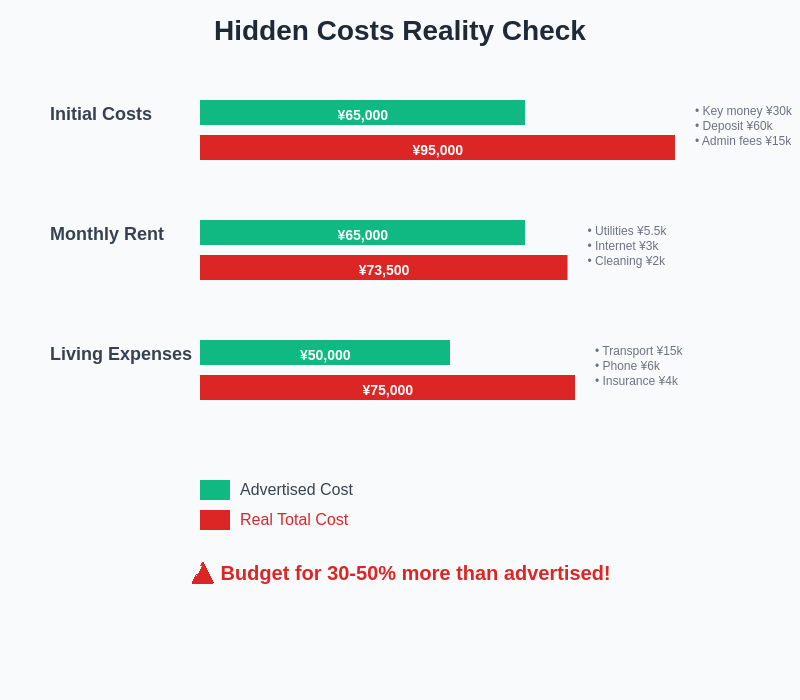
Administrative and processing fees often appear throughout the sharehouse experience, from application processing and contract renewal charges to maintenance requests and early termination penalties that can add unexpected costs to monthly budgets. These fees may be mentioned in contracts but are easily overlooked during initial planning, leading to budget shortfalls when they actually occur.
Seasonal cost variations affect both housing and lifestyle expenses, with summer cooling costs, winter heating bills, and holiday-related expenses creating predictable but often underestimated budget fluctuations. How summer heat makes small rooms unbearable highlights comfort issues, but financial planning requires budgeting for increased utility costs and potential equipment purchases during extreme weather periods.
Emergency and replacement costs for personal items, electronics, and essential services can create significant one-time expenses that disrupt monthly budgets if not properly planned. Building emergency funds and understanding replacement costs for essential items helps maintain financial stability when unexpected expenses occur.
Currency Exchange and International Considerations
International residents face additional cost complexities related to currency exchange rates, international money transfers, and financial services that may not affect domestic residents but can significantly impact overall living expenses. These costs often fluctuate based on global economic conditions and personal financial management strategies that require ongoing attention and optimization.
Banking fees and international transfer costs can accumulate substantial expenses over time, particularly for residents who maintain financial obligations in multiple countries or regularly send money to family members abroad. How banking fees add up for foreign residents explores these challenges, but accurate budgeting requires understanding all financial service costs and identifying optimization opportunities.
Currency exchange rate fluctuations can affect both income and expenses for international residents, creating budget volatility that requires careful monitoring and potentially hedging strategies for significant financial commitments. Understanding how exchange rate movements affect your personal financial situation enables better budget planning and risk management.
Tax obligations and financial reporting requirements may differ for international residents, potentially creating additional costs for professional assistance or specialized software that domestic residents don’t require. How living in sharehouses affects your taxes explores implications, but accurate cost calculation requires understanding all tax-related expenses and professional service fees.
Seasonal and Annual Cost Variations
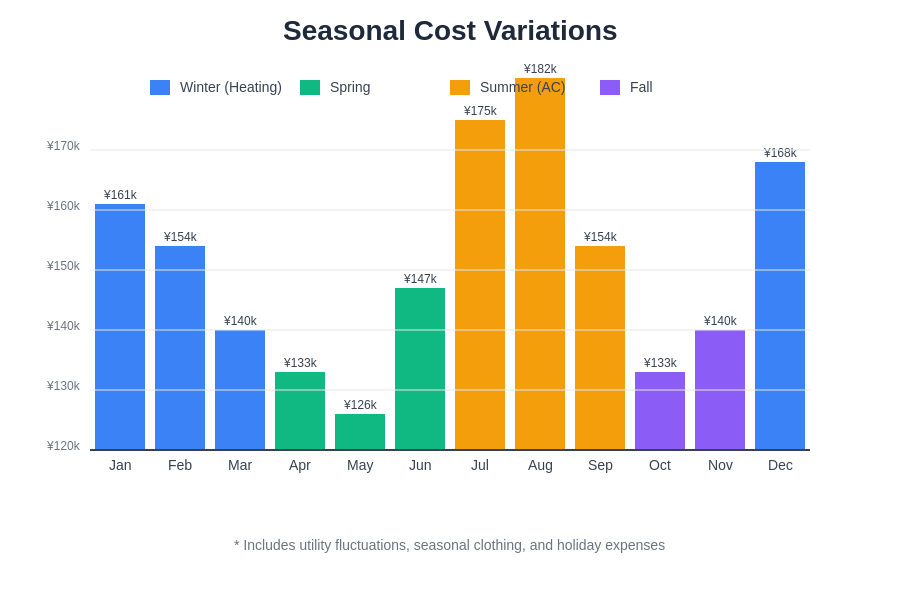
Seasonal cost variations represent predictable but often underestimated budget fluctuations that can significantly impact monthly financial planning if not properly anticipated and managed. Tokyo’s distinct seasons create varying demands on heating, cooling, clothing, and activity expenses that require seasonal budget adjustments and annual planning perspectives.
Utility cost fluctuations during summer and winter months can double or triple normal expenses, particularly in older buildings with less efficient insulation and climate control systems. How air conditioning bills spike in summer highlights specific challenges, but accurate budgeting requires understanding your specific building’s efficiency and your personal comfort requirements during extreme weather periods.
Holiday and celebration expenses throughout the year include both Japanese cultural events and international holidays that may involve gift-giving, special meals, travel, or other activities that increase monthly spending. How cultural festivals affect house activities explores cultural aspects, but financial planning requires budgeting for increased expenses during celebration periods.
Annual renewal and replacement costs for various services, memberships, and personal items create predictable but infrequent expenses that can strain monthly budgets if not properly planned. Understanding these annual cost cycles enables better monthly budget allocation and prevents financial stress when large annual expenses come due.
Building Your Personal Cost Calculation System
Developing an effective personal cost calculation system requires systematic tracking of all expense categories combined with regular analysis and adjustment to maintain accuracy and relevance as circumstances change. This systematic approach transforms budgeting from guesswork into data-driven financial management that supports better decision-making and long-term financial stability.
Expense tracking methods range from simple spreadsheets and notebook systems to sophisticated mobile apps and financial software that can automatically categorize and analyze spending patterns. The key is finding a system that you will actually use consistently while providing sufficient detail to identify cost patterns and optimization opportunities.
Monthly budget reviews and adjustments ensure that your cost calculations remain accurate and relevant as your lifestyle, income, and circumstances evolve over time. Regular analysis of actual expenses versus budgeted amounts reveals areas where estimates were inaccurate and helps refine future budget projections for improved accuracy.
Long-term financial planning extends beyond monthly cost calculation to include annual goals, emergency fund targets, and major expense planning that supports overall financial health and stability. How to budget realistically for sharehouse living provides broader planning context, but effective cost calculation requires understanding how monthly expenses fit into longer-term financial objectives and life goals.
Optimization Strategies and Cost Reduction
Once you have established accurate cost calculations, identifying optimization opportunities enables cost reduction without sacrificing quality of life or essential needs. These strategies require understanding which expenses are truly necessary versus those that can be reduced or eliminated through alternative approaches or lifestyle adjustments.
Shared resource utilization within sharehouses can reduce individual costs for internet service, streaming subscriptions, household supplies, and kitchen equipment through coordinated purchasing and usage agreements. How group buying power reduces individual costs explores these opportunities, but successful implementation requires understanding group dynamics and developing fair cost-sharing systems.
Alternative service providers and shopping strategies can significantly reduce monthly expenses without reducing quality or convenience, particularly for telecommunications, insurance, and regular purchase items that offer competitive alternatives. Research and comparison shopping can identify substantial savings opportunities that compound over time into significant cost reductions.
Lifestyle adjustments and habit changes can reduce expenses while potentially improving health, environmental impact, or personal satisfaction through more mindful consumption and activity choices. Understanding which lifestyle changes provide both cost savings and personal benefits creates sustainable approaches to expense reduction that support long-term financial health.
The journey toward accurate cost calculation and effective budget management represents an essential skill for successful Tokyo living that extends far beyond simple expense tracking to encompass comprehensive financial literacy and life planning. Through systematic analysis, regular monitoring, and continuous optimization, you can achieve financial stability while fully enjoying the extraordinary opportunities that Tokyo sharehouse living provides for personal growth, cultural exchange, and international experience.
Disclaimer
This article is for informational purposes only and does not constitute professional financial advice. Living costs in Tokyo can vary significantly based on individual circumstances, lifestyle choices, and market conditions. Readers should conduct their own research and consider consulting with financial professionals when making budgeting decisions. The effectiveness of cost calculation methods may vary depending on personal financial situations and spending habits.