Finding the perfect sharehouse in Tokyo represents one of the most crucial decisions for anyone planning to live in Japan’s bustling capital city. The complexity of navigating Tokyo’s housing market as a foreigner, combined with cultural nuances and language barriers, makes this process particularly challenging yet incredibly rewarding when approached with the right knowledge and preparation. This comprehensive guide will walk you through every essential step of securing your ideal living situation in one of the world’s most dynamic cities.
The sharehouse living experience in Tokyo offers unparalleled opportunities for cultural immersion, cost-effective accommodation, and building meaningful international friendships that can last a lifetime. Understanding the intricacies of Tokyo’s sharehouse market will empower you to make informed decisions that align with your personal goals, financial situation, and lifestyle preferences while avoiding common pitfalls that often trap unprepared newcomers.
Understanding Tokyo’s Sharehouse Landscape
Tokyo’s sharehouse market has evolved dramatically over the past decade, transforming from a niche accommodation option into a mainstream housing solution that attracts thousands of international residents annually. The diversity of available sharehouses spans from budget-friendly dormitory-style arrangements in suburban areas to luxurious co-living spaces in prime central locations, each catering to different demographics and lifestyle preferences.
The geographical distribution of sharehouses across Tokyo reflects the city’s complex urban structure, with concentrations in areas that offer optimal balances between affordability, transportation access, and cultural vibrancy. Understanding the best Tokyo neighborhoods for sharehouse living becomes essential for narrowing down your search parameters and identifying areas that match your specific needs and preferences.
Modern sharehouses in Tokyo typically range from traditional Japanese-style buildings that have been converted into shared living spaces to purpose-built facilities designed specifically for international co-living. The amenities and services offered vary significantly, with some providing basic accommodation while others include comprehensive support services such as furniture rental, utility management, and even career counseling for residents.
Establishing Your Budget and Financial Framework
Creating a realistic budget framework represents the foundation of any successful sharehouse search in Tokyo, requiring careful consideration of both obvious costs and hidden expenses that can significantly impact your monthly financial obligations. Understanding how much Tokyo sharehouses really cost per month provides essential insights into the true financial commitment involved in sharehouse living.
The basic rent structure in Tokyo sharehouses typically includes the monthly room fee, but additional costs such as utility bills, internet fees, cleaning charges, and maintenance expenses can add substantial amounts to your monthly budget. Security deposits, key money, and initial setup fees often require significant upfront investments that can range from two to six months of rent, depending on the specific property and management company policies.
Beyond accommodation costs, your budget should account for transportation expenses, which can vary dramatically based on your chosen location’s proximity to work, study, or social activities. Living costs in Tokyo sharehouses explained offers detailed breakdowns of typical monthly expenses that residents can expect across different types of sharehouses and neighborhoods.
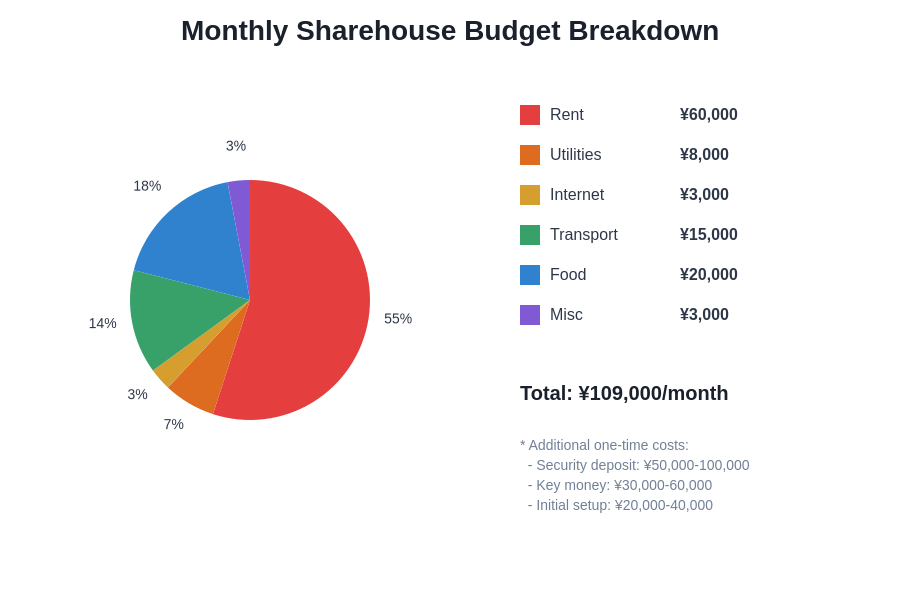
International residents must also consider currency exchange fluctuations, international money transfer fees, and the financial implications of visa status changes that could affect long-term housing stability. Building a financial cushion that covers at least three to six months of living expenses provides security and flexibility during the initial adjustment period and any unexpected circumstances that may arise.
Navigating Neighborhood Selection and Location Strategy
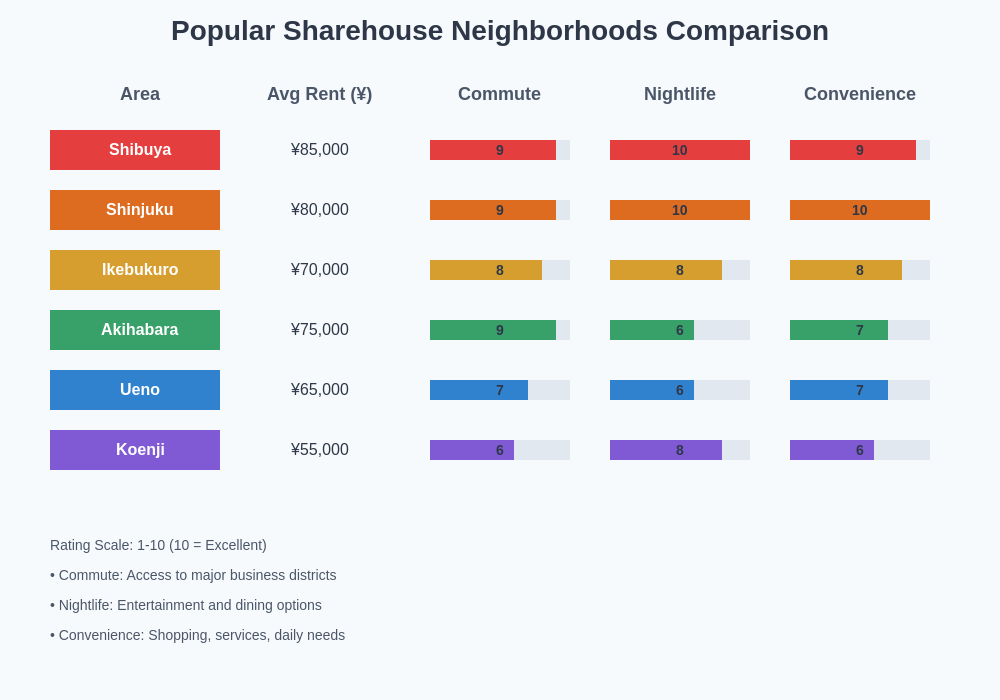
Tokyo’s vast metropolitan area encompasses numerous districts, each offering distinct characteristics, cultural atmospheres, and practical advantages that can dramatically influence your daily living experience. The selection of your sharehouse neighborhood requires careful evaluation of factors including commute convenience, local amenities, cultural environment, safety considerations, and long-term lifestyle compatibility.
Central Tokyo areas such as Shibuya, Shinjuku, and Harajuku offer unparalleled access to entertainment, dining, and cultural experiences but typically command premium prices that may exceed budget constraints for many international residents. Business district sharehouses near Tokyo Station provide excellent access to major commercial areas but may lack the residential charm and community atmosphere that many sharehouse seekers prefer.
Suburban neighborhoods often provide more affordable options while maintaining reasonable access to central Tokyo through the extensive train network. Cheaper sharehouse options in Tokyo suburbs explores how distance from city center affects both pricing and quality of life, helping you identify areas that offer optimal value for your specific circumstances.
The proximity to universities, language schools, and major employers can significantly influence neighborhood demographics and social dynamics within local sharehouses. Student sharehouses near top Tokyo universities provides valuable insights for academic residents, while professionals may benefit from areas with established international business communities.
Researching Sharehouse Options and Platforms
The digital landscape of sharehouse hunting in Tokyo encompasses numerous platforms, websites, and services that cater to different market segments and resident preferences. Understanding how to effectively utilize these resources while recognizing their limitations and potential biases will significantly improve your search efficiency and outcome quality.
Major sharehouse operators such as Oakhouse, Share Style, and Borderless House maintain extensive online platforms with detailed property listings, virtual tours, and comprehensive information about amenities and house rules. These established companies often provide additional services such as English-language support, international resident communities, and standardized quality assurance that can benefit newcomers to Tokyo.
Independent sharehouses and smaller operators may offer more personalized experiences and unique living environments but require more thorough research and direct communication to understand their specific characteristics and requirements. Online review platforms, social media groups, and resident testimonials provide valuable insights into actual living conditions and management quality that may not be apparent from official marketing materials.
Real stories from Tokyo sharehouse residents offers authentic perspectives on various properties and operators, helping you identify potential red flags and positive indicators that align with your expectations and preferences.
Understanding Application Requirements and Documentation
The application process for Tokyo sharehouses involves specific documentation requirements and procedures that can vary significantly between operators and individual properties. What documents you need for Tokyo sharehouse applications provides comprehensive guidance on preparing the necessary paperwork and understanding each document’s purpose and requirements.
Visa status and residency documentation play crucial roles in application approval, with different visa types carrying varying levels of perceived stability and risk from property managers’ perspectives. Work visas, student visas, and working holiday visas each present different advantages and challenges during the application process, requiring tailored approach strategies for optimal success rates.
Financial verification requirements typically include employment documentation, bank statements, and sometimes guarantor arrangements that can be particularly challenging for international applicants without established Japanese credit history or local connections. Understanding alternative verification methods and building relationships with sharehouse operators can help overcome these common obstacles.
The timeline for application processing and approval can range from same-day decisions to several weeks of evaluation, depending on property demand, applicant qualifications, and operator policies. Planning your application timeline with adequate buffer time prevents rushed decisions and allows for multiple application submissions if necessary.
Evaluating Property Quality and Living Conditions
Thorough property evaluation requires systematic assessment of both visible conditions and underlying factors that affect daily living quality and long-term satisfaction. Physical inspection of rooms, common areas, and building facilities provides essential information about cleanliness standards, maintenance quality, and overall property management effectiveness.
Room size and layout considerations extend beyond basic square footage to include storage capacity, natural light availability, privacy levels, and furniture quality that directly impact daily comfort and functionality. Japanese sharehouse rules every foreigner should know helps understand space usage expectations and cultural norms that influence living arrangements.
Common area facilities such as kitchens, bathrooms, and recreational spaces require careful evaluation of capacity relative to resident numbers, equipment quality, and cleanliness maintenance systems. The availability and condition of essential appliances, internet infrastructure, and utility systems can significantly affect daily convenience and additional expense requirements.
Security features including building access controls, room locks, surveillance systems, and neighborhood safety characteristics contribute to overall living comfort and personal security. Understanding local crime statistics and emergency procedures provides additional context for evaluating property safety and management preparedness.
Assessing Community Dynamics and Resident Compatibility
The social environment within a sharehouse often determines overall satisfaction levels more significantly than physical amenities or location advantages. Making friends through Tokyo sharehouse communities explores how different house cultures and resident demographics create varying social experiences and friendship opportunities.
Age distribution, nationality mix, and resident turnover rates provide insights into community stability and social dynamics that affect daily interactions and long-term relationship building. Houses with balanced international representation often offer richer cultural exchange opportunities, while nationality-specific concentrations may provide comfort through shared language and cultural understanding.
Professional backgrounds and lifestyle preferences among residents influence house atmosphere, activity levels, and compatibility with your personal schedule and social preferences. Living with Japanese roommates in Tokyo sharehouses offers valuable insights into cross-cultural living dynamics and communication strategies.
Communication styles, conflict resolution approaches, and house rule enforcement mechanisms vary significantly between different sharehouses and can dramatically affect daily stress levels and community harmony. Understanding these dynamics before committing to a property helps ensure compatibility with your personality and lifestyle preferences.
Navigating Contracts and Legal Considerations
Sharehouse contracts in Tokyo involve specific legal structures and terminology that can be challenging for international residents to navigate without proper guidance. Understanding contract terms, renewal procedures, and termination requirements protects your interests and prevents costly misunderstandings during your residency period.
Contract terms that are more important than advertised prices highlights critical clauses and conditions that can significantly impact your financial obligations and living flexibility beyond the basic monthly rent amount.
Security deposit policies, damage assessment procedures, and deposit return processes vary widely between operators and require careful attention to avoid unexpected charges at the end of your tenancy. How to actually get your deposit back provides practical strategies for protecting your financial interests throughout the rental relationship.
Early termination penalties, subletting restrictions, and lease transfer options can affect your flexibility to respond to changing circumstances such as job changes, relationship developments, or travel opportunities. Understanding these limitations before signing helps avoid costly complications during unexpected life changes.
Managing the Viewing and Decision Process
Effective property viewing requires systematic preparation and evaluation criteria that enable objective comparison between different options while accounting for emotional and practical factors that influence long-term satisfaction. Creating standardized evaluation forms and question lists ensures comprehensive assessment of each property’s advantages and disadvantages.
Virtual tours and online information provide valuable preliminary screening but cannot replace in-person visits for assessing actual conditions, neighborhood atmosphere, and resident interactions. Scheduling multiple viewings within concentrated time periods allows for direct comparison while properties remain fresh in memory.
Meeting current residents during viewings provides authentic insights into daily living experiences, management responsiveness, and community dynamics that may not be apparent from official presentations. Asking specific questions about challenges, satisfaction levels, and recommendations helps identify potential issues and advantages.
Decision timing considerations balance thorough evaluation with market dynamics and property availability, particularly during peak seasons when desirable properties may have multiple interested applicants. Having backup options and clear decision criteria prevents rushed choices while ensuring you don’t miss excellent opportunities.
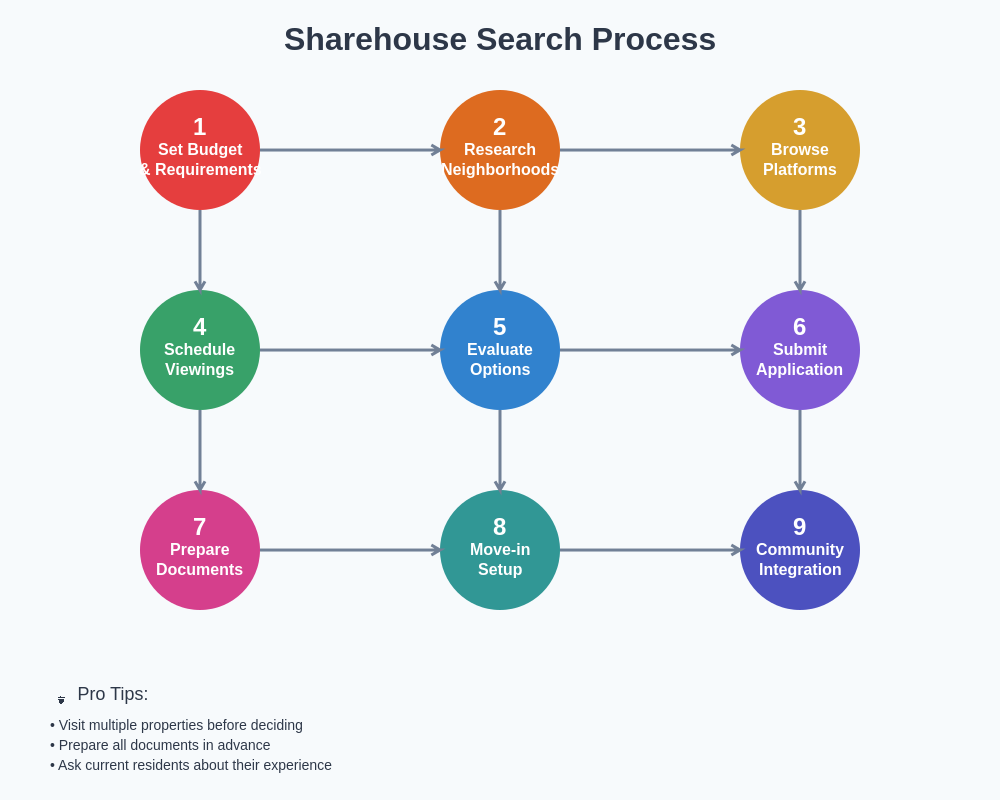
This systematic approach ensures you cover all essential steps while maintaining momentum throughout your search process. Each phase builds upon the previous one, creating a comprehensive evaluation framework that leads to informed decision-making.
Avoiding Common Pitfalls and Red Flags
Experience from thousands of international residents reveals consistent patterns of problems and warning signs that can help newcomers avoid costly mistakes and disappointing living situations. How to spot financial red flags in sharehouse contracts provides essential guidance for identifying potentially problematic financial arrangements and hidden costs.
Unrealistic pricing that seems too good to be true often indicates hidden fees, poor conditions, or problematic management practices that can create significant difficulties during your residency. Thoroughly investigating any unusually attractive offers helps identify legitimate opportunities while avoiding potential scams or misleading advertisements.
Poor communication responsiveness from property managers or operators during the application process often indicates ongoing management issues that can affect maintenance, problem resolution, and general support quality throughout your tenancy. Testing communication channels and response times provides valuable insights into management quality and reliability.
Overcrowded facilities, inadequate maintenance, and unclear house rules often result from profit-focused operators who prioritize occupancy rates over resident satisfaction and property quality. Recognizing these indicators during viewing and research phases prevents commitment to unsatisfactory living situations.
Preparing for Move-in and Initial Setup
Successful transition into your chosen sharehouse requires careful preparation of logistics, documentation, and personal items that facilitate smooth settlement and rapid integration into your new living environment. What moving out really costs in Tokyo sharehouses provides insights that apply equally to move-in preparation and budget planning.
Essential item preparation includes identifying what’s provided by the sharehouse versus what you need to purchase or bring, with particular attention to personal electronics, clothing storage solutions, and specialized items that may be expensive or difficult to find in Japan. Understanding electrical compatibility, size constraints, and local availability helps optimize your packing and shopping strategies.
Administrative setup procedures include resident registration, bank account establishment, and utility account arrangements that may be required or beneficial for smooth daily operations. Understanding utility bills in Japanese sharehouses explains common arrangements and your responsibilities in various billing systems.
Cultural preparation and expectation setting help minimize adjustment difficulties and cultural misunderstandings that can affect early relationships with housemates and overall satisfaction. Learning basic Japanese phrases, understanding common etiquette expectations, and preparing for cultural differences creates foundation for positive community integration.
Long-term Success Strategies and Community Integration
Building successful long-term sharehouse experiences requires active engagement with community activities, respectful adherence to house rules and cultural norms, and proactive communication that contributes to positive house atmosphere and mutual respect among residents.
Developing cultural sensitivity and cross-cultural communication skills enhances relationship building and reduces potential conflicts that can arise from different backgrounds, expectations, and communication styles. Participating in house activities, cultural celebrations, and community events creates opportunities for meaningful friendships and cultural learning experiences.
Maintaining flexibility and adaptability while clearly communicating your needs and boundaries helps navigate the inevitable challenges and changes that occur in shared living environments. How to handle roommate conflicts without moving out provides practical strategies for addressing issues constructively and maintaining positive relationships.
Regular evaluation of your living situation and changing needs ensures that your sharehouse continues to meet your evolving requirements and goals. Understanding when and how to make changes, whether through internal room transfers, house rule discussions, or eventual relocation, maintains alignment between your living situation and personal development throughout your Tokyo experience.
The journey of finding and thriving in the perfect Tokyo sharehouse represents an investment in personal growth, cultural understanding, and international friendships that extend far beyond simple accommodation needs. With proper preparation, realistic expectations, and commitment to community integration, your sharehouse experience can become one of the most rewarding and transformative aspects of living in Japan’s extraordinary capital city.
Disclaimer
This article is for informational purposes only and does not constitute professional legal or financial advice. The sharehouse market in Tokyo is constantly evolving, and specific requirements, pricing, and availability may change. Readers should conduct their own research and consult with relevant professionals when making housing decisions. The effectiveness of strategies mentioned may vary depending on individual circumstances, market conditions, and specific property requirements.