Living in a Tokyo sharehouse inevitably brings roommate conflicts that test your patience, communication skills, and cultural adaptability in ways that can either strengthen your international living experience or drive you to expensive emergency relocations. The reality of shared living spaces means that personality clashes, cultural misunderstandings, and lifestyle differences will emerge regardless of how carefully you selected your accommodation or how well you initially connected with your housemates.
Understanding how to navigate these inevitable challenges without abandoning your living situation saves both money and emotional energy while developing invaluable life skills that extend far beyond sharehouse living. The strategies for successful conflict resolution in multicultural environments require patience, empathy, and systematic approaches that acknowledge both individual needs and community harmony within the unique context of Japanese housing culture.
Understanding the Root Causes of Sharehouse Conflicts
Most roommate conflicts in Tokyo sharehouses stem from fundamental differences in cultural backgrounds, personal habits, and communication styles that become magnified in close living quarters where privacy is limited and personal space is shared. Cultural differences that affect friendship building play significant roles in how conflicts develop and escalate, often starting with small misunderstandings that compound over time.
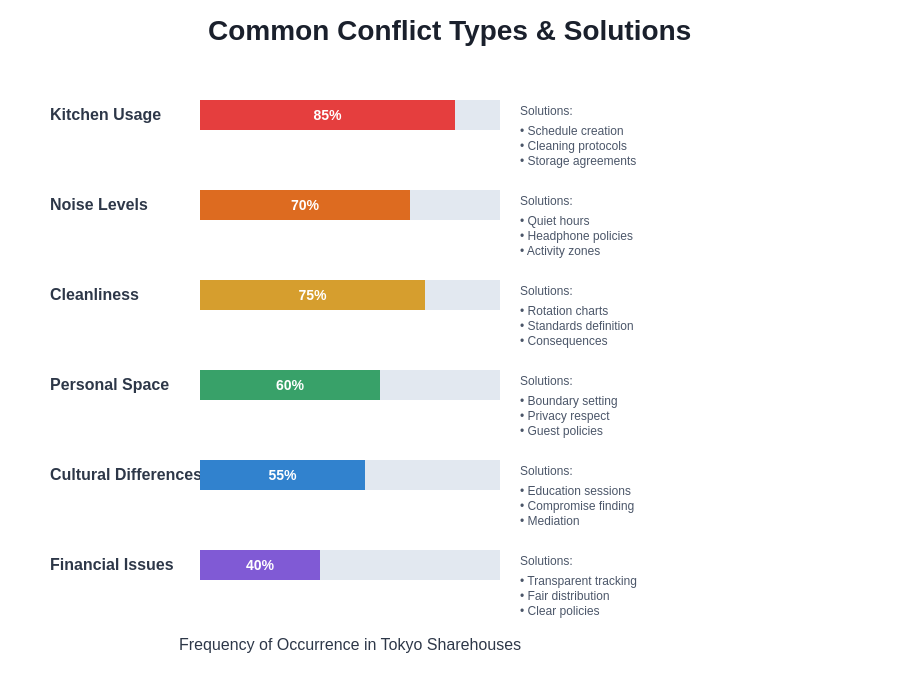
Daily routine conflicts represent the most common source of tension, involving disagreements about kitchen usage timing, bathroom schedules, cleaning responsibilities, and noise levels that reflect different cultural norms about shared space etiquette. These seemingly minor issues can escalate quickly when residents feel their basic needs for comfort and convenience are being compromised by inconsiderate behavior from housemates.
Financial disputes often emerge around shared expenses, utility usage, and common area supplies, particularly when residents have different economic backgrounds or spending philosophies that affect their willingness to contribute to group purchases or maintenance costs. How shared expense apps create new problems illustrates how modern solutions sometimes complicate rather than resolve financial disagreements.
Communication barriers compound these fundamental differences, creating situations where well-intentioned residents inadvertently offend or frustrate their housemates through misunderstood messages, cultural assumptions, or language limitations that prevent clear expression of needs and boundaries.
Recognizing Early Warning Signs
Successful conflict prevention requires developing sensitivity to subtle changes in house dynamics and individual behaviors that indicate growing tension before situations reach crisis points that demand immediate intervention or emergency solutions. Early warning signs often manifest as changes in common area usage patterns, decreased participation in group activities, or passive-aggressive behaviors that signal underlying dissatisfaction.
Communication changes represent crucial indicators, including shortened conversations, avoided eye contact, delayed responses to messages, or increased reliance on written communication where face-to-face interaction previously occurred naturally. These shifts suggest that residents are beginning to withdraw from normal social interactions due to unresolved concerns or growing resentment.
Territorial behaviors around personal belongings, kitchen space, or bathroom usage often indicate that residents feel their boundaries are being violated or their needs are not being respected by other housemates. How personal space needs vary dramatically explains how different cultural backgrounds create varying expectations about appropriate space usage and privacy requirements.
Increased complaints about house rules, facility conditions, or management policies may actually reflect displaced frustration with specific roommate behaviors that residents feel unable to address directly. Understanding these indirect expressions of conflict helps identify the real issues that need attention before they escalate into serious confrontations.
Developing Cultural Sensitivity and Communication Skills
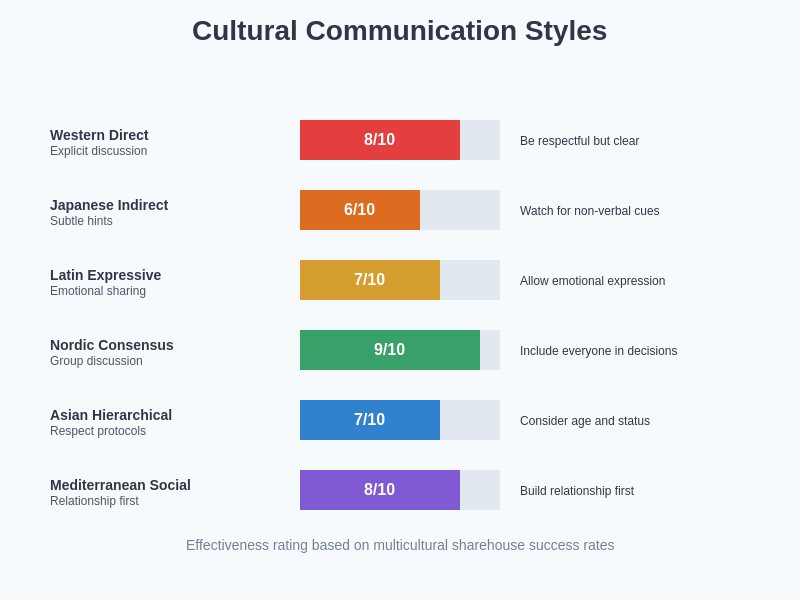
Effective conflict resolution in multicultural sharehouses requires developing deeper understanding of different communication styles, cultural values, and social norms that influence how various nationalities approach disagreement and problem-solving. How cultural communication styles create misunderstandings provides essential insights into these fundamental differences.
Direct versus indirect communication preferences vary significantly between cultures, with some residents expecting explicit discussion of problems while others prefer subtle hints or intermediary approaches that avoid direct confrontation. Learning to recognize these different styles prevents misinterpretation of intentions and enables more effective dialogue strategies.
Hierarchical versus egalitarian social structures influence how residents approach authority, age differences, and decision-making processes within the house community. Understanding these cultural frameworks helps navigate situations where residents may have conflicting expectations about leadership roles, respect protocols, or group consensus requirements.
Time orientation differences affect how various cultures approach problem-solving timelines, with some preferring immediate resolution while others value extended reflection periods before addressing sensitive issues. Respecting these different temporal approaches prevents frustration and enables more culturally appropriate conflict resolution processes.
Implementing Structured Dialogue Techniques
Structured conversation approaches provide frameworks for addressing conflicts systematically while ensuring that all parties have opportunities to express their perspectives and work toward mutually acceptable solutions. These techniques become particularly valuable when language barriers or cultural differences complicate natural communication flow.
The active listening protocol involves dedicated time periods where each participant speaks without interruption while others focus entirely on understanding their perspective, followed by reflection periods where listeners summarize what they heard to confirm accurate comprehension. This approach prevents common escalation patterns where participants focus on preparing rebuttals rather than truly understanding opposing viewpoints.
Issue identification sessions separate emotional reactions from underlying practical problems, helping participants distinguish between personal frustrations and specific behavioral changes that could improve living conditions for everyone involved. This separation enables more productive problem-solving by focusing on actionable solutions rather than personality conflicts.
Collaborative solution development involves brainstorming multiple approaches to identified problems while evaluating each option’s feasibility and fairness to all affected parties. How conflict resolution styles differ by culture explains how different backgrounds influence preferred solution types and implementation strategies.
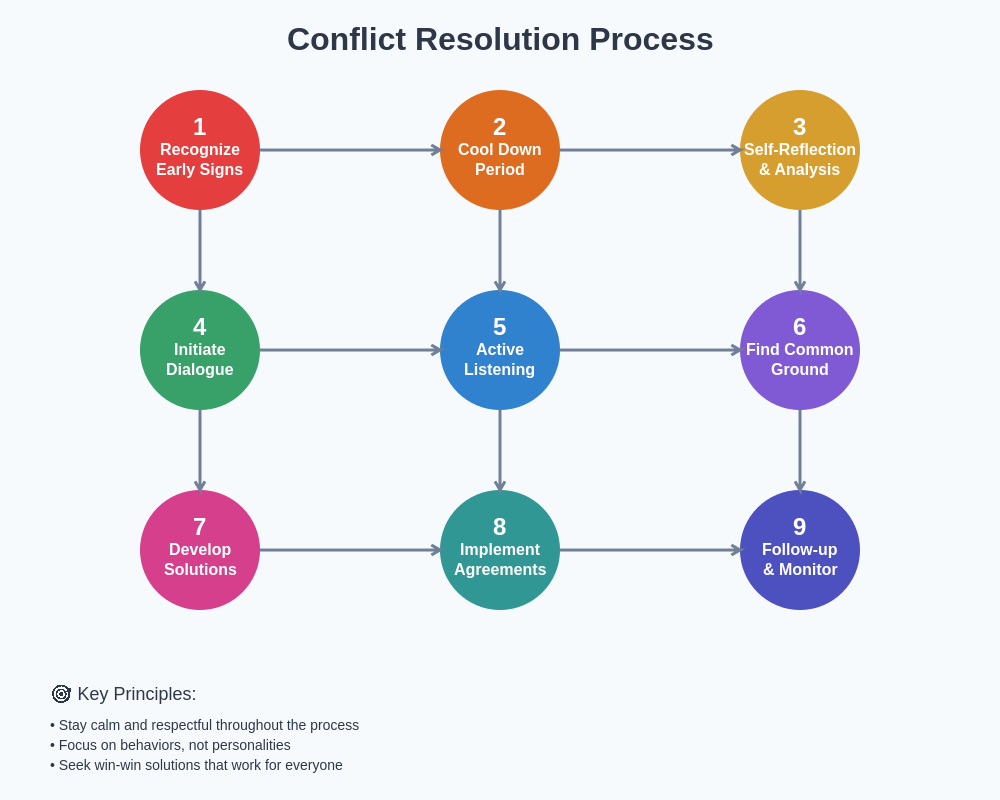
This systematic approach ensures that all parties have opportunities to express their concerns while working toward sustainable solutions that address root causes rather than merely managing symptoms.
Establishing Clear Boundaries and Expectations
Successful conflict resolution requires establishing explicit agreements about acceptable behaviors, shared responsibilities, and personal boundaries that prevent future misunderstandings while respecting individual differences and cultural values. These agreements work best when developed collaboratively rather than imposed unilaterally by frustrated residents.
Personal space boundaries include specific agreements about room privacy, personal belongings access, guest policies, and quiet hours that acknowledge different lifestyle preferences while ensuring that all residents can maintain basic comfort levels. Written documentation of these agreements prevents later disputes about what was actually decided during emotional discussions.
Shared space protocols cover kitchen usage schedules, cleaning responsibilities, common area activities, and storage arrangements that enable efficient coexistence while minimizing daily friction points. How kitchen politics actually work in Japanese sharehouses offers insights into practical arrangements that prevent ongoing disputes.
Communication standards establish preferred methods for addressing future concerns, requesting changes, or expressing dissatisfaction before problems escalate into serious conflicts. These standards should account for different cultural comfort levels with direct confrontation while ensuring that important issues receive appropriate attention.
Managing Emotional Responses and Stress
Conflict situations naturally generate strong emotional responses that can cloud judgment and escalate minor disagreements into major confrontations if not managed effectively through conscious emotional regulation techniques and stress management strategies. Developing these skills benefits all aspects of international living beyond roommate relationships.
Emotional awareness involves recognizing your own stress signals, trigger points, and reactive patterns that may contribute to conflict escalation, while also developing sensitivity to similar responses in your housemates that indicate when discussions should be postponed or approached differently.
Stress reduction techniques include physical exercise, meditation practices, temporary space separation, and external social activities that provide emotional outlets and perspective maintenance during challenging periods. How stress management techniques become necessary explores various approaches that work well in shared living environments.
Perspective maintenance involves regularly reminding yourself of positive aspects of your living situation, temporary nature of most conflicts, and long-term benefits of developing conflict resolution skills that will serve you throughout your international experience and future relationships.
Utilizing Mediation Resources and Support Systems
When direct dialogue approaches prove insufficient for resolving complex conflicts, various mediation resources and support systems can provide neutral assistance while helping maintain relationships and avoid costly relocation expenses. Understanding these options before crises develop enables faster access when needed.
House management mediation services vary significantly between different sharehouse operators, with some providing comprehensive conflict resolution support while others offer minimal intervention capabilities. How legal disputes get resolved in sharehouses explains the formal processes available when informal approaches fail.
Peer mediation involves recruiting neutral housemates or friends to facilitate discussions when direct communication becomes too emotionally charged or culturally complicated for the involved parties to manage independently. This approach often works well because peer mediators understand the living situation context while maintaining objectivity about specific disputes.
Professional counseling resources include cultural adaptation specialists, international resident support organizations, and conflict resolution professionals who understand the unique challenges of multicultural living environments and can provide specialized guidance for complex situations.
External support networks through international communities, language exchange groups, and expatriate organizations provide emotional support and practical advice from others who have successfully navigated similar challenges in Japanese living situations.
Creating Positive House Culture and Prevention Strategies
Long-term conflict prevention requires proactive development of positive house culture that celebrates diversity while establishing shared values and practices that minimize friction sources and strengthen community bonds among residents from different backgrounds.
Regular house meetings provide structured opportunities for addressing minor concerns before they escalate while also sharing positive experiences, planning group activities, and making collective decisions about house improvements or policy changes. How social hierarchies develop naturally explains how these meetings can prevent problematic power dynamics.
Cultural celebration events create opportunities for residents to share their backgrounds, teach others about their customs, and build appreciation for diversity that makes conflicts feel less personal and more like learning opportunities. These events also provide positive shared experiences that strengthen relationships during challenging periods.
Shared project initiatives such as house improvements, group cooking events, or community service activities build cooperation skills and create positive memories that residents can reference during difficult discussions. How group travel planning becomes complicated shows how collaborative planning skills transfer across different contexts.
Recognition systems for positive behaviors, helpful contributions, and successful conflict resolution efforts reinforce desired community standards while encouraging residents to continue investing in house harmony rather than withdrawing during challenging periods.
Knowing When Professional Help is Needed
Despite best efforts at conflict resolution, some situations require professional intervention or external assistance to prevent serious escalation that could threaten safety, violate legal requirements, or create conditions that make continued cohabitation impossible for multiple residents.
Safety concerns including threats, aggressive behavior, property damage, or substance abuse problems require immediate professional intervention through house management, local authorities, or emergency services depending on the severity and immediate risk levels involved.
Legal violations such as discrimination, harassment, theft, or lease violations may require formal documentation and professional assistance to resolve properly while protecting all residents’ rights and interests. Understanding these boundaries helps distinguish between interpersonal conflicts and situations requiring legal intervention.
Mental health crises affecting individual residents or group dynamics may require professional counseling or medical intervention to address underlying issues that cannot be resolved through normal conflict resolution approaches. How mental health support varies in sharehouses provides guidance on recognizing these situations.
Irreconcilable differences that persist despite good-faith efforts at resolution may indicate fundamental incompatibility that requires housing changes for some residents, but professional mediation can sometimes identify solutions that seemed impossible during emotional discussions.
Developing Long-term Relationship Management Skills
Successful navigation of roommate conflicts develops valuable interpersonal skills that enhance all future relationships while creating frameworks for maintaining positive connections even after resolving difficult disagreements that tested everyone’s patience and adaptability.
Forgiveness practices enable residents to move forward from past conflicts without holding grudges that poison future interactions, while also establishing healthy boundaries that prevent similar problems from recurring through better communication and mutual understanding.
Ongoing communication maintenance involves regular check-ins about house satisfaction, proactive discussion of potential concerns, and continued investment in relationship building that prevents small issues from growing into major conflicts through neglect or avoidance.
Skill transfer applications help residents recognize how conflict resolution abilities developed in sharehouse situations enhance their professional relationships, romantic partnerships, and other social contexts throughout their international experience and beyond.
The investment in learning these conflict resolution skills pays dividends far beyond avoiding relocation costs, creating frameworks for thriving in multicultural environments while building lasting friendships that enrich your entire Tokyo experience. Success in managing roommate conflicts demonstrates personal growth and cultural competency that strengthens your confidence for navigating all aspects of international living with greater skill and satisfaction.
Disclaimer
This article is for informational purposes only and does not constitute professional counseling or legal advice. Conflict resolution approaches may vary in effectiveness depending on specific situations and cultural contexts. In cases involving safety concerns, legal violations, or serious mental health issues, readers should seek appropriate professional assistance. The strategies mentioned require mutual willingness to participate and may not be suitable for all conflict types or personality combinations.