The excitement of finding the perfect sharehouse in Tokyo can often cloud judgment when reviewing contract terms, leading many international residents to overlook critical financial red flags that could cost thousands of yen in unexpected expenses or legal complications. Understanding how to systematically analyze sharehouse contracts for potential financial pitfalls represents an essential skill that protects your financial security and ensures a transparent rental relationship throughout your residency period.
The complexity of Japanese rental law combined with language barriers creates an environment where unscrupulous operators can exploit unsuspecting tenants through carefully worded contract clauses that appear reasonable on surface examination but contain hidden financial obligations or unfair penalty structures. Developing expertise in contract analysis empowers you to negotiate better terms, avoid problematic properties, and maintain control over your housing expenses throughout your Tokyo experience.
Understanding Common Financial Red Flags
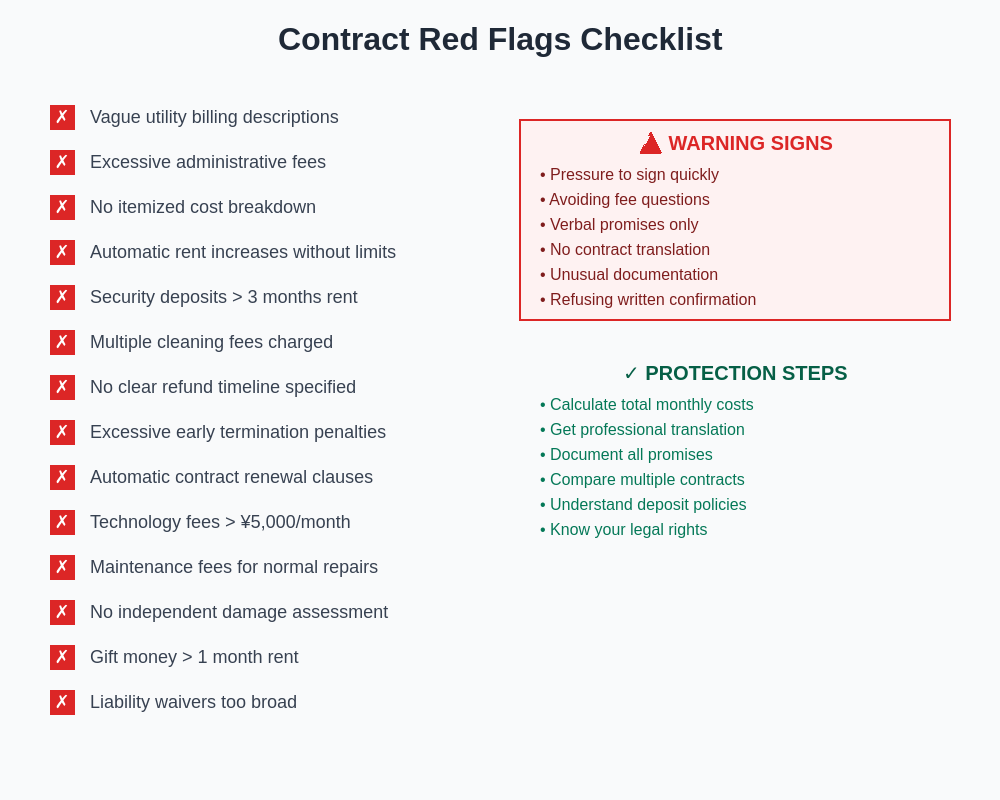
The most frequently encountered financial red flags in sharehouse contracts typically involve hidden fees that appear nowhere in initial advertising or property descriptions but emerge buried within dense legal terminology that many international residents struggle to fully comprehend. These concealed costs can dramatically increase your actual monthly expenses beyond advertised rates, creating budget strain and financial stress that affects your overall quality of life in Tokyo.
Understanding utility bills in Japanese sharehouses becomes crucial when evaluating how utility costs are calculated and allocated among residents. Contracts that provide vague descriptions of utility billing methods or fail to specify maximum monthly limits often indicate management companies that use utility charges as profit centers rather than transparent cost-sharing arrangements.
Excessive administrative fees represent another common red flag, particularly when contracts include charges for routine services that should be included in basic rent payments. Management fees, cleaning surcharges, maintenance costs, and processing charges that exceed reasonable market rates often signal operators who prioritize short-term profits over resident satisfaction and long-term community building.
Security deposit policies that deviate significantly from standard market practices frequently indicate problematic management approaches that may result in disputes during move-out procedures. What security deposits actually cover in sharehouses provides essential background for evaluating whether deposit requirements and return policies align with legal standards and industry best practices.
Analyzing Rent Structure and Payment Terms
Legitimate sharehouse operators maintain transparent rent structures that clearly itemize all monthly charges without embedding hidden costs within seemingly reasonable base rates. Contracts that bundle multiple services into single payment amounts without detailed breakdowns often conceal inflated charges for utilities, internet, cleaning, or maintenance services that could be obtained more affordably through independent arrangements.
Payment timing requirements that demand multiple months of rent in advance beyond standard security deposits frequently indicate cash flow problems within management companies or aggressive collection practices that prioritize operator financial security over tenant convenience and financial flexibility. How to budget realistically for sharehouse living helps establish reasonable expectations for upfront costs and ongoing monthly obligations.
Penalty structures for late payments that exceed legal limits or impose compound interest charges represent serious red flags that suggest predatory lending practices disguised as rental arrangements. Japanese rental law provides specific protections regarding late fees and penalty interest rates, and contracts that violate these provisions indicate operators who either lack legal knowledge or deliberately exploit tenant ignorance of their rights.
Automatic rent increase clauses that lack specific triggers or reasonable limitations create unlimited financial exposure that can transform affordable housing into unmanageable expense burdens without advance notice or negotiation opportunities. Why rent increases happen in Japanese sharehouses explores legitimate reasons for rental adjustments versus exploitative practices that target vulnerable international residents.
Identifying Suspicious Fee Structures
The proliferation of creative fee categories in modern sharehouse contracts often serves to disguise the true cost of accommodation while making direct price comparisons between properties nearly impossible for prospective residents. Maintenance fees, community fees, amenity charges, and technology fees that lack clear service descriptions or cost justifications frequently represent profit centers rather than actual expense recovery mechanisms.
What additional fees really mean in practice provides valuable insights into distinguishing between legitimate service charges and invented fees designed to increase revenue without providing corresponding value to residents. Contracts that include multiple small fees rather than incorporating costs into base rent often indicate management strategies focused on obscuring total housing expenses.
Cleaning fees that apply to both move-in and move-out procedures while also charging monthly cleaning maintenance fees represent triple-charging schemes that exploit resident assumptions about standard cleaning practices. Professional cleaning for turnover between residents represents a normal business expense that legitimate operators incorporate into their pricing models rather than passing directly to tenants.
Technology and internet fees that significantly exceed market rates for comparable services often indicate markup schemes where management companies profit from essential services rather than providing them at cost. Independent verification of local internet pricing helps identify contracts that include unreasonable technology charges disguised as convenience services.
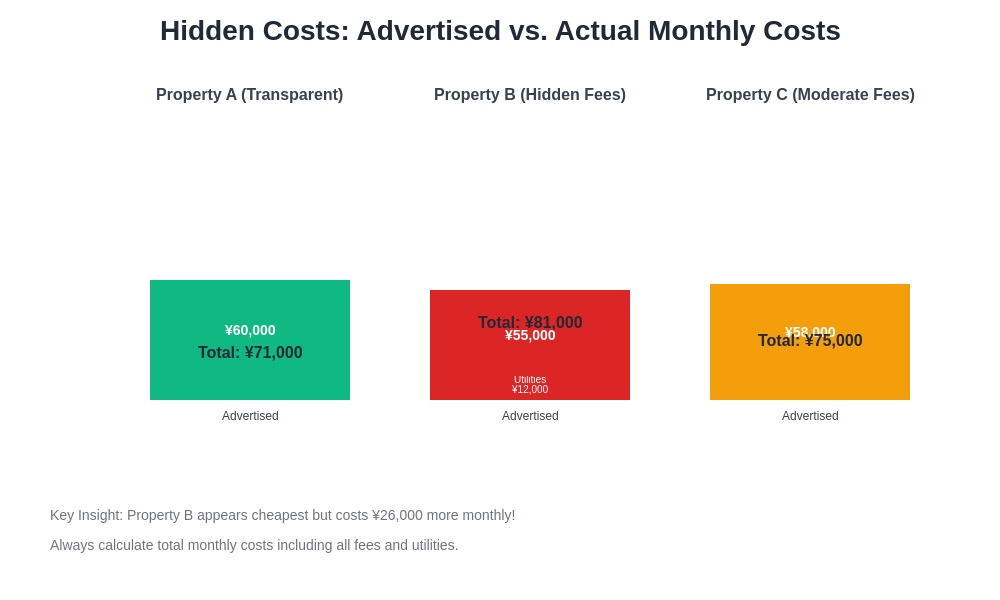
This comparison demonstrates how seemingly cheaper properties can become the most expensive options when all fees are calculated. Always request a complete breakdown of monthly costs before making any commitments.
Evaluating Deposit and Refund Policies
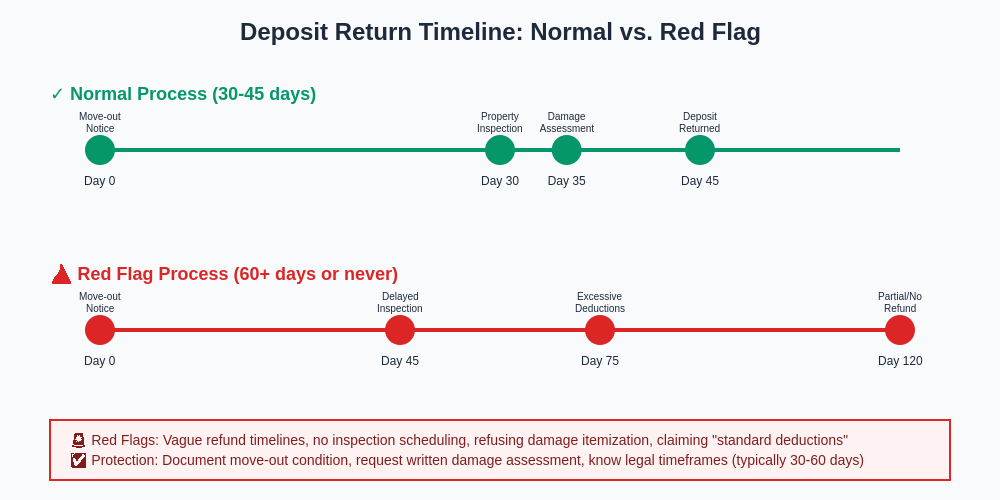
Security deposit policies that require amounts exceeding standard market practices or fail to provide clear criteria for damage assessment and deduction procedures represent significant financial risks that can result in substantial unexpected expenses during move-out procedures. How to actually get your deposit back offers strategic guidance for protecting your financial interests throughout the rental relationship.
Refund timelines that extend beyond legal requirements or include administrative delays without specific justification often indicate cash flow management practices where operators use tenant deposits as operating capital rather than maintaining them in segregated accounts as required by law. Contracts that fail to specify exact refund procedures and timelines create opportunities for indefinite delays and potential total loss of deposit funds.
Damage assessment policies that rely solely on management company evaluation without providing independent assessment options or appeal procedures frequently result in inflated damage claims and excessive deduction amounts that bear little relationship to actual repair costs. What moving out really costs in Tokyo sharehouses helps establish realistic expectations for legitimate move-out expenses versus exploitative practices.
Key money and gift money requirements that exceed cultural norms or lack clear justification represent additional red flags that suggest operators who exploit foreign resident unfamiliarity with local customs to extract additional upfront payments. Understanding which fees represent legitimate cultural practices versus exploitative surcharges protects against unnecessary financial obligations.
Recognizing Problematic Contract Terms
Termination clauses that impose excessive penalties for early departure or require notice periods that exceed reasonable standards often indicate management strategies designed to trap residents in unsatisfactory living situations while extracting maximum financial benefit from forced continued occupancy. Breaking lease early costs more than expected explores legitimate termination costs versus punitive penalty structures.
Automatic renewal provisions that extend contract terms without explicit consent or notification requirements create ongoing financial obligations that continue beyond intended residency periods. Contracts that default to automatic renewal rather than requiring active consent for extension represent consumer protection violations that favor operator interests over tenant rights and autonomy.
Subletting restrictions that prevent residents from recovering costs during temporary absences while maintaining full rent obligations create additional financial risks for residents whose circumstances change due to work travel, family emergencies, or other unforeseen situations. Reasonable contracts provide mechanisms for temporary occupancy adjustments that protect both resident and operator interests.
Liability limitation clauses that exempt management companies from responsibility for property theft, personal injury, or property damage beyond reasonable standards indicate operators who prioritize profit protection over resident safety and security. Contracts that shift normal business risks to residents through broadly worded liability waivers often suggest inadequate insurance coverage or poor property management practices.
Understanding Utility and Service Charges
Utility billing arrangements that lack transparency in calculation methods or fail to provide detailed monthly statements frequently conceal inflated charges that exceed actual consumption costs through administrative markups or fraudulent billing practices. Legitimate operators provide detailed utility usage reports that allow residents to verify charges against actual consumption and identify potential billing errors or system problems.
Internet and technology service charges that bundle multiple services without itemized pricing often include significant markups on standard telecommunications services that residents could obtain more affordably through direct provider relationships. Internet data limits cause connection issues explores how service limitations affect daily usage and whether premium charges provide corresponding value improvements.
Maintenance and repair charges that automatically bill residents for routine property upkeep represent improper cost allocation that shifts normal business expenses to tenants through creative accounting practices. Legitimate maintenance fees cover resident-caused damage or optional services rather than basic property maintenance that represents standard landlord responsibilities under Japanese rental law.
Common area usage fees that charge residents for access to facilities that should be included in base rent payments often indicate management strategies focused on maximizing revenue extraction rather than providing value-oriented community living experiences. Reasonable contracts include all standard amenities in base pricing with separate charges only for premium or optional services.
Protecting Yourself During Contract Review
Systematic contract review requires careful line-by-line analysis of all financial obligations, payment schedules, and potential penalty scenarios to identify discrepancies between advertised pricing and actual contract terms. Contract terms are more important than advertised prices emphasizes the critical importance of thorough contract analysis over initial price attraction.
Professional translation services or legal consultation may be necessary for complex contracts that contain ambiguous language or unusual provisions that could result in unexpected financial obligations. The cost of professional contract review represents valuable insurance against much larger potential losses from problematic contract terms or hidden financial obligations.
Documentation of all oral promises or representations made during property viewing or application processes protects against management claims that certain services or pricing arrangements were never offered. Legitimate operators provide written confirmation of all commitments and avoid making verbal promises that differ from written contract terms.
Comparison shopping between multiple properties requires standardized analysis of total monthly costs including all fees, utilities, and potential penalties to identify properties that offer genuine value versus those that use deceptive pricing strategies to attract applicants. How to calculate your true living costs provides frameworks for comprehensive cost comparison across different properties and contract structures.
Warning Signs During Application Process
Communication patterns during the application process often reveal management attitudes and practices that predict future financial disputes or problematic landlord-tenant relationships. Operators who pressure applicants to sign contracts quickly without allowing adequate review time frequently employ high-pressure sales tactics that suggest underlying contract problems or market competition issues.
Reluctance to answer specific questions about fees, policies, or contract terms indicates management approaches that prioritize opacity over transparency and suggests potential problems with hidden costs or unreasonable contract provisions. Legitimate operators welcome detailed questions and provide comprehensive explanations that demonstrate confidence in their pricing and policy structures.
Why background checks take longer for foreigners explains normal application procedures that help distinguish between reasonable due diligence processes and discriminatory practices that may indicate problematic management approaches toward international residents.
Requests for unusual documentation or financial guarantees that exceed standard industry practices often signal operators who either lack experience with international residents or deliberately create barriers that facilitate exploitation of residents who successfully navigate the application process despite unreasonable requirements.
The ability to recognize and avoid financial red flags in sharehouse contracts represents an essential skill that protects your financial security while ensuring access to legitimate, fairly-priced housing options in Tokyo’s competitive rental market. Thorough contract analysis combined with systematic comparison shopping empowers international residents to make informed housing decisions that support their financial goals and lifestyle objectives throughout their Japanese residency experience.
Disclaimer
This article provides general information about identifying potential financial issues in rental contracts and does not constitute legal advice. Rental laws and practices in Japan may change, and individual circumstances vary significantly. Readers should consult with qualified legal professionals when encountering complex contract terms or potential legal disputes. The effectiveness of contract review strategies may vary depending on specific situations and local regulations.