Living in a Tokyo sharehouse as an international resident presents countless opportunities for cultural exchange and language learning, yet language barriers can initially create significant challenges in forming meaningful connections with Japanese roommates and navigating everyday situations. Translation apps have emerged as revolutionary tools that transform these potentially frustrating communication obstacles into bridges for deeper understanding and genuine friendship building across linguistic and cultural divides.
The integration of advanced translation technology into daily sharehouse life has fundamentally changed how international residents approach communication challenges, enabling them to participate more fully in house activities, understand important announcements, and develop authentic relationships with Japanese housemates who may have limited English proficiency. These digital communication aids serve not merely as temporary solutions but as stepping stones toward genuine language acquisition and cultural integration.
The Evolution of Real-Time Communication
Modern translation applications have transcended the limitations of early digital translators, offering sophisticated real-time conversation capabilities that enable natural dialogue flow between speakers of different languages. The accuracy and contextual understanding of contemporary apps allow for nuanced communication that captures cultural subtleties and emotional undertones essential for building trust and rapport in shared living environments.
Living with Japanese roommates in Tokyo sharehouses becomes significantly more accessible when technology bridges the initial communication gap. These tools create opportunities for meaningful exchanges about daily routines, personal interests, and cultural differences that might otherwise remain unexplored due to linguistic limitations.
The sophisticated machine learning algorithms powering modern translation apps continuously improve their understanding of colloquial expressions, regional dialects, and context-specific terminology commonly encountered in residential settings. This technological advancement enables more natural conversations about household responsibilities, social activities, and personal boundaries that form the foundation of successful co-living relationships.
Breaking Down Kitchen Communication Barriers
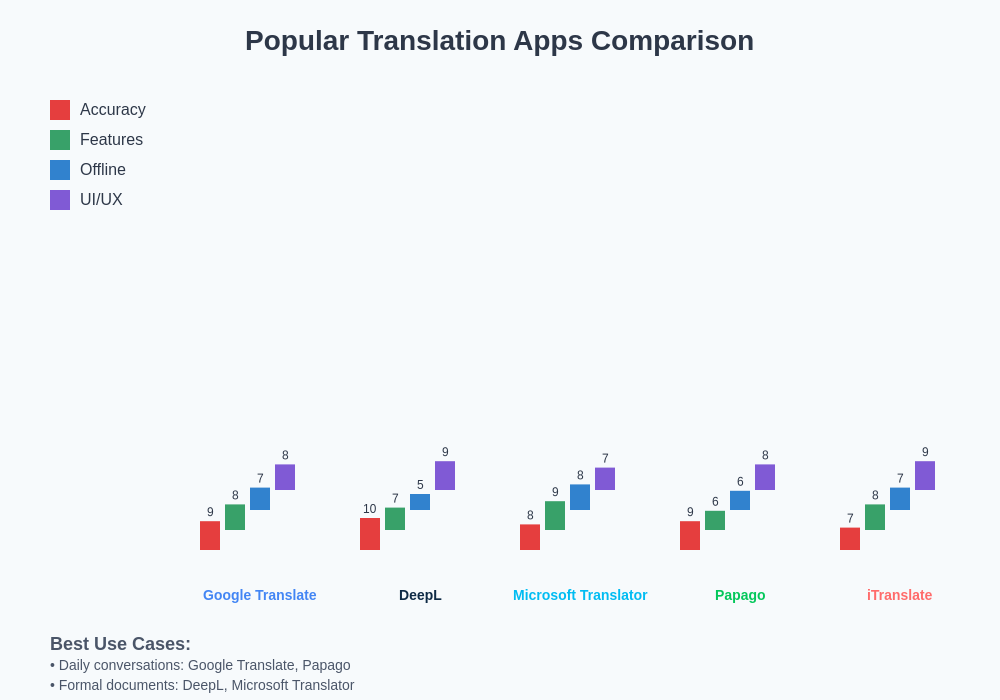
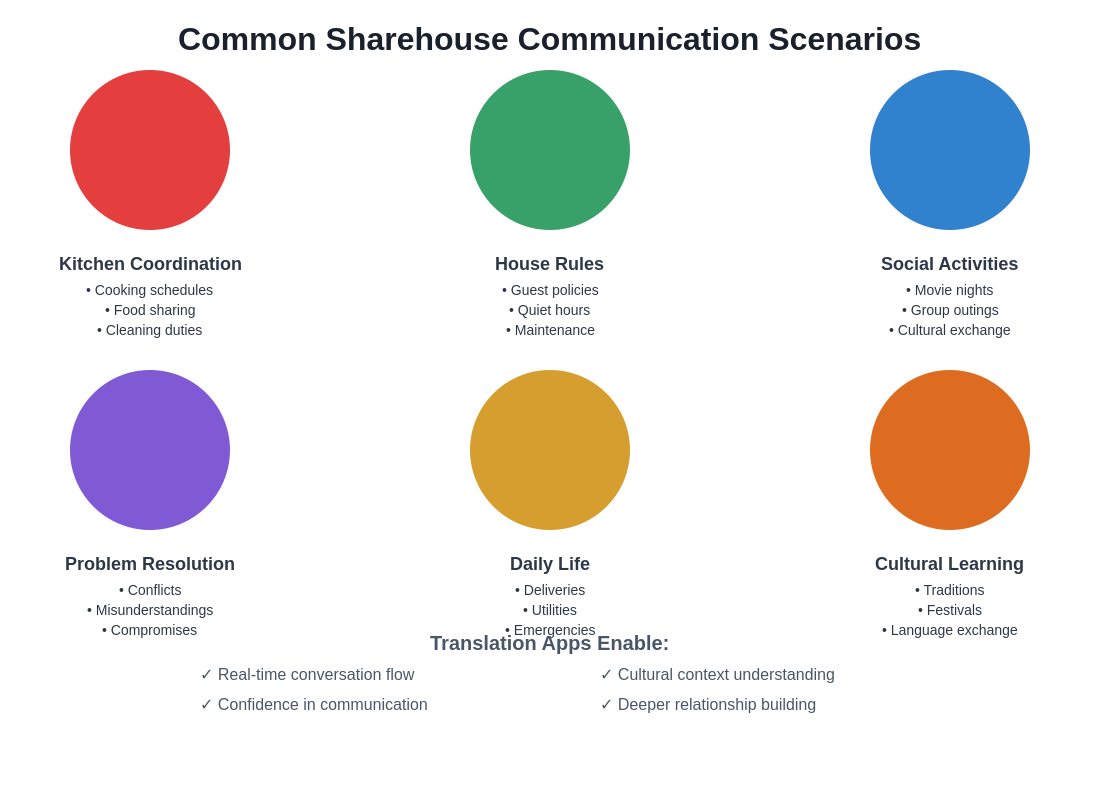
The kitchen represents the social heart of most sharehouses, yet it also presents some of the most complex communication challenges involving food preferences, dietary restrictions, cooking schedules, and cleanliness standards. Translation apps excel in facilitating these essential conversations by providing accurate translations of specific culinary terms, ingredient names, and cultural food practices that enable respectful sharing of this crucial communal space.
Understanding refrigerator labeling systems, coordinating meal preparation timing, and discussing food storage preferences become manageable tasks when supported by reliable translation technology. How dietary restrictions complicate meal planning demonstrates the complexity of food-related communication that translation apps help navigate successfully.
Recipe sharing and cooking technique exchanges flourish when language barriers diminish, creating opportunities for international residents to learn traditional Japanese cooking methods while sharing their own cultural cuisines with interested housemates. These culinary exchanges often become the foundation for lasting friendships that extend far beyond the sharehouse experience.
The ability to communicate about food safety concerns, expiration dates, and appropriate storage methods ensures that all residents can maintain healthy eating habits while respecting shared kitchen protocols. Translation apps facilitate discussions about cultural food taboos, religious dietary requirements, and personal preferences that contribute to harmonious kitchen coexistence.
Navigating Household Rules and Responsibilities
Every sharehouse operates according to specific rules and expectations that may not be immediately apparent to new international residents, particularly when these guidelines reflect Japanese cultural norms unfamiliar to foreign newcomers. Translation apps provide essential support for understanding detailed house rules, cleaning schedules, visitor policies, and community agreements that govern successful shared living experiences.
Japanese sharehouse rules every foreigner should know encompass numerous cultural expectations that translation technology helps clarify and internalize. These digital tools enable thorough comprehension of written house guidelines while facilitating discussions about rule clarifications and exceptions.
Complex scheduling systems for bathroom usage, laundry facilities, and common area cleaning become accessible through translation support that explains rotation systems, time limits, and quality standards expected by house management and fellow residents. Understanding these operational details prevents conflicts and ensures smooth integration into established household routines.
Emergency procedures and safety protocols require precise understanding that translation apps provide through accurate rendering of evacuation routes, emergency contact information, and disaster response procedures specific to Japanese building codes and local emergency services. This critical information ensures all residents can respond appropriately during urgent situations regardless of their Japanese language proficiency.
Facilitating Social Connections and Activities
Beyond practical communication needs, translation apps open doors to deeper social connections by enabling participation in casual conversations, jokes, cultural discussions, and personal storytelling that transform house relationships from mere cohabitation into genuine friendships. These tools capture the nuances of humor, emotional expression, and personal sharing that create bonds between residents from different cultural backgrounds.
Making friends through Tokyo sharehouse communities becomes more achievable when technology eliminates the intimidation factor of cross-language communication. Residents gain confidence to initiate conversations, ask questions about Japanese culture, and share their own backgrounds without fear of miscommunication or embarrassment.
Group activities such as movie nights, game sessions, and cultural celebrations become inclusive experiences when translation support enables all residents to understand rules, contribute ideas, and participate fully in communal entertainment. These shared experiences create lasting memories and strengthen house community bonds across cultural divides.
Dating conversations and relationship discussions benefit significantly from translation assistance that helps navigate the complex cultural differences in romantic expectations, social boundaries, and relationship terminology. Dating while living in Tokyo sharehouses involves sensitive communication that translation apps handle with increasing sophistication and cultural awareness.
Supporting Professional and Academic Interactions
Many sharehouse residents pursue careers or educational opportunities in Japan, creating needs for professional vocabulary, academic terminology, and workplace communication that extend beyond casual residential conversations. Translation apps support these professional development goals by providing accurate translations of industry-specific language, academic concepts, and business etiquette essential for success in Japanese professional environments.
How career changes affect sharehouse eligibility demonstrates how professional communication intersects with housing stability, making translation support crucial for maintaining both career advancement and residential security. These tools enable effective communication about employment changes, income verification, and contract modifications with house management.
Academic discussions about research projects, study group coordination, and examination schedules become accessible through translation technology that handles complex educational vocabulary and cultural academic practices specific to Japanese educational institutions. How academic pressure varies by nationality explores cultural differences that translation apps help navigate through improved understanding.
Networking opportunities within professional and academic communities expand when translation barriers diminish, enabling international residents to build valuable connections that support their long-term goals in Japan while contributing to positive sharehouse community dynamics through increased confidence and social engagement.
Managing Conflicts and Sensitive Situations
Inevitable conflicts and misunderstandings that arise in shared living situations require delicate communication skills that translation apps support through accurate rendering of emotional nuances, apology expressions, and conflict resolution language essential for maintaining harmonious relationships. These tools help navigate cultural differences in confrontation styles, problem-solving approaches, and reconciliation processes.
How to handle roommate conflicts without moving out becomes more achievable when translation technology enables clear expression of concerns, understanding of different perspectives, and negotiation of mutually acceptable solutions. The precision of modern translation apps prevents miscommunication that could escalate minor disagreements into major conflicts.
Sensitive topics such as cleanliness standards, noise levels, guest policies, and personal space boundaries require careful communication that respects cultural differences while establishing clear expectations. Translation apps facilitate these delicate conversations by providing culturally appropriate language choices and tone adjustments that maintain respect while addressing important issues.
Mental health discussions and emotional support conversations benefit from translation assistance that handles psychological terminology, emotional expressions, and support language with sensitivity and accuracy. These tools enable residents to offer and seek help during difficult periods while respecting cultural differences in emotional expression and support seeking behaviors.
Enhancing Cultural Learning and Exchange
Translation apps serve as educational tools that facilitate deeper cultural understanding by providing context for Japanese customs, traditions, and social practices that international residents encounter in sharehouse environments. These applications often include cultural notes, etiquette explanations, and historical background that enrich simple translations with meaningful cultural insights.
How cultural differences affect friendship building demonstrates the importance of cultural understanding that translation technology supports through comprehensive language learning features embedded within practical communication tools. These educational components accelerate cultural adaptation and appreciation.
Festival celebrations, traditional ceremonies, and seasonal observances become accessible learning opportunities when translation support explains cultural significance, appropriate behaviors, and participation methods for international residents interested in deepening their cultural understanding. These experiences create meaningful connections between residents from different backgrounds.
Language exchange partnerships flourish when supported by translation technology that provides correction suggestions, pronunciation guides, and grammar explanations for both Japanese and international residents seeking to improve their language skills through mutual teaching and learning arrangements that benefit all participants.
Practical Shopping and Service Communications
Daily life necessities such as grocery shopping, banking services, medical appointments, and utility management require specific vocabulary and cultural protocols that translation apps support through specialized terminology databases and service-specific communication templates. These tools transform potentially frustrating errands into manageable tasks that build confidence and independence.
How convenience store proximity affects daily costs involves understanding product labeling, payment methods, and service options that translation technology clarifies through visual recognition features and real-time scanning capabilities that identify and explain unfamiliar items and services.
Banking procedures, insurance applications, and government documentation require precise understanding of complex terminology and procedures that translation apps handle through specialized financial and legal vocabulary databases designed for international residents navigating Japanese bureaucratic systems.
Medical communications involving symptom descriptions, treatment explanations, and medication instructions benefit from translation accuracy that ensures proper healthcare delivery while respecting cultural differences in medical communication styles and patient-doctor relationships common in Japanese healthcare settings.
Technology Integration and Future Developments
The rapid advancement of artificial intelligence and machine learning technologies continues to improve translation accuracy, cultural sensitivity, and real-time processing capabilities that enhance daily sharehouse communication experiences. Voice recognition improvements enable hands-free operation during cooking, cleaning, or other activities when text input proves impractical.
Augmented reality features emerging in translation applications provide visual overlay translations for written materials such as house notices, appliance instructions, and delivery information that enable immediate understanding without interrupting daily activities or requiring manual text input for translation processing.
Integration with smart home devices and Internet of Things technologies creates opportunities for automated translation of announcements, reminders, and emergency alerts throughout sharehouse environments, ensuring all residents receive important information regardless of their language proficiency levels.
How smart home features change daily routines explores technological integration possibilities that include translation capabilities embedded within household management systems that streamline communication and information sharing among diverse resident populations.
Building Long-term Language Skills
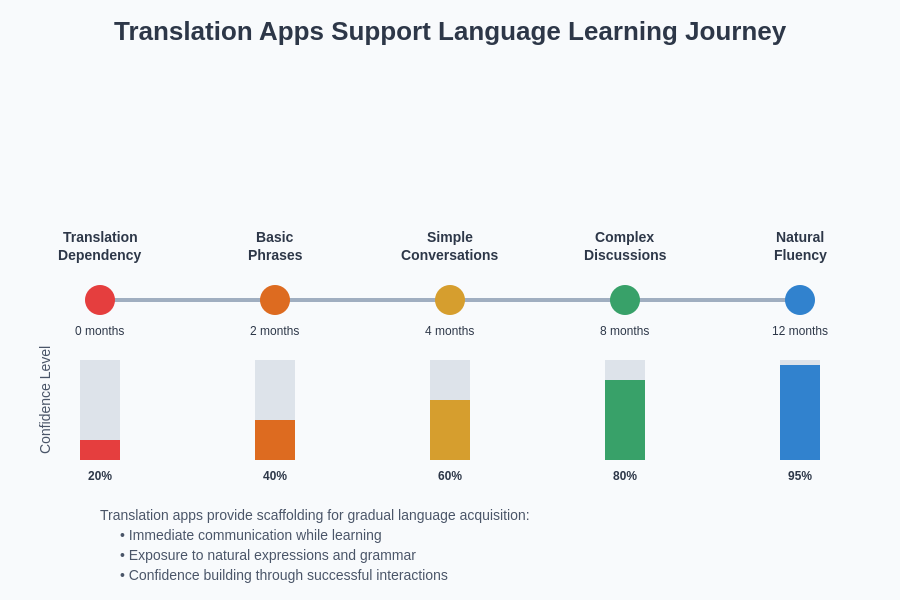
While translation apps provide immediate communication solutions, their most valuable contribution lies in supporting gradual language acquisition through exposure to authentic Japanese expressions, grammar patterns, and cultural contexts encountered in natural conversation settings. These tools serve as patient tutors that enable learning at individual paces without social pressure or embarrassment.
Progressive learning features within translation applications track frequently used phrases, common mistakes, and improvement areas that guide focused language study efforts toward practical communication goals relevant to sharehouse living and Japanese integration objectives.
How language learning affects career opportunities demonstrates the long-term benefits of improved Japanese proficiency that translation apps support through practical application and gradual skill building embedded within daily communication needs rather than abstract academic study.
Confidence building through successful communication experiences enabled by translation support encourages continued language learning efforts and increased willingness to engage in challenging conversations that accelerate fluency development and cultural integration throughout the sharehouse experience and beyond.
The transformative impact of translation applications on sharehouse living extends far beyond simple word conversion, creating bridges for genuine human connection, cultural understanding, and personal growth that enrich the international living experience in Tokyo. These technological tools empower residents to embrace the challenges and opportunities of cross-cultural communication while building the language skills and cultural competency essential for thriving in Japan’s dynamic social environment.
Disclaimer
This article is for informational purposes only and does not constitute professional advice about language learning or technology usage. Translation app effectiveness may vary depending on specific applications, language combinations, and individual usage patterns. Readers should research current app capabilities and limitations while maintaining realistic expectations about technology-assisted communication in cross-cultural living situations.