Transportation accessibility fundamentally shapes every aspect of sharehouse living in Tokyo, influencing not only where residents choose to live but also their daily routines, social opportunities, financial obligations, and overall quality of life. The intricate web of Tokyo’s transportation network creates a complex decision matrix where proximity to certain train lines, stations, and transportation hubs can dramatically affect both short-term convenience and long-term living satisfaction for international residents navigating the city’s housing market.
The relationship between transportation and housing extends far beyond simple commute considerations, encompassing access to social activities, shopping districts, cultural venues, and emergency services that collectively define the living experience in Japan’s capital city. Understanding these connections empowers prospective sharehouse residents to make informed decisions that balance accessibility, affordability, and lifestyle preferences while avoiding common pitfalls that can lead to daily frustration and unexpected expenses.
Tokyo’s Transportation Network and Housing Distribution
Tokyo’s transportation infrastructure represents one of the world’s most sophisticated and extensive urban mobility systems, comprising multiple interconnected networks that include JR lines, private railways, subway systems, and bus routes that collectively serve over 40 million daily passengers. This complex system creates distinct accessibility zones throughout the metropolitan area, with each zone offering different advantages and limitations that directly influence sharehouse availability, pricing, and resident demographics.
The distribution of sharehouses across Tokyo closely follows major transportation corridors, with higher concentrations appearing near stations that provide direct access to central business districts, educational institutions, and entertainment areas. Best Tokyo neighborhoods for sharehouse living often correlate strongly with transportation convenience, creating predictable patterns in both housing supply and demand that affect pricing structures and community characteristics.
Major railway operators including JR East, Tokyo Metro, Toei Subway, and private companies like Keio, Odakyu, and Tokyu have shaped urban development patterns over decades, creating transportation-oriented development that concentrates residential, commercial, and cultural facilities around station areas. This planning approach means that areas with superior transportation access typically command premium rents while offering enhanced lifestyle benefits that can justify higher housing costs for many residents.
The hierarchy of station importance within Tokyo’s network creates clear distinctions between major interchange hubs, express stops, and local stations that significantly impact daily convenience and long-term living satisfaction. Understanding these distinctions helps prospective residents evaluate not just immediate accessibility but also flexibility for future changes in work location, social activities, or travel patterns that may occur during their Tokyo residence.
Commute Time and Quality of Life Impact
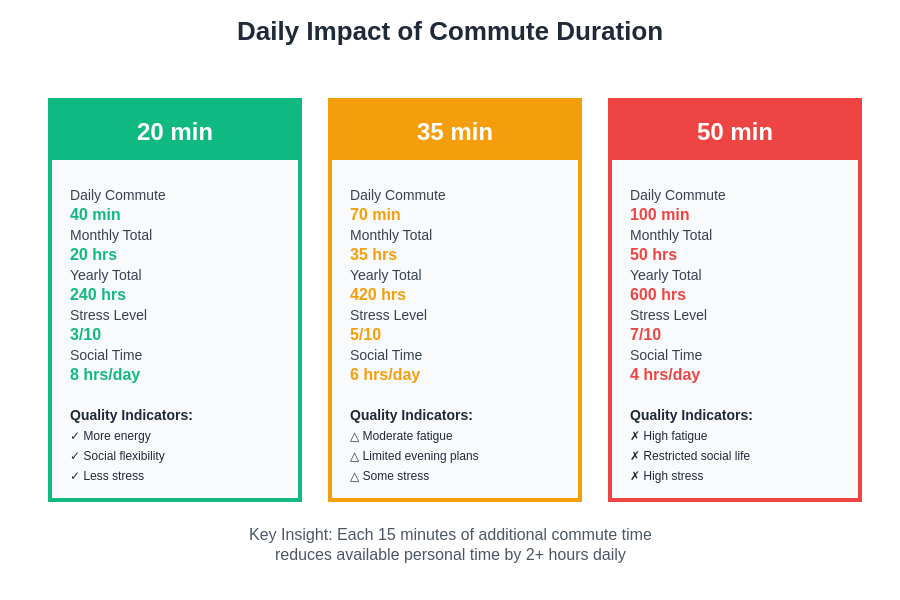
Daily commute duration and complexity represent critical factors that extend far beyond simple travel time calculations, affecting physical health, mental well-being, social opportunities, and overall life satisfaction in ways that compound over months and years of sharehouse living. The difference between a 20-minute direct journey and a 45-minute transfer-heavy commute creates profound impacts on daily energy levels, stress management, and available time for personal activities and social engagement.
Peak hour conditions on Tokyo’s transportation network create additional layers of complexity that can transform manageable off-peak journeys into physically demanding and psychologically stressful experiences. How commute times impact your quality of life becomes particularly relevant when considering the cumulative effects of crowded trains, platform congestion, and schedule reliability during rush periods that define most working residents’ daily experience.
The psychological impact of commute complexity extends beyond mere inconvenience to affect residents’ willingness to participate in after-work activities, weekend social events, and spontaneous opportunities that contribute to the richness of Tokyo living. Residents with complicated multi-transfer commutes often report feeling more isolated from colleagues and missing cultural experiences that require evening attendance or weekend participation due to transportation logistics and fatigue accumulation.
Long-term residents frequently identify commute satisfaction as a primary factor in overall housing satisfaction, often ranking it higher than room size, amenities, or even rental costs when evaluating their sharehouse choices retrospectively. This pattern suggests that initial transportation convenience assessments deserve greater weight in housing decision-making than many newcomers initially realize during their search process.
Transportation Costs and Budget Considerations
Transportation expenses in Tokyo can represent a substantial portion of monthly living costs, with variation between different route combinations, pass types, and travel patterns creating significant budget implications that extend well beyond basic commute requirements. Living costs in Tokyo sharehouses explained must account for these transportation variables when establishing realistic monthly budgets and comparing housing options across different areas.
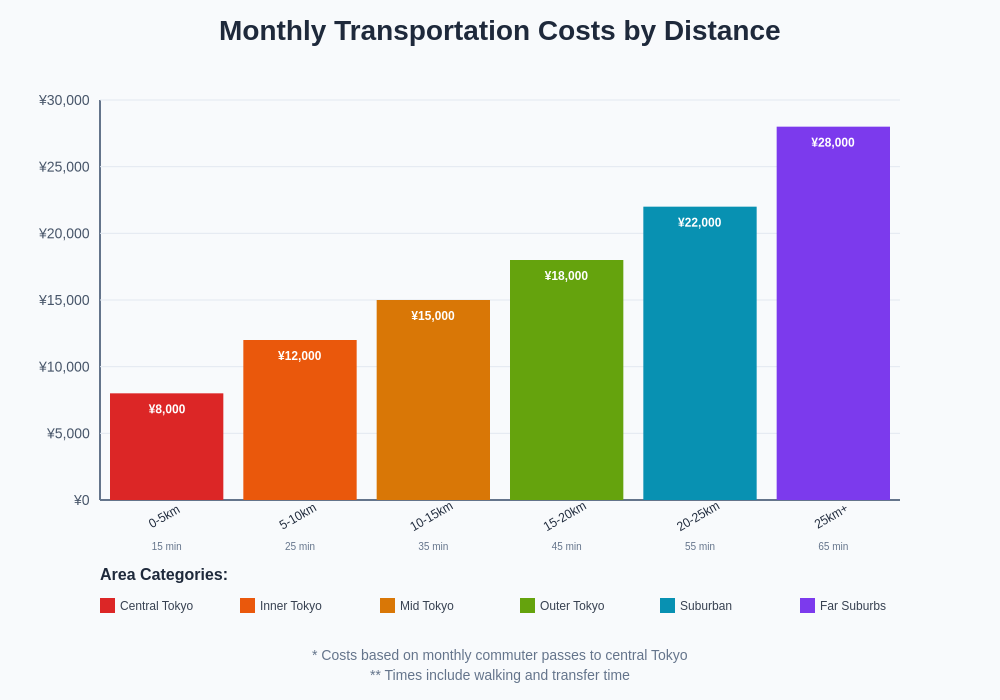
Monthly commuter passes provide cost efficiency for regular routes but create financial constraints that can limit flexibility for spontaneous travel, job changes, or social activities that require different transportation patterns. The pass system’s structure means that residents often face trade-offs between cost optimization and lifestyle flexibility, with choices made during initial housing selection having long-term financial implications that may not be immediately apparent.
Distance-based pricing structures mean that seemingly minor differences in sharehouse location can create substantial monthly cost variations, particularly for residents whose work or study locations are in central Tokyo areas. How transportation costs impact entertainment budgets reveals how commute expenses can compress discretionary spending and affect residents’ ability to fully experience Tokyo’s cultural and social opportunities.
Hidden transportation costs including occasional taxi usage, airport access, weekend travel, and emergency transportation during service disruptions can add significant unexpected expenses to monthly budgets. Residents in areas with limited late-night transportation options often face higher overall mobility costs due to increased reliance on expensive alternatives during off-peak hours or emergency situations.
Station Proximity and Daily Convenience
The walking distance from sharehouses to the nearest station creates cascading effects on daily routines, weather tolerance, luggage management, and overall living convenience that influence long-term satisfaction more than many residents anticipate during their initial housing search. How distance from city center changes living experience includes these proximity factors as key components of overall accessibility evaluation.
Weather considerations become particularly significant during Tokyo’s rainy season, winter months, and summer heat periods when extended walks to stations can create daily discomfort and practical challenges that affect everything from clothing choices to departure timing. Residents more than 10 minutes from stations often report that weather conditions significantly impact their willingness to make discretionary trips, effectively reducing their access to social and cultural opportunities.
Station area amenities including convenience stores, restaurants, banks, and shopping facilities create additional convenience layers that can compensate for longer commute times or higher housing costs in certain locations. The concentration of daily-need services around major stations means that proximity to well-developed station areas can reduce overall lifestyle costs and time investment while enhancing daily convenience and spontaneous opportunity access.
Emergency accessibility considerations including hospital access, late-night transportation alternatives, and disaster evacuation routes often receive insufficient attention during housing selection but can become critical factors during unexpected situations. Areas with limited transportation options may offer lower housing costs but create vulnerabilities during emergencies or service disruptions that require careful evaluation against potential savings.
Line-Specific Advantages and Limitations
Different railway lines within Tokyo’s network offer distinct characteristics, reliability patterns, and connectivity advantages that create significant variations in daily living experience even when overall commute times appear similar on paper. Understanding these line-specific differences enables more sophisticated housing choice evaluation that accounts for factors beyond basic travel duration and transfer requirements.
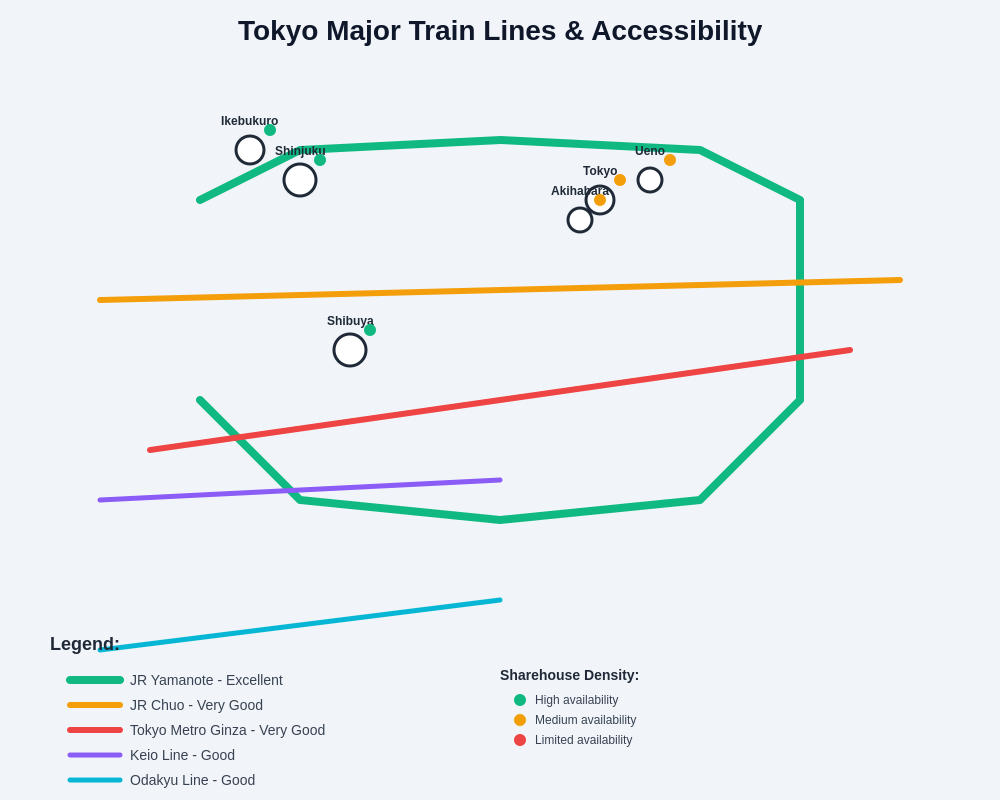
JR Yamanote Line proximity offers unparalleled connectivity to major business districts, shopping areas, and cultural venues but often commands premium housing prices that may exceed budget constraints for many international residents. Business district sharehouses near Tokyo Station represent one example of how proximity to major transportation hubs affects both costs and lifestyle opportunities.
Private railway lines often provide superior comfort, reliability, and express service options compared to heavily utilized public lines, creating quality-of-life advantages that can justify longer travel times or higher transportation costs for residents prioritizing daily comfort over speed optimization. These lines frequently serve areas with more affordable housing while maintaining reasonable access to central Tokyo through strategic express services.
Subway networks offer weather-protected transportation and dense urban connectivity but may involve more complex transfer patterns and crowded conditions that affect daily stress levels and physical comfort. The trade-offs between subway accessibility and surface rail convenience create different lifestyle implications that vary based on individual tolerance for crowds, weather sensitivity, and preference for above-ground versus underground travel environments.
Express Services and Time Efficiency
Express and rapid service availability can dramatically reduce effective commute times and improve daily convenience, making areas that appear distant on maps surprisingly accessible through strategic use of limited-stop services. How rush hour timing affects work schedules becomes crucial for residents whose schedules allow flexible departure times that can take advantage of express service patterns.
Express service frequency and timing patterns create significant variations in practical accessibility throughout the day, with some areas offering excellent access during peak hours but limited options during off-peak periods when social activities and weekend travel typically occur. Understanding these patterns helps residents evaluate whether location advantages during work hours translate into overall lifestyle benefits.
The relationship between express services and local station development often creates accessibility paradoxes where areas served primarily by express trains may have excellent central access but limited local amenities and transportation alternatives. This pattern requires careful evaluation of both destination accessibility and local area convenience when making housing decisions.
Limited express and special rapid services can provide dramatic time savings for longer-distance commutes but often require advance planning and schedule coordination that may not suit spontaneous lifestyle preferences. The reliability and frequency of these premium services affect their practical utility for daily commute planning and emergency transportation needs.
Night Transportation and Social Life Impact
Tokyo’s transportation network operates on limited schedules during late-night hours, creating significant constraints on social activities, entertainment participation, and lifestyle flexibility that disproportionately affect younger international residents seeking active social lives. How late-night transportation limits social life represents a crucial consideration for residents prioritizing cultural immersion and social engagement.
The last train schedule varies significantly between different lines and destinations, creating complex decision matrices for residents planning evening activities or social events that may extend beyond normal service hours. Areas with earlier last train times often require residents to choose between early departure from social events or expensive taxi alternatives that can quickly exceed entertainment budgets.
Weekend and holiday service modifications can create additional accessibility challenges that affect participation in cultural events, social gatherings, and leisure activities that form important components of the Tokyo living experience. Understanding these service variations helps residents choose housing locations that maintain lifestyle flexibility across different schedules and seasonal patterns.
Night bus services and alternative transportation options provide backup connectivity for some areas but often involve longer travel times, limited frequency, and higher costs that make them impractical for regular use. The reliability and coverage of these alternative options vary significantly between different areas and should factor into overall accessibility evaluation for residents prioritizing evening and weekend mobility.
Seasonal Transportation Considerations
Tokyo’s distinct seasons create varying transportation challenges that affect daily commute comfort, reliability, and accessibility in ways that may not be apparent during initial housing selection periods. How weather affects transportation choices includes seasonal factors that can significantly impact long-term living satisfaction and daily convenience.
Summer heat and humidity create particular challenges for residents with longer walking distances to stations or significant outdoor transfer requirements, potentially making certain housing locations less attractive during peak temperature periods. Air-conditioned transportation options and covered walkways become valuable amenities that can influence housing choice evaluation for residents sensitive to extreme weather conditions.
Rainy season impacts including flooding risks, service disruptions, and increased crowding create additional accessibility considerations that vary significantly between different areas and transportation options. Areas with elevated stations, covered access routes, and flood-resistant infrastructure offer advantages during challenging weather periods that may justify higher housing costs or longer travel times.
Winter conditions including ice, snow, and reduced visibility can affect transportation reliability and safety, particularly for areas dependent on bus connections or requiring significant outdoor walking. The relative resilience of different transportation options during adverse weather conditions represents an important factor for residents from climates unaccustomed to Tokyo’s seasonal variations.
Future Transportation Development Impact
Ongoing and planned transportation infrastructure projects create evolving accessibility patterns that can affect both current housing values and future convenience for long-term residents. Understanding development timelines and expected service improvements helps residents make informed decisions about areas that may offer improved accessibility during their planned residence period.
New line openings, station additions, and service improvements can dramatically transform area accessibility and desirability, potentially affecting both housing availability and pricing in ways that benefit early adopters who select housing in anticipation of infrastructure improvements. How infrastructure changes affect neighborhoods provides context for evaluating current limitations against planned improvements.
Olympic and international event infrastructure legacy continues to influence transportation development priorities and investment patterns, creating opportunities in previously less accessible areas while potentially increasing competition and costs in newly improved locations. These larger development patterns affect long-term housing market dynamics and opportunity availability for international residents.
Service frequency improvements, capacity expansions, and technology upgrades represent ongoing enhancements that can improve existing transportation options without requiring new infrastructure, creating gradual accessibility improvements that benefit residents in established areas. Understanding these improvement patterns helps evaluate the long-term potential of different housing locations beyond current service levels.
The strategic interplay between transportation accessibility and housing choice in Tokyo creates a complex optimization challenge that requires balancing immediate needs against long-term flexibility, financial constraints against lifestyle priorities, and convenience against community characteristics. Successful navigation of these decisions requires comprehensive understanding of both transportation realities and personal priorities that evolve throughout the sharehouse living experience.
Transportation accessibility ultimately serves as both a practical necessity and a gateway to the broader Tokyo experience, with housing choices that prioritize smart accessibility often providing returns in terms of reduced stress, increased opportunities, and enhanced quality of life that extend far beyond simple commute considerations. The investment in understanding and prioritizing appropriate transportation access pays dividends throughout the entire duration of Tokyo residence, making it one of the most critical factors in successful sharehouse selection and long-term living satisfaction.
Disclaimer
This article is for informational purposes only and does not constitute professional advice. Transportation schedules, service patterns, and infrastructure development in Tokyo are subject to change. Readers should verify current transportation information and conduct their own research when making housing decisions. The impact of transportation accessibility on daily life may vary based on individual circumstances, schedule flexibility, and personal preferences.