Transportation strikes represent one of the most disruptive events that can fundamentally alter the daily rhythms of urban life, particularly in a densely interconnected metropolis like Tokyo where millions of residents depend entirely on efficient public transit systems for their work, education, and social activities. The ripple effects of these disruptions extend far beyond simple inconvenience, creating cascading challenges that affect everything from employment obligations to personal relationships and financial stability for sharehouse residents who often live in areas specifically chosen for their transit accessibility.
The modern urban lifestyle has evolved around the assumption of reliable transportation infrastructure, and when this foundation is suddenly removed, the vulnerability of our interconnected systems becomes starkly apparent. For international residents living in sharehouses, transportation strikes can be particularly challenging as they may lack the local knowledge, alternative transportation options, or flexible work arrangements that help longtime Tokyo residents navigate these disruptions more effectively.
The Anatomy of Transportation Disruption
Transportation strikes in major urban centers like Tokyo create immediate and widespread chaos that extends far beyond the transit system itself, affecting virtually every aspect of daily life in ways that many residents never fully anticipate until they experience the reality firsthand. The interconnected nature of modern urban infrastructure means that when train services are suspended, the effects ripple through the entire metropolitan ecosystem, creating traffic congestion, overwhelming alternative transportation methods, and forcing millions of people to completely restructure their daily routines.
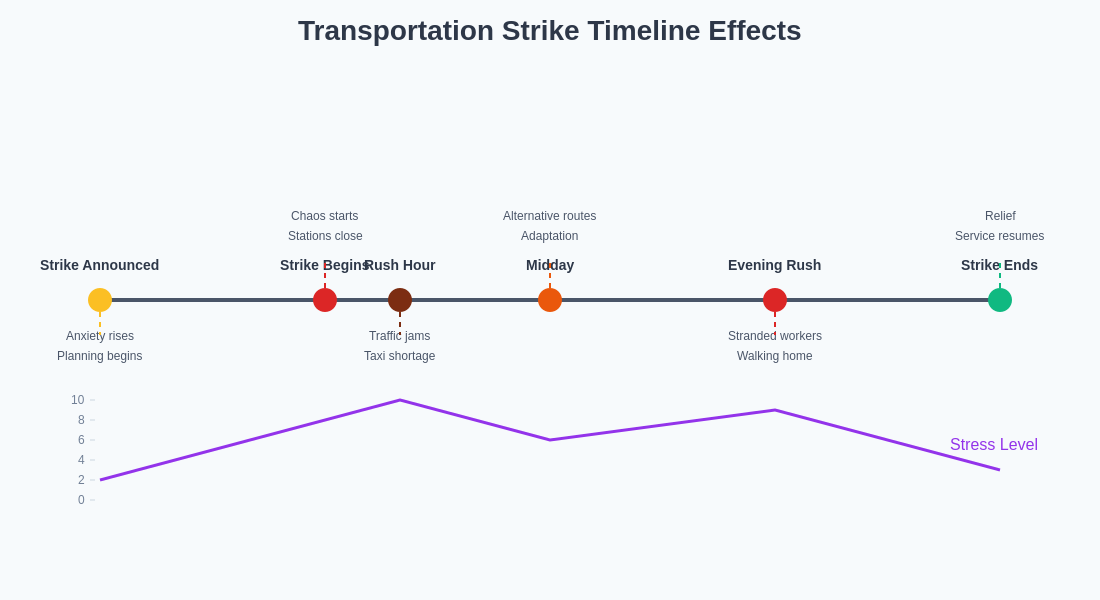
The timing of transportation strikes often compounds their impact, as they typically coincide with peak commuting hours when the system carries its highest passenger loads and when alternative options are already stretched to capacity. Understanding commute times that impact work performance becomes crucial during these disruptions, as residents must rapidly calculate new routes and timing while dealing with significantly increased travel times and costs.
The psychological impact of transportation uncertainty extends beyond mere inconvenience, creating stress and anxiety that can affect work performance, personal relationships, and overall quality of life throughout the duration of the strike and often for days afterward as systems gradually return to normal operations. The unpredictability of strike duration and the potential for service to be restored or extended at short notice adds another layer of complexity to planning and decision-making during these events.
Immediate Impact on Work and Professional Obligations
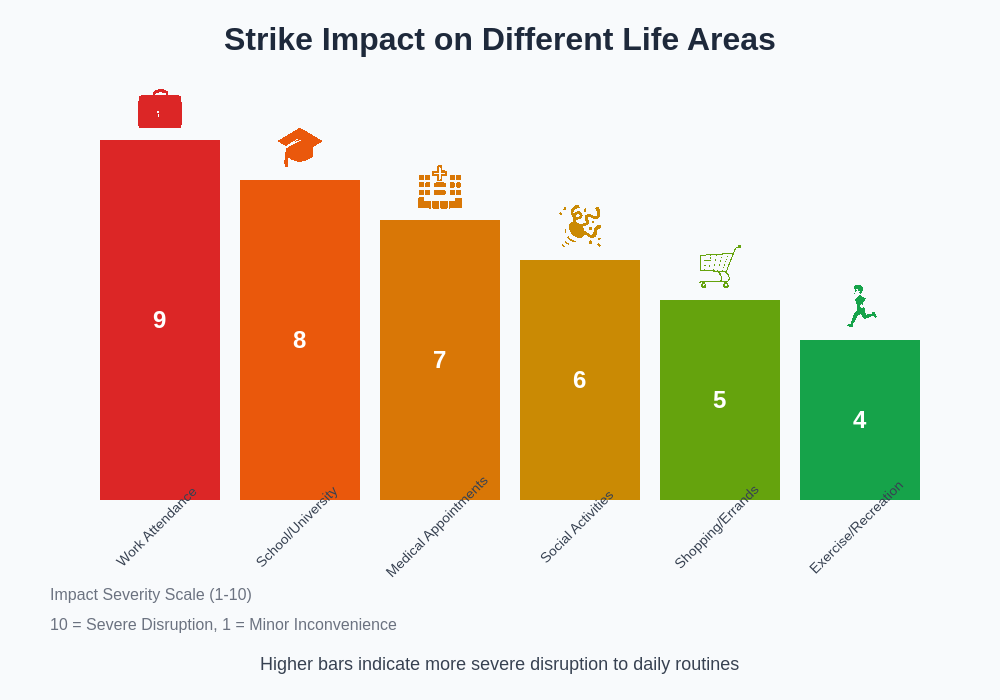
The professional consequences of transportation strikes can be severe and long-lasting, particularly for employees in industries with strict attendance requirements or time-sensitive operations where tardiness or absence can result in significant financial penalties or career damage. Many international residents working in traditional Japanese companies face additional pressure due to cultural expectations around punctuality and reliability that may not account for circumstances beyond individual control.
Remote work options, while increasingly available in some sectors, remain limited in many traditional Japanese industries, leaving employees with few alternatives when transportation systems fail. How work location should influence sharehouse choice becomes particularly relevant during strikes, as proximity to workplace can mean the difference between manageable walking distance and complete inability to reach work destinations.
The financial implications of missed work days, especially for part-time workers or those in hourly positions, can be substantial and may affect residents’ ability to meet monthly rent and living expenses. How business travel affects long-term community building highlights how work disruptions can impact not just individual finances but also community dynamics within sharehouses as residents face varying levels of work-related stress and financial pressure.
Project deadlines, client meetings, and critical business operations cannot always be postponed to accommodate transportation disruptions, forcing employees to make difficult choices between professional obligations and practical limitations. The stress of explaining transportation-related absences to supervisors who may not fully understand or accept these circumstances can create ongoing workplace tension and anxiety.
Educational Disruptions and Academic Consequences
Students living in sharehouses face unique challenges during transportation strikes, as educational institutions often maintain regular schedules regardless of transit disruptions, expecting students to find alternative means of reaching campus for classes, examinations, and other academic obligations. How university schedules affect sharehouse rhythms demonstrates how closely integrated academic and residential life becomes, making transportation disruptions particularly disruptive to student residents.
International students may be unfamiliar with alternative transportation routes or lack the financial resources to afford expensive taxi rides or alternative transportation methods that could enable them to maintain their academic attendance during strikes. Language barriers can complicate efforts to understand strike-related announcements or to communicate with professors about transportation-related absences, potentially leading to misunderstandings about academic performance or commitment.
Examination periods present particular challenges, as missing critical tests or presentations due to transportation strikes can have lasting academic consequences that extend far beyond the immediate disruption period. How exam periods create stress for everyone becomes even more relevant when transportation uncertainty is added to existing academic pressure, creating compound stress that affects entire sharehouse communities.
The social aspects of student life, including study groups, extracurricular activities, and campus employment opportunities, may also be disrupted by transportation strikes, affecting not only individual academic progress but also the broader social networks and support systems that international students rely upon for their educational and personal development in Japan.
Financial Strain and Budget Impact
Transportation strikes create immediate and often unexpected financial burdens for sharehouse residents who must suddenly invest in alternative transportation methods that can cost significantly more than their regular commuting expenses. Taxi services, while available, often charge premium rates during high-demand periods created by transit strikes, making them financially prohibitive for many residents living on tight budgets typical of sharehouse communities.
The cost of alternative transportation can quickly add up over the duration of a strike, potentially consuming a significant portion of monthly discretionary income or emergency funds that residents may have been saving for other purposes. How to budget realistically for sharehouse living becomes particularly important for preparing financially for these unexpected disruptions and building appropriate emergency funds.
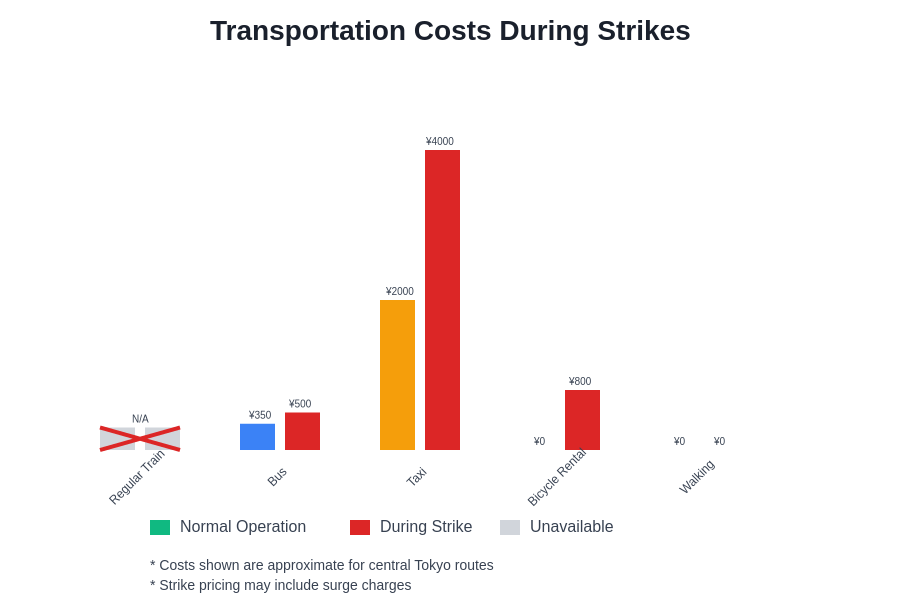
Lost wages from missed work days compound the financial impact, creating a double burden where residents face both increased transportation costs and reduced income simultaneously. Part-time workers and those in hourly positions are particularly vulnerable to these financial pressures, as they often lack paid leave policies that might cushion the impact of transportation-related work absences.
The ripple effects extend to other areas of household budgets, as residents may need to purchase food and supplies from more expensive local sources when they cannot reach their preferred shopping destinations, or may need to cancel social activities and entertainment that require transportation to venues beyond walking distance from their sharehouses.
Social and Community Disruptions
Transportation strikes significantly impact the social fabric of sharehouse communities, as residents who would normally arrive home at different times throughout the evening may find themselves trapped at home together for extended periods, creating unexpected social dynamics and potential conflicts over shared space usage. How conflict resolution styles differ by culture becomes particularly relevant as strike-related stress can exacerbate existing tensions or create new sources of friction between residents.
Social plans and activities that depend on transportation to venues throughout the city must be cancelled or significantly modified, affecting not only individual entertainment but also the broader social networks and relationship-building opportunities that are crucial for international residents establishing themselves in Tokyo. Dating while living in Tokyo sharehouses presents additional challenges during transportation strikes, as meeting partners or maintaining relationships becomes logistically complicated.
Community activities within sharehouses may actually increase during transportation strikes as residents spend more time at home, potentially creating positive opportunities for deeper relationships and shared experiences, though this can also lead to overcrowding of common areas and increased competition for kitchen and bathroom facilities during peak usage times.
The isolation effects of transportation strikes can be particularly challenging for residents who rely on social activities and community connections to maintain their mental health and sense of belonging in Japan, potentially exacerbating feelings of homesickness or cultural disconnection that may already exist for international residents.
Health and Medical Access Concerns
Transportation strikes create serious challenges for accessing healthcare services, as medical appointments cannot always be rescheduled on short notice, and emergency medical situations do not wait for transportation systems to resume normal operations. How medical emergencies expose system weaknesses becomes critically important during strikes when alternative transportation to hospitals or clinics may be limited or prohibitively expensive.
Residents with chronic health conditions who require regular medical monitoring or prescription refills may face dangerous interruptions to their care when transportation strikes prevent them from reaching healthcare providers or pharmacies. The stress and physical exertion of walking long distances or finding alternative transportation methods can also exacerbate existing health conditions or create new health problems for vulnerable residents.
Mental health impacts from the stress, uncertainty, and social isolation created by transportation strikes can be significant, particularly for residents who may already be dealing with the challenges of living in a foreign country or adjusting to sharehouse life. How mental health support varies in sharehouses becomes crucial during these challenging periods when residents may need additional emotional support and understanding from their housemates.
Access to prescription medications, medical supplies, and health-related services may be severely limited during transportation strikes, creating potential health risks for residents who depend on regular access to these resources for their ongoing wellbeing and medical management.
Adaptation Strategies and Coping Mechanisms
Successful navigation of transportation strikes requires both immediate tactical responses and longer-term strategic planning that can help residents minimize disruption and maintain some semblance of normal routine during these challenging periods. Understanding alternative transportation routes, including walking paths, bus services, and bicycle rental options, becomes essential knowledge for all urban residents, though this information may be particularly challenging for international residents to acquire and utilize effectively.
Communication strategies within sharehouses become crucial during transportation strikes, as residents may need to coordinate shared transportation, adjust common area usage schedules, or provide mutual support and assistance to help everyone manage the disruption more effectively. How to handle roommate conflicts without moving out offers valuable frameworks for managing increased tensions and stress that can arise during these challenging periods.
Flexible work arrangements, where available, can significantly reduce the impact of transportation strikes, and residents may benefit from proactively discussing these options with employers before strikes occur rather than trying to negotiate alternatives during the crisis itself. Building relationships with supervisors and colleagues who understand the transportation challenges faced by international residents can provide valuable support during disruption periods.
Emergency preparation, including maintaining adequate food supplies, cash reserves for alternative transportation, and communication plans with employers and educational institutions, can help residents weather transportation strikes with reduced stress and impact on their daily lives and long-term goals.
Technology and Information Management
Access to real-time information about strike status, alternative transportation options, and service restoration becomes critical during transportation disruptions, though language barriers and unfamiliarity with local information systems can create challenges for international residents trying to stay informed and make appropriate decisions. How translation apps help daily interactions becomes particularly important for accessing Japanese-language strike updates and transportation announcements.
Mobile applications and digital platforms that provide transportation alternatives, ride-sharing options, and real-time traffic updates can be invaluable tools for navigating strike-related disruptions, though their effectiveness depends on residents having appropriate data plans and understanding how to use these tools effectively in emergency situations.
Social media and communication platforms within sharehouse communities can facilitate information sharing and mutual assistance, allowing residents to coordinate transportation sharing, provide updates about service restoration, and offer support and assistance to housemates who may be struggling with strike-related challenges.
The digital divide between residents with different levels of technology access or digital literacy can create disparities in how effectively different community members can navigate transportation strikes, highlighting the importance of maintaining non-digital communication and support systems within sharehouse communities.
Long-term Impacts and System Resilience
Transportation strikes reveal fundamental vulnerabilities in urban systems that depend heavily on centralized public transit infrastructure, highlighting the importance of developing more resilient and diversified transportation networks that can better withstand disruptions and maintain essential connectivity during crisis periods. How climate change affects building comfort and other environmental challenges may increase the frequency and severity of transportation disruptions in the future.
The experience of transportation strikes often motivates residents to reconsider their housing location choices, prioritizing proximity to work and essential services over other amenities, which can affect sharehouse demand patterns and pricing in different areas of the city. Why work location should influence sharehouse choice becomes an even more important consideration for residents who have experienced the severe disruption that transportation strikes can create.
Policy discussions about worker rights, public service provision, and urban planning often intensify following major transportation strikes, as the widespread impact of these events highlights the interconnected nature of urban systems and the need for comprehensive approaches to maintaining essential services and supporting affected residents during disruption periods.
The community bonds and mutual support systems that develop within sharehouses during challenging periods like transportation strikes can create lasting positive changes in resident relationships and community resilience, potentially improving the overall living experience and social cohesion even after normal transportation services are restored.
Preparation and Prevention Strategies
Proactive preparation for potential transportation strikes can significantly reduce their impact on sharehouse residents, though this requires ongoing attention and resource allocation that may be challenging for residents dealing with other financial and logistical pressures of living in Tokyo. Building emergency funds specifically for transportation alternatives, maintaining updated information about walking routes and alternative transportation options, and developing contingency plans for work and educational obligations can help residents weather future strikes more effectively.
Community-level preparation within sharehouses, including group emergency planning, resource sharing agreements, and communication protocols, can enhance the resilience of entire resident communities and provide mutual support systems that benefit all residents during crisis periods. How emergency communication plans often fail highlights common pitfalls that communities should avoid when developing these support systems.
Advocacy and engagement with local transportation authorities, employers, and educational institutions can help create more responsive and flexible policies that better accommodate the needs of residents during transportation disruptions, though these efforts require sustained engagement and may not yield immediate results.
Understanding the broader political and economic factors that contribute to transportation strikes can help residents better anticipate potential disruptions and make more informed decisions about housing location, employment choices, and lifestyle arrangements that minimize vulnerability to these types of systemic disruptions.
Transportation strikes serve as powerful reminders of how interdependent modern urban life has become and how vulnerable even well-established systems can be to disruption. For sharehouse residents, particularly international residents who may lack local knowledge and support networks, these events can be especially challenging, requiring adaptation, resilience, and community support to navigate successfully. The lessons learned from experiencing transportation strikes often lead to more thoughtful approaches to urban living, better emergency preparation, and stronger community bonds that benefit residents long after normal services are restored.
Disclaimer
This article is for informational purposes only and does not constitute professional advice regarding transportation, employment, or emergency planning. Transportation strike patterns, impacts, and available alternatives vary significantly by location, timing, and individual circumstances. Readers should develop their own emergency plans and consult with relevant authorities and professionals when preparing for potential transportation disruptions. The effectiveness of strategies mentioned may vary depending on specific situations and local conditions.