The intersection of university life and sharehouse living creates a unique ecosystem where academic calendars become the invisible conductor orchestrating the daily symphony of shared living spaces. In Tokyo’s student-heavy sharehouses, the ebb and flow of university schedules doesn’t just affect individual students but ripples through entire communities, creating patterns of activity, stress, celebration, and silence that define the very character of these living spaces throughout the academic year.
Understanding these rhythmic patterns becomes essential not only for current students navigating their academic journey but also for non-student residents who find themselves sharing spaces with university populations. The academic calendar transforms sharehouses into dynamic environments where peak energy periods alternate with ghost-town quietude, creating both opportunities for vibrant community engagement and challenges for maintaining consistent living standards across diverse resident populations.
The Academic Calendar’s Invisible Hand
Japanese university schedules operate on fundamentally different principles compared to Western academic systems, creating unique pressures and opportunities within sharehouse communities. The semester system, with its intense periods of activity followed by extended breaks, generates waves of occupancy that dramatically alter the social and practical dynamics of shared living spaces throughout the year.
Student sharehouses near top Tokyo universities experience these fluctuations most intensely, as proximity to major educational institutions creates concentrated populations of residents whose lives revolve around academic deadlines, examination periods, and seasonal breaks. The ripple effects extend far beyond individual study schedules to encompass everything from kitchen usage patterns to noise levels and social activity timing.
Spring semester beginnings coincide with Japan’s cherry blossom season, creating a perfect storm of new resident arrivals, academic pressure, and cultural celebration that can overwhelm unprepared sharehouse communities. The excitement of fresh starts combines with the stress of new academic challenges, generating high-energy periods that can either foster incredible community bonding or create friction among residents with different lifestyle preferences and academic pressures.
The autumn semester brings different challenges, as established routines face disruption from new course loads, changing weather patterns, and the psychological weight of approaching winter months. These seasonal transitions require adaptive strategies from both individual residents and house management to maintain community cohesion while accommodating the natural rhythms of academic life.
Morning Routines and Bathroom Wars
The dawn hours in university-heavy sharehouses transform into carefully choreographed battles for bathroom access, hot water availability, and kitchen space as dozens of residents attempt to prepare for early morning lectures and laboratory sessions. Why morning bathroom queues are inevitable in sharehouses becomes particularly relevant when academic schedules concentrate preparation time into narrow windows that strain facility capacity beyond comfortable limits.
Engineering and science students face especially challenging morning routines due to early laboratory sessions that begin before traditional business hours, creating additional pressure on shared resources during peak usage times. The competition for shower access intensifies during winter months when longer preparation times combine with reduced hot water capacity and increased reluctance to leave warm beds for cold bathroom spaces.
International students often struggle most with these morning routines, as cultural differences in preparation time expectations collide with the realities of shared facility limitations and punctuality pressures inherent in Japanese academic culture. Learning to navigate these social dynamics while maintaining personal hygiene standards and academic punctuality requires significant adjustment periods that can affect overall university performance and social integration success.
The establishment of informal scheduling systems and bathroom rotation agreements becomes essential for maintaining community harmony, though enforcement challenges and changing academic schedules frequently disrupt even the most well-intentioned organizational efforts. Some sharehouses implement formal reservation systems or additional facility access hours, but these solutions often create new complications around fairness, accessibility, and cost distribution among residents with varying financial capabilities.
Exam Period Transformations
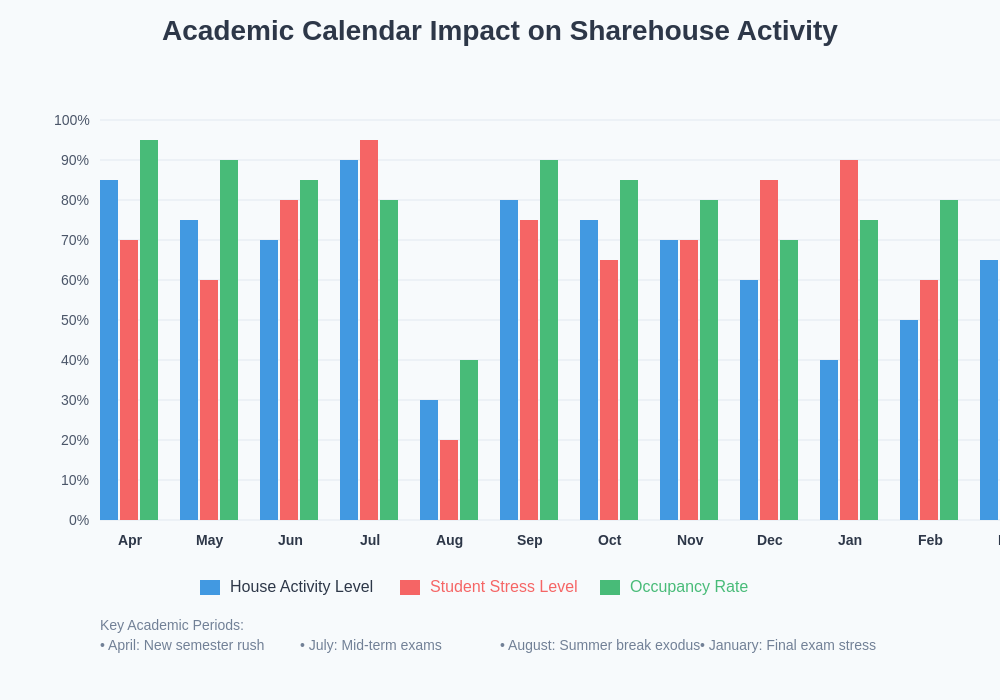
Examination periods represent the most dramatic transformation in sharehouse dynamics, converting typically social and relaxed living environments into pressure cookers of academic stress where normal social conventions become suspended in favor of survival-mode studying behaviors. Common areas that usually host movie nights and cooking sessions transform into silent study halls filled with textbooks, laptops, and the quiet desperation of students cramming months of material into final preparation sessions.
The psychological pressure during these periods affects not only the students directly involved in examinations but also non-student residents who must navigate heightened stress levels, restricted access to shared spaces, and dramatically altered noise expectations that can feel oppressive to those unaccustomed to academic pressure cycles. Why academic deadlines affect house mood explores how these stress periods create ripple effects throughout entire residential communities.
Sleep patterns become completely disrupted during examination periods as students adopt irregular study schedules that prioritize academic preparation over healthy rest cycles. Late-night studying sessions and early morning review periods create noise conflicts with residents maintaining regular work schedules, while exhausted students crash at unusual hours that can interfere with normal house activities and social interactions.
Kitchen usage patterns shift dramatically as students prioritize convenient, quick-preparation foods over elaborate cooking sessions, leading to increased reliance on convenience store purchases and simple meal solutions that can strain refrigerator space and create conflicts over food storage and preparation equipment access. The stress eating behaviors common during examination periods also contribute to increased grocery costs and storage challenges that affect entire household budgets and planning systems.
Seasonal Break Exodus and Ghost Town Effects
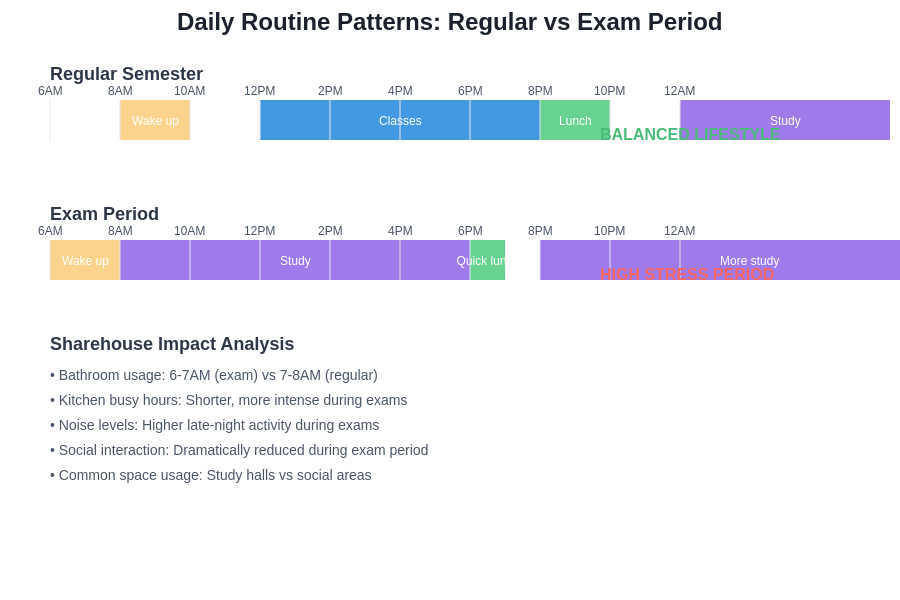
University break periods transform bustling sharehouses into eerily quiet spaces as student populations temporarily disperse to family homes, travel adventures, and seasonal employment opportunities. How school calendar changes impact student housing becomes particularly relevant during these periods when occupancy rates plummet and remaining residents must adapt to dramatically different social and practical living conditions.
The summer break exodus creates unique challenges for sharehouse management and remaining residents as shared costs become concentrated among fewer people while maintenance needs and utility expenses continue at previous levels. Houses designed for maximum occupancy during active academic periods often feel oversized and expensive when operating with skeleton crews of year-round residents who must shoulder increased financial burdens during these quiet months.
International students often remain in sharehouses during traditional Japanese vacation periods due to visa restrictions, work obligations, or financial constraints that prevent extended travel. These residents frequently find themselves in positions of temporary house leadership, taking on responsibilities for maintenance, security, and communication with property management that they may be unprepared to handle effectively.
The return periods following major breaks create their own challenges as residents readjust to shared living conditions after weeks or months of independence or family living arrangements. Relationship dynamics shift as people return with new experiences, changed priorities, and sometimes altered academic or career trajectories that affect their long-term housing commitments and community engagement levels.
Study Group Dynamics and Space Competition
Academic collaboration requirements transform sharehouses into impromptu educational facilities as study groups, project meetings, and presentation practice sessions compete for limited common space with normal residential activities. How group projects become complicated explores the challenges that arise when academic necessities collide with residential privacy expectations and noise management concerns.
Language exchange partnerships and international student tutoring arrangements add additional layers of complexity to space usage patterns as residents attempt to balance personal academic needs with community obligations and social relationship maintenance. The informal educational activities that emerge naturally in diverse international environments can create wonderful learning opportunities while simultaneously straining facility capacity and quiet study requirements.
The competition for premium study spaces during peak academic periods often reveals underlying tensions about space allocation fairness, resident priority systems, and the balance between individual academic success and community harmony. High-performing students may monopolize optimal study locations, creating resentment among residents with different academic capabilities or study style preferences.
Technology requirements for modern university work create additional infrastructure pressures as multiple residents simultaneously demand high-speed internet access, power outlet availability, and adequate lighting for extended study sessions. Houses with inadequate technological infrastructure face significant challenges during periods of peak academic activity when everyone requires optimal conditions for research, writing, and online collaboration.
Cultural Differences in Academic Approaches
The convergence of diverse educational backgrounds and cultural approaches to learning within international sharehouses creates fascinating dynamics that can either enrich everyone’s academic experience or generate significant friction around study habits, social expectations, and community responsibility priorities. How different education systems affect expectations becomes particularly relevant when residents from individualistic and collectivistic academic cultures attempt to coexist in shared study and living environments.
Western students often struggle with Japanese university expectations around group harmony, respect for authority, and indirect communication styles that affect everything from classroom participation to study group leadership dynamics. These cultural adjustments ripple through sharehouse communities as residents navigate different approaches to conflict resolution, academic pressure management, and social hierarchy establishment.
Japanese students may find international approaches to academic competition, direct communication, and individual achievement focus challenging to integrate with their traditional educational values and social relationship expectations. The resulting cultural negotiations require significant patience and understanding from all community members as everyone adapts to different academic rhythm expectations and success measurement criteria.
The language barriers that affect academic performance also impact sharehouse social dynamics as residents struggling with Japanese language requirements may require additional support, study time, or accommodation that affects shared resource allocation and community activity participation levels. These challenges create opportunities for mutual support and cultural learning while simultaneously testing community patience and resource sharing willingness.
Weekend and Holiday Pattern Disruptions
University holiday calendars create unique rhythm disruptions in sharehouses as academic breaks don’t always align with traditional work schedules or cultural celebration periods. How cultural festivals affect house activities explores how these timing mismatches create opportunities for cultural exchange while generating practical challenges around activity planning and community participation expectations.
Golden Week and other extended Japanese holidays create particularly complex dynamics as international students may lack family connections or cultural traditions that provide natural activity structures during these periods. Sharehouses often become centers for alternative celebration planning and cultural education as residents share their own holiday traditions while learning about Japanese customs and expectations.
Weekend study requirements during intensive academic periods disrupt normal social activity patterns and recreational planning as residents must balance individual academic responsibilities with community relationship maintenance and stress relief needs. The pressure to study during traditional relaxation periods can create guilt, resentment, and social isolation that affects long-term community cohesion and individual well-being.
Religious observance schedules among diverse international populations add additional complexity to weekend and holiday planning as residents navigate different dietary restrictions, activity limitations, and celebration requirements that may conflict with academic deadlines or house activity schedules. Accommodating these diverse needs requires careful planning and cultural sensitivity that not all sharehouse communities are prepared to provide effectively.
Financial Rhythms and Budget Cycling
University payment schedules create predictable financial stress cycles that ripple through sharehouse communities as residents manage tuition deadlines, textbook purchases, and seasonal expense fluctuations that affect their housing payment reliability and lifestyle choices. How to budget realistically for sharehouse living becomes essential knowledge for students navigating these complex financial rhythms while maintaining housing stability and community relationships.
Part-time work scheduling around academic commitments creates income variability that affects residents’ ability to participate in house activities, contribute to shared expenses, and maintain consistent payment schedules for housing and utilities. The seasonal nature of many student employment opportunities generates additional financial pressure during examination periods when work hours decrease while academic expenses often increase.
Textbook rental and purchase cycles create significant budget impacts that many students fail to anticipate adequately, leading to financial stress that affects housing payment ability and social activity participation levels. The timing of these expenses often coincides poorly with other academic costs and housing payment schedules, creating cash flow challenges that require careful planning and sometimes community support to navigate successfully.
International students face additional financial complexity from currency exchange fluctuations, international money transfer fees, and visa-related restrictions that affect employment opportunities and income stability. These factors create unpredictable financial pressures that can affect housing stability and community relationship dynamics when payment difficulties arise unexpectedly.
Technology Infrastructure and Academic Demands
Modern university coursework places unprecedented demands on sharehouse technology infrastructure as multiple residents simultaneously require high-speed internet access for research, video conferencing, online course participation, and digital submission systems. How internet data limits affect your monthly usage becomes particularly relevant when academic requirements push household bandwidth consumption beyond contracted service levels.
The proliferation of digital learning platforms and online collaboration tools creates constant connectivity requirements that strain shared internet resources during peak academic periods when everyone needs optimal performance simultaneously. Video conferences for group projects, online examination sessions, and lecture streaming can consume enormous bandwidth while generating noise conflicts that affect other residents’ study and rest needs.
Power consumption patterns shift dramatically during intensive study periods as residents operate multiple devices simultaneously for extended hours, creating increased electricity costs and potential infrastructure strain that affects entire household utility budgets and environmental comfort systems. The heat generation from multiple computers and charging devices can also affect air conditioning needs and costs during already expensive summer months.
Equipment sharing arrangements around printers, scanners, and specialized software create additional complexity as academic deadlines generate competing demands for limited resources. Establishing fair usage policies and cost-sharing arrangements for these essential tools requires ongoing negotiation and adjustment as academic requirements and resident populations change throughout the year.
Social Integration Challenges and Opportunities
The cyclical nature of university schedules creates unique challenges for social integration as new students arrive during specific enrollment periods when existing residents may be heavily focused on academic responsibilities rather than community building activities. Making friends through Tokyo sharehouse communities becomes more complex when academic pressures compete with relationship building needs and social activity participation expectations.
Long-term residents often struggle with the constant turnover of student populations as academic program completion, exchange program endings, and graduation cycles generate frequent community composition changes that can feel exhausting for those seeking stable social relationships and consistent community dynamics. The investment required to integrate new residents repeatedly throughout the year can create fatigue and resistance to community building efforts.
Academic program differences create natural divisions within sharehouse communities as graduate students, undergraduate students, language school students, and exchange students operate on different schedules, pressure levels, and social integration needs that may not align naturally. These divisions can create subcommunities within larger sharehouses that sometimes compete for resources and social dominance rather than fostering inclusive community environments.
The intensity of academic relationships and study partnerships can create insider-outsider dynamics that affect broader community social structures, particularly when language barriers or cultural differences limit participation in academic social activities. Non-student residents may feel excluded from the primary social networks that develop around academic collaboration and study partnerships, leading to community fragmentation and reduced overall satisfaction levels.
Long-term Adaptation Strategies
Successfully navigating the cyclical challenges of university-influenced sharehouse living requires developing adaptive strategies that acknowledge the predictable nature of academic rhythms while maintaining flexibility for unexpected disruptions and individual variation in academic pressure responses. How to handle roommate conflicts without moving out provides essential skills for managing the interpersonal challenges that arise when academic stress combines with shared living pressures.
Establishing clear communication protocols for academic period expectations helps community members prepare for schedule changes, resource competition, and social dynamic shifts that accompany different phases of the university calendar. Advance planning for examination periods, break periods, and major assignment deadlines can minimize conflicts and ensure adequate resource allocation for everyone’s success.
Creating flexible space usage agreements that accommodate changing academic needs while protecting essential community functions requires ongoing negotiation and adjustment as resident populations and academic demands evolve. These agreements must balance individual academic success needs with community harmony and resource sharing fairness expectations.
Developing mutual support systems that leverage the diverse skills, knowledge, and experience within sharehouse communities can transform academic pressure periods from sources of conflict into opportunities for collaborative learning and relationship strengthening. However, these systems require careful management to avoid exploitation, burnout, and academic integrity concerns that can arise when support becomes dependence.
The rhythm of university life within Tokyo sharehouses creates a unique living experience that demands flexibility, understanding, and proactive management from all community members. Success in these environments requires recognizing academic schedules as fundamental organizing principles that shape every aspect of shared living, from practical resource allocation to social relationship development and long-term community sustainability planning.
Disclaimer
This article is for informational purposes only and does not constitute professional academic or housing advice. University schedules and sharehouse dynamics vary significantly between institutions, programs, and individual properties. Readers should consider their specific academic requirements and living preferences when making housing decisions. The experiences described may not apply to all sharehouse situations or academic programs.