The landscape of university services across Tokyo’s educational institutions presents a complex web of support systems that can dramatically influence an international student’s academic success and overall living experience. Each university develops its own approach to student support, creating significant variations in housing assistance, language programs, career guidance, and cultural integration services that directly impact students choosing sharehouse accommodation over traditional dormitory options.
Understanding these institutional differences becomes crucial for international students navigating both academic requirements and daily life challenges while living in sharehouses. The quality and accessibility of university services often determine how well students can balance their studies with the social dynamics and practical demands of shared living arrangements, making informed university selection essential for long-term success in Tokyo’s competitive academic environment.
Academic Support Services and Resource Accessibility
Universities across Tokyo demonstrate remarkable variation in their academic support infrastructure, with some institutions offering comprehensive tutoring programs, writing centers, and subject-specific assistance while others maintain minimal support systems that leave students largely responsible for their own academic success. Student sharehouses near top Tokyo universities become particularly important when universities lack robust academic support, as peer learning within sharehouse communities often compensates for institutional gaps.
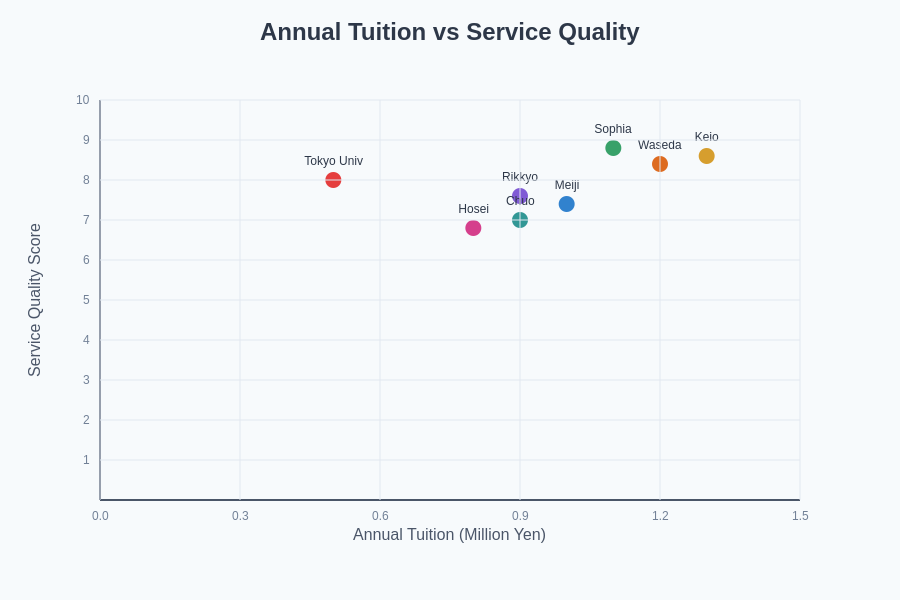
Private universities typically invest more heavily in academic support services compared to national institutions, offering extensive tutoring programs, academic coaching, and personalized learning assistance that can significantly impact student performance and stress levels. These enhanced services often justify higher tuition costs and influence students’ housing decisions, as proximity to campus becomes more valuable when frequent access to support services is necessary.
Research-focused institutions tend to prioritize graduate student support over undergraduate services, creating disparities in available resources that affect different student populations’ housing needs and social integration patterns. International students at research universities often find themselves relying more heavily on sharehouse communities for academic collaboration and mutual support when institutional resources prove insufficient for their specific needs.
The availability of specialized academic services such as English-language support, cross-cultural academic writing assistance, and international curriculum guidance varies dramatically between institutions, directly affecting how international students manage their academic workload while maintaining sharehouse relationships and responsibilities.
International Student Support and Integration Programs
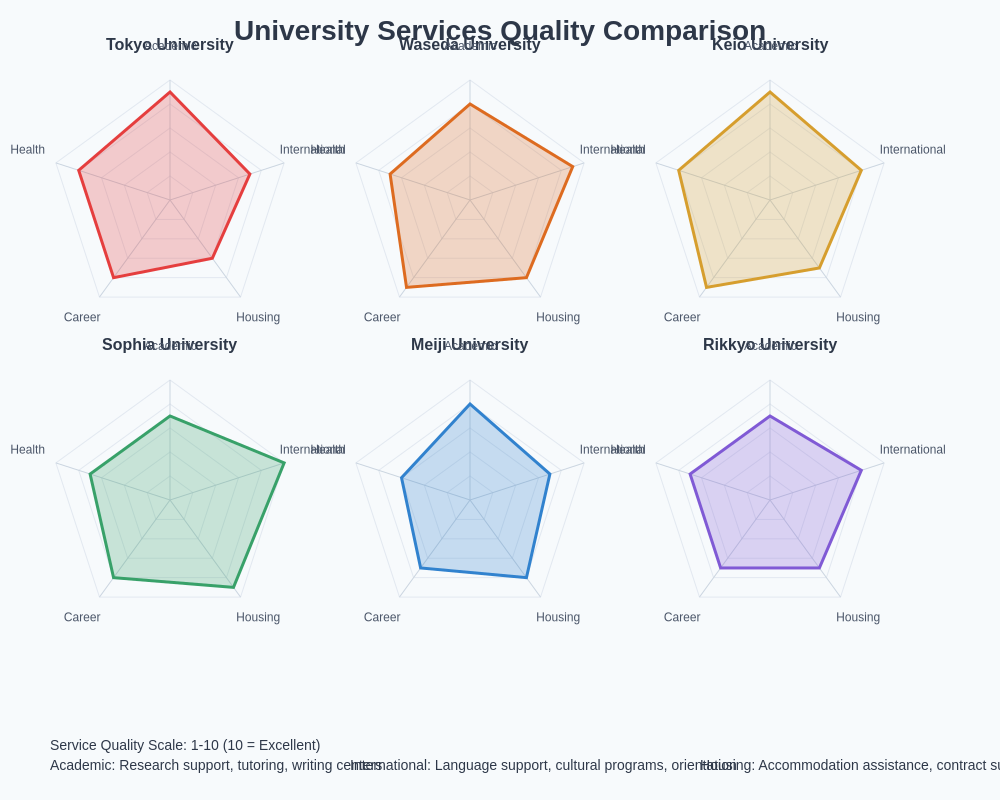
The scope and quality of international student services represent one of the most significant differentiators between Tokyo universities, with some institutions maintaining dedicated international centers staffed by multilingual counselors while others offer minimal support for non-Japanese students. English-speaking sharehouses in Tokyo for foreigners often become essential alternatives when universities fail to provide adequate language support or cultural integration assistance.
Comprehensive international programs typically include orientation sessions, cultural adaptation workshops, academic system explanations, and ongoing counseling services that help students navigate both university requirements and broader Japanese society. Universities with strong international programs often see their students successfully integrating into diverse sharehouse communities, as these students develop better cultural competency and communication skills through institutional support.
Language exchange programs, buddy systems, and cultural mentorship initiatives vary significantly across institutions, with some universities facilitating meaningful connections between international and domestic students while others leave such relationship building to chance. Students at universities with limited international programming often depend more heavily on sharehouse social networks for cultural learning and friendship development.
The timing and frequency of international student support services also differs substantially, with some universities providing year-round assistance while others concentrate support during enrollment periods, leaving students to manage ongoing challenges independently. Living with Japanese roommates in Tokyo sharehouses becomes particularly valuable when universities offer limited ongoing cultural integration support throughout the academic year.
Housing Assistance and Accommodation Guidance
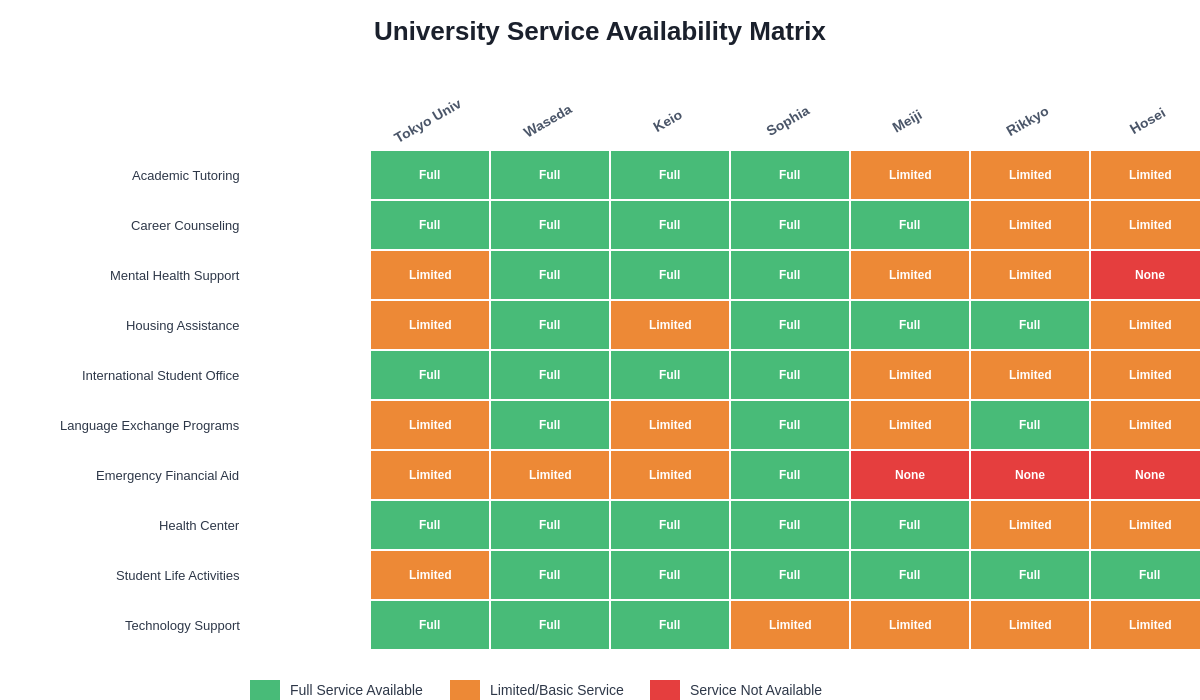
University housing services demonstrate perhaps the greatest variation among institutional offerings, ranging from comprehensive housing assistance programs that help students secure appropriate accommodation to minimal guidance that leaves students navigating Tokyo’s complex rental market independently. Some universities maintain partnerships with specific sharehouse operators, providing students with vetted accommodation options and ongoing housing support throughout their academic tenure.
Institutions with robust housing services typically offer accommodation search assistance, contract negotiation support, and conflict resolution services that can be invaluable for international students unfamiliar with Japanese rental practices and cultural norms. Japanese sharehouse rules every foreigner should know becomes less critical when universities provide comprehensive housing orientation and ongoing support for students in private accommodation.
The geographic scope of university housing assistance varies considerably, with some institutions focusing exclusively on on-campus or nearby accommodation while others provide guidance for students seeking housing throughout Tokyo’s metropolitan area. Universities with limited housing services often see their international students clustering in specific sharehouse-heavy neighborhoods where informal support networks develop among students from the same institution.
Financial assistance for housing costs, including deposit support, emergency housing funds, and accommodation subsidies, differs dramatically between universities and can significantly impact students’ housing choices and quality of life. How much Tokyo sharehouses really cost per month becomes a critical consideration when universities offer minimal financial support for student accommodation needs.
Career Services and Professional Development
The quality and scope of career services represent another major area of institutional variation, with some universities offering comprehensive internship programs, job placement assistance, and professional development workshops while others provide minimal career guidance for students entering Japan’s competitive job market. International students living in sharehouses often benefit from career services that help them understand Japanese workplace culture and professional expectations.
Universities with strong industry connections typically provide better internship opportunities, networking events, and direct recruitment programs that can significantly impact students’ post-graduation prospects and career trajectories. These enhanced career services often influence international students’ decisions about housing location, as proximity to campus becomes more valuable when frequent participation in career events and networking opportunities is essential for professional development.
The availability of English-language career counseling, resume assistance, and interview preparation varies substantially across institutions, affecting how well international students can leverage university resources for career advancement. Dating while living in Tokyo sharehouses intersects with career development as professional networking and social relationship building often overlap in Tokyo’s interconnected business and social environments.
Alumni networks and mentorship programs differ significantly in their accessibility and usefulness for current students, with some universities maintaining active global alumni communities while others offer limited ongoing professional connections. Students at universities with weak alumni networks often rely more heavily on sharehouse communities and broader social networks for professional guidance and career opportunities.
Mental Health and Counseling Services
Mental health support services vary dramatically across Tokyo universities, with some institutions offering comprehensive counseling programs, stress management resources, and crisis intervention services while others maintain minimal psychological support for students facing academic, cultural, or personal challenges. The quality of mental health services can significantly impact how well international students manage the stresses of academic life combined with sharehouse living dynamics.
Universities with robust mental health programs typically provide multilingual counseling, cultural adjustment support, and specialized services for international students dealing with homesickness, cultural shock, and academic pressure. How homesickness hits differently in shared spaces becomes particularly relevant when universities lack adequate mental health support for students struggling with cultural adaptation while managing sharehouse relationships.
The accessibility and stigma surrounding mental health services differ significantly between institutions, with some universities normalizing counseling usage while others maintain cultural barriers that prevent students from seeking help. Students at universities with limited mental health support often turn to sharehouse communities for emotional support and stress management, creating additional pressure on these living arrangements.
Crisis intervention procedures and emergency mental health protocols vary substantially across institutions, affecting how well universities can respond to serious psychological emergencies and provide ongoing support for students in crisis. The availability of 24-hour support, emergency counseling, and crisis hotlines can be crucial for international students living in sharehouses who may lack family support systems in Japan.
Technology and Digital Infrastructure
The quality and accessibility of university technology services create significant variations in students’ academic experience and ability to maintain connections with family and friends while living in sharehouses. Some universities provide comprehensive IT support, high-speed internet access, and extensive digital learning platforms while others maintain outdated technology infrastructure that hampers academic performance and social connectivity.
Campus internet quality and accessibility directly affect students’ ability to participate in online learning, conduct research, and maintain personal relationships through digital communication. How internet data limits affect your monthly usage becomes crucial when universities provide inadequate campus internet access, forcing students to rely more heavily on sharehouse internet connections for academic work.
Digital learning platforms, online course management systems, and virtual classroom technologies vary significantly in their sophistication and user-friendliness across institutions. Universities with advanced digital infrastructure often enable more flexible study schedules that can better accommodate sharehouse living arrangements and part-time work commitments that many international students maintain.
Technical support availability, including help desk services, equipment lending programs, and software licensing, differs substantially between universities and can impact students’ academic success and technological literacy development. Students at universities with limited technical support often form informal technology assistance networks within their sharehouse communities.
Student Life and Extracurricular Programming
The breadth and quality of student life programming vary enormously across Tokyo universities, with some institutions offering extensive club activities, cultural events, and social programming while others maintain minimal extracurricular opportunities for student engagement and community building. The richness of campus life directly influences how much time students spend on campus versus in their sharehouse communities.
Universities with vibrant student life programs typically see better integration between international and domestic students, creating more diverse social networks that extend beyond sharehouse boundaries. Making friends through Tokyo sharehouse communities becomes less critical when universities provide ample opportunities for cross-cultural friendship development through organized activities and programs.
Cultural programming, international festivals, and cross-cultural events differ significantly in their frequency and quality across institutions, affecting how well international students can share their backgrounds while learning about Japanese culture. Universities with strong cultural programming often produce students who are better prepared for the cultural dynamics of diverse sharehouse living.
Sports facilities, recreational programs, and fitness services vary substantially between universities, influencing students’ physical health, stress management, and social interaction opportunities. Students at universities with limited recreational facilities often seek these services in their local communities, making sharehouse location and nearby amenities more important for maintaining physical and mental well-being.
Financial Aid and Student Employment Services
The availability and accessibility of financial aid programs demonstrate significant variation across Tokyo universities, with some institutions offering extensive scholarship opportunities, work-study programs, and emergency financial assistance while others provide minimal financial support for students facing economic challenges. The level of financial support can dramatically impact students’ housing choices and quality of life in sharehouses.
Work authorization assistance, job placement services for part-time employment, and guidance on visa regulations for student workers differ substantially between institutions. How part-time income makes applications harder becomes relevant when universities provide inadequate guidance on balancing work and study obligations while maintaining legal visa status.
Emergency financial assistance programs, including emergency loans, hardship grants, and crisis intervention funding, vary significantly in their availability and accessibility across institutions. Students at universities with limited emergency financial support often rely more heavily on sharehouse communities for mutual financial assistance and resource sharing during difficult periods.
Scholarship application support, financial literacy education, and budgeting assistance differ considerably between universities, affecting how well students can manage their finances while living independently in sharehouses. Universities with comprehensive financial education programs often see their students making better housing and lifestyle decisions throughout their academic careers.
Health Services and Medical Support
Campus health services present another area of significant institutional variation, with some universities operating comprehensive health centers staffed by medical professionals while others provide minimal health support for students dealing with illness, injury, or ongoing medical conditions. The quality of campus health services can significantly impact international students’ ability to maintain their health while managing academic responsibilities and sharehouse living.
Mental and physical health integration, preventive care programs, and health education initiatives differ substantially across institutions, affecting students’ overall well-being and academic performance. How illness spreads faster in sharehouses becomes particularly relevant when universities provide inadequate health education about disease prevention and community health responsibility.
Health insurance guidance, medical system navigation assistance, and emergency medical protocols vary significantly between universities, affecting how well international students can access appropriate healthcare when needed. Students at universities with limited health services often depend on sharehouse communities for health information sharing and mutual care during illness.
Specialized health services, including reproductive health, mental health crisis intervention, and chronic disease management, demonstrate substantial variation in availability and quality across institutions. The accessibility of these services can significantly impact students’ quality of life and academic success while living in shared accommodation environments.
Understanding the variation in university services across Tokyo institutions empowers international students to make informed decisions about both their educational choices and housing arrangements. The interplay between institutional support and sharehouse community dynamics creates unique opportunities and challenges that require careful consideration and planning for academic and personal success in Japan’s capital city.
Disclaimer
This article is for informational purposes only and does not constitute professional educational or housing advice. University services and policies change frequently, and specific offerings may vary from the general patterns described. Prospective students should research current services at their specific institutions and consult with university advisors when making housing and academic decisions. The relationship between university services and sharehouse living experiences may vary based on individual circumstances and institutional policies.