The landscape of sharehouse applications in Japan has undergone significant changes in recent years, with vaccination requirements emerging as a crucial factor that can substantially impact application success rates and housing availability. These requirements reflect broader public health considerations and represent a new layer of complexity that international residents must navigate when seeking accommodation in Tokyo and other major Japanese cities.
Understanding how vaccination requirements influence the application process enables prospective residents to prepare appropriate documentation, identify suitable properties, and develop strategies that maximize approval chances while respecting legitimate health and safety concerns that protect entire sharehouse communities.
Evolution of Health Requirements in Sharehouse Applications
The integration of vaccination requirements into sharehouse application processes represents a fundamental shift in how operators evaluate potential residents and manage community health risks. This evolution reflects Japan’s broader approach to public health management and demonstrates how global health concerns have reshaped shared living environments across the country.
Initially implemented as temporary measures during peak health concerns, many vaccination requirements have evolved into permanent policies that reflect operator priorities regarding community safety and risk management. Japanese sharehouse rules every foreigner should know now includes health documentation as a standard component of application requirements alongside traditional financial and personal background verification.
The implementation of these requirements varies significantly between different operators, property types, and geographic locations, creating a complex landscape that requires careful navigation by prospective residents. Some operators have adopted comprehensive health screening protocols, while others maintain minimal requirements or focus on specific vaccination types based on their target demographics and community priorities.
Understanding Different Operator Policies and Requirements
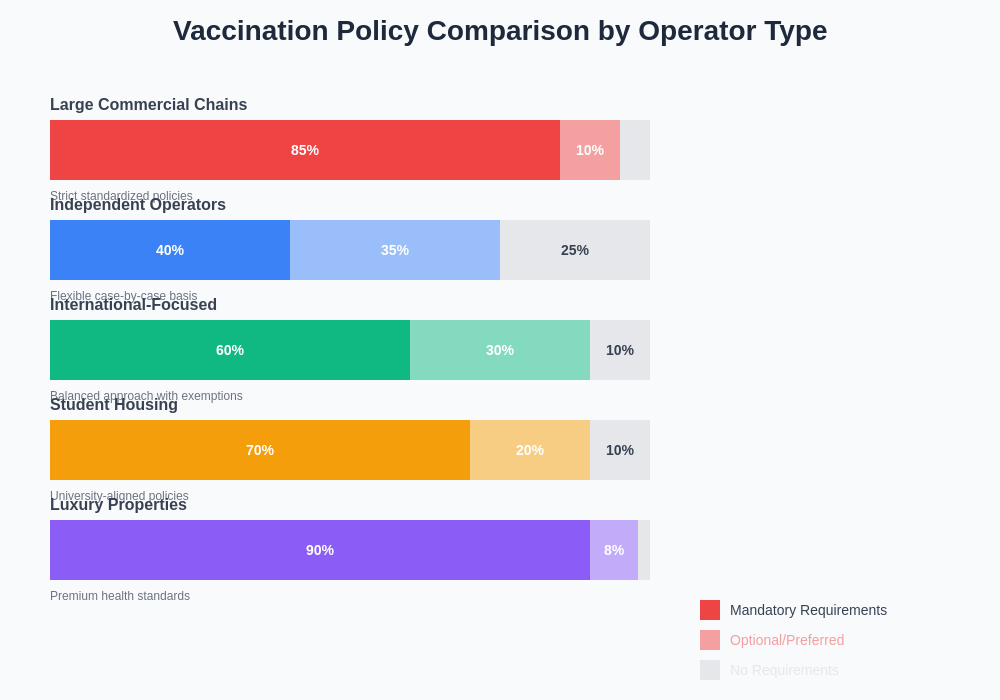
Sharehouse operators across Japan have developed diverse approaches to vaccination requirements, ranging from mandatory comprehensive vaccination records to optional health documentation that may provide competitive advantages during the application process. Large commercial operators often implement standardized policies across their entire property portfolios, while smaller independent operators may develop customized requirements based on specific community needs and resident demographics.
Corporate sharehouse chains typically establish clear, documented vaccination policies that apply uniformly across all properties, providing consistency and predictability for applicants but potentially limiting flexibility for individual circumstances. How to find perfect sharehouse tokyo now requires understanding these policy variations as part of the comprehensive search and evaluation process.
Independent operators and smaller sharehouse communities often maintain more flexible approaches that may consider individual circumstances, alternative health documentation, or exemptions based on medical conditions or personal beliefs. However, this flexibility can also create uncertainty and require more extensive communication during the application process to understand specific expectations and requirements.
The enforcement mechanisms for vaccination requirements also vary significantly, with some operators requiring ongoing compliance monitoring and periodic documentation updates, while others focus primarily on initial application screening without subsequent verification requirements.
Documentation Requirements and Verification Processes
The specific documentation required to satisfy vaccination requirements encompasses various forms of official health records, each carrying different levels of acceptance and verification complexity. What documents you need for Tokyo sharehouse applications has expanded to include detailed guidance on health documentation preparation and submission procedures.
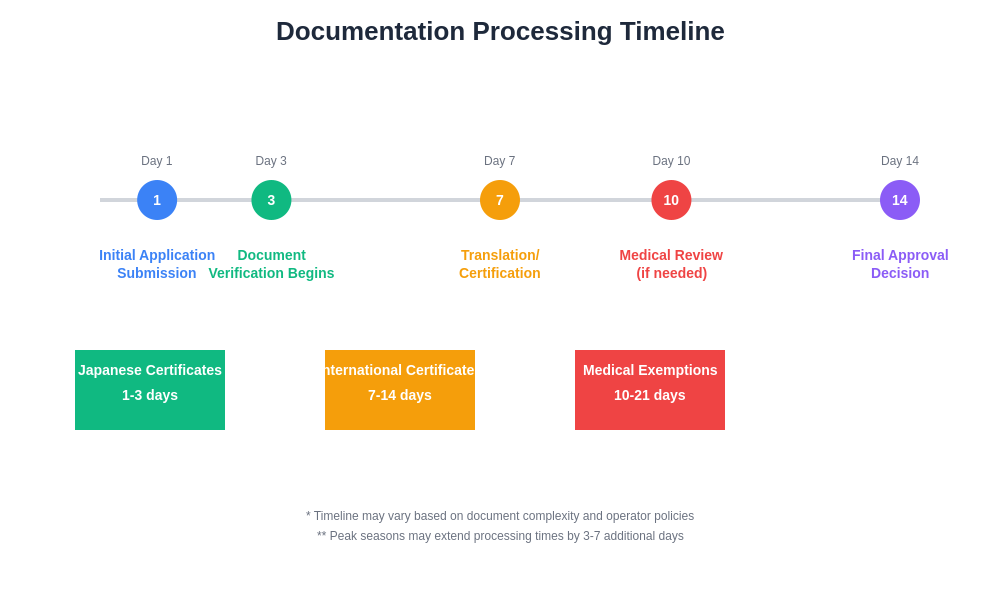
Official vaccination certificates issued by recognized health authorities represent the most widely accepted form of documentation, but international residents may face challenges related to certificate format recognition, language translation requirements, and verification procedures for foreign-issued documents. Japanese-issued vaccination records typically receive immediate acceptance, while international certificates may require additional verification steps or translation services.
Digital vaccination certificates and health passport applications have gained acceptance among many operators, particularly those serving international resident communities, but compatibility issues and verification procedures can vary significantly between different platforms and certificate systems. Understanding which digital formats are accepted by specific operators helps streamline the application process and avoid documentation delays.
Alternative health documentation, including medical exemption letters, testing records, or immunity verification through laboratory results, may be accepted by some operators under specific circumstances, but the acceptance criteria and verification requirements for these alternatives vary widely and require direct communication with property managers to confirm eligibility.
Impact on Application Timeline and Success Rates
Vaccination requirements can significantly extend application processing timelines, particularly for international applicants who may need additional time to obtain, translate, or verify health documentation from their home countries. How to budget realistically for sharehouse living now includes potential costs associated with health documentation preparation and verification services.
The verification process for international vaccination certificates can add days or weeks to standard application timelines, especially when translation services, apostille certification, or additional authentication procedures are required. Planning for these extended timelines becomes essential for applicants with specific move-in deadlines or limited temporary accommodation options.
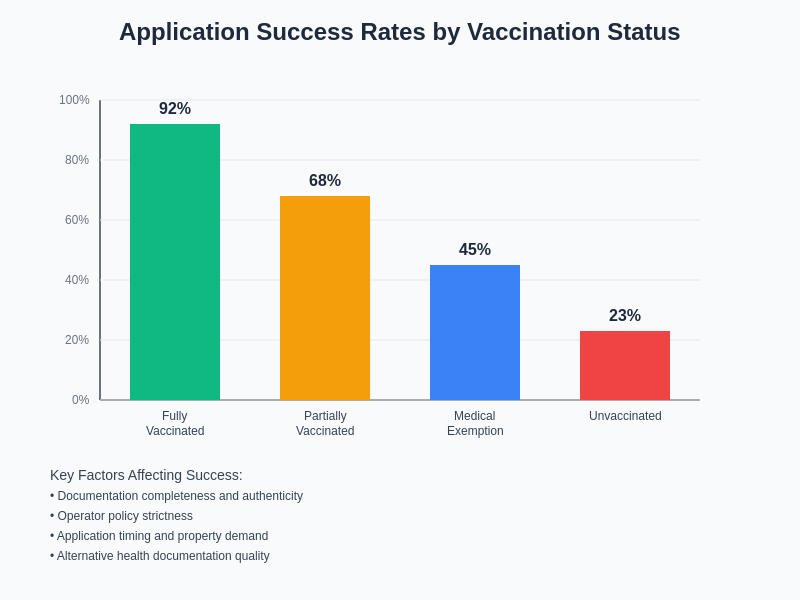
Success rates for applications can be significantly influenced by vaccination status and documentation quality, with fully vaccinated applicants often receiving priority consideration during competitive application periods. However, the specific impact varies considerably between different operators and property types, with some maintaining vaccination-neutral evaluation processes while others clearly prioritize vaccinated applicants.
Incomplete or inadequate health documentation can result in application delays, additional documentation requests, or outright rejection, making thorough preparation and early submission of complete vaccination records crucial for maintaining competitive application positioning.
Financial Implications and Additional Costs
The integration of vaccination requirements into sharehouse applications can generate various additional costs that impact overall housing budgets and financial planning considerations. Documentation preparation, translation services, medical consultations, and verification procedures can add substantial expenses to the application process, particularly for international residents with complex vaccination histories.
Translation and certification services for international vaccination certificates typically cost between ¥5,000 to ¥20,000 depending on document complexity, certification requirements, and service provider selection. Living costs tokyo sharehouses explained should include these potential health documentation costs in comprehensive budget planning.
Medical consultation fees for vaccination record clarification, exemption documentation, or additional health assessments can range from ¥10,000 to ¥50,000 depending on the specific services required and healthcare provider selection. These costs are particularly relevant for applicants with incomplete vaccination records or complex medical histories requiring professional documentation.
Some operators may implement health-related application fees or deposits that are separate from standard security deposits and rental payments, adding another layer of financial consideration to the application process. Understanding these potential costs enables more accurate budget planning and prevents unexpected financial obstacles during the application process.
Navigating Exemptions and Alternative Documentation
Medical exemptions and alternative health documentation pathways provide options for applicants who cannot meet standard vaccination requirements due to legitimate medical conditions, religious beliefs, or other circumstances beyond their control. How to handle roommate conflicts without moving out includes guidance on communicating health-related concerns and requirements with housemates and management.
Medical exemption documentation typically requires official certification from licensed healthcare providers, detailed explanation of medical contraindications, and sometimes additional supporting documentation that demonstrates ongoing medical supervision. The acceptance criteria for medical exemptions vary significantly between operators, with some maintaining strict medical review processes while others defer to applicant-provided documentation.
Religious or philosophical exemption pathways exist with some operators, particularly those serving diverse international communities, but the documentation requirements and acceptance criteria for these exemptions can be complex and require extensive communication with property management to understand specific policies and procedures.
Alternative testing protocols, including regular health screening, periodic testing requirements, or enhanced health monitoring procedures, may be available as substitutes for vaccination requirements with certain operators, but these alternatives often involve ongoing compliance obligations and additional costs throughout the residency period.
Communication Strategies with Property Managers
Effective communication regarding vaccination requirements and health documentation requires clear, proactive engagement with property managers and application coordinators who may have limited experience handling diverse health documentation scenarios. Living with Japanese roommates in Tokyo sharehouses includes guidance on cross-cultural health communication and expectation management.
Initial inquiries about vaccination requirements should focus on understanding specific documentation expectations, verification procedures, timeline implications, and any available alternatives or exemption pathways. Providing complete information about your vaccination status and documentation availability during initial communications helps property managers assess your application feasibility and provide appropriate guidance.
Documentation submission should be accompanied by clear explanations of certificate origins, vaccination types, dates, and any relevant medical context that may assist with verification procedures. Translation of key information into Japanese, even when English documentation is accepted, demonstrates consideration for property manager convenience and may expedite processing timelines.
Follow-up communication regarding documentation status, verification progress, and any additional requirements should maintain professional, patient tone while expressing appropriate urgency regarding application timelines and housing needs. Building positive relationships with property managers through respectful, clear communication often facilitates smoother handling of complex health documentation scenarios.
Seasonal Variations and Policy Changes
Vaccination requirements and health policies within the sharehouse industry demonstrate seasonal fluctuations and evolving standards that reflect broader public health conditions and regulatory environment changes. Student sharehouses near top Tokyo universities experience particularly dynamic policy changes related to academic calendar timing and student population health management.
Peak application seasons, including spring semester starts and summer housing transitions, often coincide with heightened health screening requirements as operators manage increased resident turnover and community health risks associated with population changes. Understanding these seasonal patterns helps applicants time their applications appropriately and prepare for potentially enhanced documentation requirements during busy periods.
Policy updates and requirement changes typically occur with minimal advance notice, making it essential for prospective applicants to confirm current requirements directly with operators rather than relying on outdated information from websites, previous applicants, or secondary sources. Regular communication with property managers ensures access to current, accurate requirement information.
Long-term residents may face evolving compliance requirements as policies change, including periodic documentation updates, additional vaccination requirements, or enhanced health monitoring procedures that extend beyond initial application screening. Understanding these potential ongoing obligations helps residents plan for long-term compliance and budget for associated costs.
Impact on Community Dynamics and Resident Relations
Vaccination requirements and health policies within sharehouses can significantly influence community dynamics, resident relationships, and overall house atmosphere as these policies affect resident selection, diversity, and ongoing community health management approaches. Making friends through Tokyo sharehouse communities includes consideration of how health policies impact community formation and social interactions.
Houses with strict vaccination requirements often develop communities with shared health consciousness and similar risk tolerance levels, which can foster cohesive community values but may also limit demographic diversity and cultural exchange opportunities. The enforcement approach for ongoing health policies affects resident comfort levels and community trust regarding health-related decision-making and privacy considerations.
Mixed vaccination status communities require careful navigation of health-related discussions and social activities to maintain inclusive community atmosphere while respecting diverse health choices and comfort levels. Understanding how health policies affect community dynamics helps prospective residents identify houses that align with their social preferences and comfort levels regarding health-related community management.
Privacy considerations related to health information sharing and ongoing compliance monitoring can affect resident comfort levels and community openness, particularly when vaccination status becomes known information that influences social interactions and community participation decisions.
Legal Considerations and Rights Protection
The implementation of vaccination requirements in private housing raises various legal considerations related to discrimination protection, privacy rights, and fair housing practices that affect both operators and applicants. How to spot financial red flags in sharehouse contracts includes guidance on identifying potentially problematic health-related contract clauses and requirement structures.
Understanding your rights regarding health information privacy, medical exemption accommodations, and fair treatment during the application process helps protect against potential discrimination while respecting legitimate operator concerns regarding community health management. Legal consultation may be appropriate for complex situations involving medical exemptions or potential discrimination concerns.
Contract clauses related to ongoing health compliance requirements, vaccination status changes, and health-related termination conditions require careful review to understand long-term obligations and potential consequences of policy non-compliance. These clauses can significantly affect residency stability and should be thoroughly understood before contract signing.
Documentation storage and privacy protection for health information submitted during applications involves important considerations regarding data security, information sharing with other residents or authorities, and long-term storage practices that may affect personal privacy and information security.
Strategies for Different Vaccination Scenarios
Fully vaccinated applicants can leverage their vaccination status as a competitive advantage during application processes, particularly for properties with high demand or strict health policies, but should still prepare comprehensive documentation to streamline verification procedures and demonstrate thorough preparation. Real stories from Tokyo sharehouse residents includes experiences from residents who navigated various vaccination requirement scenarios.
Partially vaccinated applicants may need to explore operators with flexible requirements, consider completing vaccination series before application submission, or investigate alternative documentation pathways that accommodate their specific vaccination status while meeting operator requirements for community health protection.
Unvaccinated applicants face the most significant challenges but can still find housing options by focusing on operators with exemption pathways, alternative health screening procedures, or minimal vaccination requirements, though the available options may be more limited and require more extensive search efforts.
International applicants with foreign vaccination certificates should prioritize documentation preparation, translation services, and verification procedures early in their housing search timeline to avoid delays and ensure smooth application processing when suitable properties are identified.
The navigation of vaccination requirements in sharehouse applications requires careful preparation, clear communication, and realistic expectation setting regarding available options and potential limitations. Success in this evolving landscape depends on thorough research, proactive documentation preparation, and flexible approach to operator selection that balances personal health choices with practical housing availability considerations.
Disclaimer
This article is for informational purposes only and does not constitute medical or legal advice. Vaccination requirements and health policies for sharehouses may vary and change frequently. Readers should verify current requirements directly with property operators and consult appropriate medical and legal professionals regarding their specific circumstances. The information provided reflects general trends and should not be relied upon for specific application decisions without current, operator-specific verification.