
The competitive spirit of video game tournaments has emerged as one of the most powerful catalysts for building genuine community connections within Tokyo’s diverse sharehouse environments. What begins as casual gaming sessions between strangers often evolves into elaborate tournament structures that transcend cultural boundaries, language barriers, and personality differences, creating lasting friendships that extend far beyond the digital realm. These gaming competitions have transformed from simple entertainment into sophisticated social frameworks that address many of the challenges international residents face when building meaningful relationships in Japan.
The phenomenon of sharehouse gaming tournaments represents a unique intersection of modern digital culture and traditional community building, where residents discover shared passions that overcome initial social awkwardness and cultural misunderstandings. Gaming communities form in tech-savvy houses across Tokyo, creating environments where technical skills, strategic thinking, and competitive spirit become the foundation for deep interpersonal connections that often surprise participants with their intensity and longevity.
The Evolution of Gaming Culture in Sharehouses
Tokyo’s sharehouse gaming culture has undergone remarkable transformation as international residents bring diverse gaming traditions from their home countries while adapting to Japan’s unique gaming landscape. The convergence of different gaming preferences, skill levels, and cultural approaches to competition creates rich environments where residents learn not only about different games but also about varying cultural attitudes toward competition, teamwork, and social interaction through digital mediums.
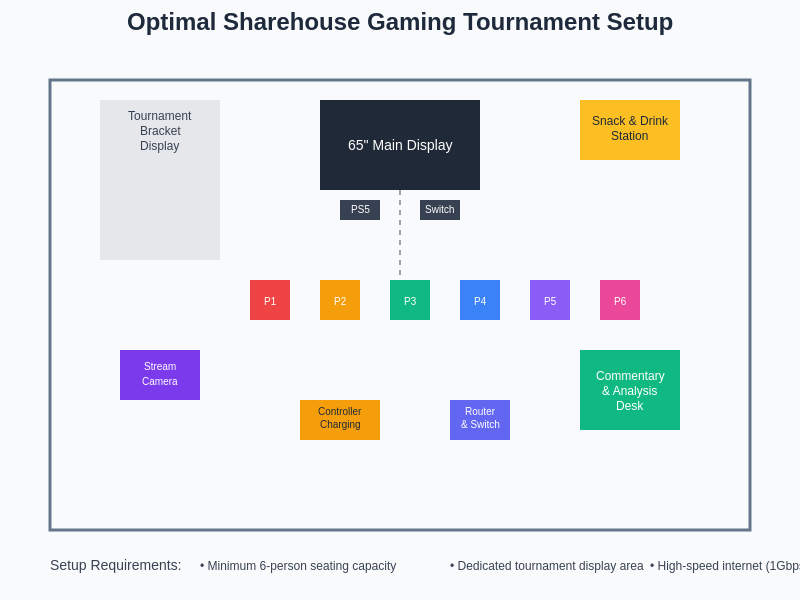
Modern sharehouses increasingly recognize gaming as legitimate social infrastructure, with many properties investing in high-quality gaming setups, dedicated gaming spaces, and reliable internet connections that support competitive online gaming. Gaming requires premium internet plans to ensure smooth tournament experiences, leading management companies to prioritize connectivity investments that benefit entire resident communities beyond gaming activities.
The demographic shift toward younger, tech-savvy international residents has accelerated the adoption of gaming as primary social activity, with many houses developing informal gaming hierarchies, regular tournament schedules, and sophisticated scoring systems that rival professional esports organizations. These organic structures provide residents with clear social roles, achievement pathways, and recognition systems that satisfy fundamental human needs for belonging and accomplishment within their living communities.
Breaking Down Cultural and Language Barriers
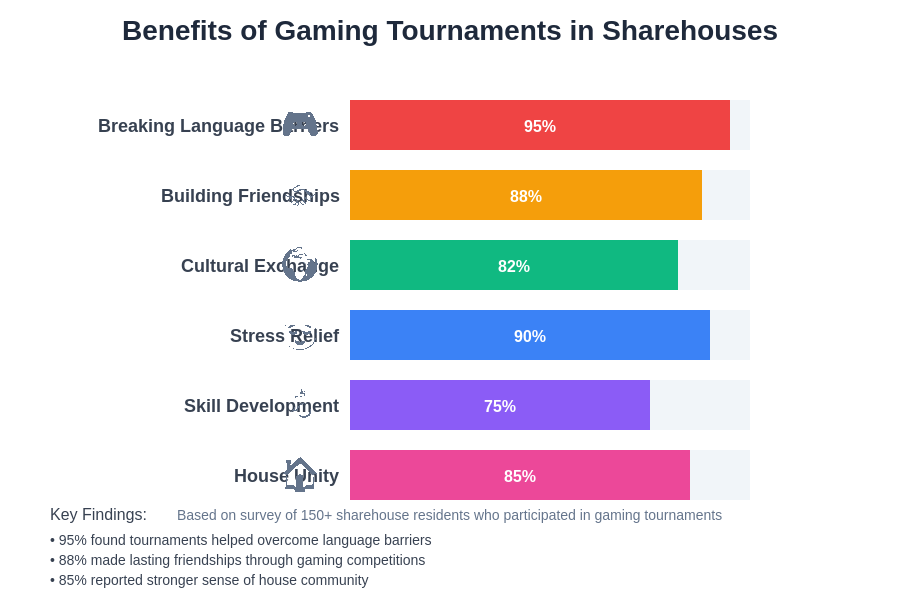
Video game tournaments possess unique power to neutralize traditional communication barriers that often prevent meaningful connections between residents from different cultural backgrounds. The universal language of gaming mechanics, shared emotional experiences of victory and defeat, and collaborative problem-solving required in team-based competitions create communication contexts that transcend linguistic limitations and cultural misunderstandings that typically complicate cross-cultural relationships.
The competitive gaming environment encourages residents to develop new forms of communication that blend basic English, Japanese phrases, gaming terminology, and non-verbal cues into effective hybrid communication systems. How gaming addiction affects house dynamics explores both positive and negative aspects of intensive gaming culture, highlighting how moderate tournament participation can enhance rather than hinder social development and cultural integration.
Cultural exchange through gaming often leads to deeper understanding of different national gaming preferences, competitive styles, and social customs surrounding leisure activities. Residents discover fascinating differences in how various cultures approach competition, handle victory and defeat, and integrate gaming into broader social contexts, leading to rich discussions about cultural values, educational systems, and social expectations that extend far beyond gaming topics.
The shared emotional intensity of tournament competition creates accelerated bonding experiences that might otherwise take months to develop through conventional social interactions. Making friends through Tokyo sharehouse communities often happens most naturally during gaming sessions where residents experience authentic emotional responses together, creating foundation for genuine friendships built on mutual respect and shared experiences.
Creating Structured Social Frameworks
Successful sharehouse gaming tournaments require organizational structures that naturally distribute leadership responsibilities among residents, creating opportunities for individuals to develop and demonstrate various skills including event planning, conflict resolution, technical troubleshooting, and community management. These emerging leadership roles provide residents with meaningful ways to contribute to house culture while gaining valuable experience in cross-cultural team management and event coordination.
The tournament format itself provides clear social frameworks that help residents navigate complex interpersonal dynamics that can be challenging in multicultural living environments. Established rules, fair competition procedures, and predictable social roles reduce anxiety about social expectations while providing safe contexts for residents to express competitive instincts, celebrate achievements, and handle disappointments in supportive community settings.
Regular tournament schedules create anticipation and shared goals that give residents common topics for conversation, motivation for skill development, and reasons to spend quality time together in structured yet relaxed environments. How board game collections become community assets demonstrates similar community-building principles, showing how shared gaming resources foster collective ownership and collaborative enjoyment that strengthens house-wide relationships.
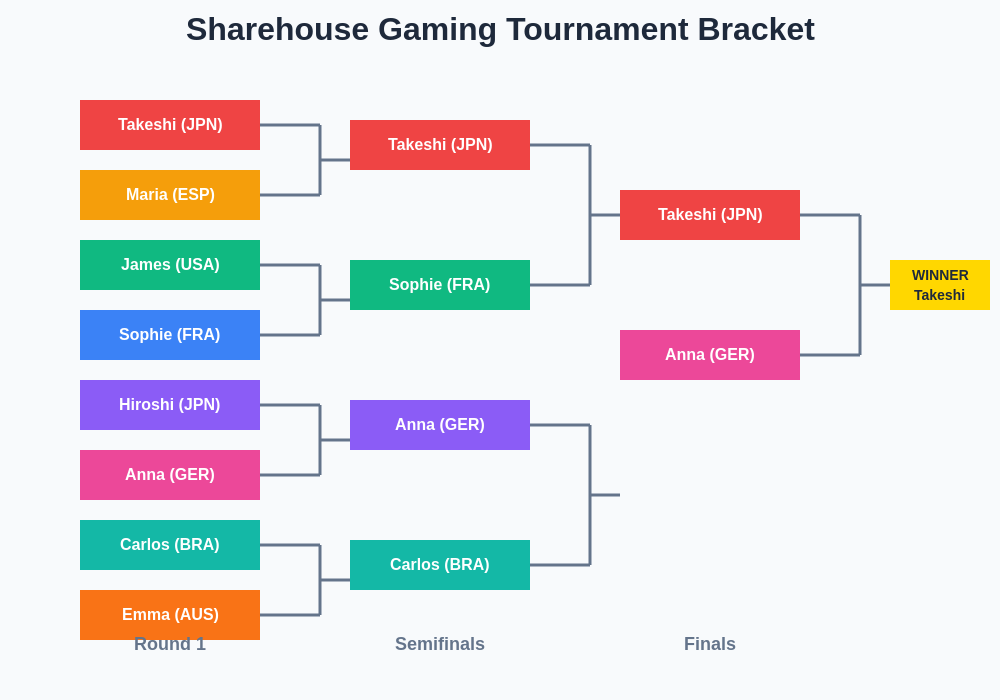
Tournament organization often reveals hidden talents and interests among residents, leading to discoveries of complementary skills in areas such as graphic design for tournament brackets, streaming technology for broadcast coverage, photography for event documentation, and social media management for community engagement. These skill discoveries frequently lead to collaborative projects that extend beyond gaming into professional networking and creative partnerships.
Fostering Healthy Competition and Cooperation
The balanced competitive environment of sharehouse gaming tournaments teaches residents valuable lessons about healthy competition that translates into improved relationships in all aspects of shared living. Learning to compete intensely while maintaining friendships, handle victories gracefully, and support others through defeats creates emotional intelligence skills that benefit residents in professional, academic, and personal contexts throughout their time in Japan.
Team-based gaming competitions require sophisticated cooperation strategies that help residents discover each other’s strengths, communication styles, and problem-solving approaches in high-pressure situations. Gaming communities have different sleep schedules can create challenges that tournament organizers must address through careful scheduling that accommodates various work, study, and lifestyle patterns while maintaining competitive integrity.
The tournament environment provides safe contexts for residents to express competitive drives and achievement motivations that might otherwise create tension in daily living situations. Channeling competitive energy into structured gaming competition reduces conflicts over household responsibilities, resource allocation, and social dynamics while providing positive outlets for ambition and performance orientation that many international residents possess.
Mixed-skill tournaments that pair experienced players with beginners create mentorship opportunities that strengthen intergenerational and cross-cultural bonds within houses. These coaching relationships often evolve into broader support systems where gaming mentors become guides for academic challenges, career development, and cultural adaptation, demonstrating how gaming connections translate into comprehensive mutual support networks.
Building Long-term Community Traditions
Successful gaming tournaments often evolve into established house traditions that persist across resident turnover cycles, creating cultural continuity that helps new residents integrate quickly into existing social structures. How sharehouse living prepares you for future challenges includes learning to participate in and eventually lead community traditions that require cultural sensitivity, organizational skills, and collaborative leadership approaches.
Tournament histories, record-keeping systems, and championship recognition create shared house mythology that gives residents sense of participating in something larger than themselves. Annual championship events, special tournament formats, and seasonal competitions provide rhythmic structure to house life that residents anticipate and prepare for, creating shared experiences that become foundation stories for house identity and culture.
Legacy tournaments often attract former residents to return for special events, creating extended community networks that provide ongoing professional and social connections for current residents. These alumni relationships demonstrate the lasting impact of gaming-based friendships while providing current residents with evidence that their tournament participation contributes to valuable long-term relationship building that extends beyond their sharehouse tenure.
Documentary traditions around major tournaments, including photography, video compilation, and social media coverage, create shared memories that residents cherish long after moving out. Social media impacts real-life relationships in complex ways, but tournament documentation generally strengthens rather than diminishes authentic interpersonal connections by preserving and celebrating genuine shared experiences.
Managing Technical and Logistical Challenges
The infrastructure requirements for successful gaming tournaments push sharehouse management and residents to collaborate on technical solutions that benefit entire communities. Internet data limits affect your monthly usage becomes critical consideration for tournament organizers who must balance competitive gaming requirements with fair resource allocation among all residents throughout the house.
Equipment sharing arrangements for gaming tournaments require residents to develop trust, communication protocols, and conflict resolution procedures that translate into improved cooperation in all aspects of shared living. The collaborative problem-solving required to troubleshoot technical issues, coordinate equipment usage, and manage tournament logistics creates opportunities for residents to demonstrate reliability and develop mutual respect through practical cooperation.
Space management challenges during tournaments encourage creative solutions that maximize common area utility while respecting diverse resident preferences and schedules. Remote work equipment affects space usage considerations overlap with gaming space needs, requiring residents to negotiate shared resource allocation that balances professional responsibilities with community social activities.
Tournament timing coordination across different work schedules, academic commitments, and cultural preferences requires sophisticated planning that develops residents’ project management skills while teaching cultural sensitivity about varying lifestyle patterns. These organizational challenges often reveal leadership potential among residents while creating structured contexts for cross-cultural collaboration on complex logistical problems.
Addressing Potential Conflicts and Challenges
While gaming tournaments create numerous positive outcomes, they also require careful management to prevent competitive intensity from creating lasting interpersonal conflicts or excluding residents who lack gaming skills or interest. Gaming addiction affects house dynamics in ways that tournament organizers must monitor to ensure gaming remains healthy social activity rather than obsessive behavior that disrupts broader house harmony.
Inclusive tournament design requires consideration of varying skill levels, gaming experience, and cultural attitudes toward competition to ensure all residents feel welcome to participate regardless of their gaming background. Creating multiple tournament categories, handicapping systems, and alternative participation roles allows houses to maximize community engagement while maintaining competitive integrity for serious gamers.
Time management conflicts arise when tournament schedules compete with academic deadlines, work responsibilities, or cultural obligations that affect different residents at different times. How exam periods create stress for everyone demonstrates how external pressures can impact community activities, requiring tournament organizers to remain flexible and responsive to residents’ changing priorities and stress levels.
Noise management during evening and weekend tournaments requires diplomatic solutions that balance competitive gaming requirements with residents’ needs for quiet study time, sleep, and relaxation. These negotiations teach residents valuable lessons about compromise, consideration, and community responsibility that improve overall house living quality beyond gaming contexts.
Integrating Gaming with Broader House Culture
Successful integration of gaming tournaments into broader sharehouse culture requires balance between gaming activities and other community interests including cooking, cultural events, academic support, and professional networking. How karaoke sessions reveal personality differences shows how different entertainment preferences can complement rather than compete with each other when thoughtfully integrated into comprehensive community programming.
Cross-pollination between gaming communities and other house activities often leads to innovative hybrid events that combine gaming with cooking competitions, cultural presentations, or academic discussions. These creative combinations maximize resident participation while acknowledging diverse interests and cultural backgrounds that enrich overall community experience.
Gaming tournaments frequently serve as fundraising mechanisms for house improvement projects, charity initiatives, or group travel plans that benefit entire resident communities. Tournament entry fees, sponsorship arrangements, and prize contributions create collaborative financial frameworks that teach residents about resource pooling, project management, and collective decision-making processes.
The social skills developed through gaming tournament participation often translate into leadership roles in other house activities, creating pipeline of experienced community organizers who can facilitate diverse types of events and activities. This skill transfer ensures gaming tournaments contribute to broader community capacity building rather than creating isolated gaming subcultures within houses.
Gaming tournaments in Tokyo sharehouses represent powerful examples of how modern digital culture can enhance rather than diminish authentic human connection and community building. Through structured competition, collaborative problem-solving, and shared emotional experiences, these tournaments create social frameworks that help international residents overcome cultural barriers, develop lasting friendships, and build valuable life skills that serve them well beyond their sharehouse experiences. The success of gaming tournaments demonstrates the importance of recognizing and supporting diverse forms of community building that reflect the interests and values of contemporary international residents while honoring the fundamental human need for belonging, achievement, and authentic interpersonal connection.
Disclaimer
This article is for informational purposes only and reflects general observations about gaming culture in Tokyo sharehouses. Individual experiences may vary significantly based on house culture, resident demographics, and management policies. Readers should consider their own gaming preferences, time management abilities, and social comfort levels when evaluating gaming-focused living environments. The effectiveness of gaming tournaments in building community connections depends on various factors including resident participation, organizational quality, and broader house culture dynamics.