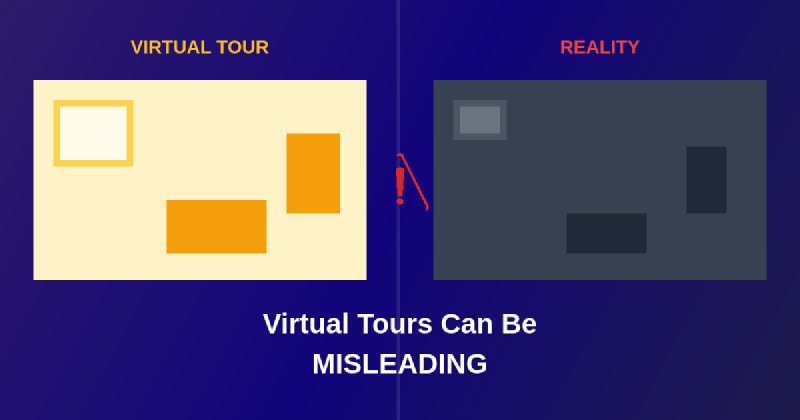
Virtual tours have revolutionized the way international residents search for sharehouses in Tokyo, offering seemingly convenient previews of potential living spaces without the need for physical visits. However, beneath the polished facade of these digital presentations lies a complex web of marketing techniques, strategic omissions, and outright deceptive practices that can lead unsuspecting renters into disappointing and costly living situations. Understanding these manipulative tactics becomes essential for anyone relying on virtual tours to make housing decisions in Japan’s competitive rental market.
The proliferation of virtual tour technology has created unprecedented opportunities for property managers and operators to present their sharehouses in the most favorable light possible, often at the expense of accuracy and honest representation. These carefully crafted digital experiences can mask fundamental problems, exaggerate positive features, and create unrealistic expectations that only become apparent after signing contracts and moving in. How to find the perfect sharehouse in Tokyo requires understanding these potential pitfalls and developing strategies to see through misleading presentations.
The Psychology of Virtual Deception
Virtual tours exploit fundamental psychological principles that influence decision-making and perception, creating powerful tools for manipulation that can override rational evaluation processes. The immersive nature of virtual experiences triggers emotional responses that can cloud judgment and create false impressions of space, quality, and desirability that persist even when confronted with contradictory evidence.
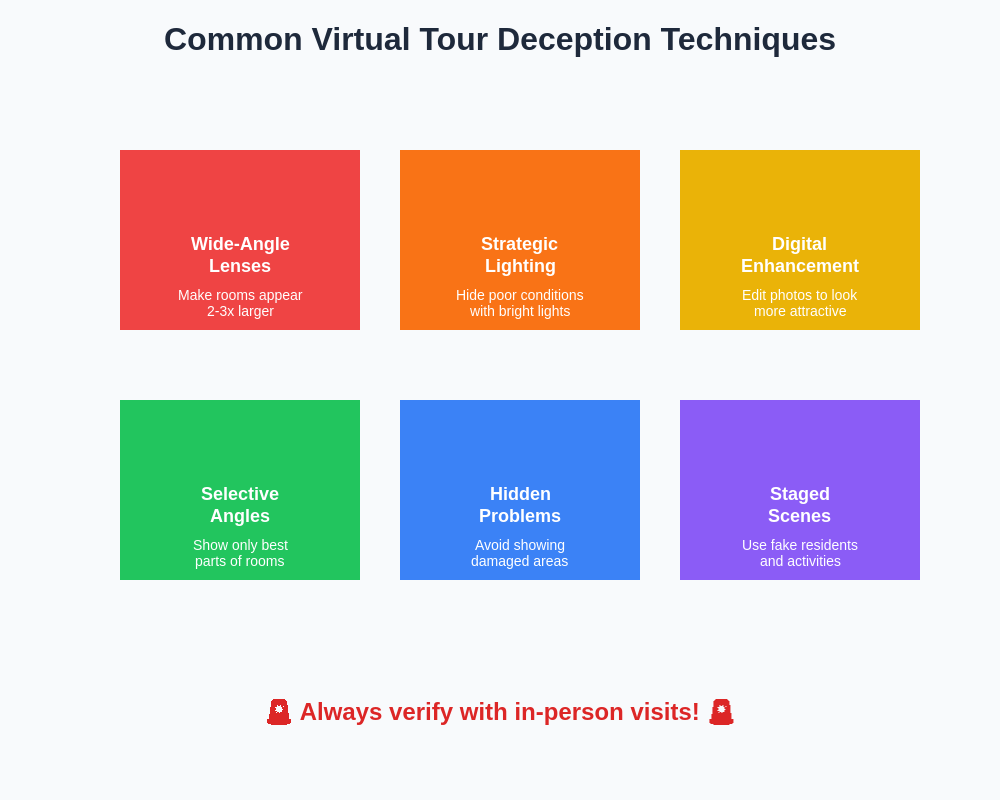
Professional photographers and virtual tour specialists employ sophisticated techniques including strategic lighting, carefully selected camera angles, and post-processing enhancement to create images that bear little resemblance to actual living conditions. These manipulated presentations can make cramped rooms appear spacious, hide structural defects, and create atmospheres of luxury and comfort that simply don’t exist in reality.
The convenience factor of virtual tours also creates psychological pressure to make quick decisions based on limited information, particularly for international residents who may have limited time or resources for multiple property visits. Understanding utility bills in Japanese sharehouses becomes crucial when virtual tours fail to reveal hidden costs and poor building infrastructure that affect monthly expenses.
Camera Tricks and Visual Manipulation
Wide-angle lenses represent one of the most common and effective tools for creating misleading impressions of space and room size in virtual tours. These specialized lenses can make tiny rooms appear significantly larger than their actual dimensions, creating false expectations about living space and storage capacity that become painfully apparent only after moving in.
Strategic camera positioning involves placing cameras in optimal locations that maximize perceived space while minimizing visibility of problematic areas such as damage, wear, or poor maintenance. Professional photographers understand how to use corners, doorways, and elevated positions to create illusions of spaciousness and hide obvious defects or limitations.
Digital enhancement and photo editing software allow operators to manipulate lighting conditions, color saturation, and overall image quality to create unrealistic impressions of cleanliness, modernity, and luxury. These techniques can transform dingy, poorly maintained spaces into seemingly attractive living environments that bear no resemblance to actual conditions.
Selective room presentation ensures that virtual tours focus exclusively on the most attractive areas while completely avoiding problematic spaces such as damaged bathrooms, overcrowded common areas, or poorly maintained facilities. Best Tokyo neighborhoods for sharehouse living helps identify areas where such deceptive practices are more common due to high demand and limited options.
Lighting and Atmospheric Manipulation
Professional lighting setups used during virtual tour photography can dramatically alter the perceived atmosphere and quality of living spaces, creating warm, inviting environments that contrast sharply with the cold, harsh reality of artificial lighting and poor natural light access that characterizes many Tokyo sharehouses.
Natural light enhancement techniques involve scheduling photography during optimal daylight hours and using reflectors or additional lighting equipment to maximize brightness and create impressions of abundant natural light even in spaces with limited window access or poor orientation.
Color temperature manipulation allows photographers to create warm, cozy atmospheres through strategic use of lighting that masks the clinical, institutional feeling that often characterizes shared living facilities. These enhanced environments can create emotional connections that override rational evaluation of practical considerations.
Seasonal timing considerations involve conducting virtual tours during optimal weather conditions and times of year when natural lighting and external views appear most attractive, hiding seasonal problems such as poor heating, inadequate ventilation, or structural issues that become apparent during extreme weather periods.
Strategic Omissions and Hidden Problems
Virtual tours systematically exclude problematic areas and facilities that could negatively impact viewer impressions, creating incomplete pictures of actual living conditions that omit essential information needed for informed decision-making. These strategic omissions often involve the most crucial aspects of daily living comfort and convenience.
Bathroom and toilet facilities frequently receive minimal coverage in virtual tours, hiding problems such as poor maintenance, inadequate privacy, insufficient capacity for resident numbers, or hygiene issues that significantly impact daily living quality. Japanese sharehouse rules every foreigner should know often address these sensitive areas that virtual tours deliberately avoid.
Kitchen condition and capacity limitations rarely receive honest representation in virtual tours, which typically show pristine, unoccupied cooking spaces rather than the crowded, limited-storage reality that residents experience during actual use. Equipment quality, refrigerator space allocation, and cleanliness maintenance systems often remain completely hidden.
Storage and personal space limitations become apparent only after moving in, as virtual tours focus on empty rooms rather than showing realistic scenarios of how limited space affects daily living, clothing storage, and personal belongings organization.
Building maintenance issues such as water damage, structural problems, pest infestations, or inadequate heating and cooling systems rarely appear in virtual presentations, leaving residents to discover these costly and uncomfortable realities only after commitment to lease agreements.
Misrepresenting Community Spaces and Amenities
Common area presentations in virtual tours often show pristine, empty spaces that bear no resemblance to the crowded, cluttered reality of daily use by multiple residents with different cleanliness standards and space utilization habits. These idealized presentations create false expectations about available space and usage conflicts.
Recreation and social facilities receive glamorous treatment in virtual tours that hide capacity limitations, equipment quality problems, and availability restrictions that affect actual resident access and enjoyment. Making friends through Tokyo sharehouse communities becomes more difficult when promised facilities prove inadequate or inaccessible.
Laundry facilities often appear modern and convenient in virtual presentations while hiding problems such as insufficient capacity, poor maintenance, scheduling conflicts, and additional fees that create ongoing frustration and expense for residents.
Study and work spaces receive misleading representation that exaggerates privacy, quietness, and functionality while hiding noise problems, limited availability, and inadequate infrastructure for remote work or academic activities that many international residents require.
Technology Limitations and Digital Distortions
Virtual reality and 360-degree tour technology, while impressive, suffers from inherent limitations that can distort spatial perception and create unrealistic impressions of room dimensions, layout functionality, and overall living environment quality.
Resolution and compression issues in digital tour platforms can hide important details about condition, cleanliness, and maintenance quality that become obvious during in-person visits but remain invisible in compressed digital formats optimized for fast loading rather than accurate representation.
Motion artifacts and stitching errors in virtual tour technology can create disorienting experiences that mask layout problems, structural issues, or spatial limitations that affect daily living functionality and comfort.
Device compatibility problems ensure that virtual tours may appear differently across various smartphones, tablets, and computers, creating inconsistent experiences that may hide or emphasize different aspects depending on viewing technology and settings.
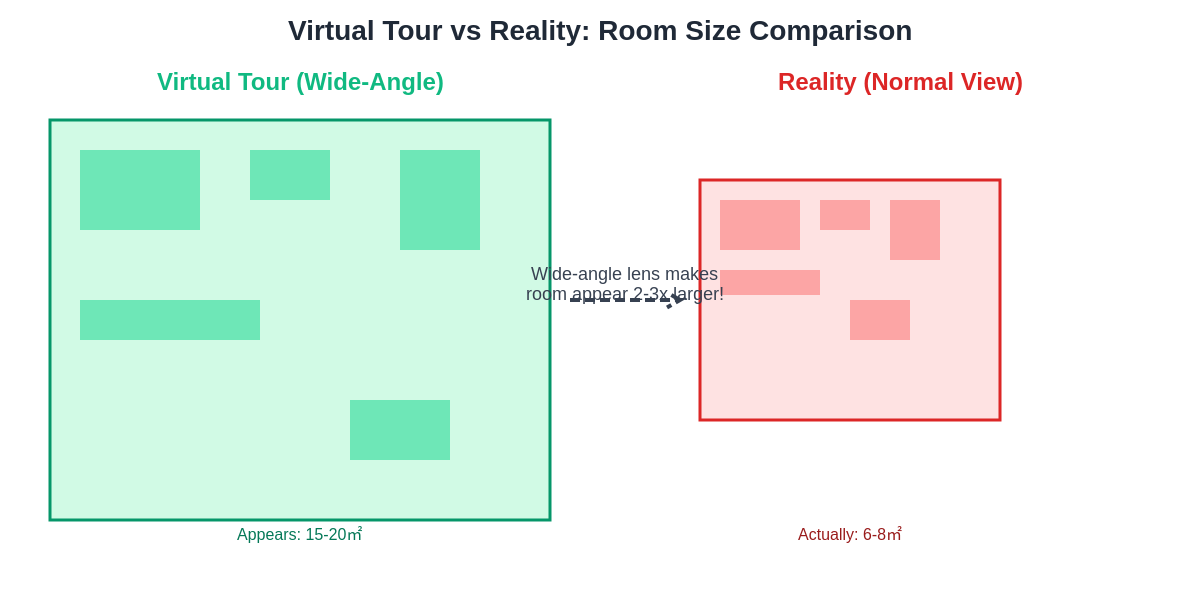
The dramatic difference between virtual tour presentations and actual room dimensions represents one of the most common and problematic deceptions in sharehouse marketing, with wide-angle photography routinely making spaces appear two to three times larger than reality.
Neighborhood and Location Misrepresentation
Virtual tours often include carefully selected exterior views and neighborhood shots that misrepresent the actual location, surrounding environment, and daily living conditions that residents experience outside their sharehouse.
Transportation access claims in virtual tour presentations frequently exaggerate convenience and minimize actual walking distances, station accessibility, and transportation costs that significantly impact daily commuting and lifestyle choices. Living costs in Tokyo sharehouses explained helps understand how location misrepresentation affects overall living expenses.
Local amenities and services receive selective presentation that highlights positive aspects while hiding negative factors such as limited shopping options, poor restaurant quality, safety concerns, or lack of essential services that affect daily convenience and comfort.
Noise and environmental factors rarely receive honest representation in virtual tours, which cannot convey traffic noise, construction disturbances, industrial activities, or other environmental problems that significantly impact living quality and comfort.
Tenant and Community Misrepresentation
Virtual tours sometimes include staged scenes featuring attractive, diverse residents engaged in social activities that create false impressions of community atmosphere, demographic composition, and social opportunities available in actual sharehouses.
Age and nationality demographics often receive misleading representation that creates expectations about social compatibility, language practice opportunities, and cultural exchange possibilities that may not reflect actual resident populations.
Activity levels and social engagement portrayed in virtual tours typically show idealized scenarios of friendly interaction and community participation that contrast sharply with the reality of busy schedules, cultural barriers, and personality conflicts that characterize many shared living situations.
House rules and community expectations receive minimal coverage in virtual presentations, hiding restrictions, conflicts, and management issues that significantly impact daily living freedom and social comfort.
Detecting Red Flags in Virtual Tours
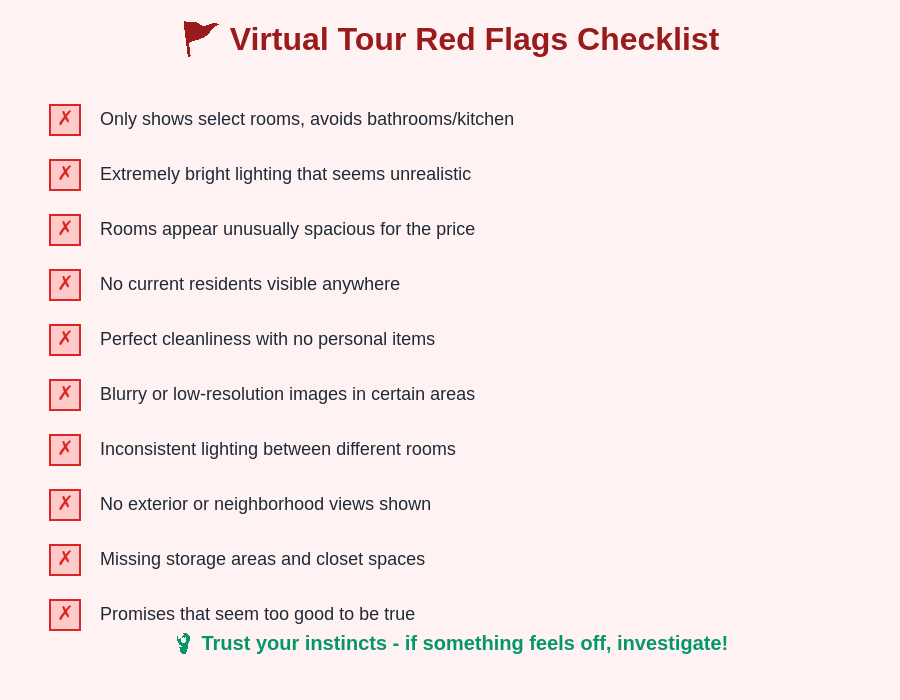
Suspicious presentation quality can indicate attempts to hide problems through over-processing, unrealistic lighting, or strategic angles that suggest underlying issues with property condition, maintenance, or management standards.
Missing information about essential facilities, lease terms, additional costs, or house rules often indicates intentional omissions designed to prevent negative impressions that could reduce interest or inquiries from potential residents.
Inconsistent details between virtual tour presentations and written descriptions, floor plans, or pricing information suggest either poor attention to accuracy or deliberate attempts to mislead potential residents about actual conditions or costs.
Limited tour scope that focuses exclusively on a few select areas while avoiding comprehensive coverage of all living spaces, facilities, and common areas typically indicates significant problems in areas not shown. How to spot financial red flags in sharehouse contracts helps identify when limited virtual tours correlate with problematic lease arrangements.
Verification Strategies and Protection Methods
Independent research through multiple sources including resident reviews, social media posts, and neighborhood investigations provides essential verification of virtual tour claims and helps identify discrepancies between presentations and reality.
Direct communication with current or former residents offers invaluable insights into actual living conditions, management quality, and daily challenges that virtual tours deliberately hide or misrepresent.
Professional inspection services, while costly, can provide objective evaluation of property conditions, structural integrity, and habitability factors that virtual tours cannot accurately convey.
Conditional lease arrangements that allow for property inspection and contract cancellation within specified periods provide protection against commitment to properties that fail to meet virtual tour promises or basic living standards.
Building Critical Evaluation Skills
Systematic comparison between multiple virtual tours helps identify common manipulation techniques, unrealistic presentation standards, and industry practices that indicate potential problems or deceptive marketing approaches.
Technical knowledge about photography, lighting, and digital enhancement enables more sophisticated evaluation of virtual tour authenticity and helps identify obvious manipulation or misrepresentation attempts.
Cultural awareness of Japanese housing standards, legal requirements, and typical sharehouse conditions provides context for evaluating whether virtual tour presentations reflect realistic expectations or impossible standards.
Documentation and evidence collection during virtual tour viewing processes creates records that can support dispute resolution or contract negotiation if actual conditions fail to match promotional representations.
Alternative Research and Verification Methods
Social media investigation through platforms popular with international residents in Tokyo often reveals authentic photos, experiences, and warnings about specific sharehouses that contradict virtual tour presentations.
Professional networks and community forums provide access to honest reviews, recommendations, and warnings from experienced residents who can offer realistic perspectives on sharehouse quality and management standards.
Local real estate agents and housing consultants familiar with sharehouse markets can provide professional evaluation of virtual tour presentations and identify potential problems or unrealistic claims.
Government resources and consumer protection agencies offer information about legal standards, complaint procedures, and tenant rights that help evaluate whether virtual tours meet minimum disclosure requirements. Real stories from Tokyo sharehouse residents provides authentic perspectives that contrast sharply with polished virtual presentations.
The challenge of virtual tour deception requires developing sophisticated evaluation skills, maintaining healthy skepticism, and investing in verification processes that ensure housing decisions based on accurate information rather than manipulated marketing presentations. While virtual tours provide valuable preliminary screening capabilities, they should never serve as the sole basis for housing commitments, particularly in Tokyo’s complex and competitive rental market where the consequences of poor housing choices can be both expensive and difficult to reverse.
Understanding these deceptive practices empowers international residents to navigate the sharehouse market more effectively, protect themselves from costly mistakes, and ultimately find living situations that meet their actual needs rather than the fantasy lifestyles portrayed in misleading virtual presentations.
Disclaimer
This article is for informational purposes only and does not constitute legal advice. Virtual tour practices and regulations may vary between different operators and jurisdictions. Readers should conduct thorough research and consider multiple information sources when making housing decisions. The examples mentioned are based on common industry practices and may not reflect specific companies or properties.