Water filter maintenance represents one of the most overlooked yet critical aspects of sharehouse living in Tokyo, creating a cascade of health risks, taste problems, and interpersonal conflicts that can significantly impact the quality of life for all residents. The complexity of shared responsibility, combined with a general lack of awareness about proper maintenance schedules, transforms what should be a simple routine task into a persistent source of problems that affects everything from daily hydration habits to cooking experiences and long-term health outcomes.
The consequences of neglected water filter maintenance extend far beyond simply having poor-tasting water, encompassing bacterial growth, mineral buildup, reduced filtration efficiency, and potential health hazards that can affect entire sharehouse communities for months without residents fully understanding the source of their discomfort and health issues.
The Psychology of Shared Responsibility Failure
The fundamental issue underlying water filter neglect stems from the diffusion of responsibility that occurs when multiple people share a resource without clear individual accountability. In sharehouses, residents often assume that someone else will handle maintenance tasks, creating a psychological phenomenon where everyone expects action from others while taking no initiative themselves.
Understanding utility bills in Japanese sharehouses reveals how shared costs can obscure individual responsibility, but water filter maintenance presents an even more complex challenge because the consequences develop gradually and affect everyone simultaneously. The absence of immediate visible consequences means that deteriorating filter performance goes unnoticed until problems become severe enough to impact daily life significantly.
This psychological barrier becomes particularly pronounced in international sharehouses where cultural differences in maintenance expectations, language barriers preventing clear communication about responsibilities, and varying levels of familiarity with Japanese water systems create additional layers of confusion and avoidance around what should be straightforward maintenance procedures.
The temporal disconnect between action and consequence plays a crucial role in maintenance neglect, as filters typically function acceptably for weeks or months beyond their recommended replacement dates before problems become obvious enough to motivate action. This delayed feedback loop reinforces procrastination and creates a pattern where maintenance only occurs in response to crisis situations rather than preventive scheduling.
Technical Deterioration and Performance Decline
Water filters in Tokyo sharehouses typically utilize multi-stage filtration systems designed to remove chlorine, sediment, heavy metals, and various contaminants commonly found in urban water supplies. How water quality varies by building age demonstrates how older buildings present additional challenges that make proper filtration even more critical for resident health and comfort.
The gradual decline in filter performance follows a predictable pattern that residents rarely recognize until advanced stages of deterioration. Initial performance degradation manifests as subtle changes in water taste and odor that residents often attribute to temporary municipal water system variations rather than recognizing them as indicators of filter degradation requiring immediate attention.
As filtration capacity diminishes, the system’s ability to remove chlorine decreases significantly, leading to stronger chemical tastes and odors that affect not only drinking water but also cooking results and beverage preparation. The accumulation of trapped contaminants creates breeding grounds for bacterial growth, particularly in warm, humid conditions common in Japanese summers.
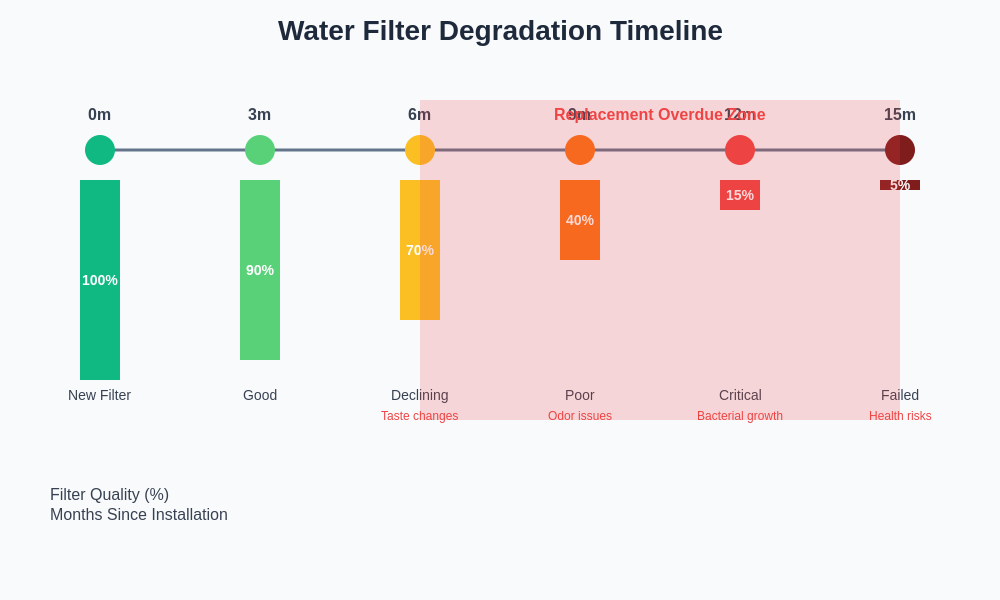
Advanced stages of filter neglect result in complete bypass situations where water flows around rather than through compromised filtration media, essentially eliminating any protective benefits while maintaining the false impression that filtration is still occurring. This situation can persist for months without detection if residents have adjusted gradually to declining water quality.
Health Implications and Gradual Impact Recognition
The health consequences of neglected water filter maintenance develop gradually, making it difficult for residents to recognize the connection between their symptoms and water quality degradation. How illness spreads faster in sharehouses explains how shared living conditions amplify health risks, and compromised water filtration adds another vector for potential health problems affecting entire communities.
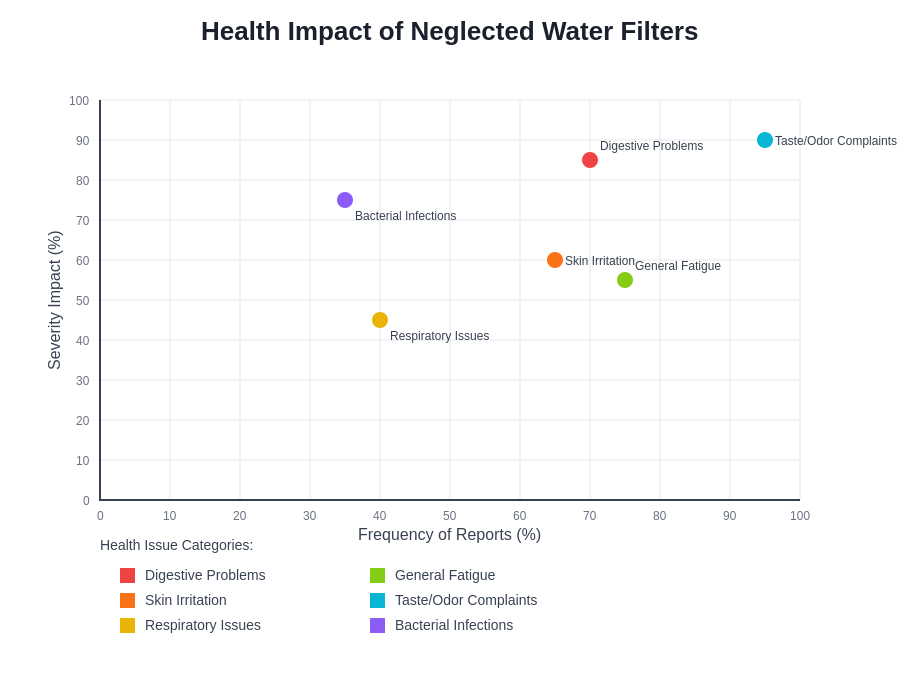
Initial health impacts typically manifest as digestive discomfort, increased frequency of stomach upset, and general feelings of unease that residents often attribute to dietary changes, stress, or seasonal factors rather than connecting them to declining water quality. The gradual nature of these symptoms makes identification particularly challenging in sharehouse environments where multiple factors could contribute to health changes.
Bacterial contamination from neglected filters can contribute to recurring gastrointestinal issues, skin problems from showering and washing, and respiratory irritation from increased chemical exposure through poorly filtered water used in cooking and beverage preparation. These health impacts accumulate over time and can affect residents’ overall well-being without clear attribution to water quality issues.
Long-term exposure to improperly filtered water may contribute to mineral imbalances, increased chemical exposure, and compromised immune system function that leaves residents more susceptible to other health challenges common in densely populated urban environments like Tokyo sharehouses.
Economic Consequences and Hidden Costs
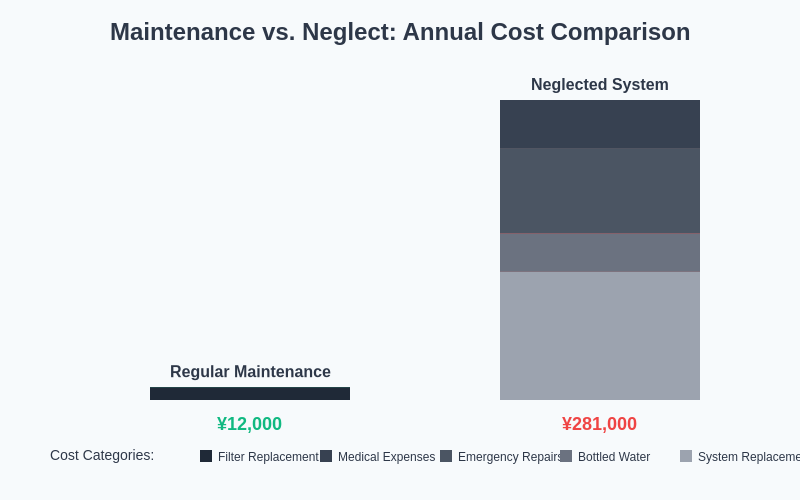
The financial implications of water filter neglect extend significantly beyond the cost of replacement filters, encompassing medical expenses, reduced quality of life, and additional costs that residents typically fail to consider when avoiding routine maintenance. Living costs in Tokyo sharehouses explained covers obvious expenses, but hidden costs from maintenance neglect can substantially impact resident budgets.
Neglected filters often require complete system replacement rather than simple filter changes, dramatically increasing costs when problems finally receive attention. Emergency replacements typically cost three to five times more than routine maintenance due to urgent service calls, premium pricing for immediate delivery, and potential damage to connecting hardware that requires professional repair.
Medical costs associated with health problems stemming from poor water quality can accumulate significantly over time, particularly for residents without comprehensive health insurance coverage. Digestive medications, skin treatments, and medical consultations related to water quality issues represent hidden costs that far exceed the price of regular filter maintenance.
The reduced effectiveness of cooking, coffee brewing, and beverage preparation often leads residents to purchase bottled water and prepared beverages, creating ongoing expenses that can exceed the cost of proper filter maintenance by substantial margins over time. These compensatory purchases represent economic inefficiency that could be avoided through simple maintenance routines.
Communication Breakdown and Conflict Development
Water filter maintenance issues frequently escalate into significant interpersonal conflicts within sharehouse communities, as residents struggle with unclear responsibilities, different cleanliness standards, and varying levels of concern about water quality issues. How to handle roommate conflicts without moving out provides general conflict resolution strategies, but water quality disputes often involve complex blame attribution and responsibility disagreements.
The gradual nature of filter degradation means that residents may have different perceptions of when problems began and who should bear responsibility for solutions. Long-term residents may blame newcomers for increased usage, while new residents may feel frustrated with inheriting neglected systems and unclear maintenance expectations from previous occupants.
Cultural differences in water quality expectations create additional communication challenges, as residents from different countries bring varying standards for acceptable water taste, odor, and filtration requirements. These differences can lead to dismissive attitudes toward legitimate concerns or, conversely, excessive anxiety about normal variations in water characteristics.
Language barriers frequently prevent clear communication about technical aspects of filter systems, maintenance schedules, and problem identification, leading to misunderstandings about who should take action and when maintenance activities should occur. These communication failures often result in prolonged neglect while residents assume others understand and will handle necessary maintenance tasks.
Systemic Failures in Management and Oversight
Sharehouse management companies and landlords often fail to establish clear protocols for water filter maintenance, leaving residents without guidance about responsibilities, schedules, or proper procedures for addressing filtration issues. Japanese sharehouse rules every foreigner should know covers general regulations, but water system maintenance often lacks specific guidelines that residents can follow.
Many sharehouses lack documentation about filter specifications, replacement schedules, or supplier information, making it difficult for residents to take initiative even when they recognize maintenance needs. This information gap creates dependency on management companies that may be unresponsive or unfamiliar with specific system requirements.
The absence of regular inspection routines means that filter condition assessments depend entirely on resident complaints rather than proactive monitoring that could prevent problems before they affect water quality. This reactive approach ensures that maintenance only occurs after problems have already impacted resident health and satisfaction.
Emergency response protocols for water quality issues are frequently inadequate or entirely absent, leaving residents without clear procedures for addressing urgent filtration problems outside normal business hours or during holiday periods when management support is unavailable.
Seasonal Variations and Environmental Factors
Tokyo’s climate patterns create seasonal challenges for water filter maintenance that are rarely anticipated or addressed through adjusted maintenance schedules. Summer heat and humidity accelerate bacterial growth within compromised filters, while seasonal water system changes can increase filtration demands beyond normal capacity expectations.
Why summer heat makes small rooms unbearable describes general climate challenges, but elevated temperatures also affect water filtration systems by increasing bacterial growth rates, accelerating mineral buildup, and reducing filtration efficiency through thermal effects on filter media performance.
Rainy season conditions introduce additional contaminants into municipal water supplies that can overwhelm aging filters more rapidly than normal usage patterns would suggest. The increased humidity during this period also creates ideal conditions for mold and bacterial growth within filter housing systems that have accumulated organic matter from extended use.
Winter heating systems can affect water temperature and pressure variations that impact filter performance, while reduced ventilation during cold months can concentrate odors from compromised filtration systems, making problems more noticeable to residents who might otherwise adapt gradually to declining water quality.
Detection Challenges and Warning Sign Recognition
The subtle nature of filter degradation makes early problem detection extremely challenging for residents without specific training in water quality assessment. Most people lack the knowledge to recognize early warning signs that could prompt timely maintenance before problems affect daily life significantly.
Water taste changes occur gradually, allowing residents to adapt unconsciously to declining quality until problems become severe enough to prompt complaints or health concerns. This adaptation process means that filter replacement often occurs only after complete failure rather than during optimal replacement windows that would maintain consistent water quality.
Visual indicators of filter problems, such as discoloration, sediment accumulation, or flow rate changes, are often dismissed as temporary issues or attributed to municipal water system variations rather than recognized as signs requiring immediate filter attention and replacement.
The location of filter systems under sinks or in utility areas means that visual inspection occurs infrequently, and problems can develop extensively before residents notice obvious signs of degradation that indicate urgent maintenance needs.
Long-term Solutions and Prevention Strategies
Effective prevention of water filter maintenance neglect requires systematic approaches that address both technical and social aspects of shared responsibility in sharehouse environments. How to calculate your true living costs includes maintenance expenses, but specific strategies for ensuring consistent water filter care require dedicated protocols and resident education.
Establishing clear maintenance schedules with rotating responsibility assignments helps distribute the workload while ensuring that specific individuals are accountable for filter inspection and replacement during designated time periods. These systems work best when combined with simple tracking methods that make maintenance history visible to all residents.
Creating maintenance funds through small monthly contributions from all residents ensures that financial barriers don’t prevent timely filter replacement while distributing costs equitably among all water system users. These funds should include provisions for emergency replacements and system upgrades when necessary.
Educational initiatives that teach residents to recognize warning signs, understand filter technology, and perform basic maintenance tasks can dramatically improve system care while reducing dependency on external service providers for routine maintenance activities.
Impact on Daily Life and Resident Satisfaction
The consequences of neglected water filter maintenance permeate nearly every aspect of daily sharehouse life, affecting cooking quality, beverage preparation, personal hygiene routines, and overall satisfaction with the living environment. Making friends through Tokyo sharehouse communities emphasizes positive social aspects, but water quality problems can significantly undermine community satisfaction and resident retention.
Cooking experiences suffer dramatically when poor water quality affects ingredient preparation, rice cooking, soup preparation, and general food safety confidence. Residents may unconsciously adjust their cooking habits to avoid recipes that highlight poor water taste, limiting their culinary experiences and reducing satisfaction with shared kitchen facilities.
Personal care routines become less pleasant when shower water carries strong chemical odors or leaves residues on skin and hair, contributing to general dissatisfaction with bathroom facilities and potentially affecting residents’ professional and social confidence through compromised personal hygiene results.
The psychological impact of knowing that basic utilities like clean water are unreliable can create ongoing stress and dissatisfaction that affects residents’ overall happiness with their living situation, potentially contributing to higher turnover rates and negative reviews that impact sharehouse reputation and marketability.
Professional Intervention and System Upgrades
Situations involving severely neglected water filters often require professional intervention that extends beyond simple filter replacement to include system cleaning, component replacement, and water quality testing to ensure complete restoration of safe drinking water supplies.
What security deposits actually cover in sharehouses explains general coverage limitations, but extensive water system restoration often exceeds normal security deposit provisions, creating financial responsibility questions that can complicate resident relationships and management responsibilities.
Professional water quality assessment may reveal contamination or system damage that requires significant investment in upgraded filtration technology, replacement of connecting hardware, or modification of plumbing systems to accommodate improved filtration capacity and maintenance accessibility.
The transition from neglected systems to properly maintained filtration often requires resident education about new maintenance schedules, different filter specifications, and updated responsibility protocols that prevent recurrence of neglect problems in the future.
Water filter maintenance neglect in Tokyo sharehouses represents a complex problem that requires coordinated solutions addressing technical, social, and economic factors that contribute to system deterioration. Through proper planning, clear responsibility assignment, and resident education, sharehouses can maintain high water quality standards that support resident health and satisfaction while avoiding the costly consequences of maintenance neglect that can affect entire communities for extended periods.
Disclaimer
This article is for informational purposes only and does not constitute professional health or technical advice. Water quality concerns should be addressed by qualified professionals, and residents experiencing health issues should consult appropriate medical providers. Local water quality regulations and filter specifications may vary, and residents should verify requirements with relevant authorities and system manufacturers.