Tokyo’s dramatic seasonal weather variations create complex transportation challenges that significantly influence the daily routines and long-term housing decisions of sharehouse residents throughout the metropolitan area. The relationship between weather patterns and transportation choices extends far beyond simple comfort considerations, affecting everything from monthly transportation budgets to career opportunities and social engagement levels. Understanding these intricate connections enables residents to make informed decisions about housing location, transportation investments, and daily scheduling that can dramatically improve their quality of life in Japan’s capital city.
The financial implications of weather-dependent transportation choices accumulate significantly over time, with residents often discovering that their initial budgeting assumptions fail to account for seasonal variations in transportation costs, equipment needs, and time investments. How commute times impact your quality of life becomes particularly relevant when weather conditions can double or triple travel times during certain seasons, forcing residents to reconsider their housing location priorities and daily scheduling flexibility.
Spring Weather Transitions and Transportation Adaptations
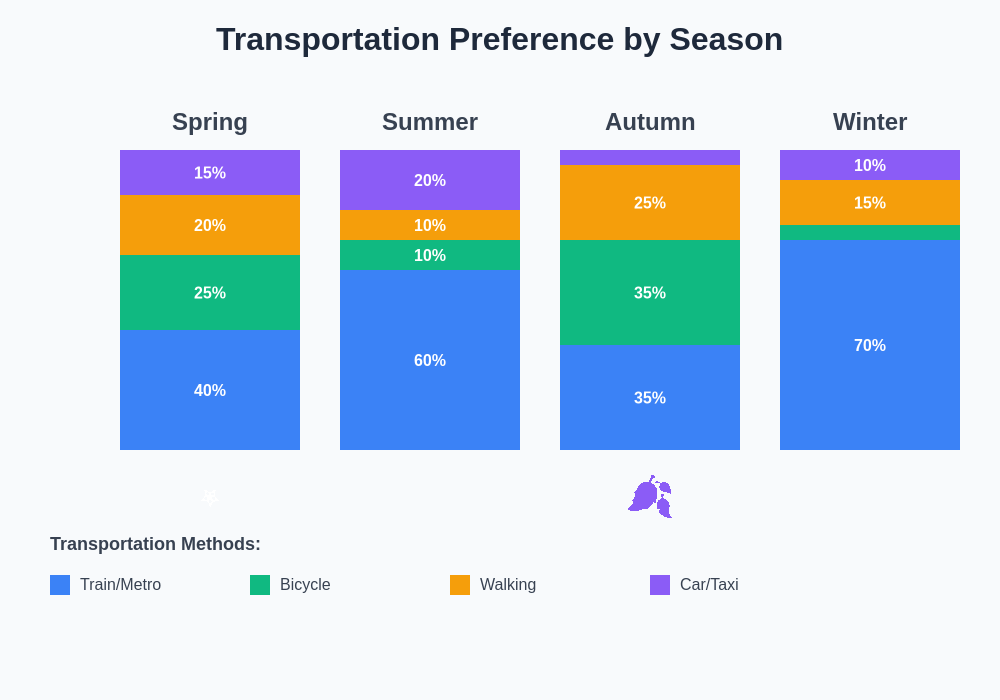
Tokyo’s spring season brings unpredictable weather patterns that require flexible transportation strategies as residents navigate between pleasant cherry blossom viewing weather and sudden temperature drops accompanied by heavy rainfall. The famous sakura season creates unique transportation challenges as popular areas experience massive crowd surges that can overwhelm public transportation systems and make alternative transportation methods temporarily impractical.
Spring temperatures fluctuate dramatically between morning and evening hours, creating clothing and equipment decisions that affect transportation choices throughout the day. How seasonal employment affects resident turnover reflects how these weather-related transportation challenges influence housing stability, as residents discover that their initially preferred locations become problematic during specific weather conditions.
The frequent spring rain showers transform Tokyo’s transportation landscape, with bicycle commuting becoming unreliable and walking distances extending due to covered walkway detours. Many sharehouse residents find themselves investing in comprehensive rain gear and backup transportation passes that significantly impact their monthly budgets during this transitional season.
Summer Heat and Humidity Transportation Challenges
Tokyo’s notorious summer heat and humidity create some of the most significant transportation challenges for sharehouse residents, with outdoor temperature regularly exceeding comfortable walking or cycling thresholds for extended periods. The combination of intense heat, high humidity, and urban heat island effects makes previously manageable commutes physically demanding and potentially dangerous for unprepared residents.
Air conditioning costs and cooling strategies become transportation factors as residents adjust their daily schedules to avoid peak heat hours, often resulting in earlier morning departures and later evening returns that affect work schedules and social activities. How air conditioning bills spike in summer demonstrates how weather-related expenses extend beyond housing to influence overall lifestyle and transportation decisions.
Public transportation systems experience increased crowding as more residents abandon walking and cycling options in favor of air-conditioned trains and buses, leading to longer wait times and more crowded conditions that further compound transportation stress. Professional clothing requirements become particularly challenging during summer months, with many residents requiring complete wardrobe changes upon arrival at destinations.
Autumn Weather Stability and Optimal Transportation Conditions
Autumn represents Tokyo’s most favorable season for diverse transportation options, with comfortable temperatures and stable weather patterns enabling residents to maximize their transportation flexibility and explore cost-effective alternatives to public transit. The season’s reliability allows for accurate transportation planning and budget optimization that many residents use as a baseline for annual transportation cost calculations.
How seasonal transportation changes affect routines becomes particularly relevant during autumn when residents can establish sustainable transportation habits that may need modification during other seasons. The comfortable walking and cycling conditions enable exploration of neighborhood amenities and alternative routes that can reduce long-term transportation costs.
The autumn season provides optimal conditions for transportation experiments, allowing residents to test different commuting strategies, evaluate bicycle routes, and assess walking distances without weather-related complications. Many successful long-term transportation strategies are developed during this season when weather variables are minimized.
Winter Weather Impacts and Indoor Transportation Preferences
Tokyo’s winter weather brings unique transportation challenges that dramatically shift resident preferences toward enclosed transportation options, with cold temperatures, occasional snow, and icy conditions making outdoor transportation methods uncomfortable or dangerous. The seasonal shift toward heated public transportation creates increased crowding and higher transportation costs as residents abandon cost-effective alternatives.
Winter clothing requirements significantly impact transportation choices, with heavy coats, boots, and accessories making bicycle storage and walking comfort more challenging. How seasonal demand affects sharehouse prices reflects how winter transportation limitations influence housing location preferences, with proximity to heated public transportation becoming a premium amenity.
The psychological effects of cold weather transportation often exceed physical discomfort, with reduced daylight hours and harsh conditions affecting motivation for outdoor activities and exploration that can lead to increased isolation and reduced quality of life for sharehouse residents who rely heavily on weather-dependent transportation methods.
Rainy Season Transportation Disruptions
Tokyo’s rainy season presents perhaps the most significant transportation challenges for sharehouse residents, with extended periods of heavy rainfall creating widespread disruptions to outdoor transportation methods and increased reliance on already crowded public transportation systems. The season’s duration and intensity require comprehensive preparation and alternative transportation strategies that can significantly impact monthly budgets and daily routines.
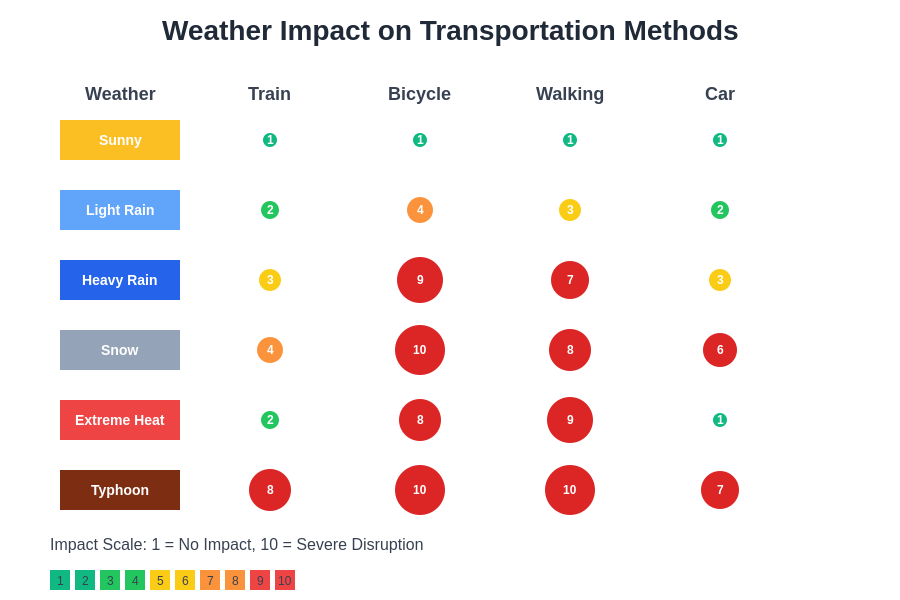
Bicycle infrastructure becomes largely unusable during extended rainy periods, forcing residents who typically rely on cycling to invest in alternative transportation passes and rain protection equipment that may exceed their original transportation budgets. How late night transportation limits social life becomes particularly relevant during rainy season when transportation delays and limited service frequency affect social and professional activities.
The psychological impact of prolonged rainy weather transportation challenges often influences housing decisions, with residents reconsidering location priorities based on covered walkway access, proximity to multiple transportation lines, and availability of indoor shopping and entertainment options that reduce weather exposure.
Transportation Cost Variations Across Seasons
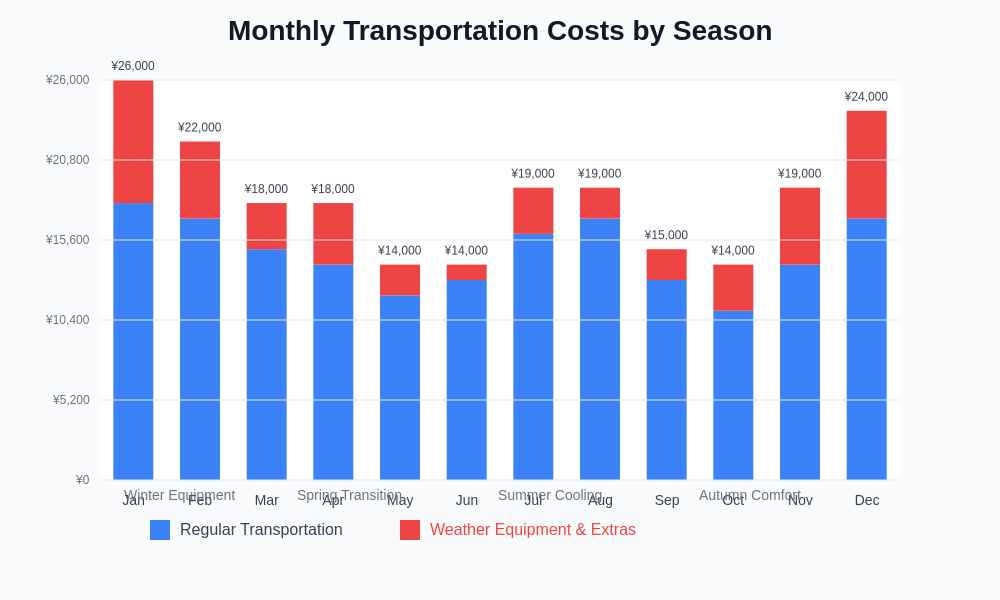
Weather-related transportation costs fluctuate significantly throughout the year, with residents often underestimating the cumulative impact of seasonal equipment purchases, increased public transportation usage, and weather-related delays that affect work and social activities. How transportation costs impact entertainment budgets demonstrates how weather-dependent transportation expenses can reshape entire lifestyle budgets.
Equipment investments for weather-appropriate transportation include rain gear, winter clothing, cooling accessories, and backup transportation passes that represent significant upfront costs with varying seasonal utility. Many residents discover that their initial transportation budget assumptions fail to account for seasonal equipment replacement and upgrade needs.
The hidden costs of weather-related transportation delays include overtime parking fees, premium transportation services during peak weather events, and increased food and beverage expenses during extended wait times that can substantially impact monthly budgets for unprepared residents.
Housing Location Decisions Based on Weather Transportation
The relationship between housing location and weather-resistant transportation access becomes a crucial factor in long-term sharehouse satisfaction, with residents learning to prioritize proximity to covered walkways, multiple transportation options, and weather-protected facilities. How work location should influence sharehouse choice emphasizes how transportation reliability during adverse weather conditions should influence initial housing decisions.
Underground shopping complexes, covered pedestrian networks, and direct building access to transportation hubs represent premium location features that justify higher housing costs for residents who prioritize weather-independent transportation reliability. The long-term value of weather-protected transportation access often exceeds initial cost considerations.
Proximity to multiple transportation options provides crucial redundancy during weather-related service disruptions, with residents in well-connected areas maintaining schedule reliability while those dependent on single transportation methods experience significant delays and complications during adverse weather events.
Professional Impact of Weather Transportation Challenges
Weather-related transportation unreliability can significantly impact professional performance and career opportunities, with chronic lateness, appearance issues, and schedule flexibility limitations affecting workplace relationships and advancement prospects. How commute times impact work performance becomes particularly relevant when weather variability creates unpredictable transportation challenges.
Professional dress requirements create additional complexity during adverse weather transportation, with residents needing strategies for maintaining appropriate appearance despite challenging weather conditions. Many professionals invest in office-based clothing storage and change facilities to manage weather-related appearance challenges.
Client meetings and professional obligations often cannot accommodate weather-related transportation delays, requiring residents to develop contingency plans and buffer time that can significantly extend daily commute requirements during challenging seasons.
Social Life and Weather Transportation Intersections
Weather-dependent transportation limitations significantly impact social engagement and community building opportunities for sharehouse residents, with adverse weather conditions often leading to cancelled plans and reduced participation in community activities. How transportation strikes disrupt daily life illustrates how transportation disruptions extend beyond commuting to affect social connections and community engagement.
Evening social activities become particularly challenging during winter months when early darkness and cold temperatures combine with transportation limitations to reduce participation in community events and social gatherings. The seasonal variation in social engagement often affects mental health and community integration for international residents.
Dating and relationship building face unique challenges when weather conditions limit transportation flexibility and appearance maintenance, with many residents discovering that their social lives become significantly constrained during challenging weather periods.
Health and Safety Considerations in Weather Transportation
Extreme weather conditions create genuine health and safety risks for transportation, with heat exhaustion during summer, hypothermia risks during winter, and injury potential during icy or wet conditions requiring careful risk assessment and preparation. How air quality concerns affect daily decisions demonstrates how environmental health factors influence transportation choices beyond comfort considerations.
Emergency preparedness becomes crucial for residents who rely on weather-dependent transportation methods, with backup plans and emergency supplies necessary for situations where primary transportation methods become dangerous or unavailable during severe weather events.
The cumulative health impact of weather stress, transportation delays, and environmental exposure can significantly affect overall well-being, with residents needing to balance transportation cost savings against health and comfort considerations throughout different seasons.
Technology and Weather Transportation Solutions
Modern technology provides numerous tools for weather-aware transportation planning, with weather apps, transportation delay notifications, and route optimization services helping residents make informed daily transportation decisions. However, technology dependence also creates vulnerabilities when systems fail during severe weather events.
Smart transportation cards and mobile applications enable flexible transportation switching based on weather conditions, allowing residents to adapt their transportation methods quickly without significant financial penalties. The integration of weather forecasting with transportation planning represents a crucial skill for successful sharehouse living in Tokyo.
Real-time transportation information becomes essential during weather events, with residents learning to interpret service announcements, delay predictions, and alternative route recommendations that can significantly improve transportation reliability during challenging conditions.
Long-term Adaptation Strategies and Weather Resilience
Successful long-term sharehouse residents develop comprehensive weather adaptation strategies that minimize transportation disruptions while maintaining budget control and lifestyle satisfaction. These strategies often evolve through seasonal experience and require significant initial investment in equipment and backup plans.
Building weather resilience requires understanding personal tolerance levels, professional requirements, and social priorities to develop transportation strategies that maintain quality of life throughout Tokyo’s dramatic seasonal variations. How adaptability becomes essential survival skill reflects how weather transportation challenges contribute to overall resilience and problem-solving skills.
The development of weather-appropriate transportation habits often becomes a defining characteristic of successful international residents, with transportation flexibility and weather preparedness contributing to overall confidence and independence in navigating Tokyo’s complex urban environment.
Understanding and preparing for weather-related transportation challenges represents a crucial aspect of successful sharehouse living in Tokyo, with informed planning and flexible adaptation strategies enabling residents to maintain their quality of life and achieve their personal and professional goals regardless of seasonal weather variations. The investment in weather-appropriate transportation knowledge and equipment pays long-term dividends in reduced stress, improved reliability, and enhanced overall satisfaction with the Tokyo living experience.
Disclaimer
This article is for informational purposes only and does not constitute professional transportation or safety advice. Weather conditions in Tokyo can vary significantly, and individual transportation needs may differ based on personal circumstances, health conditions, and specific requirements. Readers should consult current weather forecasts, transportation authority announcements, and personal safety guidelines when making transportation decisions. The effectiveness of strategies mentioned may vary depending on individual circumstances, seasonal variations, and specific weather events.