Your work location represents one of the most critical factors that should fundamentally shape your sharehouse selection strategy in Tokyo, influencing everything from daily stress levels and transportation costs to work-life balance and long-term career satisfaction. The complex interconnections between workplace proximity, commute efficiency, and living costs create a decision matrix that requires careful analysis to optimize both professional productivity and personal well-being throughout your time in Japan’s capital city.
Understanding how work location impacts sharehouse choice extends beyond simple distance calculations to encompass transportation infrastructure, rush hour dynamics, emergency accessibility, and the broader lifestyle implications that emerge from your daily commuting patterns. Professional success in Tokyo often depends as much on housing strategy as it does on job performance, making this decision crucial for both immediate comfort and long-term career development.
Understanding Tokyo’s Business District Geography
Tokyo’s business landscape spans multiple distinct commercial centers, each characterized by different industry concentrations, transportation hubs, and accessibility patterns that significantly influence optimal sharehouse locations for working professionals. The traditional central business districts of Marunouchi, Otemachi, and Nihonbashi host major financial institutions and multinational corporations, creating specific commute requirements for employees in these sectors.
Business district sharehouses near Tokyo Station become particularly relevant for professionals working in these central areas, where proximity can dramatically reduce commute stress and increase flexibility for late-night work obligations or early morning meetings that are common in Japanese business culture.
The emerging business hubs of Shibuya, Shinjuku, and Ikebukuro offer different advantages for technology, media, and creative industries, with each area connected to residential neighborhoods through distinct train line networks that create varying commute experiences and cost structures. Understanding these geographic clusters helps identify which residential areas provide optimal access to your specific workplace while maintaining reasonable living costs.
Suburban business parks and satellite offices in areas like Odaiba, Makuhari, or western Tokyo suburbs require different housing strategies that account for limited late-night transportation options and higher dependency on specific train lines that may experience service disruptions or capacity constraints during peak hours.
Analyzing Commute Time and Transportation Networks
Commute time optimization involves understanding not just total travel duration but also the reliability, comfort, and flexibility of available transportation options that can dramatically affect your daily quality of life and professional performance. How commute times impact your quality of life explores the broader implications of transportation decisions on overall well-being and work satisfaction.
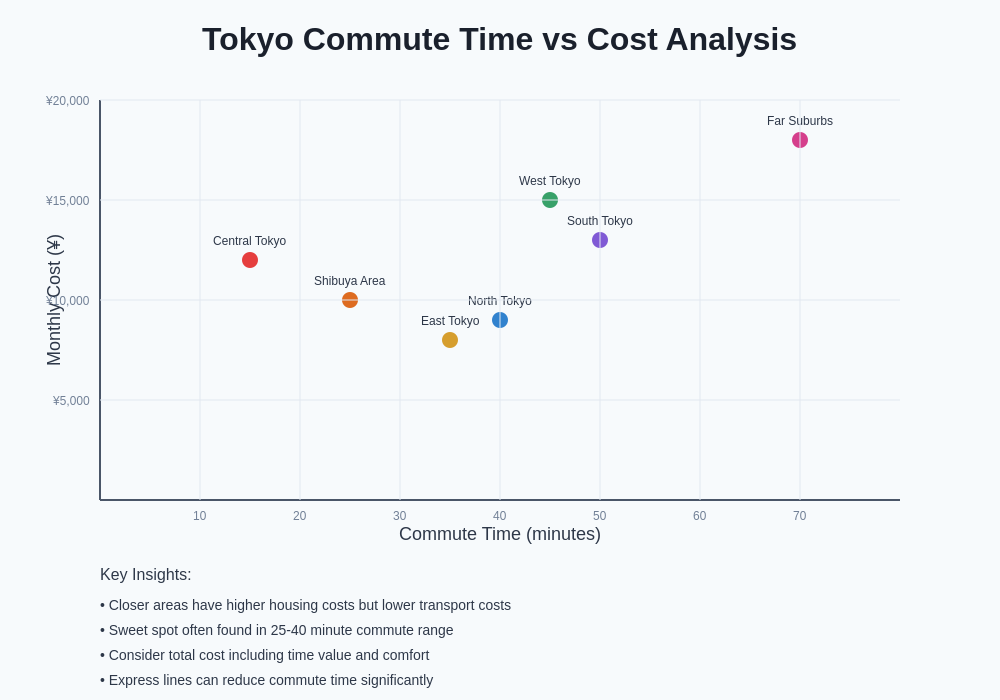
Tokyo’s train network complexity means that similar distances can result in vastly different commute experiences depending on transfer requirements, line congestion, and service frequency patterns. Direct line access eliminates the stress and time penalties associated with transfers while reducing the risk of delays that can compound across multiple train connections during system disruptions.
Peak hour capacity and crowding levels vary significantly across different train lines and directions, with some routes experiencing extreme congestion that can make daily commuting physically and mentally exhausting. How commute times impact work performance examines how transportation stress affects professional productivity and career advancement opportunities.
Emergency transportation options become crucial considerations for professionals who may need to work late hours or respond to urgent business situations outside normal train operating hours. Areas with multiple transportation alternatives, including bus networks, taxi accessibility, and bicycle-friendly infrastructure, provide greater flexibility for unpredictable work schedules.
Calculating True Transportation Costs
Transportation expenses represent a significant portion of monthly living costs that extend far beyond basic train pass purchases to include time value, comfort premiums, and alternative transportation needs that accumulate throughout your employment period. Monthly commuter passes offer substantial savings for regular routes but lock you into specific transportation patterns that may not accommodate flexible work arrangements or occasional office changes.
Living costs in Tokyo sharehouses explained provides frameworks for evaluating total transportation costs within broader housing budget considerations. The relationship between housing rent savings and transportation cost increases often creates counterintuitive scenarios where apparently cheaper housing results in higher overall living expenses.
Distance-based pricing structures in Tokyo’s train system mean that longer commutes incur exponentially higher costs, particularly for travel between different metropolitan zones or when utilizing premium express services that reduce travel time but command higher fares. These costs compound over time, potentially exceeding thousands of dollars annually for professionals living far from their workplace.
Alternative transportation costs for late-night work, client entertainment, or emergency situations can add substantial expenses that are often overlooked during initial housing decisions. Taxi fares for late-night travel can easily exceed daily train costs, making proximity to work valuable beyond normal commuting considerations.
Work Schedule Flexibility and Housing Requirements
Modern work arrangements including flexible hours, remote work options, and hybrid schedules create different housing requirements that may prioritize home office space and internet connectivity over strict commute optimization. How remote work isnt always possible from sharehouses explores the challenges of working from shared living spaces.
Traditional Japanese work cultures that emphasize physical presence and long office hours may require housing strategies that prioritize minimal commute times to accommodate extended work days and frequent overtime obligations that are common in many industries. Proximity to work becomes especially valuable for professionals in consulting, finance, or other demanding fields where late-night work is routine.
Client-facing roles that require frequent travel to different locations throughout Tokyo may benefit from central housing locations that provide efficient access to multiple business districts rather than optimization for a single office location. How business travel affects long-term community building examines how work travel patterns affect sharehouse community integration.
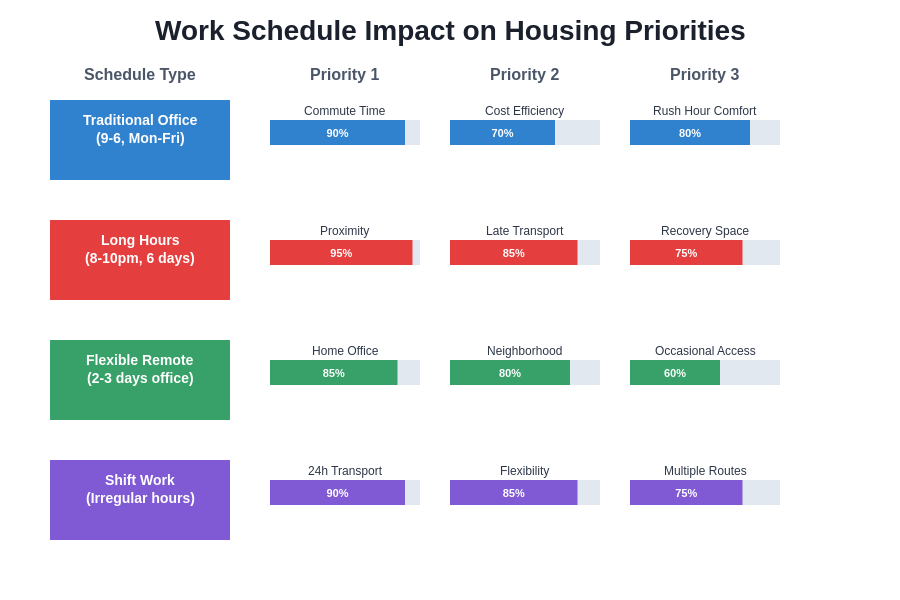
Seasonal work patterns, project-based assignments, and potential job changes should influence housing flexibility requirements, with some professionals benefiting from shorter-term housing arrangements that accommodate career mobility rather than long-term lease commitments tied to specific work locations.
Industry-Specific Location Considerations
Different industries concentrate in specific Tokyo areas, creating unique housing optimization opportunities for professionals who understand these geographic clusters and their associated lifestyle characteristics. Financial services professionals working in Marunouchi or Otemachi benefit from housing in eastern Tokyo areas with direct access to central train lines, while technology workers in Shibuya or Roppongi may prefer western residential areas.
Creative industries clustered in areas like Harajuku, Omotesando, or emerging districts in eastern Tokyo offer different commute patterns and lifestyle integration opportunities that align with industry culture and networking requirements. How industry clusters affect professional networking explores how geographic proximity facilitates career development within specific sectors.
International business roles that require frequent airport access may prioritize housing along Narita or Haneda airport express lines, accepting longer daily commutes in exchange for reduced travel stress and costs for business trips. How airport distance matters for international residents examines these considerations for globally mobile professionals.
Teaching and education professionals working at multiple locations throughout Tokyo require housing strategies that optimize access to the broader metropolitan area rather than proximity to any single institution, often favoring central locations with extensive train network connectivity.
Rush Hour Dynamics and Crowd Management
Tokyo’s rush hour intensity varies dramatically across different routes and directions, with some train lines experiencing crushing crowds that can make daily commuting physically uncomfortable and mentally stressful. Understanding peak hour patterns helps identify housing locations that offer counter-flow commuting opportunities, traveling against the primary direction of rush hour traffic for more comfortable transportation experiences.
How rush hour timing affects work schedules explores strategies for optimizing commute timing within workplace flexibility constraints. Some professionals adjust their work hours specifically to avoid peak congestion, requiring housing locations that support flexible scheduling without excessive early morning or late evening commute requirements.
Platform capacity and train frequency during rush hours create significant differences in commute reliability and stress levels, with some stations experiencing dangerous overcrowding that can delay departures and create safety concerns for daily commuters. Smaller stations with less congestion often provide more predictable and comfortable commuting experiences despite potentially longer total travel times.
Women-only train cars and other comfort features vary by train line and can influence housing preferences for female professionals seeking safer and more comfortable commute experiences. Understanding these amenities helps optimize both practical transportation needs and personal security considerations throughout the daily commute cycle.
Long-term Career Planning and Housing Flexibility
Career advancement often involves job changes, office relocations, or expanded responsibilities that require different commute patterns, making housing flexibility an important consideration for ambitious professionals planning extended stays in Tokyo. How career changes affect sharehouse eligibility examines how professional transitions impact housing options and requirements.
Networking opportunities and industry events frequently occur in specific Tokyo districts, with housing decisions potentially affecting access to professional development activities and career advancement opportunities that extend beyond daily work commute considerations. Proximity to industry conferences, professional meetups, and business entertainment districts can significantly impact long-term career trajectory.
Company culture and expectations around employee availability, overtime work, and social participation may influence optimal housing strategies, with some organizations expecting high levels of after-hours engagement that favor proximity over cost savings. How client meetings become impossible at home explores how work requirements affect housing space needs.
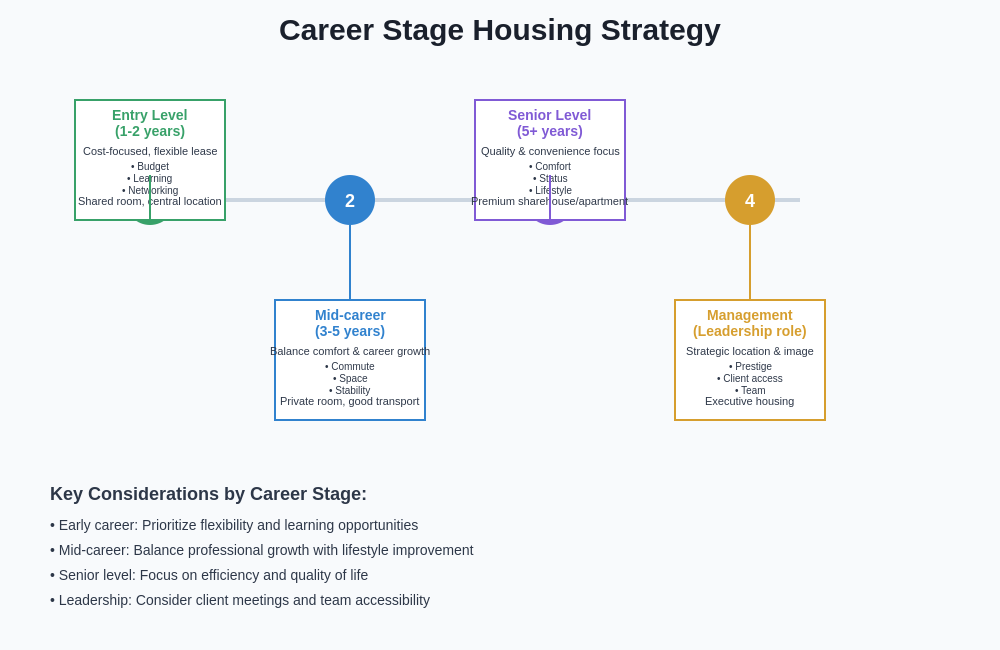
Salary progression and promotion opportunities may enable housing upgrades or relocations that should be considered during initial sharehouse selection, particularly for early-career professionals expecting significant income growth that could support different housing options within a few years of initial placement.
Emergency Access and Work Continuity
Business continuity requirements during transportation disruptions, natural disasters, or other emergencies may necessitate housing locations that provide multiple route options or reasonable walking distance to work for critical situations. Tokyo’s earthquake risk and potential transportation shutdowns create scenarios where proximity becomes essential for maintaining work responsibilities during crisis periods.
How emergency communication plans often fail highlights the importance of considering disaster preparedness in housing decisions. Some industries or roles require employees to be available during emergencies, making housing resilience and accessibility crucial factors beyond normal commute optimization.
Healthcare access and emergency services availability may be important for professionals in high-stress roles or those with medical conditions that could require urgent care, with housing decisions potentially prioritizing proximity to quality medical facilities alongside work accessibility considerations.
Late-night work requirements, international call schedules, or crisis response duties common in global businesses may require housing that supports irregular schedules and emergency transportation options that function outside normal train operating hours.
Balancing Work Proximity with Lifestyle Preferences
Optimal housing decisions require balancing professional requirements with personal lifestyle preferences, social opportunities, and long-term quality of life considerations that extend beyond work optimization. Making friends through Tokyo sharehouse communities explores how housing location affects social integration and community building opportunities.
Entertainment districts, dining options, shopping access, and cultural activities may be important for work-life balance, particularly for international professionals seeking to maximize their Tokyo experience beyond professional obligations. Some neighborhoods offer rich cultural experiences that justify longer commutes for professionals prioritizing personal growth and cultural immersion.
Exercise facilities, recreational opportunities, and outdoor spaces near housing locations can significantly impact physical and mental health, particularly for professionals in sedentary or high-stress work environments where maintaining fitness and stress management becomes crucial for long-term success.
Dating while living in Tokyo sharehouses examines how housing location affects social opportunities and relationship building, which may be important considerations for single professionals planning extended stays in Tokyo.
The relationship between work location optimization and community integration creates complex tradeoffs that require individual assessment based on personal priorities, career stage, and long-term goals for both professional advancement and personal development during your Tokyo experience.
Successful work location and sharehouse alignment requires understanding not just immediate commute efficiency but the broader ecosystem of professional, personal, and lifestyle factors that contribute to long-term satisfaction and success in Tokyo’s demanding yet rewarding urban environment. The investment in strategic housing decisions pays dividends throughout your career development and personal growth journey in one of the world’s most dynamic cities.
Disclaimer
This article is for informational purposes only and does not constitute professional career or financial advice. Transportation costs, work patterns, and housing markets in Tokyo are subject to change. Individual work requirements and lifestyle preferences vary significantly, and readers should conduct their own research and consult with relevant professionals when making housing decisions. The effectiveness of location strategies mentioned may vary depending on specific circumstances, industry requirements, and personal priorities.