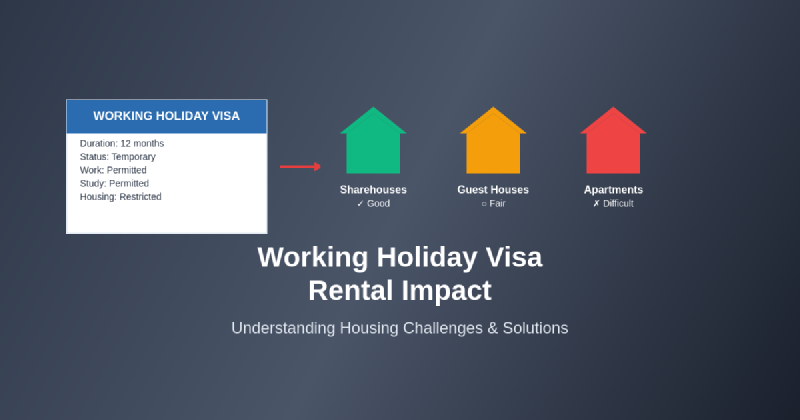
Working holiday visas represent a unique category in Japan’s immigration system that creates both opportunities and challenges for international residents seeking accommodation in Tokyo and other major cities. The temporary nature of these visas, combined with their specific employment restrictions and duration limitations, significantly influences how property managers, landlords, and sharehouse operators evaluate rental applications from working holiday visa holders.
Understanding the intersection between visa status and housing accessibility becomes crucial for working holiday participants who need to secure stable accommodation while navigating Japan’s complex rental market. The perception of working holiday visas among property stakeholders often differs dramatically from other visa categories, requiring specialized strategies and realistic expectations when approaching the housing search process.
Understanding Working Holiday Visa Characteristics
Working holiday visas in Japan typically grant holders permission to stay for up to one year, with some countries eligible for extensions under specific circumstances. This relatively short duration creates immediate concerns for property managers who prefer tenants with longer-term stability and predictable income sources. How visa status affects your sharehouse application provides broader context for understanding how different visa types impact rental opportunities.
The employment flexibility inherent in working holiday visas allows holders to engage in various work activities, from traditional employment to freelance projects and short-term contracts. However, this flexibility often translates to income uncertainty from the perspective of rental application evaluators who prefer steady, verifiable employment with established companies and consistent monthly salaries.
Working holiday visa holders typically arrive in Japan with limited local credit history, banking relationships, and professional networks that traditionally support rental applications. The absence of these foundational elements compounds the challenges created by visa duration limitations, requiring alternative approaches to demonstrate financial stability and rental reliability.
Impact on Traditional Apartment Rentals
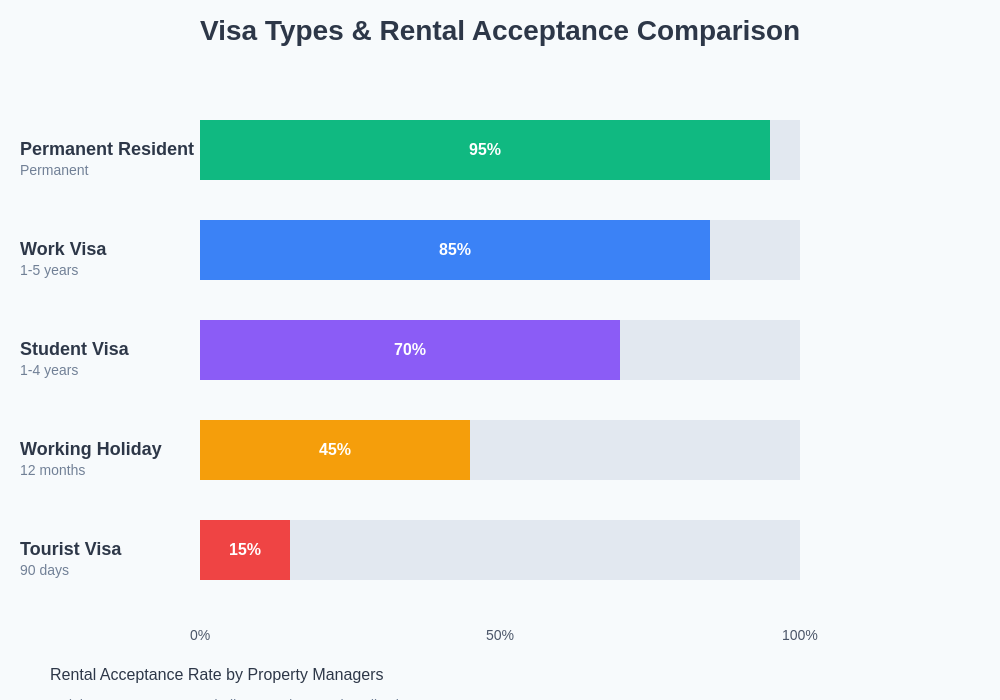
The traditional Japanese apartment rental market presents significant barriers for working holiday visa holders, with many property management companies implementing strict policies that effectively exclude short-term visa holders from consideration. These policies often stem from concerns about lease violations, early termination costs, and the administrative burden of managing tenants with uncertain long-term status.
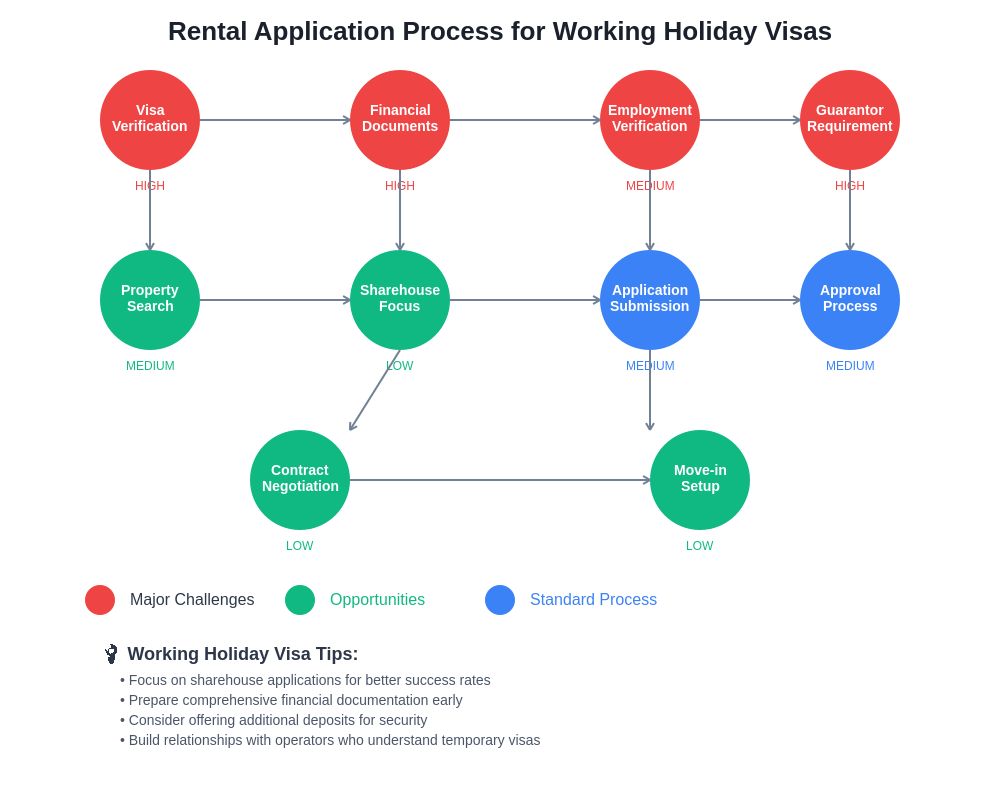
Guarantor requirements for traditional rentals become particularly challenging for working holiday visa holders who typically lack established Japanese contacts willing to assume financial responsibility for lease obligations. Professional guarantor services may charge higher fees for working holiday visa holders or decline to provide services altogether due to perceived risk factors associated with temporary visa status.
Security deposit and key money requirements, already substantial in the Japanese rental market, may be increased for working holiday visa holders or supplemented with additional insurance requirements that add to upfront costs. What security deposits actually cover in sharehouses explains typical deposit structures that may be modified for temporary visa holders.
The limited duration of working holiday visas conflicts with standard Japanese rental contract terms that typically require one to two-year commitments with automatic renewal expectations. Property owners view the mismatch between visa duration and lease terms as creating inevitable complications that may result in costly early termination procedures.
Sharehouse Market Advantages and Opportunities
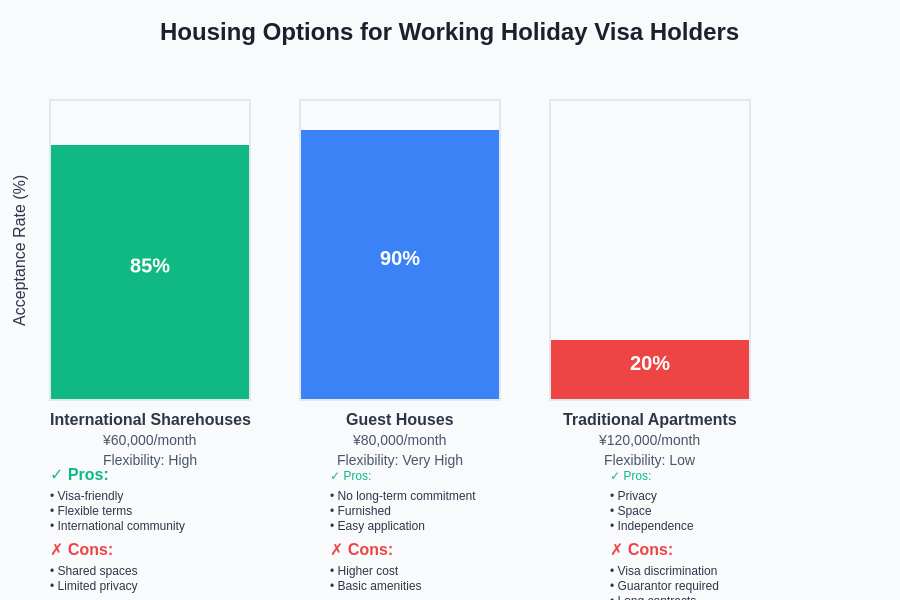
The sharehouse market in Tokyo and other major cities generally demonstrates greater flexibility toward working holiday visa holders compared to traditional apartment rentals. Many sharehouse operators specifically cater to international residents and understand the unique circumstances surrounding temporary visa status, creating more accommodating application processes and contract terms.
English-speaking sharehouses in Tokyo for foreigners often maintain policies designed to support working holiday participants, recognizing them as a consistent demographic that contributes to international community dynamics and cultural exchange opportunities within shared living environments.
Shorter contract terms and flexible lease arrangements common in the sharehouse market align better with working holiday visa durations, allowing residents to secure accommodation without committing to lease periods that extend beyond their legal stay authorization. Monthly contracts or three to six-month agreements provide appropriate matching between visa limitations and housing commitments.
The international focus of many sharehouses creates environments where working holiday visa status is understood and normalized rather than viewed as a risk factor. House managers and operators familiar with visa restrictions can provide guidance and support that helps working holiday participants navigate housing transitions and extension possibilities.
Financial Verification Challenges and Solutions
Income verification requirements present unique challenges for working holiday visa holders whose employment situations may differ significantly from traditional employment patterns expected by rental application systems. Part-time work, seasonal employment, and freelance activities common among working holiday participants require alternative documentation strategies to demonstrate financial stability.
How freelance income makes applications difficult explores similar challenges faced by non-traditional workers and provides insights applicable to working holiday visa holders seeking to strengthen their rental applications through improved financial documentation.
Bank statement requirements may be complicated by recent arrival in Japan and limited banking history, necessitating the use of overseas account statements, travel fund documentation, or family financial support letters to supplement local financial verification. Some operators accept proof of savings or travel insurance coverage as indicators of financial preparedness.
Employment letter requirements can be satisfied through part-time employer documentation, language school enrollment confirmation, or detailed explanation of planned work activities during the holiday period. Demonstrating proactive employment seeking or existing job arrangements helps address concerns about income generation capabilities.
Strategic Application Approaches
Successful rental applications for working holiday visa holders require strategic timing, comprehensive preparation, and realistic expectation management that acknowledges market limitations while maximizing available opportunities. Early application submission upon arrival in Japan, before visa expiration concerns become immediate, typically yields better results than last-minute housing searches.
Building relationships with sharehouse operators through virtual consultations, social media engagement, or referrals from previous residents can create advantages in competitive application processes. Personal connections and demonstrated commitment to community participation may offset concerns about temporary visa status in operators’ evaluation processes.
Offering additional security measures such as extended deposit payments, advance rent payment, or co-signer arrangements with other residents can demonstrate commitment and reduce perceived risks associated with working holiday visa limitations. How to spot financial red flags in sharehouse contracts helps identify fair versus exploitative requests for additional security.
Flexible move-in date availability and willingness to accept less desirable room assignments or locations can create opportunities that might not be available to applicants with more restrictive requirements. Working holiday visa holders often benefit from demonstrating adaptability and enthusiasm for cultural integration over specific amenity demands.
Visa Extension Considerations and Planning
Working holiday visa extension possibilities vary significantly by nationality and individual circumstances, with some countries offering second-year extensions under specific agricultural or rural work conditions. Understanding extension requirements early in the initial visa period allows for strategic planning of both employment and housing arrangements that support extension applications.
How career changes affect sharehouse eligibility provides insights into how employment transitions during visa periods can impact housing stability and application success for extension or status change applications.
Housing stability during extension application periods becomes crucial as immigration authorities may consider stable accommodation as evidence of successful integration and continued viability for extended stay authorization. Maintaining positive relationships with current housing providers can support extension applications and provide flexibility during status transition periods.
Planning for potential status changes from working holiday to student, work, or spouse visas requires understanding how different visa categories affect housing options and application requirements. Early preparation for status transitions can prevent housing disruptions during visa conversion processes.
Alternative Accommodation Strategies
Guest house accommodations and short-term rental options provide transitional housing solutions for working holiday visa holders facing challenges in securing traditional sharehouses or apartments. While typically more expensive than long-term arrangements, these options offer flexibility during initial settlement periods or between permanent housing arrangements.
Short-term sharehouse options in Japan explores specialized accommodation services that cater to temporary residents and provide stepping stones toward longer-term housing solutions once local establishment and relationship building create additional opportunities.
Subletting arrangements with existing residents may offer opportunities that bypass formal application processes and visa status evaluations. However, these arrangements require careful attention to lease terms and legal compliance to avoid complications for both sublessor and sublessee.
Corporate housing or company-provided accommodation through employers can eliminate visa-related application challenges while providing stable housing during working holiday periods. Language schools, agricultural programs, and hospitality employers sometimes offer housing assistance or recommendations that leverage their experience with working holiday participants.
Building Long-term Housing Relationships
Establishing positive relationships with housing providers during working holiday periods creates foundations for future housing opportunities during subsequent visits to Japan or status changes that extend stay duration. Maintaining excellent rental history, community participation, and respectful tenancy can generate referrals and recommendations for future housing needs.
Making friends through Tokyo sharehouse communities emphasizes relationship building strategies that extend beyond immediate housing needs to create lasting connections that support long-term engagement with Japanese society and housing markets.
Documentation of successful tenancy, including reference letters from house managers, community participation records, and positive peer feedback, creates valuable credentials for future rental applications. These materials can offset visa-related concerns in subsequent applications by demonstrating proven rental reliability and cultural integration.
Maintaining connections with previous housemates and community members provides ongoing support networks and potential co-signer opportunities for future housing arrangements. The international nature of many sharehouse communities creates lasting relationships that span multiple visa periods and status changes.
Regional Variations and Market Differences
Housing market attitudes toward working holiday visa holders vary significantly between Tokyo, Osaka, rural areas, and tourist destinations, with some regions demonstrating greater acceptance and understanding of temporary visa circumstances. Tokyo vs Osaka sharehouses for international students provides comparative insights applicable to working holiday visa holders evaluating different city options.
Tourist-heavy regions and areas with established working holiday programs often maintain housing options specifically designed for temporary international residents, creating more accommodating application processes and appropriate contract terms. Ski resort areas, agricultural regions, and hospitality centers frequently offer housing solutions integrated with employment opportunities.
Rural areas participating in working holiday programs may provide enhanced housing support and community integration assistance as part of broader efforts to attract international participants. These programs often include housing coordination, cultural orientation, and ongoing support that addresses visa-related concerns through comprehensive assistance frameworks.
Urban markets in major cities typically offer more housing options but also present greater competition and stricter application requirements. Understanding regional market characteristics helps working holiday visa holders target their search efforts toward areas with optimal combinations of opportunity availability and acceptance likelihood.
Legal Protections and Rights Understanding
Working holiday visa holders possess the same basic rental rights as other foreign residents, including protection against discrimination, fair treatment in application processes, and legal recourse for contract violations. Understanding these rights helps prevent exploitation and ensures fair treatment throughout the housing search and tenancy periods.
Japanese sharehouse rules every foreigner should know provides essential legal and cultural context that helps working holiday visa holders navigate housing relationships effectively while understanding their rights and responsibilities as tenants.
Discrimination based solely on visa status may violate fair housing principles, though practical market realities often create de facto exclusion through indirect means such as guarantor requirements or contract term mismatches. Understanding the distinction between legal discrimination and market preferences helps working holiday visa holders approach the housing search with appropriate expectations.
Documentation of housing discrimination or unfair treatment can support complaints to local authorities or legal assistance organizations that advocate for foreign resident rights. Maintaining records of application responses and housing interactions provides evidence for addressing systemic discrimination patterns.
Financial Planning and Budget Management
Working holiday visa holders must carefully balance housing costs against limited earning potential and temporary income sources that may fluctuate throughout their stay period. How to budget realistically for sharehouse living provides frameworks applicable to temporary visa holders managing accommodation expenses within constrained budgets.
Emergency fund maintenance becomes particularly important for working holiday visa holders who may face unexpected housing transitions, visa extension costs, or employment interruptions that affect rental payment ability. Building financial cushions that cover housing deposits, moving expenses, and temporary accommodation helps manage transition periods.
Currency exchange considerations affect budget planning for working holiday visa holders who may maintain financial resources in home countries while earning yen-denominated income in Japan. Exchange rate fluctuations can significantly impact effective housing budgets and financial planning accuracy.
Understanding the full cost implications of different housing options, including utilities, internet, transportation, and community fees, enables informed decision-making that aligns housing choices with overall financial capabilities and lifestyle goals during the working holiday period.
The working holiday visa experience in Japan offers unique opportunities for cultural immersion and personal growth, but success requires realistic understanding of how visa status affects housing options and strategic approaches to overcome related challenges. With proper preparation, flexible expectations, and persistent effort, working holiday participants can secure appropriate accommodation that supports their goals while respecting the practical limitations imposed by temporary visa status.
Disclaimer
This article is for informational purposes only and does not constitute legal or professional advice. Working holiday visa regulations, housing laws, and rental market conditions may change. Readers should consult with immigration professionals, legal advisors, and housing experts for guidance specific to their circumstances. Individual experiences may vary based on nationality, timing, location, and personal qualifications.