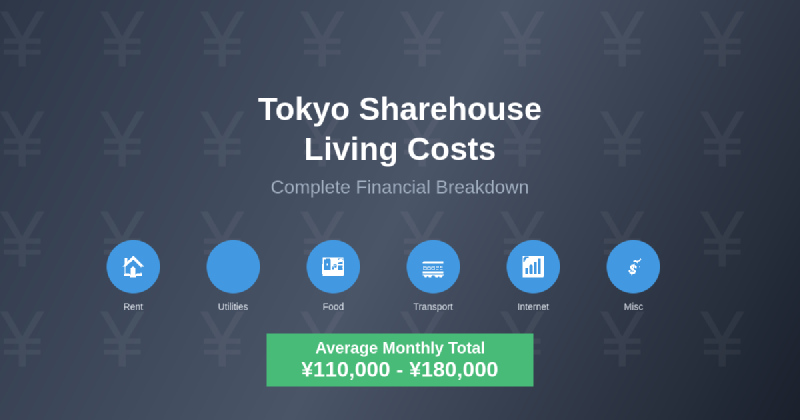
Understanding the true cost of living in Tokyo sharehouses extends far beyond the advertised monthly rent figures that initially attract international residents to this accommodation option. The complexity of Tokyo’s cost structure, combined with cultural differences in billing practices and hidden expenses that gradually reveal themselves over time, requires comprehensive financial planning that accounts for both predictable monthly obligations and unexpected costs that can significantly impact your overall budget throughout your residency period.
The financial landscape of sharehouse living in Tokyo presents unique challenges and opportunities that differ dramatically from traditional apartment rentals, requiring international residents to develop sophisticated understanding of Japanese billing systems, seasonal cost variations, and strategic approaches to expense management that can mean the difference between financial comfort and constant budget stress in one of the world’s most expensive cities.
Breaking Down Base Rent Structures and Pricing Models
Tokyo sharehouse rent structures follow distinct pricing models that vary significantly between operators, property types, and neighborhood locations, creating a complex landscape that requires careful analysis to understand true monthly obligations. The base rent typically represents only the starting point of your financial commitment, with additional layers of costs that can increase your total housing expenses by twenty to fifty percent above the advertised room rates.
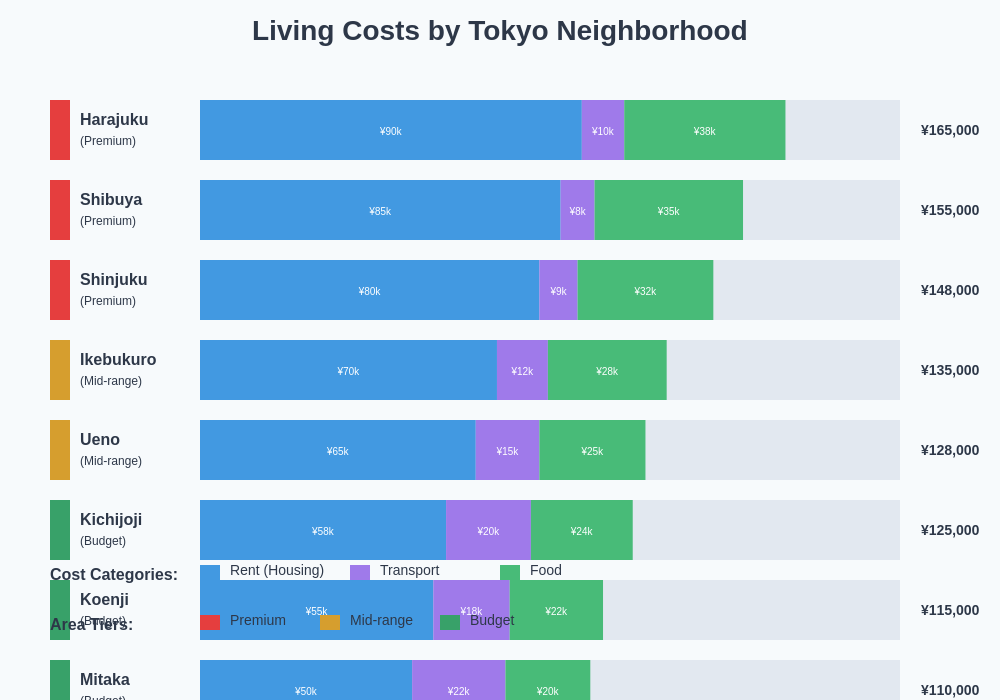
Premium sharehouses in central Tokyo districts such as Shibuya, Harajuku, and Roppongi command monthly rents ranging from ¥80,000 to ¥150,000 for private rooms, while shared dormitory-style arrangements in the same areas may cost between ¥50,000 and ¥80,000 per month. Understanding how much Tokyo sharehouses really cost per month provides detailed comparisons across different property categories and neighborhood tiers.
Mid-range neighborhoods including Ikebukuro, Ueno, and Koenji offer more affordable alternatives with private room rates typically falling between ¥55,000 and ¥90,000 monthly, while dormitory options range from ¥35,000 to ¥65,000. These areas often provide better value propositions when transportation costs and quality of life factors are considered alongside base rent amounts.
Suburban sharehouses in areas such as Mitaka, Kichijoji, and outer ward locations can offer private rooms for ¥40,000 to ¥70,000 monthly, with shared accommodations available from ¥25,000 to ¥50,000. Cheaper sharehouse options in Tokyo suburbs explores how distance from central areas affects both pricing and daily living convenience.
Utility Costs and Infrastructure Expenses
Utility expenses in Tokyo sharehouses represent one of the most variable and unpredictable components of monthly living costs, influenced by seasonal weather patterns, building efficiency, resident behavior, and billing methodologies that can vary dramatically between different properties and management approaches. Understanding utility bills in Japanese sharehouses provides essential guidance for navigating these complex billing systems.
Electricity costs in Tokyo sharehouses fluctuate significantly with seasonal demands, particularly during summer air conditioning periods and winter heating seasons when monthly bills can increase by ¥3,000 to ¥8,000 per person compared to mild weather months. Shared billing systems may distribute costs equally among residents or proportionally based on room size, occupancy periods, or individual usage monitoring systems where available.
Gas expenses for cooking and hot water typically range from ¥2,000 to ¥5,000 monthly per resident, depending on cooking frequency, hot water usage patterns, and building infrastructure efficiency. Properties with centralized heating systems may include gas costs in base rent, while individual room heating systems require separate monthly payments that can vary substantially based on personal comfort preferences and seasonal weather conditions.
Water and sewage charges generally represent the most stable utility category, ranging from ¥1,500 to ¥3,000 monthly per resident, though some premium properties include these costs within base rent structures. Internet and telecommunications services add another ¥2,000 to ¥4,000 monthly for high-speed connections, with some sharehouses offering included wifi that may have speed or data limitations affecting work and entertainment activities.
Hidden Fees and Additional Charges
The landscape of additional fees and charges in Tokyo sharehouses extends far beyond basic rent and utilities, encompassing numerous categories of expenses that can significantly impact monthly budgets and require careful consideration during property selection and financial planning processes. What additional fees really mean in practice offers detailed insights into these often-overlooked cost categories.
Cleaning fees represent one of the most common additional charges, ranging from ¥2,000 to ¥8,000 monthly depending on property size, service frequency, and scope of cleaning coverage. Some properties charge these fees only for common area maintenance, while others include individual room cleaning services that may be mandatory or optional based on management policies and resident preferences.
Maintenance and repair fees can appear as regular monthly charges or irregular assessments for specific building improvements, equipment replacements, or damage repairs that exceed normal wear and tear expectations. These costs typically range from ¥1,000 to ¥5,000 monthly as regular fees, with special assessments potentially reaching ¥10,000 to ¥30,000 for major building projects or equipment failures.
Administrative and management fees cover property oversight, resident support services, and operational expenses that may not be included in base rent structures. These charges can range from ¥2,000 to ¥6,000 monthly and may include services such as package handling, visitor management, emergency response coordination, and general administrative support for international residents.
Initial Setup Costs and Move-in Expenses
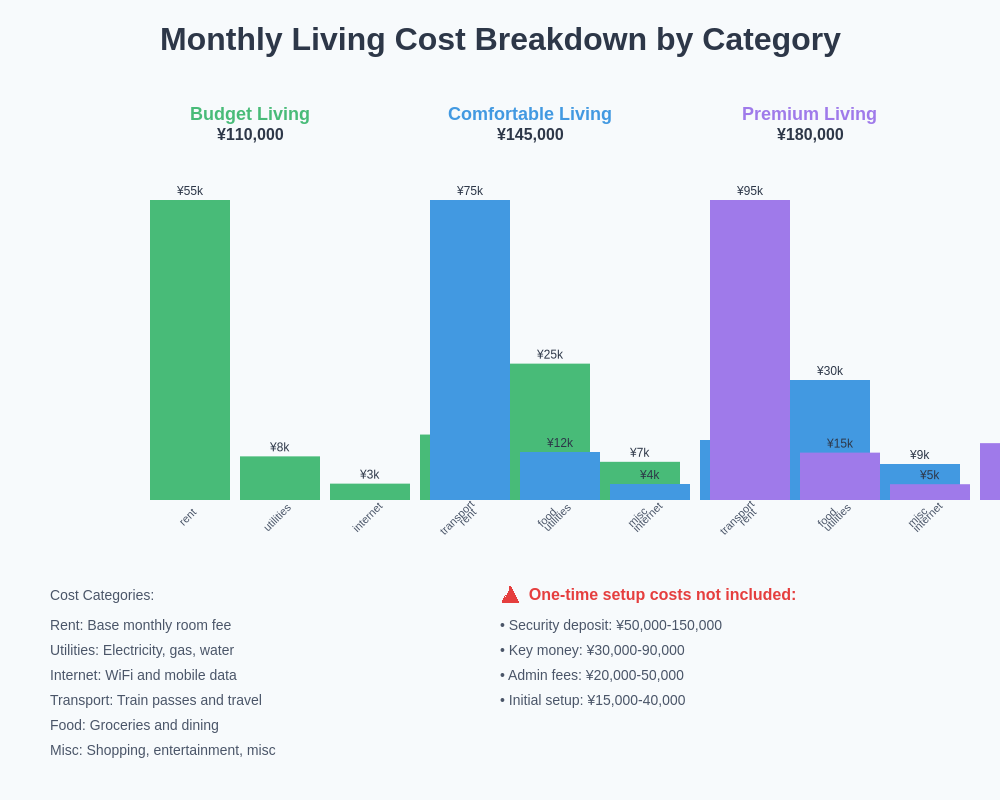
The financial requirements for securing and moving into Tokyo sharehouses involve substantial upfront investments that can total three to six months of equivalent rent, creating significant barriers for budget-conscious international residents and requiring careful financial preparation well in advance of planned move-in dates. What documents you need for Tokyo sharehouse applications explains the documentation requirements that accompany these financial obligations.
Security deposits in Tokyo sharehouses typically equal one to three months of base rent, serving as protection against potential damages, unpaid bills, or early lease termination penalties. What security deposits actually cover in sharehouses provides detailed information about deposit usage policies and return procedures that can significantly affect your financial planning and expectations.
Key money payments, a uniquely Japanese practice, require non-refundable payments equivalent to one to two months of rent that function as appreciation gifts to property owners for accepting your tenancy. This cultural practice adds substantial upfront costs that provide no direct benefit to residents but remain standard requirements across most Tokyo rental markets including sharehouses.
Initial administrative fees cover application processing, background checks, contract preparation, and move-in coordination services, typically ranging from ¥20,000 to ¥50,000 depending on property management complexity and service levels. Some operators combine these fees with first month’s rent payments, while others require separate advance payments during application processes.
Equipment rental and setup fees may apply for furnished accommodations, bedding packages, kitchen utensil sets, and other convenience items that some sharehouses offer as optional services. These costs can range from ¥10,000 to ¥40,000 for comprehensive packages, though bringing personal items from home countries or purchasing locally may offer more economical alternatives.
Transportation and Commuting Expenses
Transportation costs represent one of the largest variable expenses for Tokyo sharehouse residents, with monthly obligations ranging from ¥8,000 for local travel to ¥25,000 or more for daily commutes to distant work or study locations, making neighborhood selection crucial for overall budget management and quality of life considerations.
Tokyo’s extensive train and subway network offers monthly unlimited pass options that provide significant savings for regular commuters, with prices varying based on distance and route complexity. How commute times impact your quality of life explores the relationship between transportation costs and daily living convenience that affects both financial and lifestyle satisfaction.
Central Tokyo sharehouses often command higher rents but may offer substantial transportation savings through proximity to major business districts, universities, and entertainment areas. Business district sharehouses near Tokyo Station analyzes how location premiums can be offset by reduced transportation expenses and time savings.
Bicycle ownership and maintenance provide cost-effective transportation alternatives for short-distance travel, with initial purchase costs ranging from ¥15,000 to ¥50,000 and minimal monthly maintenance expenses. Many neighborhoods offer excellent bicycle infrastructure that can significantly reduce reliance on public transportation for daily activities and local exploration.
Occasional taxi usage, airport transfers, and weekend travel expenses add irregular but potentially substantial costs to monthly budgets, particularly for residents who maintain active social lives or travel frequently for work or leisure activities throughout the greater Tokyo metropolitan area and beyond.
Food and Dining Expense Patterns
Food costs in Tokyo sharehouses vary dramatically based on cooking habits, dining preferences, and lifestyle choices, with monthly expenses ranging from ¥25,000 for budget-conscious home cooking to ¥80,000 or more for frequent restaurant dining and convenience food consumption that reflects the city’s expensive food service industry.
Shared kitchen facilities enable significant cost savings through bulk purchasing, meal planning coordination, and equipment sharing among residents who actively engage in collaborative cooking arrangements. How to budget realistically for sharehouse living provides practical strategies for managing food expenses while maintaining nutritional and social eating preferences.
Local grocery shopping requires understanding Japanese retail patterns, seasonal price variations, and cultural food preferences that affect availability and pricing of familiar international ingredients. Specialty international food stores offer familiar products at premium prices, while adaptation to local Japanese ingredients and cooking methods can provide both cultural experiences and significant cost savings.
Restaurant dining and food delivery services in Tokyo command premium prices that can quickly escalate monthly food budgets, with casual meals ranging from ¥800 to ¥2,000 and dinner restaurant experiences typically costing ¥2,500 to ¥8,000 per person. How food delivery apps change sharehouse dynamics examines how convenience food options affect both budgets and social interactions within shared living environments.
Convenience store purchases, while offering unparalleled accessibility and variety, typically carry significant price premiums that can add ¥10,000 to ¥30,000 monthly to food budgets for residents who rely heavily on these convenient but expensive food sources for daily meals and snacks.
Technology and Communication Costs
Technology and communication expenses in Tokyo sharehouses encompass internet connectivity, mobile phone services, streaming subscriptions, and digital device needs that collectively represent essential modern living costs ranging from ¥8,000 to ¥20,000 monthly depending on usage patterns and service quality requirements.
Mobile phone plans in Japan offer various pricing structures from major carriers including NTT Docomo, SoftBank, and au, with monthly costs ranging from ¥3,000 for basic plans to ¥8,000 for unlimited data and international calling features. Budget carriers such as UQ Mobile and Y!mobile provide more economical alternatives with monthly costs between ¥1,500 and ¥4,000 for moderate usage patterns.
Internet connectivity quality varies significantly between sharehouses, with some properties offering high-speed fiber connections included in rent while others provide basic shared wifi that may have speed limitations during peak usage periods. Premium internet upgrades or individual connections can add ¥3,000 to ¥6,000 monthly for residents requiring reliable high-speed access for work or entertainment purposes.
Streaming service subscriptions for entertainment, news, and educational content typically cost ¥1,000 to ¥3,000 monthly per service, though shared accounts among housemates can reduce individual costs. How shared streaming accounts work in practice explores both cost savings opportunities and potential complications in group subscription management.
Digital device purchases, repairs, and accessories represent irregular but potentially significant expenses, particularly for international residents who may need Japanese-compatible electronics or face higher repair costs for foreign-purchased devices that lack local warranty coverage and service support networks.
Healthcare and Insurance Requirements
Healthcare and insurance costs represent mandatory expenses for Tokyo sharehouse residents, with national health insurance premiums, medical treatments, and supplementary coverage creating monthly obligations that typically range from ¥8,000 to ¥25,000 depending on income levels, coverage choices, and health status considerations.
Japan’s national health insurance system requires enrollment for all residents, with monthly premiums calculated based on previous year income and family status. How healthcare costs work for international residents provides guidance on understanding insurance obligations and benefit structures that affect both monthly costs and medical care accessibility.
Medical treatment costs under Japanese insurance typically require thirty percent patient copayments, making routine healthcare affordable while major medical procedures can still represent significant expenses. Prescription medications, dental care, and specialized treatments may require additional out-of-pocket expenses that can impact monthly budgets unexpectedly.
Supplementary insurance options including travel coverage, personal liability protection, and enhanced medical benefits offer additional security at monthly costs ranging from ¥2,000 to ¥8,000. Some employers provide insurance benefits that can reduce individual expenses, while others require comprehensive personal coverage that increases monthly financial obligations.
Emergency medical situations can create substantial unexpected costs even with insurance coverage, making emergency fund planning essential for international residents who may lack family support networks or familiar healthcare navigation experience in Japanese medical systems.
Seasonal Cost Variations and Budget Planning
Seasonal expense variations in Tokyo create predictable but substantial fluctuations in monthly living costs, requiring sophisticated budget planning that accounts for summer cooling expenses, winter heating costs, holiday spending, and seasonal activity patterns that can increase monthly expenses by ¥15,000 to ¥40,000 during peak periods.
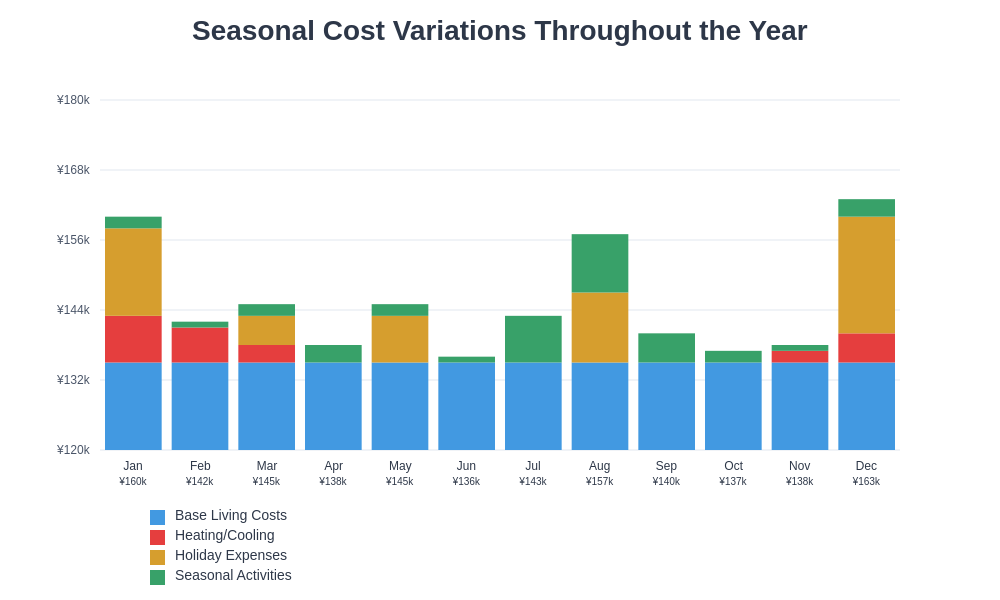
Summer months typically bring increased electricity costs for air conditioning, higher beverage and cooling expenses, and festival participation costs that can significantly impact monthly budgets. How summer heat makes small rooms unbearable discusses both comfort and cost implications of Tokyo’s intense summer climate on sharehouse living expenses.
Winter heating costs, warm clothing purchases, and holiday season expenses create different but equally substantial budget pressures that require advance planning and savings strategies. How heating bills create monthly budget chaos explores strategies for managing seasonal utility cost spikes that can strain monthly budgets.
Holiday periods including Golden Week, Obon, and New Year celebrations often involve travel expenses, gift giving, and special meal costs that can add ¥20,000 to ¥60,000 to monthly budgets during celebration periods. Understanding cultural expectations and planning for these expenses helps prevent budget disruptions during important social periods.
Seasonal clothing needs, particularly for international residents adjusting to Japanese climate patterns, can require substantial irregular expenses for appropriate seasonal wear that meets both cultural expectations and climate comfort requirements throughout Tokyo’s distinct seasonal variations.
Money-Saving Strategies and Cost Optimization
Effective cost management in Tokyo sharehouses requires strategic approaches to expense reduction that maintain quality of life while maximizing financial efficiency through collaborative consumption, bulk purchasing, and resource sharing arrangements that leverage the community aspects of shared living environments.
Group purchasing arrangements for household supplies, food staples, and shared equipment can reduce individual costs by twenty to forty percent while building community relationships among residents. How group buying power reduces individual costs provides practical guidance for organizing effective collective purchasing systems.
Utility conservation efforts including coordinated air conditioning usage, efficient cooking practices, and shared entertainment systems can significantly reduce monthly utility bills while fostering cooperation among residents. Why energy conservation efforts face resistance examines common challenges and solutions for building conservation consensus.
Transportation optimization through bicycle usage, strategic location selection, and flexible scheduling can reduce monthly transportation costs while improving daily life convenience and health benefits. How bicycle ownership affects daily routines explores comprehensive transportation cost reduction strategies.
Free and low-cost entertainment options throughout Tokyo offer extensive opportunities for cultural engagement and social activities without substantial expenses, from public festivals and parks to community events and educational programs that enrich the living experience while maintaining budget discipline.
Long-term Financial Planning and Expense Management
Successful long-term financial management in Tokyo sharehouses requires comprehensive planning that accounts for cost escalations, currency fluctuations, and changing life circumstances that can significantly impact monthly expenses and overall financial stability throughout extended residency periods in Japan’s dynamic economic environment.
Annual rent increases, utility cost adjustments, and inflation effects typically add two to five percent yearly to living expenses, requiring budget planning that anticipates gradual cost escalations over multi-year residency periods. Why rent increases happen in Japanese sharehouses explains common cost adjustment patterns and tenant rights in rental cost negotiations.
Currency exchange rate fluctuations can significantly impact expenses for international residents receiving income in foreign currencies, requiring hedging strategies or financial planning that accounts for potential exchange rate disadvantages during economic volatility periods that affect international money transfers and purchasing power.
Emergency fund maintenance becomes crucial for managing unexpected expenses, medical emergencies, or economic disruptions that can affect income stability or create substantial one-time costs. Building reserves equivalent to three to six months of living expenses provides security and flexibility for navigating unexpected financial challenges.
Career development and income growth planning should align with housing cost expectations and lifestyle goals, ensuring that sharehouse living remains financially sustainable while supporting professional advancement and personal development objectives throughout your Tokyo residency experience.
The comprehensive understanding of Tokyo sharehouse living costs empowers international residents to make informed financial decisions that support both immediate budget management and long-term financial health. Through careful planning, strategic cost management, and realistic expectation setting, sharehouse living can provide excellent value while offering the cultural immersion and community connections that make Tokyo living truly rewarding for international residents seeking authentic Japanese experiences within manageable financial frameworks.
Disclaimer
This article is for informational purposes only and does not constitute professional financial advice. Living costs in Tokyo sharehouses vary significantly based on location, property type, personal lifestyle choices, and economic conditions. Readers should conduct their own research and consider their specific financial circumstances when making housing decisions. The cost figures mentioned are estimates based on current market conditions and may change over time.