The journey of making genuine friendships in a foreign country presents unique challenges and extraordinary rewards, particularly when navigating the complex social landscape of Tokyo as an international resident. Sharehouse communities in Japan’s capital city offer unparalleled opportunities for building meaningful connections that transcend cultural boundaries, creating lifelong bonds through shared experiences, mutual learning, and the intimate dynamics of communal living. Understanding how to effectively navigate these social environments while respecting cultural nuances can transform your Tokyo experience from mere accommodation into a rich tapestry of international friendships and personal growth.
The unique structure of sharehouse living creates natural environments for friendship formation that simply cannot be replicated in traditional apartment settings or through conventional social activities. Daily interactions around shared spaces, collaborative household management, and the inherent vulnerability of living closely with strangers from different cultures forge connections that often develop into profound and lasting relationships spanning continents and decades.
Understanding Tokyo’s International Community Dynamics
Tokyo’s sharehouse communities represent microcosms of global diversity, bringing together individuals from dozens of countries who share common goals of cultural exploration, language learning, and international experience. Living with Japanese roommates in Tokyo sharehouses provides insights into cross-cultural dynamics that form the foundation of these unique social environments where East meets West in daily life interactions.
The demographic composition of typical Tokyo sharehouses includes working professionals pursuing international careers, university students engaged in exchange programs, language learners seeking immersive Japanese experiences, digital nomads exploring Asia, and local Japanese residents interested in international friendships and English practice. This diversity creates rich opportunities for learning about different cultures, professional backgrounds, and life perspectives that broaden worldviews and challenge preconceptions.
Seasonal cycles significantly influence community composition and friendship dynamics, with academic calendars bringing waves of new residents during spring and fall, while summer periods often see increased activity from working holiday visa holders and short-term visitors. Understanding these patterns helps residents anticipate community changes and strategically engage with new arrivals who may become long-term friends.
The age distribution within sharehouses typically spans from early twenties to mid-thirties, creating environments where young professionals and students can connect across similar life stages while navigating career development, relationship building, and personal growth in an international context. This shared experience of being foreigners in Japan often creates immediate common ground for friendship formation.
Breaking Cultural Barriers and Communication Challenges
Effective friendship building in Tokyo sharehouses requires understanding and navigating the complex landscape of cultural communication styles, social expectations, and relationship development patterns that vary dramatically between different nationalities and backgrounds. How cultural differences impact holiday celebrations illustrates how these differences can either create bonding opportunities or potential misunderstandings that affect community harmony.
Language barriers present both challenges and opportunities for connection, with English often serving as the common lingua franca while Japanese language learning becomes a shared goal that residents can pursue together. Many lasting friendships develop through mutual language exchange arrangements where native English speakers help Japanese residents with English practice while receiving Japanese language support in return.
Non-verbal communication patterns, personal space preferences, conflict resolution approaches, and social hierarchy expectations differ significantly between cultures and can impact friendship development if not understood and respected. Successful international residents learn to adapt their communication styles while maintaining authenticity, creating spaces for genuine connection across cultural divides.
Direct versus indirect communication styles often create initial misunderstandings that require patience and cultural sensitivity to overcome. Western residents may initially perceive Japanese communication as unclear or evasive, while Japanese residents might find Western directness abrupt or aggressive, requiring time and mutual understanding to develop effective communication patterns.
Leveraging Shared Experiences and Daily Life
The foundation of sharehouse friendships often emerges from the countless small shared experiences that accumulate through daily cohabitation, from collaborative cooking sessions and household maintenance to navigating Tokyo’s transportation system and exploring neighborhood restaurants together. How to handle roommate conflicts without moving out demonstrates how working through challenges together can actually strengthen relationships rather than damage them.
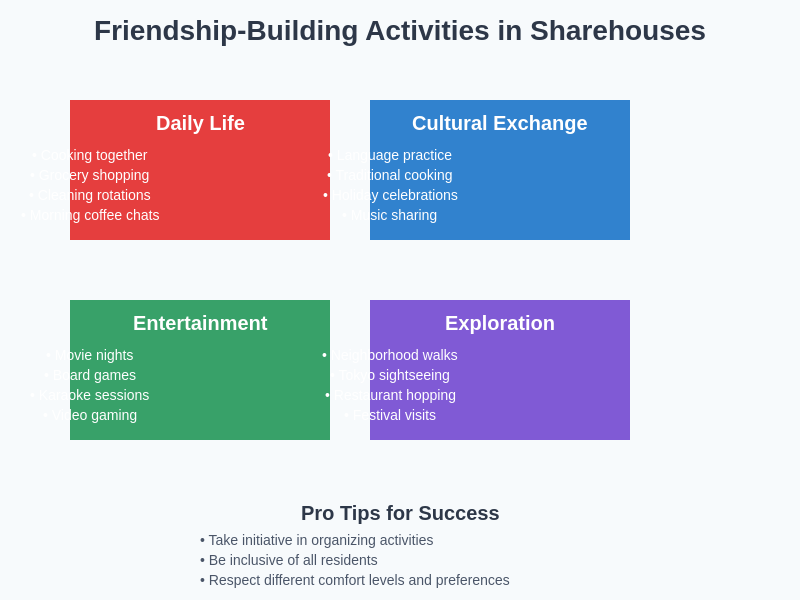
Cooking and meal sharing represent particularly powerful bonding activities in sharehouse environments, where residents exchange recipes, teach traditional dishes from their home countries, and discover Japanese cuisine together. These culinary exchanges often become weekly traditions that bring communities together while creating opportunities for cultural education and personal storytelling.
Household responsibilities and maintenance tasks, while sometimes challenging, provide natural collaboration opportunities that build trust and mutual respect between residents. Successfully organizing cleaning schedules, managing utility bills, and maintaining shared spaces requires communication and cooperation that often translates into friendship development.
Navigation of Tokyo’s complex urban environment becomes a shared adventure for international residents who help each other understand train routes, discover local services, and explore cultural attractions. These collaborative exploration experiences create shared memories and inside jokes that form the basis of lasting friendships.
Building Connections Through Organized Activities
Successful sharehouse communities often develop formal and informal activity traditions that facilitate friendship formation while accommodating diverse interests and schedules. Why social events become obligatory explores how community activities balance voluntary participation with gentle social pressure that encourages involvement.
Language exchange sessions provide structured opportunities for residents to practice Japanese and English while learning about each other’s cultures and backgrounds. These sessions often evolve from formal learning environments into casual conversation groups that facilitate deeper personal connections and friendship development.
Cultural celebration events, including traditional holidays from residents’ home countries and Japanese festivals, create opportunities for cultural education and community bonding. Residents often take turns organizing celebrations that introduce their cultural traditions while learning about others, fostering mutual respect and understanding.
Regular community meetings, house parties, and group outings to local attractions provide structured social opportunities that accommodate different personality types and social preferences. Introverted residents can participate at comfortable levels while extroverted individuals can help facilitate connections and group dynamics.
Gaming nights, movie screenings, and hobby sharing sessions allow residents to connect over shared interests that transcend cultural boundaries. These activities often reveal unexpected commonalities and provide relaxed environments for personality expression and friendship development.
Navigating Different Friendship Styles and Expectations
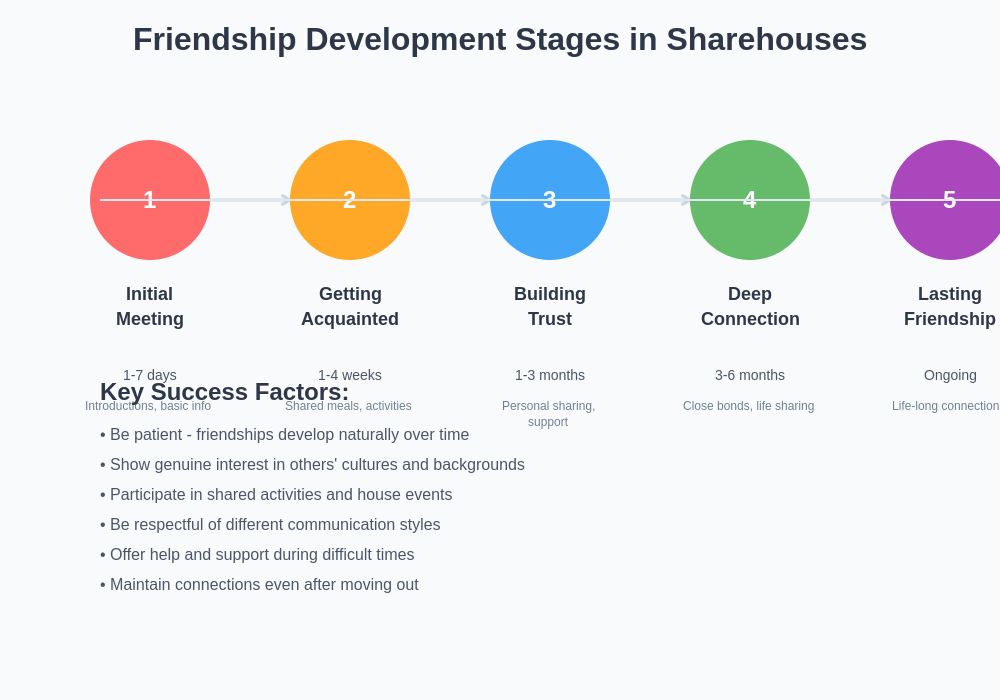
Understanding that friendship development patterns vary significantly between cultures helps residents adjust expectations and communication approaches to build meaningful connections across different social backgrounds. How friendship expectations differ across cultures provides insights into these varied approaches to relationship building.
Some cultures emphasize immediate openness and emotional sharing, while others prefer gradual relationship development through shared activities and consistent presence. Recognizing these different approaches prevents misinterpretation of social cues and allows for more patient and understanding relationship building.
The concept of personal boundaries varies dramatically between cultures, affecting everything from physical contact to emotional disclosure and social obligation expectations. Successful international friendships require ongoing negotiation and respect for these different comfort levels and social norms.
Professional versus personal relationship boundaries also differ between cultures, with some residents comfortable mixing work and social life while others prefer clear separation. Understanding these preferences helps prevent misunderstandings and supports relationship development that respects individual comfort zones.
Gift-giving customs, celebration styles, and social reciprocity expectations vary significantly between cultures and can either enhance friendships or create unintended pressure if not understood and navigated sensitively. Learning about these different customs creates opportunities for cultural appreciation and thoughtful relationship building.
Creating Lasting Bonds Beyond Sharehouse Living
The transient nature of sharehouse living, with residents frequently moving due to visa changes, job opportunities, or life transitions, requires intentional effort to maintain friendships beyond the immediate living environment. How business travel affects long-term community building illustrates how mobility challenges can be overcome through deliberate relationship maintenance.
Establishing communication channels and regular contact patterns before residents move helps maintain connections across geographic distances and time zone differences. Many sharehouse friendships successfully transition to long-distance relationships that continue for years through social media, video calls, and reunion visits.
Creating shared experiences and traditions that can be maintained remotely, such as virtual game nights, online language exchange sessions, or coordinated watching of movies or events, helps preserve relationship intimacy despite physical separation. These digital connections often become the foundation for future in-person reunions and visits.
Document shared memories through photos, videos, and written records that can be revisited and shared as relationship touchstones. Many residents create shared digital albums or social media groups that serve as ongoing connection points for scattered community members.
Planning reunion trips and encouraging visits between former housemates creates opportunities for relationship renewal and expansion. These planned gatherings often become annual traditions that bring together international networks of friends across multiple countries and continents.
Overcoming Social Anxiety and Introversion Challenges
Many international residents struggle with social anxiety or introversion that can be exacerbated by cultural differences and language barriers, requiring specific strategies for comfortable friendship development within sharehouse communities. How empathy grows through cultural exposure demonstrates how patient cultural interaction can build confidence and social skills.
Starting with one-on-one interactions often feels more comfortable for introverted residents than participating in large group activities. These smaller interactions allow for deeper conversation and connection without the overwhelming dynamics of group social situations.
Contributing to community life through behind-the-scenes activities, such as organizing shared resources, maintaining common areas, or handling administrative tasks, provides valuable contribution opportunities for residents who prefer less visible forms of social participation.
Finding residents with complementary personality types who can serve as social bridges helps introverted individuals gradually expand their comfort zones while maintaining supportive relationships. These friendships often become particularly strong due to their mutually supportive nature.
Participating in structured activities with clear objectives, such as language exchange or collaborative projects, provides social interaction frameworks that feel less overwhelming than unstructured social time while still facilitating relationship development.
Professional Networking and Career Development
Sharehouse friendships often evolve into valuable professional networks that provide career opportunities, industry insights, and business connections across international markets. How networking abilities improve through diverse contacts explores how these relationships can enhance career development and professional growth.
Residents working in different industries can share knowledge, provide referrals, and offer insights into various career paths and professional cultures. These connections often prove valuable years later as careers develop and opportunities arise in different countries and industries.
Language skills developed through sharehouse friendships enhance professional qualifications and open doors to international career opportunities. Many residents find that their improved Japanese language abilities and cross-cultural communication skills become significant professional advantages.
Cultural competency gained through daily interaction with diverse housemates translates directly into workplace skills that are increasingly valuable in globalized business environments. These soft skills often differentiate candidates in competitive job markets and international business settings.
Entrepreneurial collaborations sometimes emerge from sharehouse connections, with residents partnering on business ventures that leverage their diverse skills, cultural knowledge, and international networks. These partnerships often combine complementary expertise and market access across different countries.
Long-term Impact on Personal Development
The friendships formed through Tokyo sharehouse communities often catalyze significant personal growth and worldview expansion that extends far beyond the immediate living experience. How cultural sensitivity develops through daily interaction illustrates how these relationships contribute to emotional and intellectual development.
Exposure to diverse perspectives on life goals, career priorities, family structures, and social values challenges assumptions and broadens understanding of different approaches to successful living. These insights often influence major life decisions and personal philosophy development.
Language learning accelerated through friendship motivation often surpasses formal education outcomes, with residents achieving fluency levels that enhance both personal and professional opportunities. The emotional connection to language learning through friendship makes the process more enjoyable and effective.
Confidence in cross-cultural communication and international relationship building opens doors to future travel, work, and living opportunities worldwide. Many residents discover they have developed skills and comfort levels with international living that guide future life choices.
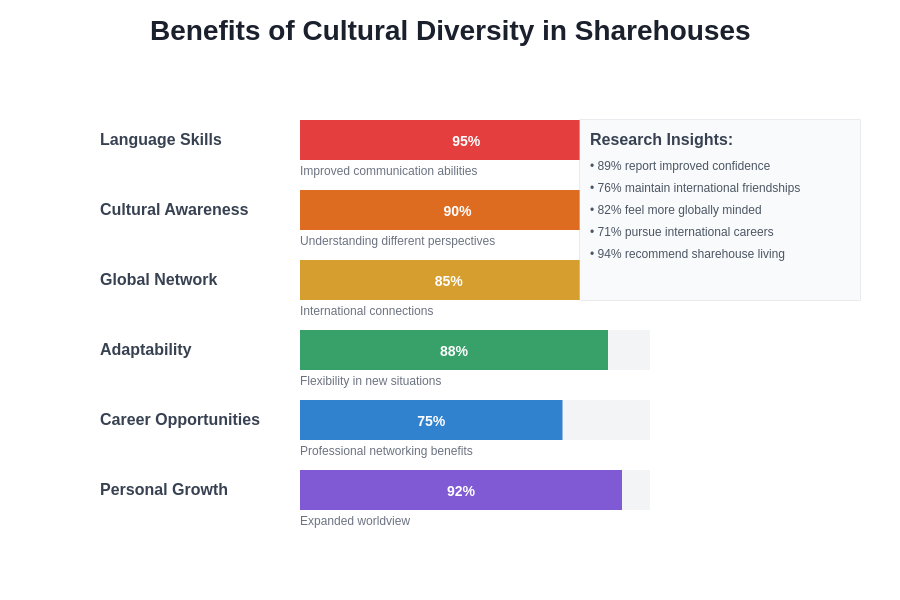
The experience of building meaningful relationships across cultural boundaries often increases empathy, patience, and understanding that enriches all future relationships and social interactions. These personal development outcomes represent lasting benefits that extend throughout residents’ lives.
Managing Friendship Transitions and Changes
The dynamic nature of sharehouse communities, with regular resident turnover and evolving group dynamics, requires ongoing adaptation and relationship management skills that help maintain positive community atmosphere while welcoming new members. How resident turnover affects house dynamics provides insights into managing these transitions effectively.
Welcoming new residents and facilitating their integration into existing friendship groups requires intentional effort and cultural sensitivity. Established residents often serve as informal mentors who help newcomers navigate both practical living arrangements and social relationship development.
Managing the sadness and adjustment challenges that accompany friend departures requires emotional resilience and perspective that views transitions as natural parts of international living experiences. Developing healthy coping strategies for these regular goodbyes becomes an important life skill.
Maintaining group cohesion while accommodating changing interests, schedules, and relationship dynamics requires ongoing communication and flexibility. Successful communities adapt their activities and interaction patterns to reflect current resident preferences and capabilities.
Dealing with personality conflicts or friendship difficulties in close living situations requires conflict resolution skills and emotional maturity that often develop through necessity. Learning to address issues directly while maintaining community harmony becomes valuable life experience.
The friendships forged through Tokyo sharehouse communities represent unique opportunities for personal growth, cultural learning, and international relationship building that can enrich entire lifetimes. Success in these environments requires patience, cultural sensitivity, open-mindedness, and genuine interest in connecting with people from different backgrounds, but the rewards include friendships that span continents and perspectives that transform worldviews forever.
Disclaimer
This article is for informational purposes only and reflects general observations about sharehouse community dynamics. Individual experiences may vary significantly based on specific communities, personal circumstances, and cultural backgrounds. Readers should approach friendship building with realistic expectations and respect for cultural differences. The effectiveness of strategies mentioned may depend on individual personality types, communication skills, and specific community characteristics.