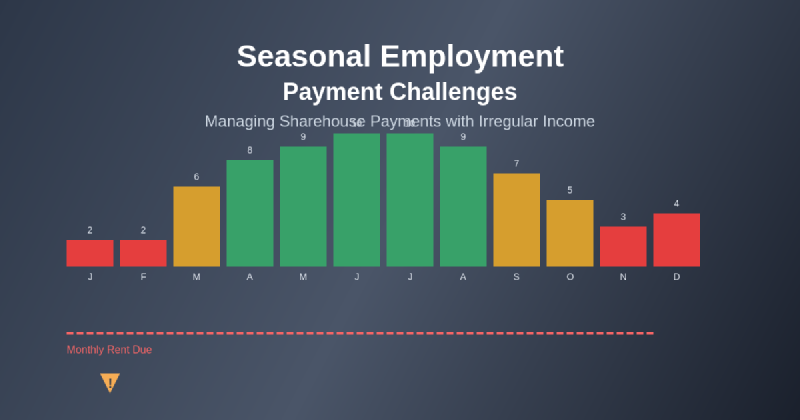
Seasonal employment patterns significantly impact the financial stability of sharehouse residents across Japan, creating complex challenges that extend far beyond simple income fluctuations. The cyclical nature of many industries, combined with Japan’s unique employment structures and cultural expectations, creates a demanding environment where residents must navigate periods of abundance and scarcity while maintaining consistent housing obligations that don’t pause for employment gaps.
The relationship between seasonal work and payment reliability affects not only individual residents but entire sharehouse communities, property managers, and the broader housing ecosystem. Understanding these dynamics becomes essential for anyone considering seasonal employment while living in shared accommodation, as the consequences of payment difficulties ripple through personal finances, housing stability, and social relationships within the sharehouse environment.
Understanding Japan’s Seasonal Employment Landscape
Japan’s seasonal employment market reflects the country’s diverse economic sectors, from tourism and hospitality that peak during cherry blossom season and winter sports periods to agricultural work that follows traditional farming cycles. Understanding how seasonal demand affects sharehouse prices reveals the complex interplay between employment availability and housing costs that creates additional pressure on seasonal workers.
The tourism industry experiences dramatic staffing fluctuations, with ski resorts, beach destinations, and cultural sites requiring massive workforce expansion during peak seasons followed by significant layoffs during off-peak periods. These patterns create predictable yet challenging income cycles that force workers to carefully manage finances across extended periods of reduced or eliminated income.
Manufacturing and construction sectors also exhibit seasonal patterns influenced by weather conditions, export cycles, and domestic demand fluctuations. Workers in these industries often face reduced hours during slower periods, creating partial income gaps that can be even more challenging to manage than complete unemployment periods due to their unpredictable nature.
Agricultural work, particularly in regions outside major metropolitan areas, follows traditional seasonal cycles that offer intensive work periods followed by complete unemployment. While these patterns are predictable, they require workers to accumulate sufficient savings during working periods to sustain themselves through off-seasons, a challenge that becomes particularly acute for international residents without family support networks.
Financial Impact on Sharehouse Payment Obligations
Sharehouse payment structures typically operate on monthly cycles that don’t align with seasonal employment patterns, creating fundamental mismatches between income timing and financial obligations. Living costs in Tokyo sharehouses explained demonstrates how fixed monthly expenses create continuous pressure regardless of employment status or income availability.
Monthly rent, utility contributions, and shared expenses continue accumulating even during unemployment periods, forcing seasonal workers to either maintain substantial savings reserves or seek alternative income sources during gaps. The psychological stress of watching savings deplete while unemployment continues can significantly impact mental health and decision-making capacity during already challenging periods.
Security deposits and advance rent payments required by most sharehouses create additional financial burdens that seasonal workers must navigate while managing irregular income streams. These upfront costs often require significant financial reserves that may conflict with the savings needed to sustain living expenses during off-season periods.
Late payment penalties and potential eviction procedures add further complexity to payment challenges, as property managers may not accommodate seasonal employment patterns despite their prevalence in certain industries. Understanding these policies before committing to seasonal work helps prevent costly consequences and relationship damage within sharehouse communities.
Strategic Financial Planning for Seasonal Workers
Successful navigation of seasonal employment requires sophisticated financial planning that accounts for both predictable cycles and unexpected variations in work availability. How to budget realistically for sharehouse living provides foundational principles that seasonal workers must adapt to accommodate income irregularity and extended planning horizons.
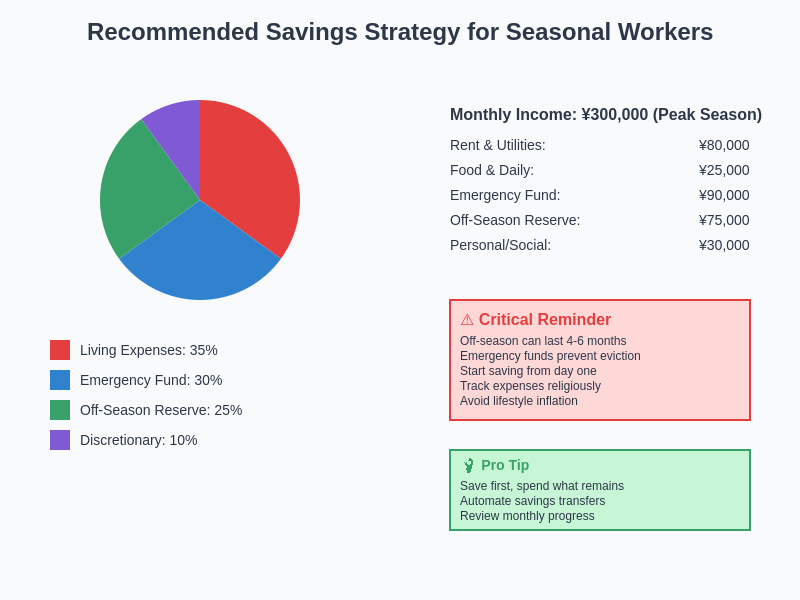
Creating separate savings accounts specifically for off-season living expenses helps maintain discipline during high-income periods and provides clear visibility into available resources during unemployment. This segregation prevents the psychological tendency to spend freely during peak earning periods while building essential reserves for survival during gaps.
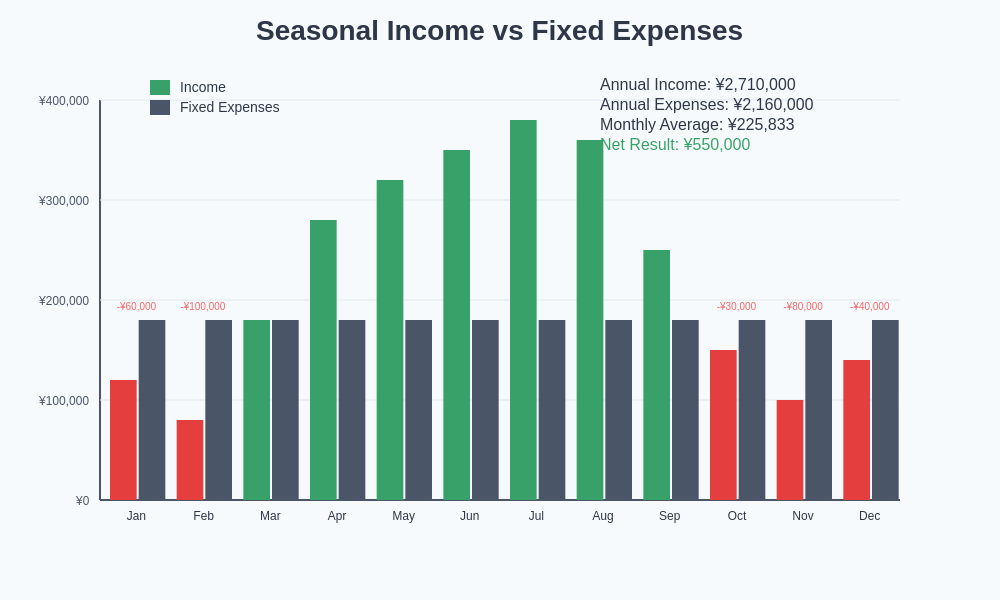
Calculating true hourly earnings by dividing total seasonal income by total calendar months rather than just working months provides realistic perspective on annual earning capacity. This calculation helps seasonal workers understand whether their employment patterns generate sufficient income to sustain year-round living expenses including sharehouse obligations.
Emergency fund requirements for seasonal workers typically exceed standard recommendations due to the predictable nature of unemployment periods. Building reserves equivalent to six to twelve months of living expenses becomes essential rather than merely prudent, requiring aggressive saving during peak earning periods that may conflict with lifestyle desires and social pressures.
Alternative Income Strategies During Off-Seasons
Developing multiple income streams helps seasonal workers maintain payment ability during traditional off-season periods, though this requires advance planning and skill development that extends beyond primary seasonal employment. Remote work opportunities, freelance services, and location-independent income sources provide flexibility that complements seasonal work patterns.
Language teaching, translation services, and online tutoring offer income potential that doesn’t depend on physical presence in seasonal employment locations. These services can be developed gradually during peak employment periods and activated during gaps, providing partial income replacement that eases financial pressure during unemployment.
Part-time retail, food service, and delivery work often increases availability during periods when seasonal industries slow down, creating natural counter-cyclical employment opportunities. However, these positions typically offer lower wages and may require different skill sets, location commitments, or schedule flexibility that conflicts with seasonal work preparation.
Creative services, digital content creation, and online business development provide long-term income potential that can be built gradually over multiple seasonal cycles. While these opportunities require initial investment and development time, they offer eventual income diversification that reduces dependence on seasonal employment patterns.
Impact on Sharehouse Community Dynamics
Seasonal employment patterns affect not only individual residents but entire sharehouse communities through changes in social dynamics, shared responsibilities, and community stability. Making friends through Tokyo sharehouse communities explores how employment-related departures and returns influence relationship building and community continuity.
Residents with seasonal employment often develop different social patterns, maintaining closer connections with fellow seasonal workers while having less consistent interaction with year-round residents. These divided loyalties can create subtle tensions within sharehouse communities, particularly when seasonal workers prioritize work-related social obligations over house activities and responsibilities.
Shared household duties and community participation may fluctuate based on seasonal workers’ availability, creating imbalances during peak employment periods when these residents may be absent for extended periods. Other residents may shoulder additional responsibilities during these times, potentially creating resentment or expectations for reciprocal support.
Financial contributions to shared expenses, group purchases, and community improvements become more complex when residents have dramatically different earning patterns and availability. Seasonal workers may struggle to participate in discretionary spending during off-season periods while having surplus income during peak employment that doesn’t align with community timing needs.
Legal and Contractual Considerations
Sharehouse lease agreements and payment policies typically don’t account for seasonal employment patterns, creating potential legal vulnerabilities for residents whose income doesn’t match standard employment assumptions. Japanese sharehouse rules every foreigner should know outlines standard policies that may conflict with seasonal work realities.
Employment documentation requirements for sharehouse applications may be difficult to satisfy for seasonal workers whose employment status changes regularly or whose future employment isn’t guaranteed. Property managers may view seasonal employment as higher risk, requiring additional guarantees or deposits that increase upfront costs.
Visa status considerations add complexity for international residents whose seasonal employment may not provide sufficient documentation for visa renewal or whose work authorization may have geographic or timing restrictions. These legal requirements can force difficult choices between employment opportunities and housing stability.
Early termination policies and deposit return procedures may penalize seasonal workers who need to relocate for employment opportunities or who face unexpected employment changes. Understanding these policies before signing leases helps prevent costly surprises during already stressful employment transitions.
Managing Payment Difficulties and Communication
When payment difficulties arise despite careful planning, early communication with property managers and fellow residents often provides more solutions than delayed disclosure after problems become severe. How to handle roommate conflicts without moving out offers communication strategies applicable to financial discussions and problem-solving approaches.
Proactive disclosure of seasonal employment patterns during the application process helps set appropriate expectations and may reveal property managers who are experienced with or accommodating of irregular income patterns. This transparency can prevent misunderstandings and establish foundation for cooperative problem-solving if difficulties arise.
Payment plan negotiations, temporary rent reductions, or alternative arrangement discussions become more productive when initiated before payment deadlines pass rather than after missed payments create adversarial situations. Property managers may offer flexibility for residents who demonstrate responsibility and communication rather than avoidance.
Documentation of employment patterns, savings reserves, and payment history helps support requests for accommodation or flexibility during difficult periods. Maintaining organized financial records demonstrates responsibility and provides evidence of good-faith efforts to meet obligations despite employment challenges.
Long-term Career and Housing Strategy Integration
Seasonal employment often represents transitional career phases rather than permanent lifestyle choices, requiring integration with longer-term professional and housing goals that extend beyond immediate financial survival. How career changes affect sharehouse eligibility explores how employment evolution impacts housing options and stability.
Skill development during seasonal employment periods can contribute to career advancement that eventually reduces dependence on seasonal patterns, but this requires intentional planning and investment that may conflict with immediate income maximization goals. Balancing short-term financial needs with long-term career development requires careful consideration of opportunity costs and alternative strategies.
Geographic considerations become particularly important for seasonal workers whose employment may require mobility that conflicts with long-term housing commitments or community building goals. These tensions require ongoing evaluation and may influence housing choices toward more flexible arrangements that accommodate employment-related relocations.
Network development through seasonal employment can provide valuable professional connections and future opportunities that extend beyond immediate income generation. However, maintaining these relationships while managing housing obligations and community commitments requires sophisticated social and professional management skills.
Building Resilience and Financial Security
Developing financial resilience as a seasonal worker requires strategies that extend beyond simple budgeting to encompass emergency planning, insurance considerations, and long-term wealth building that accommodates irregular income patterns. How to calculate your true living costs provides frameworks for understanding total financial requirements that seasonal workers must meet through variable income streams.
Insurance and healthcare considerations become particularly important for seasonal workers whose employment-based coverage may have gaps or limitations that require private supplementation. These costs must be factored into overall financial planning and may represent significant expenses during periods of reduced income.
Investment and savings strategies must accommodate irregular contribution patterns while building long-term financial security that reduces dependence on seasonal employment over time. This may require more conservative investment approaches or specialized financial products designed for variable income patterns.
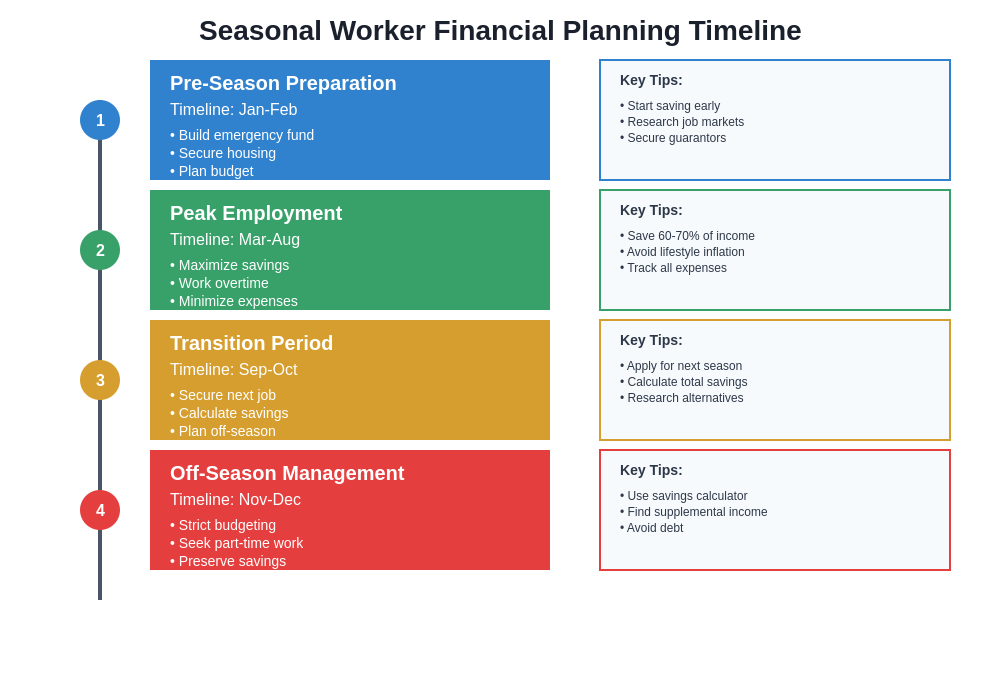
Professional development investments in education, certification, or skill building can provide pathways to more stable employment but require careful timing and resource allocation that doesn’t compromise short-term financial stability. These investments represent essential long-term strategies for reducing seasonal employment dependence while requiring immediate financial sacrifice.
The challenges of seasonal employment and payment ability in sharehouse living reflect broader economic realities that affect millions of workers across Japan and globally. Successfully navigating these challenges requires comprehensive planning, proactive communication, and adaptive strategies that recognize both the opportunities and limitations of seasonal work patterns. While difficult, these experiences often develop financial discipline, adaptability, and resilience that serve residents well throughout their housing and career journeys.
Disclaimer
This article is for informational purposes only and does not constitute professional financial or legal advice. Employment laws, visa regulations, and housing policies in Japan may change, and individual circumstances vary significantly. Readers should consult with qualified professionals regarding their specific situations and conduct thorough research before making employment or housing decisions based on seasonal work considerations.