The rapidly evolving landscape of short-term accommodation in Japan has transformed sharehouses from primarily long-term housing solutions into flexible, accessible options for visitors, students, and professionals seeking temporary living arrangements. This shift reflects Japan’s growing international appeal and the increasing demand for authentic cultural experiences that traditional hotels and serviced apartments cannot provide. Short-term sharehouses offer unique opportunities to immerse yourself in Japanese daily life while maintaining the flexibility needed for modern travel and work patterns.
Understanding the nuances of short-term sharehouse living in Japan requires careful consideration of pricing structures, availability patterns, cultural expectations, and practical logistics that differ significantly from conventional accommodation options. The benefits extend beyond mere cost savings to include cultural immersion, language practice opportunities, and networking possibilities that can enhance both personal and professional experiences during your stay in Japan.
Understanding Short-Term Sharehouse Accommodation
Short-term sharehouses in Japan typically accommodate stays ranging from one week to six months, filling the crucial gap between daily hotel rates and annual rental commitments. This flexibility makes them particularly attractive for working holiday visa holders, exchange students, business travelers on extended assignments, and digital nomads seeking authentic cultural experiences while maintaining reasonable accommodation costs.
The operational structure of short-term sharehouses differs substantially from their long-term counterparts, with streamlined check-in processes, flexible payment schedules, and reduced documentation requirements that acknowledge the temporary nature of these arrangements. How to find perfect sharehouse tokyo provides foundational knowledge that applies equally to short-term searches, though the criteria and priorities may shift significantly based on duration and purpose of stay.
Many operators have developed specialized short-term programs that include furnished rooms, utility packages, and comprehensive support services designed to minimize the administrative burden typically associated with establishing temporary residence in Japan. These arrangements often include internet access, basic household items, and sometimes even bicycle rental or local orientation services that help newcomers navigate their immediate neighborhood and essential daily requirements.
Types of Short-Term Sharehouse Arrangements
The diversity of short-term sharehouse options reflects the varied needs of temporary residents, ranging from budget-conscious backpacker accommodations to premium furnished spaces targeting business professionals and digital nomads. Understanding these categories helps identify options that align with your specific requirements, budget constraints, and lifestyle preferences during your Japanese sojourn.
Budget-focused sharehouses often feature dormitory-style accommodations with shared facilities and minimal privacy, but they provide excellent opportunities for meeting fellow travelers and maintaining extremely low daily costs. Cheaper sharehouse options in tokyo suburbs explores similar cost-effective strategies that apply to short-term arrangements, though suburban locations may require longer commutes to central areas where many short-term visitors focus their activities.
Mid-range options typically offer private or semi-private rooms with shared common areas, striking a balance between affordability and personal space that appeals to working professionals, students, and travelers seeking more comfort and privacy. These arrangements often include additional amenities such as workspace areas, better kitchen facilities, and more comprehensive cleaning services that justify the moderate price premium over basic accommodations.
Premium short-term sharehouses cater to business travelers and professionals requiring hotel-like amenities with the social benefits of shared living. These facilities often feature fully furnished private rooms, premium internet connectivity, concierge services, and sometimes even daily housekeeping that approaches the service level of high-end hotels while maintaining the cultural authenticity and cost advantages of sharehouse living.
Booking Processes and Requirements
The booking process for short-term sharehouses typically involves less stringent requirements than long-term arrangements, though certain documentation and verification procedures remain necessary to ensure resident safety and property security. Most operators require passport information, contact details, and basic background verification, but the extensive financial documentation common in long-term rentals is usually simplified or eliminated entirely.
Online platforms have streamlined the booking process significantly, with many sharehouses offering instant confirmation for available periods and transparent pricing that includes all necessary fees and charges. What documents you need for tokyo sharehouse applications provides comprehensive guidance on documentation requirements, though short-term stays typically require fewer documents and less detailed financial verification.
Payment structures for short-term stays often accommodate international travelers through flexible arrangements including credit card payments, online transfers, and sometimes cash payments upon arrival. Security deposits are typically lower than long-term arrangements, and many operators offer package deals that include utilities, internet, and basic amenities in a single pricing structure that simplifies budgeting and eliminates surprise charges.
The advance booking timeline varies significantly based on seasonality, location, and demand patterns, with popular areas during peak travel seasons requiring reservations weeks or months in advance, while off-season periods may offer same-day availability and potential discounting that benefits flexible travelers.
Pricing Structures and Cost Considerations
Short-term sharehouse pricing reflects the premium associated with flexibility and convenience, typically commanding higher daily rates than equivalent long-term arrangements while remaining significantly more affordable than hotels or serviced apartments. How much tokyo sharehouses really cost per month provides baseline cost information that can be extrapolated to understand short-term pricing patterns and budget planning requirements.
Weekly and monthly rates often provide substantial discounts compared to daily pricing, encouraging longer stays that benefit both operators through reduced turnover costs and residents through improved value. Many facilities offer progressive pricing scales where costs decrease as stay duration increases, creating incentives for commitment that can significantly impact overall accommodation expenses.
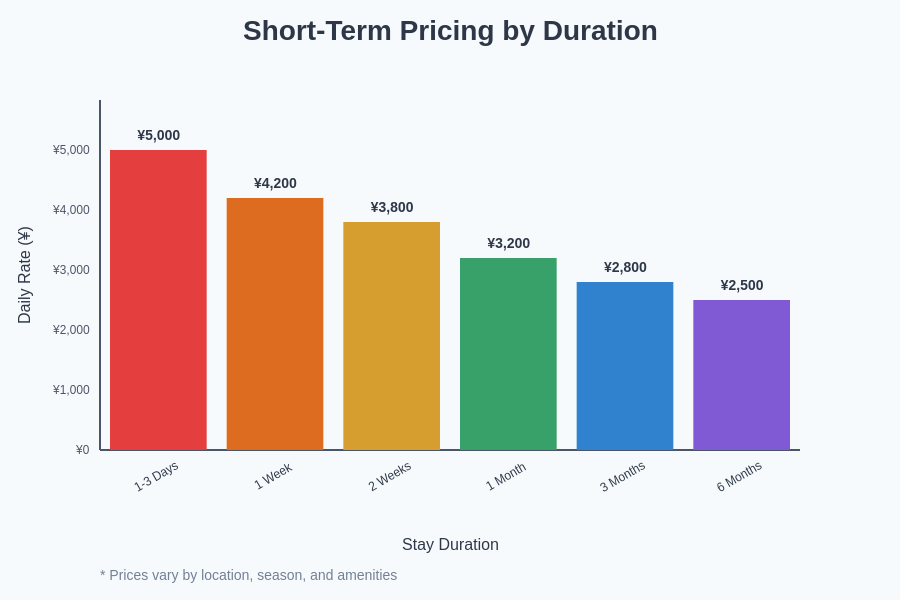
Additional costs may include cleaning fees, key deposits, and utility surcharges that are typically included in long-term arrangements but charged separately for short-term stays. Understanding these potential charges during the booking process prevents budgeting surprises and enables accurate comparison between different accommodation options and operators.
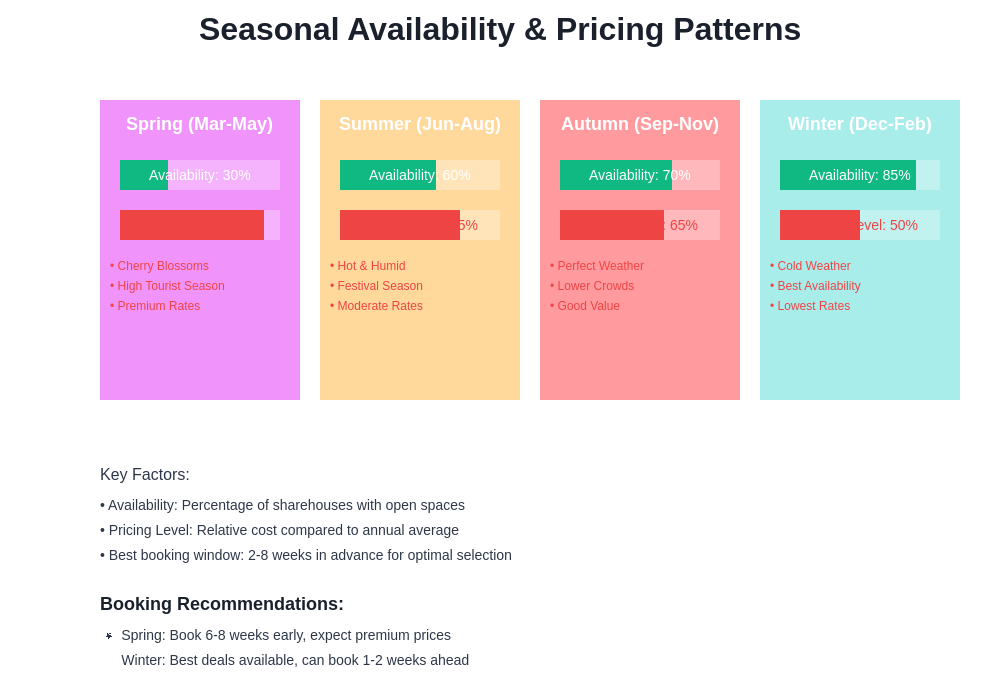
Seasonal pricing fluctuations can dramatically affect costs, with peak periods such as cherry blossom season, Golden Week, and summer vacation months commanding premium rates that may double or triple standard pricing. Planning stays during shoulder seasons or winter months can result in substantial savings while often providing better availability and more relaxed booking requirements.
Location Strategies for Short-Term Stays
Location selection for short-term stays requires different considerations than long-term housing decisions, with emphasis on proximity to transportation hubs, tourist attractions, business districts, or educational institutions depending on the primary purpose of your visit. Best tokyo neighborhoods for sharehouse living provides neighborhood insights that apply to short-term considerations, though priorities may shift toward convenience and accessibility over long-term livability factors.
Central Tokyo locations offer unparalleled convenience for business travelers and tourists but command premium prices that may strain budget-conscious travelers. Areas near major train stations provide excellent connectivity while often offering more competitive pricing than prime central districts, making them attractive compromises for visitors prioritizing both accessibility and cost management.
Suburban locations can provide excellent value for longer short-term stays, particularly for visitors focusing on cultural immersion rather than business or intensive sightseeing activities. Living with japanese roommates in tokyo sharehouses explores cultural benefits that may be enhanced in residential neighborhoods where authentic daily interactions occur naturally.
University areas often provide vibrant international communities and competitive pricing, making them attractive for young travelers, exchange students, and those seeking social environments with diverse cultural representation. Student sharehouses near top tokyo universities offers insights into these dynamic communities and their unique characteristics.
Cultural Integration and Social Dynamics
Short-term sharehouse living provides unique opportunities for cultural immersion that differ significantly from hotel stays or isolated accommodations, offering authentic insights into Japanese daily life, social customs, and community dynamics. The temporary nature of these arrangements often creates more relaxed social environments where both Japanese and international residents are more open to cultural exchange and friendship building.
Language practice opportunities emerge naturally through daily interactions with housemates, providing practical application for Japanese language skills while offering chances to help others practice English or other foreign languages. These exchanges often develop into lasting friendships that extend beyond the sharehouse experience and can provide valuable cultural insights and local recommendations.
Making friends through tokyo sharehouse communities explores relationship-building strategies that apply particularly well to short-term stays, where the limited time frame often encourages more immediate and open social interactions among residents seeking to maximize their cultural exchange opportunities.
Understanding and respecting house rules becomes particularly important for short-term residents, as established communities may have developed specific customs and expectations that ensure harmony among residents with varying stay durations. Japanese sharehouse rules every foreigner should know provides essential cultural guidance that can prevent misunderstandings and facilitate smooth integration into existing house communities.
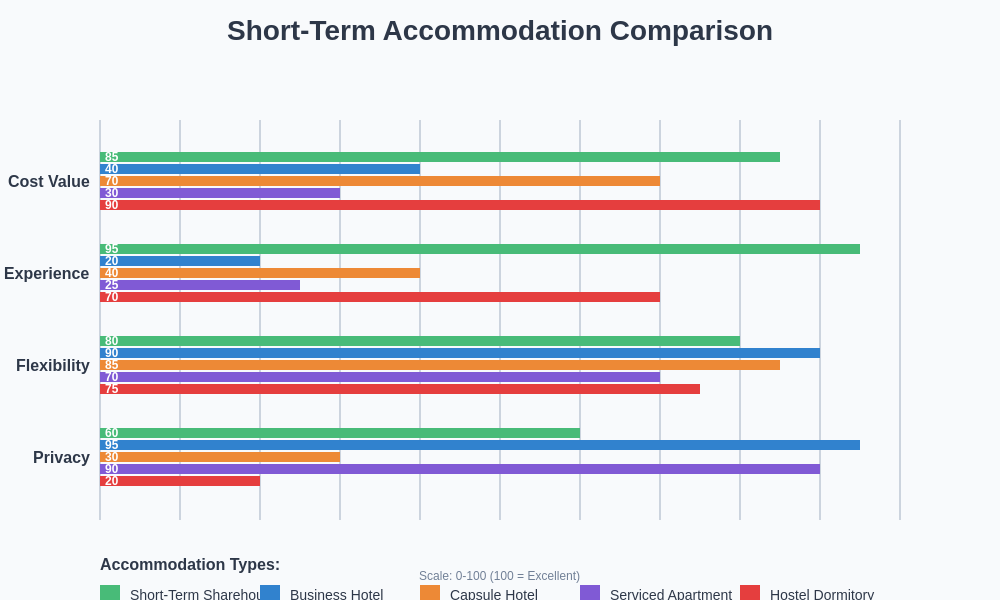
This comparison demonstrates how short-term sharehouses offer unique advantages in cultural experience and cost value while providing reasonable flexibility and moderate privacy levels compared to other temporary accommodation options in Japan.
Practical Logistics and Daily Living
Short-term sharehouse living requires different logistical approaches than extended stays, with emphasis on efficient packing, rapid adaptation to new environments, and strategic planning for essential needs acquisition. Understanding what amenities are typically provided versus what you need to bring or purchase locally helps optimize luggage space and minimizes unnecessary expenses during your stay.
Most short-term sharehouses provide basic furniture, bedding, and essential household items, but personal items such as toiletries, clothing, and electronics remain your responsibility. Understanding utility bills in japanese sharehouses explains common arrangements, though short-term stays often include utilities in the base price, simplifying budget management and eliminating complex billing arrangements.
Internet connectivity and mobile phone access become crucial considerations for short-term visitors, with many sharehouses providing wifi access but mobile phone arrangements requiring separate planning. Understanding local connectivity options and international roaming costs helps maintain communication capabilities while controlling expenses during your stay.
Banking and payment logistics require special consideration for short-term visitors, as establishing local bank accounts may not be practical for brief stays. Understanding cash usage patterns in Japan, ATM accessibility, and international card acceptance helps ensure smooth financial operations throughout your residence period.
Seasonal Considerations and Availability
Japan’s distinct seasonal patterns significantly impact short-term sharehouse availability, pricing, and overall experience, with each season offering unique advantages and challenges for temporary residents. Spring brings cherry blossom season crowds and premium pricing, but also offers ideal weather and numerous cultural events that enhance the visitor experience significantly.
Summer provides excellent availability in many areas but brings intense heat and humidity that can make poorly air-conditioned accommodations uncomfortable. Understanding building cooling systems and local climate adaptation strategies becomes important for maintaining comfort during the warmest months of the year.
Autumn offers ideal weather conditions and reduced tourist crowds, creating excellent opportunities for cultural immersion and competitive pricing while maintaining comfortable temperatures that make exploration and daily activities more enjoyable. Winter provides the lowest prices and best availability but requires preparation for cold weather and shorter daylight hours that can impact sightseeing and outdoor activities.
Dating while living in tokyo sharehouses and other social considerations may be influenced by seasonal patterns, as different times of year attract different demographics of short-term residents and create varying social dynamics within house communities.
Legal and Visa Considerations
Short-term sharehouse arrangements must comply with Japanese immigration and housing regulations that can affect both availability and requirements for different visa types. Tourist visas typically allow stays up to 90 days, making them suitable for many short-term arrangements, though working holiday and student visas provide greater flexibility for extended short-term stays.
Working holiday visa holders often represent ideal candidates for short-term sharehouses, as they seek flexible accommodation while exploring employment opportunities or traveling throughout Japan. These arrangements provide stable temporary addresses that satisfy visa requirements while maintaining the flexibility needed for job searching or extended travel periods.
Address registration requirements may apply to stays exceeding certain durations, with some municipalities requiring foreign residents to register their addresses even for temporary accommodation. Understanding these obligations and ensuring your chosen sharehouse can provide necessary documentation helps avoid potential legal complications during your stay.
Business travelers on temporary assignments may require specific documentation or employer verification that some sharehouses can accommodate while others cannot. Clarifying these requirements during the booking process ensures smooth check-in procedures and compliance with both company policies and Japanese regulations.
Technology and Communication
Modern short-term sharehouses increasingly recognize the importance of robust internet connectivity and technology infrastructure for their international clientele, many of whom work remotely or require reliable communication capabilities during their stays. High-speed internet, international calling capabilities, and workspace areas have become standard amenities in many facilities catering to digital nomads and business travelers.
Mobile phone connectivity solutions vary significantly in Japan, with short-term visitors often relying on rental phones, international roaming, or prepaid SIM cards that provide local connectivity without long-term commitments. Many sharehouses offer guidance or partnerships with local providers to help short-term residents establish communication capabilities quickly and affordably.
Language barrier solutions have evolved to include translation apps, multilingual house staff, and international resident communities that provide informal support networks for newcomers navigating daily challenges. These technological and social support systems significantly reduce the intimidation factor often associated with temporary residence in a foreign country.
Social media and online communities connected to specific sharehouses or neighborhoods often provide valuable real-time information about local events, transportation updates, and social opportunities that enhance the short-term living experience while building connections with both temporary and permanent residents.
Health and Safety Considerations
Short-term sharehouse living requires awareness of health and safety considerations that differ from hotel accommodations, including emergency procedures, medical access, and insurance coverage that may not be automatically provided. Understanding local emergency services, nearby medical facilities, and house-specific safety protocols ensures preparedness for potential issues during your stay.
Travel insurance becomes particularly important for short-term residents, as standard tourist policies may not cover extended stays or sharehouse-specific situations. Reviewing coverage details and ensuring adequate protection for your specific circumstances and activities helps avoid potentially expensive medical or emergency costs.
Emergency communication plans often fail highlights common issues that can affect short-term residents, emphasizing the importance of establishing clear communication channels and understanding local emergency procedures before settling into your temporary accommodation.
Food safety and kitchen hygiene standards may vary between sharehouses, requiring awareness of proper food storage, preparation areas, and shared equipment protocols that maintain health standards while respecting community guidelines and cultural expectations.
The growing popularity of short-term sharehouses in Japan reflects broader trends in travel, work, and lifestyle preferences that emphasize flexibility, cultural authenticity, and cost-effectiveness over traditional luxury accommodation standards. Understanding how to navigate this market effectively can transform your Japanese experience from simple tourism into meaningful cultural immersion that provides lasting memories and valuable international perspective.
Disclaimer
This article is for informational purposes only and does not constitute professional travel, legal, or housing advice. Short-term sharehouse availability, pricing, and requirements can change rapidly based on market conditions, seasonal demand, and regulatory updates. Readers should verify current information and requirements with specific operators and relevant authorities when planning their accommodations. Individual experiences may vary based on personal circumstances, chosen locations, and specific sharehouse policies.